
College often feels like a storybook promise: choose a major, land a dream job, and live happily ever after. The reality is usually more complicated. Some degrees open clear career paths, while others demand extra planning, skill-building, or practical experience to lead to stable employment. Below is a revised, SEO-optimized overview of majors that can be rewarding personally but may require additional strategy to secure strong job prospects.
Culinary Arts

Credit: flickr
A culinary degree can spark passion and refine technique, but culinary school is costly and the industry often values hands-on experience over formal credentials. Aspiring chefs should prioritize internships, apprenticeships, stage opportunities in professional kitchens, and building a strong portfolio of real-world experience to improve job prospects.
Fashion Design

Credit: freepik
Fashion design attracts creativity but can be highly competitive and expensive to study. Graduates often face high student debt and limited high-paying roles. To increase employability, students should gain experience through internships, build a professional portfolio, learn business fundamentals, and explore niches such as sustainable fashion, textile innovation, or merchandising.
Advertising

Credit: freepik
The advertising industry is evolving rapidly. Traditional advertising roles are declining while demand grows for digital marketing, data analytics, content strategy, and performance-focused skills. Students should pursue digital certifications, analytics training, and hands-on campaigns to stay relevant.
Liberal Arts (General Studies)

Credit: freepik
A general liberal arts degree offers broad critical thinking and communication skills but may lack direct vocational training. To enhance career readiness, students should combine liberal arts with practical coursework, internships, technical certificates, or a focused minor that aligns with target industries.
Music

Credit: flickr
Music degrees develop artistry and technical ability, but professional opportunities can be limited and highly competitive. Pairing musical training with complementary skills—such as music education, audio engineering, music business, or digital production—can broaden career options and create sustainable income streams.
Performing Arts (Drama, Theater)

Credit: freepik
Acting and theater foster creativity and performance skills, yet steady employment is not guaranteed for most graduates. Building resilience, networking, diversifying into related fields (like teaching, directing, stage management, or content creation), and pursuing continuous training can improve long-term prospects.
Creative Writing

Credit: freepik
A creative writing degree sharpens storytelling and craft, but many writers must supplement income through other roles. To increase career resilience, writers should develop marketing and publishing knowledge, learn content strategy, pursue freelance opportunities, and consider minors or certificates in digital media or business.
Graphic Design (without specialization)

Credit: freepik
General graphic design remains relevant, but employers increasingly seek specialized skills such as UX/UI, motion graphics, or experience design. To stand out, designers should build specialized portfolios, master current software tools, and pursue internships or freelance projects that demonstrate targeted expertise.
History

Credit: Youtube
A history degree cultivates research, analysis, and writing skills that are valuable across many sectors. Graduates should be prepared to translate those skills into roles in data analysis, archives, education, government, or legal support. Gaining technical competencies—such as data visualization or digital humanities—can improve employability.
Philosophy

Credit: freepik
Philosophy trains rigorous critical thinking and ethical reasoning, yet graduates sometimes face challenges converting these strengths into high-paying roles. Pairing philosophy with legal studies, business, or technical skills improves career flexibility. Internships and demonstrable project work also help employers see practical applications of philosophical training.
Anthropology
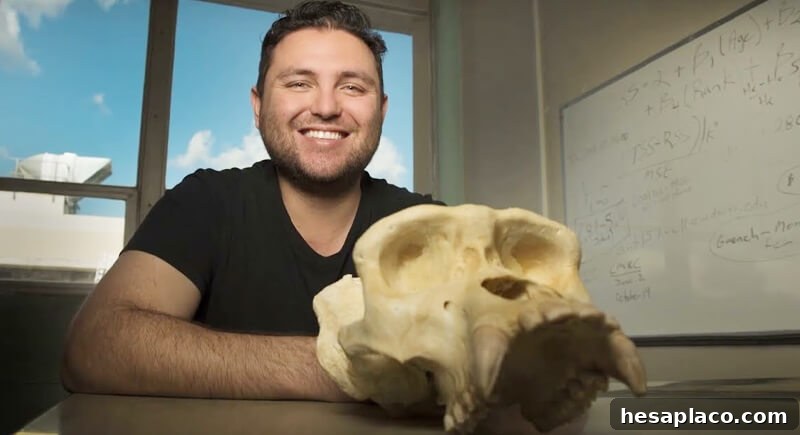
Credit: Youtube
Anthropology offers deep insight into human cultures and social behavior, but career paths can be niche and competitive. Graduates often find roles in research, teaching, cultural resource management, or nonprofit work. Strengthening quantitative methods, GIS, or grant-writing skills can broaden employment opportunities.
Sports Management

Credit: Youtube
Sports management opens doors to careers in administration, marketing, and operations within athletics, but competition for high-paying roles is intense. Internships, networking in the industry, and experience in event management, sponsorship, or athlete representation are crucial for breaking into the field.
Turf Management

Credit: Youtube
Turf management provides practical skills for groundskeeping and landscape care, but local markets can become saturated. Specializing in sustainable landscaping, sports turf science, or arboriculture, and obtaining certifications in integrated pest management or irrigation can make graduates more competitive.
Recreational Therapy

Credit: Youtube
Recreational therapy is a meaningful profession focused on improving quality of life through therapeutic activities. To increase employability and clinical effectiveness, graduates should pursue strong clinical training, certifications, and practicum experiences, and be prepared to work in multidisciplinary healthcare or community settings.
Choosing a major should balance passion with practical planning. For fields with competitive job markets, students can boost their prospects through internships, complementary coursework, certifications, networking, and building demonstrable experience. With thoughtful preparation, many of these majors can lead to fulfilling and sustainable careers.