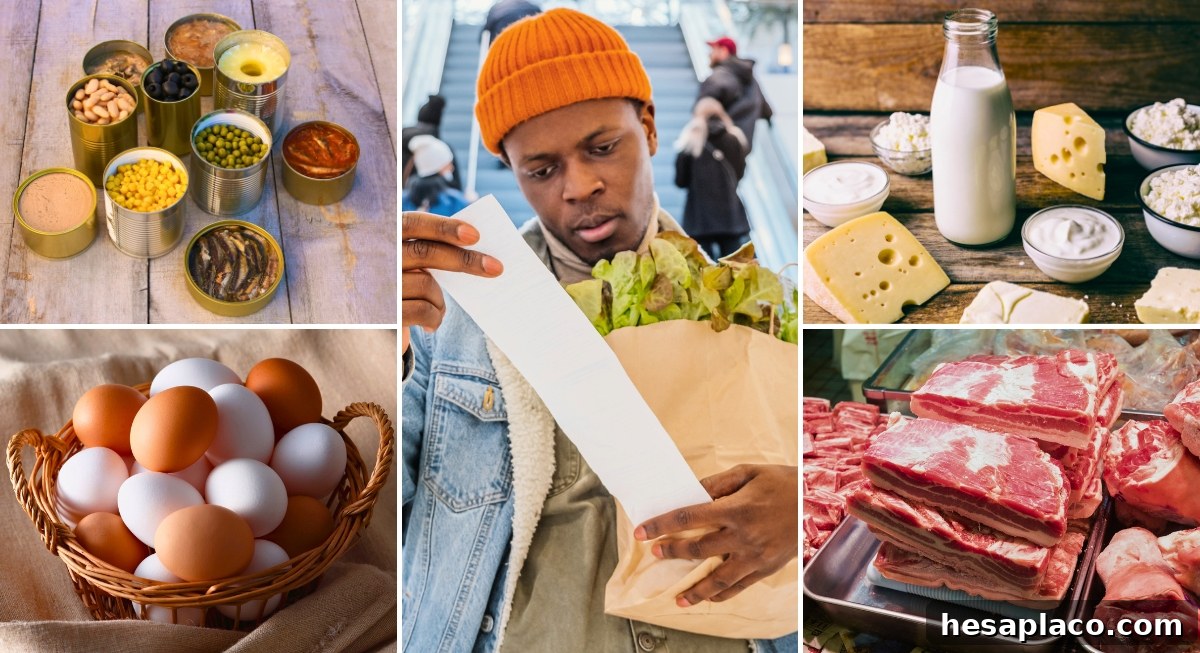
Food inflation eased a bit in late 2025, but shoppers at the checkout didn’t see much relief. Overall inflation slowed, yet many everyday grocery items kept ascending in price, and several staples look set to rise again in 2026. A convergence of tariffs, extreme weather, disease outbreaks, and shrinking supplies is pushing familiar goods into luxury territory. Below are the grocery basics most likely to surprise consumers with higher prices over the next year.
Beef
Credit: Facebook
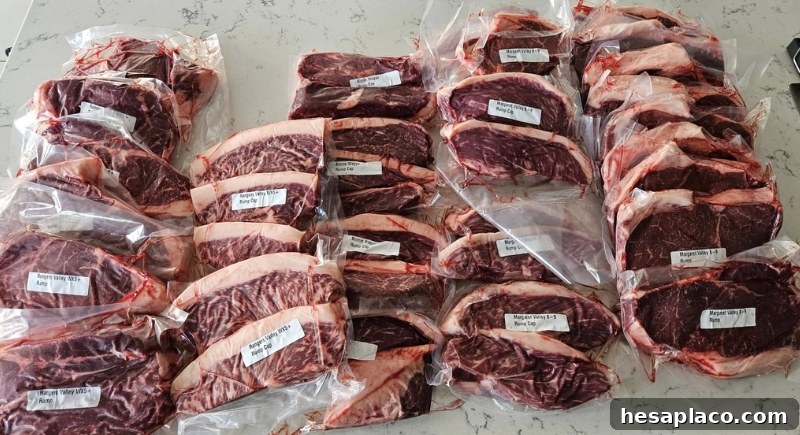
Beef prices are already high and show few signs of retreat. Ground beef averaged $6.23 per pound in September 2025, and production is forecast to remain constrained through 2026. The U.S. cattle herd is at decades-low levels, keeping supplies tight even if demand softens. That structural shortage makes additional price increases likely.
Eggs
Credit: Getty Images
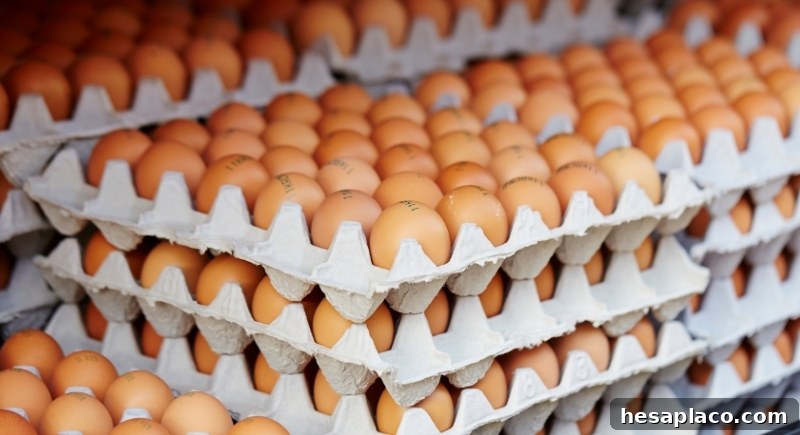
Egg prices dipped slightly in late summer 2025, but relief was limited. Avian influenza wiped out millions of birds, cutting output by roughly 4% year over year. Feed costs for poultry remain elevated, and the risk of further outbreaks keeps the market fragile. After a more than 37% jump in 2025, egg prices face continued upside pressure into 2026 unless supply recovers.
Coffee
Credit: Instagram
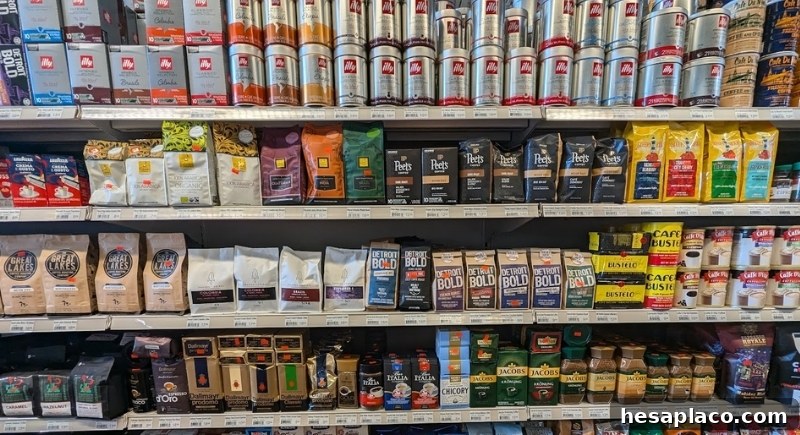
Morning routines have become costlier as coffee inflation ran into double digits. Poor weather in major coffee-growing regions trimmed harvests and tightened global supply. Because the U.S. produces very little of its own coffee, imports fill the gap—and tariffs on those imports add costs that are passed on to consumers.
Dairy
Credit: Getty Images
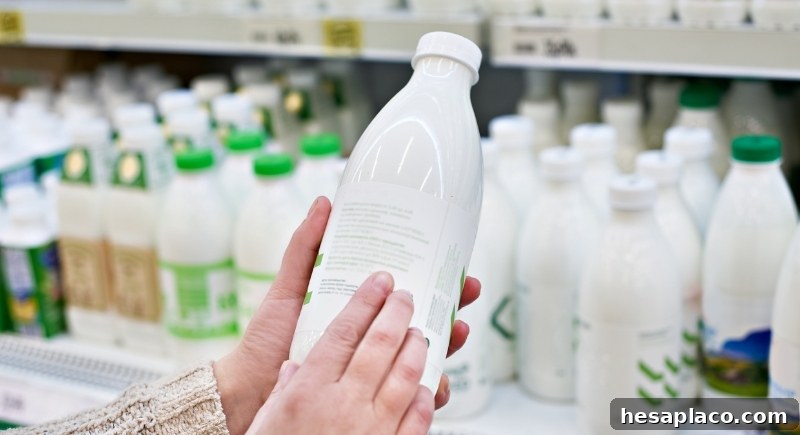
Milk, cheese, and butter are under pressure from many of the same forces affecting beef and eggs. Elevated feed prices and higher fuel costs increase production and transport expenses. Faced with tighter margins, some dairy farmers may scale back output, which would reduce supply while demand remains steady—typically a recipe for faster retail price growth.
Sugar

Credit: Getty Images
Sugar prices are closely linked to weather and global trade flows. U.S. production depends on specific growing regions, and shifting weather patterns can shrink yields. At the same time, more sugarcane in countries like India is being diverted to ethanol production rather than food, tightening global supply. Tariffs on imports further raise costs, making higher retail prices more probable.
Candy

Credit: DAPA Images
Candy prices tend to follow sugar, and chocolate faces its own challenges. Cocoa yields have been disrupted by adverse weather in key producing regions, mirroring issues seen in coffee. Tariffs on imported ingredients raise manufacturing costs, so even promotional or seasonal discounts may not fully offset an upward trend in baseline prices through 2026.
Canned Goods
Credit: Reddit
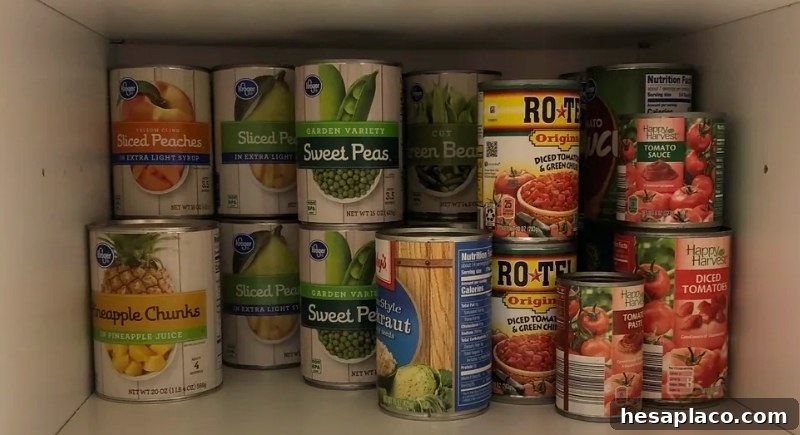
Once seen as a budget-friendly category, many canned goods are losing their price edge. Canned beans, tomatoes, and soups are affected not only by food input costs but also by rising packaging expenses. Tariffs and higher prices for aluminum and steel have pushed up canning costs, so manufacturers face increased production expenses even when the contents haven’t changed.
Soy Sauce
Credit: Facebook
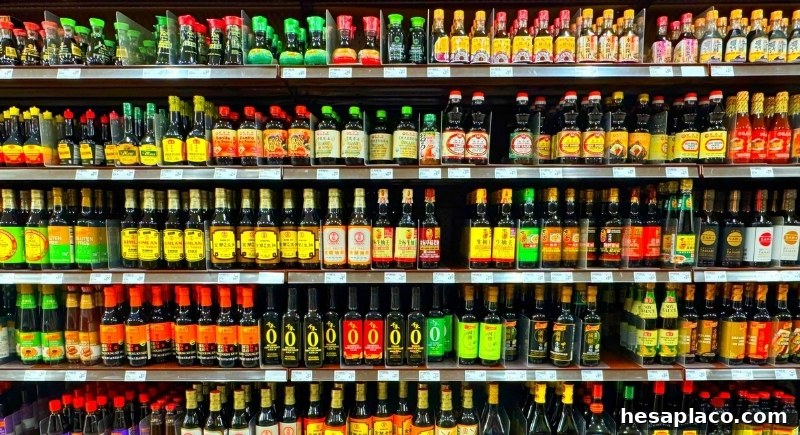
Soy sauce depends heavily on imports from Asia, particularly China, and tariffs on those goods increase costs across the category. Even private-label and store-brand versions are affected because they rely on the same global supply chains for ingredients. That makes it difficult for retailers to avoid passing price increases on to consumers.
Instant Noodles
Credit: pexels
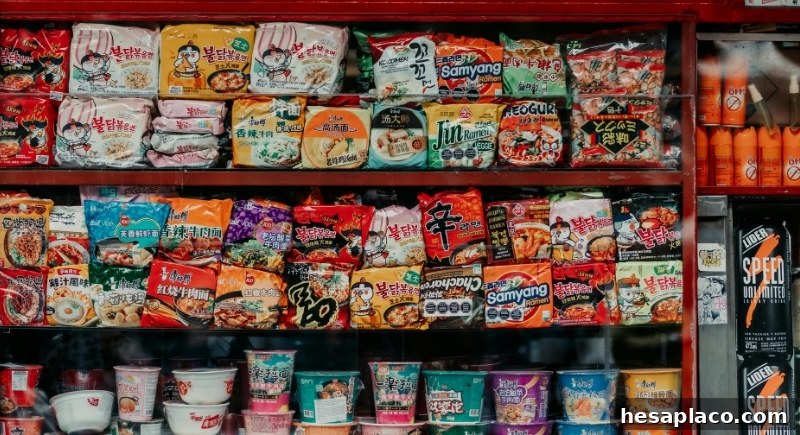
Instant noodles—long a low-cost pantry staple—are becoming noticeably more expensive. The category relies heavily on imports from countries such as Vietnam, China, and South Korea, and trade-related costs are increasing. Elevated freight and logistics costs compared with the pre-2020 era also contribute to higher shelf prices.
Frozen Fish
Credit: Getty Images
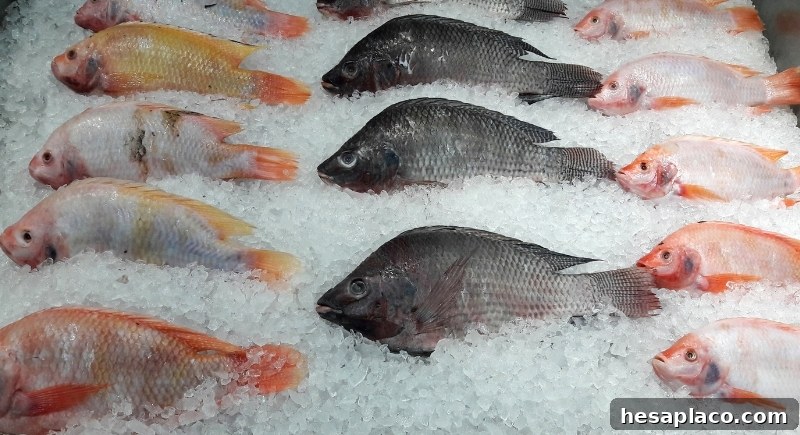
Frozen fish such as tilapia and cod were once among the most affordable proteins in the freezer, but they are expected to feel less budget-friendly in 2026. Much of the supply is sourced overseas, and trade restrictions, higher shipping costs, and supply-chain disruptions are pushing up import prices. That combination is likely to raise retail prices at the freezer case.