
What people consider basic expenses today looks very different than it did a generation ago. Millennials budget for items and services that either didn’t exist or weren’t priorities when Baby Boomers were coming of age. It isn’t only about higher prices — shifts in technology, the economy, and everyday expectations have all reshaped what counts as essential. Below are ten purchases that now feel routine for many younger adults but were rarely part of the Boomer checklist.
Streaming Subscriptions Instead of Cable Boxes

Credit: Canva
Where once cable came with a fixed channel lineup and a single monthly bill, many households now juggle multiple streaming services. Millennials commonly subscribe to several platforms at once, paying regular monthly fees for access to algorithm-driven recommendations, exclusive originals, and on-demand libraries. The switch from a single cable box to a rotating set of apps has changed both viewing habits and household budgets.
Renting Clothes Like They’re Movies

Credit: Wikimedia Commons
Rather than building a wardrobe of rarely worn outfits, many young adults borrow clothing for special occasions and seasonal changes. Services that let users rent designer dresses, suits, or curated capsule wardrobes have become mainstream, appealing to people who want style without the long-term commitment. This approach fits a broader trend toward minimalism and sustainability, even as it adds a recurring clothing expense.
Food Delivery That Skips the Phone Call

Credit: Wikimedia Commons
Ordering takeout no longer requires a phone call and a paper menu. Instead, people open apps that display dozens of restaurants, let them customize orders, and track deliveries in real time. Food delivery platforms have normalized paying convenience fees and markup prices for the ease of ordering from a phone or computer, making delivery a frequent and sometimes costly line item in monthly budgets.
Plastic Surgery Before 30

Credit: Getty Images
A notable rise in young people seeking cosmetic procedures has changed what many consider routine self-care. With constant self-imaging from front-facing cameras and the influence of social media, more people under 30 pursue minimally invasive treatments like injectables. For many, these expenses are part of broader investments in personal appearance and confidence.
Monthly Payments for Digital Tools
Credit: pexels
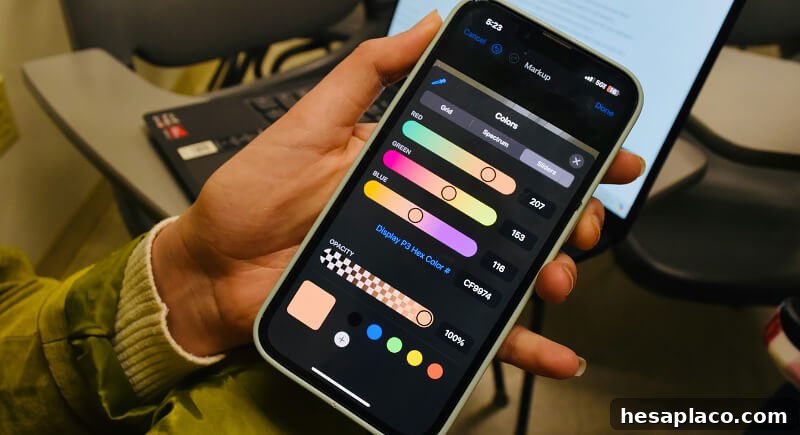
Software that used to be bought once is now commonly billed as a subscription. Cloud storage, creative suites, productivity apps, language-learning platforms, and professional tools often come with recurring fees. Some people even pay services that help manage or cancel other subscriptions. The result is a digital ecosystem paid for through ongoing payments rather than single purchases.
Therapy as Preventive Care

Credit: Getty Images
Mental health care has shifted from stigma to routine maintenance for many younger adults. Therapy is increasingly viewed as preventive and normal, not only reactive. Online counseling platforms and broader cultural acceptance have made regular therapy sessions more accessible, so mental health care now appears alongside other standard monthly expenses for a growing number of people.
Grocery Delivery with a Side of Fees

Credit: Canva
Many Millennials pay for the convenience of grocery delivery, accepting service fees and occasional markups to save time. Whether through dedicated delivery services or retailer apps, this habit is now a weekly expense for a significant share of younger households. The trade-off is clear: more time saved but higher ongoing costs.
Houseplants as Decor and Self-Care

Credit: pexels
Indoor plants have moved from background accents to central elements of home decor and wellness routines. Caring for succulents, monsteras, and other popular species provides a calming ritual and a way to personalize living spaces. The plant trend also encourages ongoing purchases: pots, tools, rare specimens, and propagation supplies have all become regular expenses for enthusiasts.
Freezing Eggs to Delay Parenting

Credit: Canva
As family timelines shift later, some people choose fertility preservation as a way to maintain future options. Egg freezing, which can involve substantial up-front costs and ongoing storage fees, has become both a medical and financial consideration for many who want to postpone parenthood without closing that door.
Smartphones That Cost More Than Laptops

Credit: Canva
Modern smartphones are powerful, multifunctional devices — and they often carry high price tags. Monthly service plans, device payments, and the phone’s central role as communication hub, navigation tool, wallet, and workplace mean that many young adults spend as much or more on mobile services and devices than previous generations spent on personal computers. The result is a major recurring cost tied to a single indispensable gadget.
Together, these purchases illustrate how evolving technology, shifting social norms, and changing priorities have created a new set of financial expectations. For Millennials, what counts as “basic” now includes convenience, digital access, and choices that reflect different lifestyles and timelines than those of earlier generations.