
Etsy faces a challenge conventional online retailers rarely encounter. Most e-commerce platforms lean heavily on algorithms that track clicks and then present shoppers with similar items, a model that works well for mass-produced goods. Etsy’s marketplace, however, is built on handmade pieces, vintage finds, and custom creations that carry personal meaning. If the shopping experience starts to resemble a predictable product feed, it undermines what makes Etsy special. The company is therefore trying to leverage technology while keeping the human element of the marketplace front and center.
Buyers Are Losing Trust in Automated Recommendations
Credit: pexels
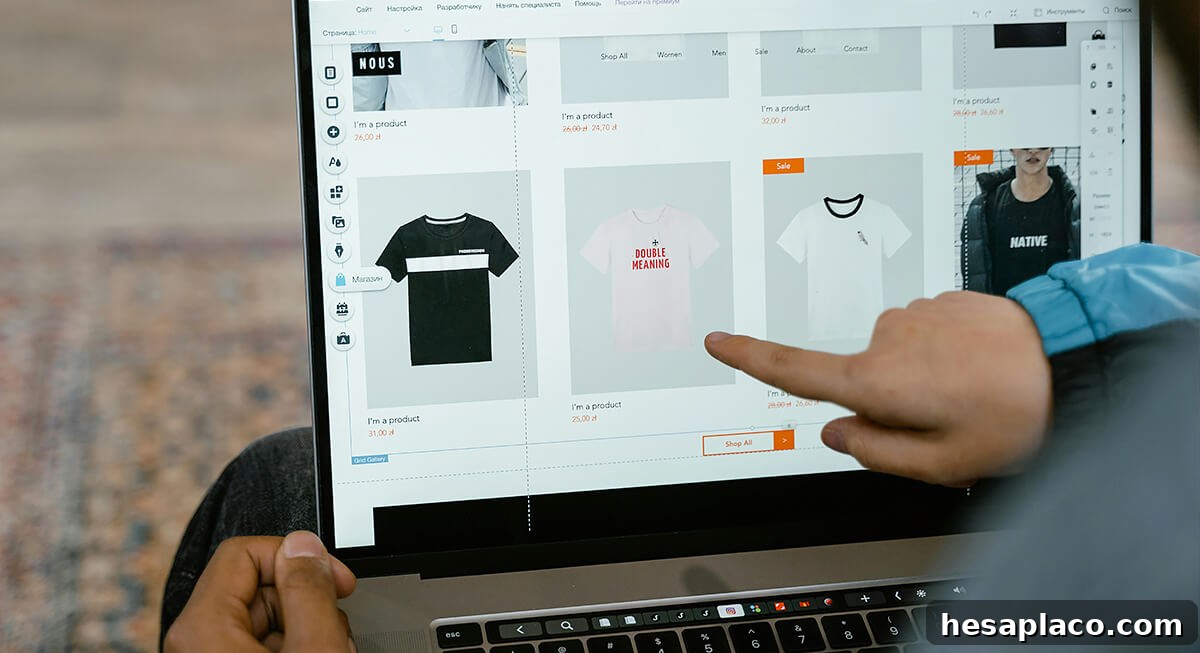
Recommendations stop being useful when they feel forced, irrelevant, or intrusive. Research shows a significant portion of consumers remain skeptical of AI-driven suggestions, and that skepticism is especially problematic for Etsy, where purchases often involve one-of-a-kind gifts, vintage pieces, or bespoke commissions. Buyers frequently want reassurance from the actual shop owner—clarification about materials, sizing, or customization—before committing to a purchase.
Priority on Fast Conversions Can Hurt Loyalty

Credit: Etsy
Legacy systems that emphasize items likely to convert immediately drive short-term sales but can weaken the overall marketplace experience. Buyers seeking handcrafted goods want background information: who made the item, how it was created, and what customization options are available. Providing these details helps build long-term relationships and repeat business, rather than generating isolated transactions that don’t foster loyalty.
Repeat Buyers Need Stronger Reasons to Return

Credit: pexels
Etsy’s active shopper base dipped in recent years, reflecting a broader issue: when the platform feels like a generic product search rather than a marketplace of real creators, shoppers are less likely to come back. When buyers remember a specific seller or a distinct handmade shop, they’re more motivated to return for future purchases. Strengthening those connections is key to reversing declines in active customers.
Seller Stories Make Products Tangible and Trustworthy

Credit: pexels
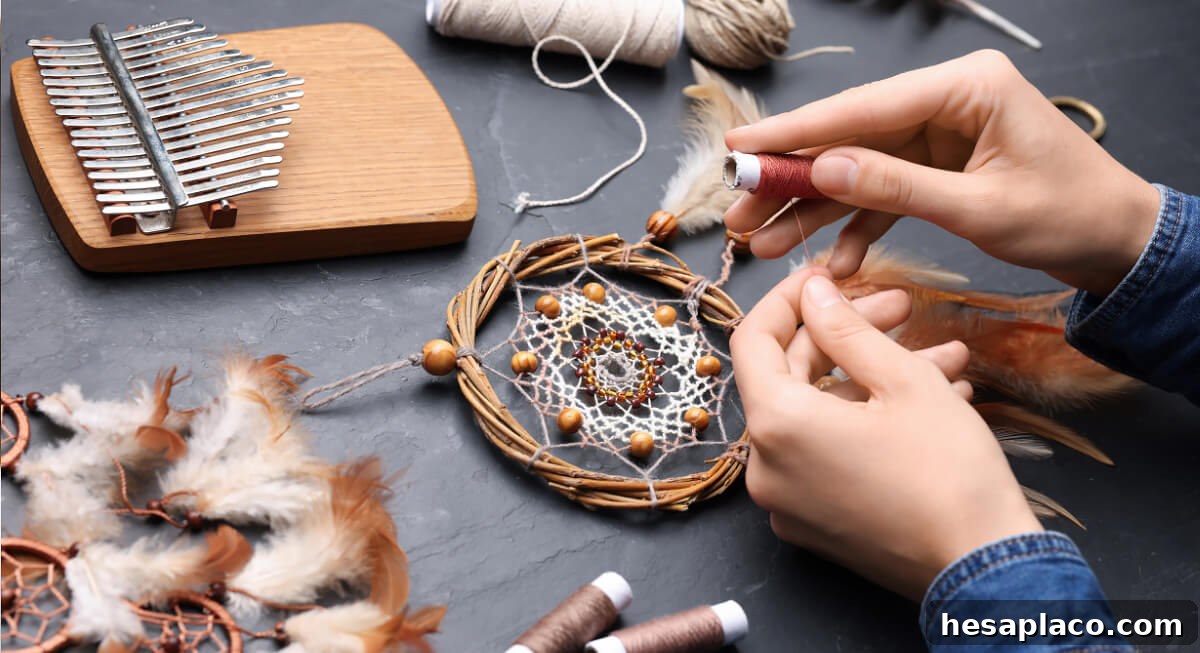
Etsy is increasing its focus on the people behind the products because shoppers form stronger connections when they can see who made an item and how it was crafted. Early experimentation indicates buyers spend more time engaging with listings that include clear seller narratives and visible craftsmanship. Those stories help listings feel authentic and meaningful.
Handmade and Vintage Items Require More Context
Credit: Canva
For many standard retail items, the essentials are price and delivery date. Etsy’s inventory, by contrast, often demands richer descriptions: a handmade quilt represents hours of labor; a vintage coat needs precise measurements; a custom sign depends on collaborative design choices. Including human context—materials, process, and personalization options—helps these listings compete on intrinsic value rather than just speed or price.
Retail’s AI Rush Creates an Opportunity for Differentiation

Credit: Wikimedia Commons
As many retailers race to integrate AI for higher revenues and lower costs, Etsy can differentiate itself by ensuring the platform appears less automated to shoppers. Technology can continue to power search, logistics, and backend efficiency, but the user-facing strategy now emphasizes artisans, craftsmanship, and trust—keeping human stories visible rather than buried behind algorithmic feeds.
Custom Orders Require Genuine Communication

Credit: Getty Images
Many Etsy buyers ask nuanced questions: can a wedding sign be rushed, can a bracelet be resized, or will a vintage jacket fit a particular frame? These inquiries require meaningful back-and-forth with sellers rather than templated chatbot responses. Satisfaction with automated chat support remains limited, and real seller interaction often makes the difference in completing a sale and building trust.
Human Context Makes Price Easier to Justify
Credit: Canva
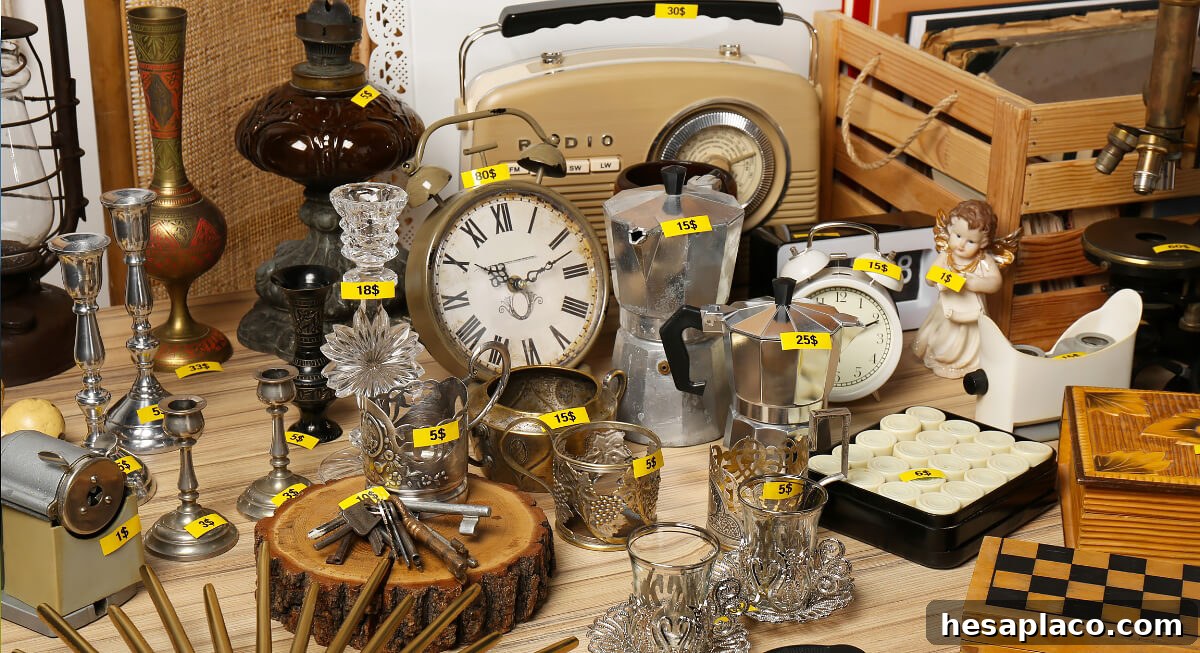
Handmade and vintage goods compete on uniqueness rather than bargain pricing. Buyers are often willing to pay more when they understand the materials, the creation process, or the artisan’s skill. By giving creators room to explain the effort and story behind each listing, Etsy helps shoppers appreciate the value and rationale behind higher price points.
Early Results Support the New Approach

Credit: 89Stocker
The strategy shift is still early, and initial metrics require cautious interpretation. Etsy reported modest revenue growth and a small increase in spending per active buyer, signs that emphasizing human details may be helping engagement. While these figures don’t guarantee a full recovery, they offer encouragement to continue refining this creator-focused approach.
Etsy Retains Craft-Fair Energy
Credit: Wikimedia Commons
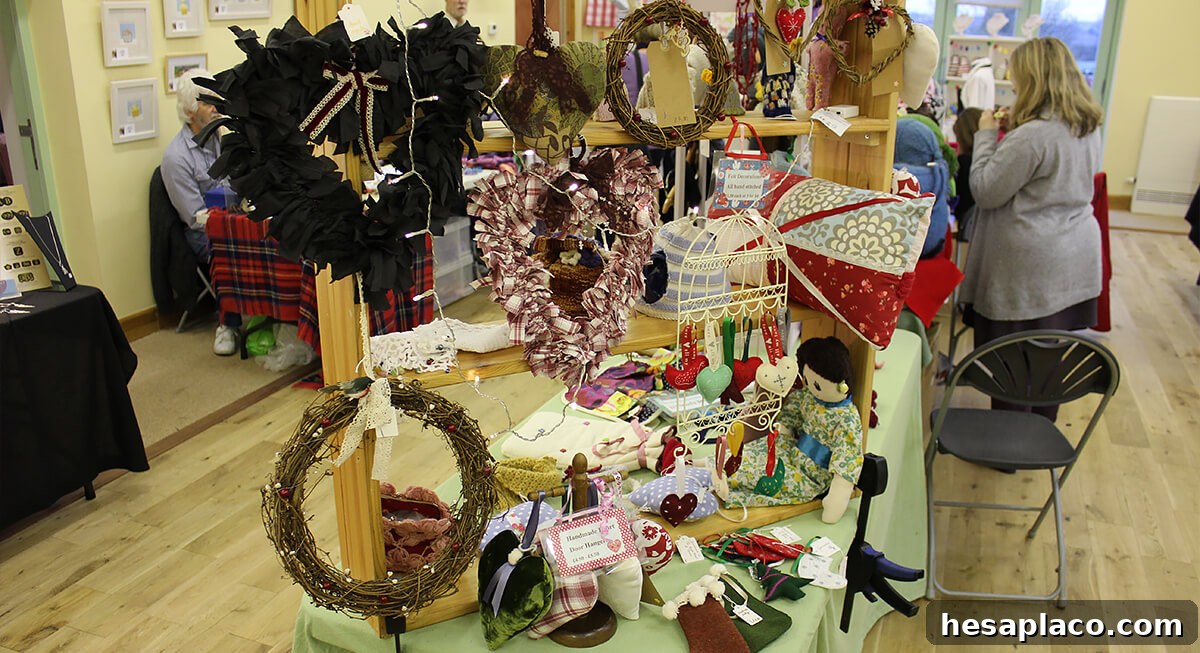
What sets Etsy apart is its resemblance to a weekend craft fair rather than a generic warehouse aisle. Shoppers come to discover unusual items and meet creative sellers. While smooth search, secure payments, and reliable delivery remain essential, Etsy’s best bet is to let technology operate behind the scenes while keeping artisans and their stories visible enough to inspire trust and long-term loyalty.