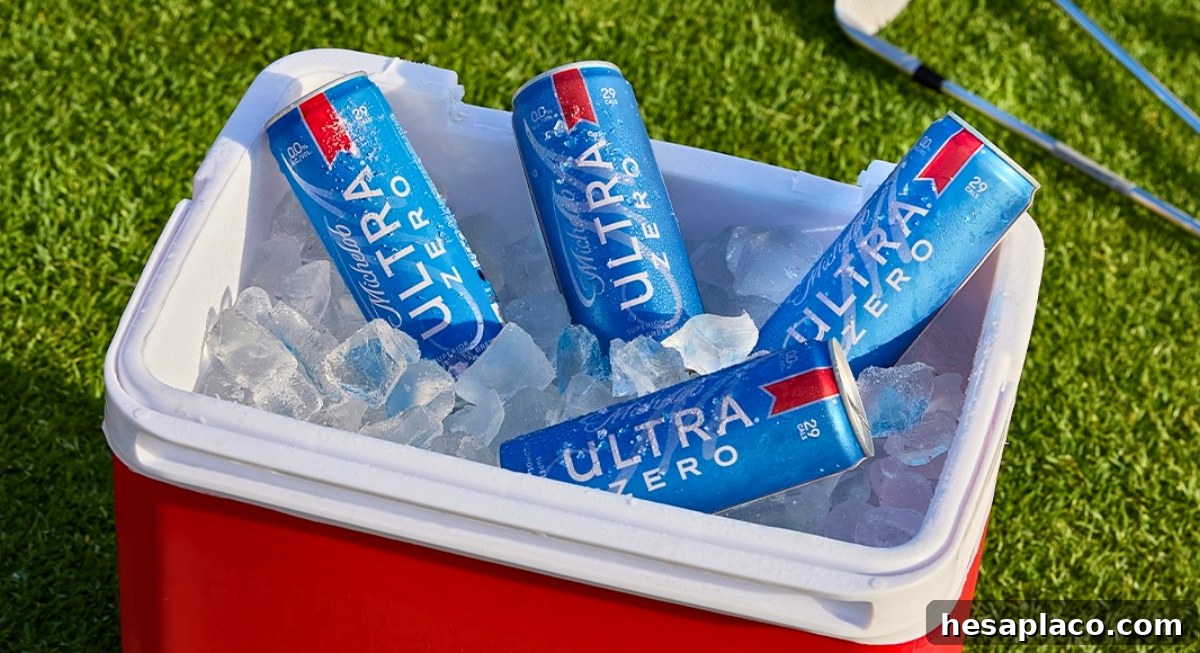
When a zero-alcohol beer rises to the top of its category within a year, it usually reflects more than early curiosity. In Michelob Ultra Zero’s case, the product benefitted from an established national presence and a clear identity tied to low-calorie, active-lifestyle drinking—traits that transferred naturally to the non-alcoholic version.
Launched as demand for alcohol-free options was increasing, Michelob Ultra Zero entered a market primed for growth. It had broad distribution, consistent branding, and a customer base that already trusted the Michelob Ultra name. Those advantages made rapid scaling easier and helped the product gain traction quickly.
The Parent Brand’s Gravitational Pull
Credit: Getty Images
Michelob Ultra was already a leading beer in the U.S. when Ultra Zero launched, and that recognition influenced buying decisions at the shelf—especially in a category where many products can feel unfamiliar. Ultra Zero benefited from existing brand trust, so shoppers didn’t have to evaluate an entirely new name. This reduced hesitation, increased the likelihood of trial, and accelerated early adoption for the non-alcoholic offering.
A Category Ready to Expand
Credit: pexels
The non-alcoholic beer segment was already on an upward trajectory before Ultra Zero arrived. Industry projections, including estimates shared by Anheuser-Busch executives, pointed to substantial category growth over the coming years. Rising consumer interest encouraged wider retail placement, creating conditions in which a well-positioned product could scale rapidly.
Anheuser-Busch’s Scale and Support
Credit: Wikimedia Commons
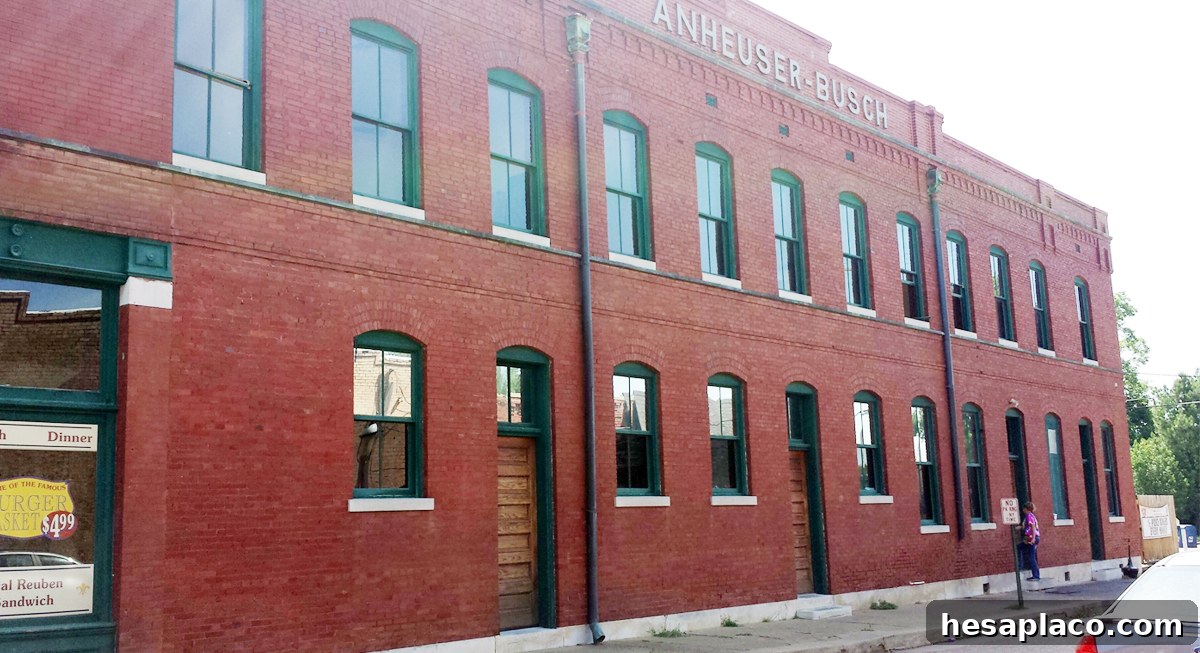
Anheuser-Busch’s ability to prioritize a category and move quickly gave Ultra Zero a major advantage. The company’s scale translated into effective distribution, marketing support, and favorable retail placement—all of which helped the product gain visibility and convert interest into sales.
Broad Reach from High-Profile Advertising
Credit: Wikimedia Commons
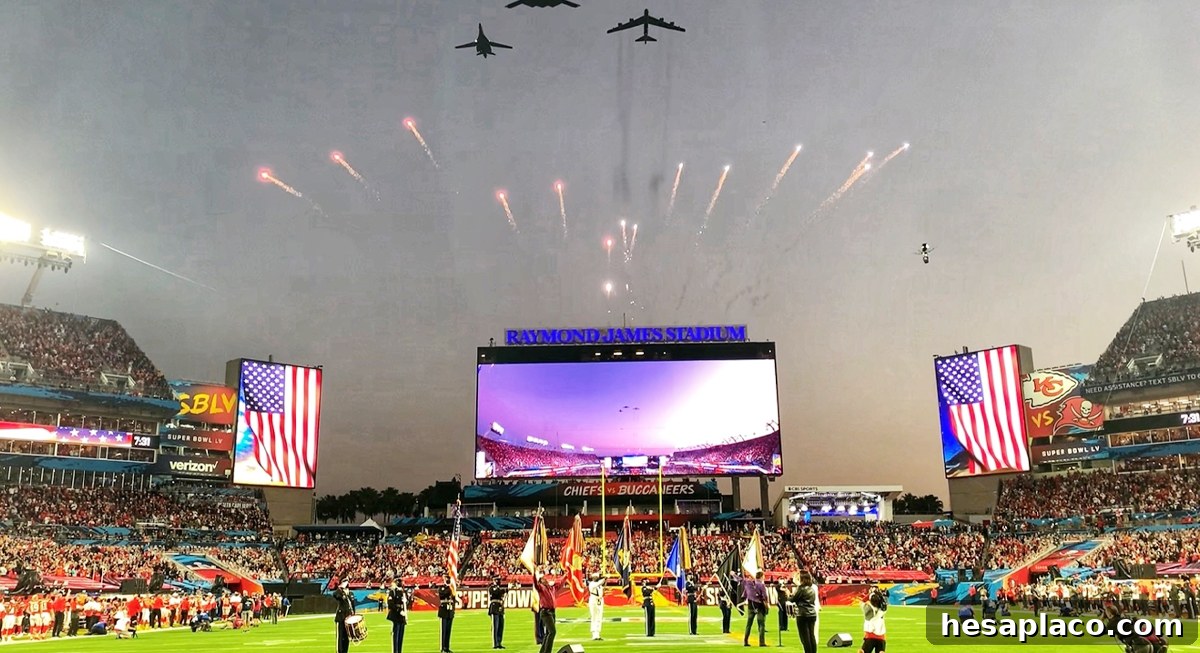
Michelob Ultra secured Super Bowl ad slots in consecutive years, a level of mainstream exposure that significantly elevated awareness for Ultra Zero. The Super Bowl reaches massive audiences, and two years of national placement helped introduce the non-alcoholic offering to a broad and diverse group of consumers—an important boost for a product aiming to establish itself quickly.
Built-In Active-Lifestyle Positioning
Credit: pexels
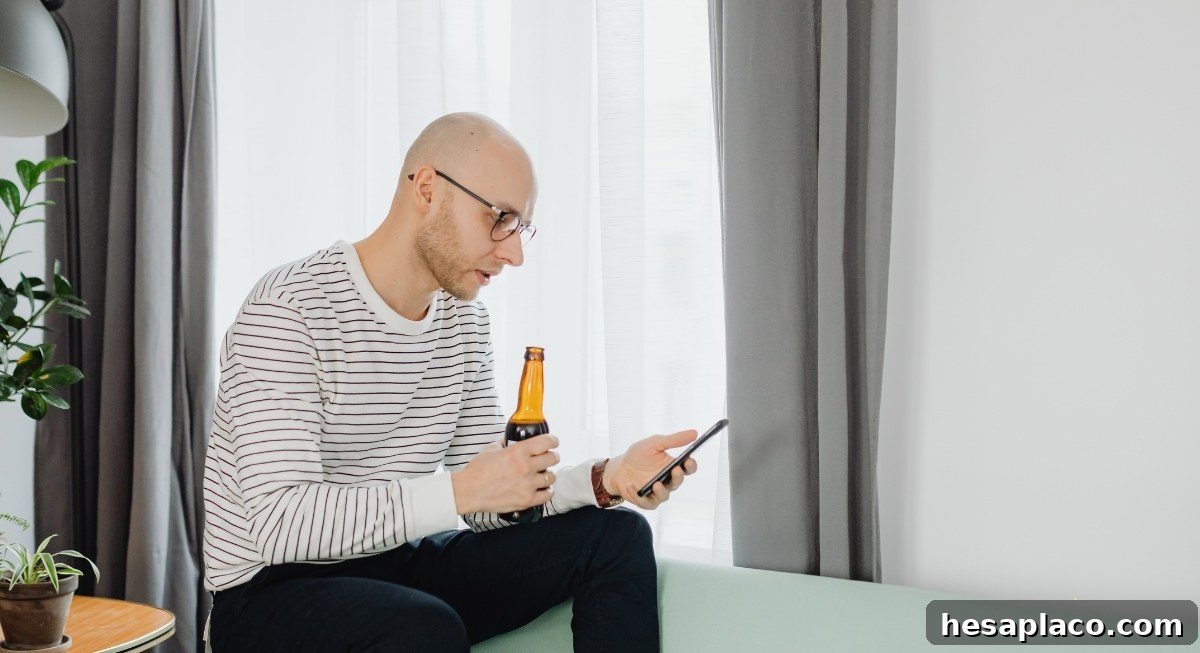
Michelob Ultra had already cultivated an identity centered on active living and low-calorie choices. Ultra Zero fit comfortably within that positioning, requiring minimal repositioning or consumer re-education. That continuity made it easier for existing brand fans to adopt the non-alcoholic option and for the brand to present Ultra Zero as a credible choice in the NA space.
Attracting New Consumers to the Category
Credit: Canva
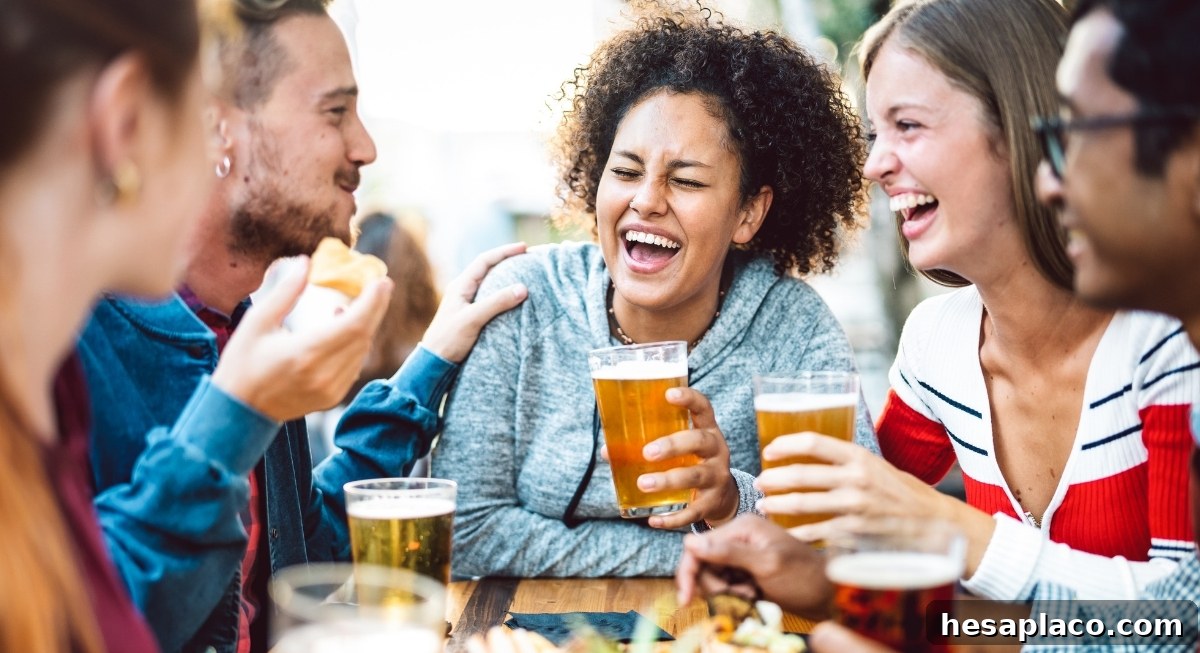
Research showed that a large share of non-alcoholic beverage drinkers during this period were new to the category. Ultra Zero didn’t simply pull customers away from other NA beers; it drew entirely new drinkers into the segment. That dynamic matters because it frames Ultra Zero’s early success as market expansion rather than mere redistribution of existing demand.
Complementary Growth for the Core Brand

Credit: Getty Images
A common worry when brands add non-alcoholic extensions is that they will cannibalize sales of the original product. In Michelob Ultra’s case, the core brand grew during the same period Ultra Zero rose in the NA rankings, despite an overall decline in the broader beer market. That suggests the brand’s lifestyle positioning is broad enough to serve consumers across different drinking preferences.
Strategic Control of Retail Shelf Space
Credit: Canva
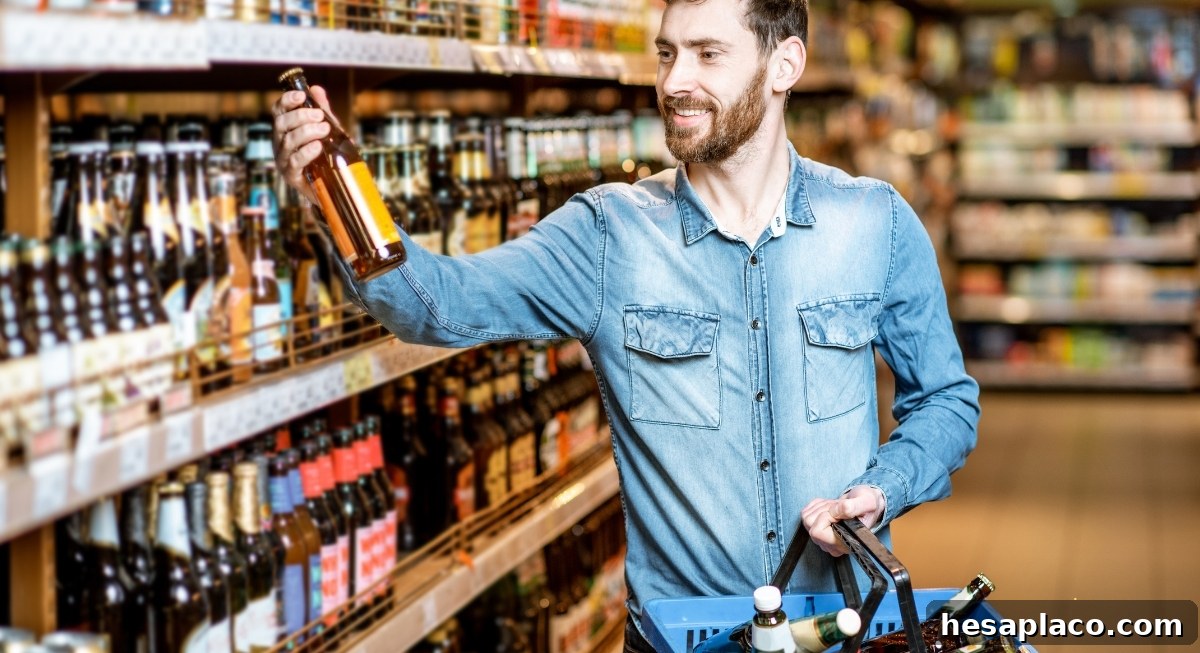
Anheuser-Busch’s multiple offerings in the non-alcoholic category—including other NA labels from the company—create leverage in retail placement. Having several recognizable products on the shelf can reinforce visibility and normalize the presence of the brand family, helping Ultra Zero maintain prominent positioning among competitors.
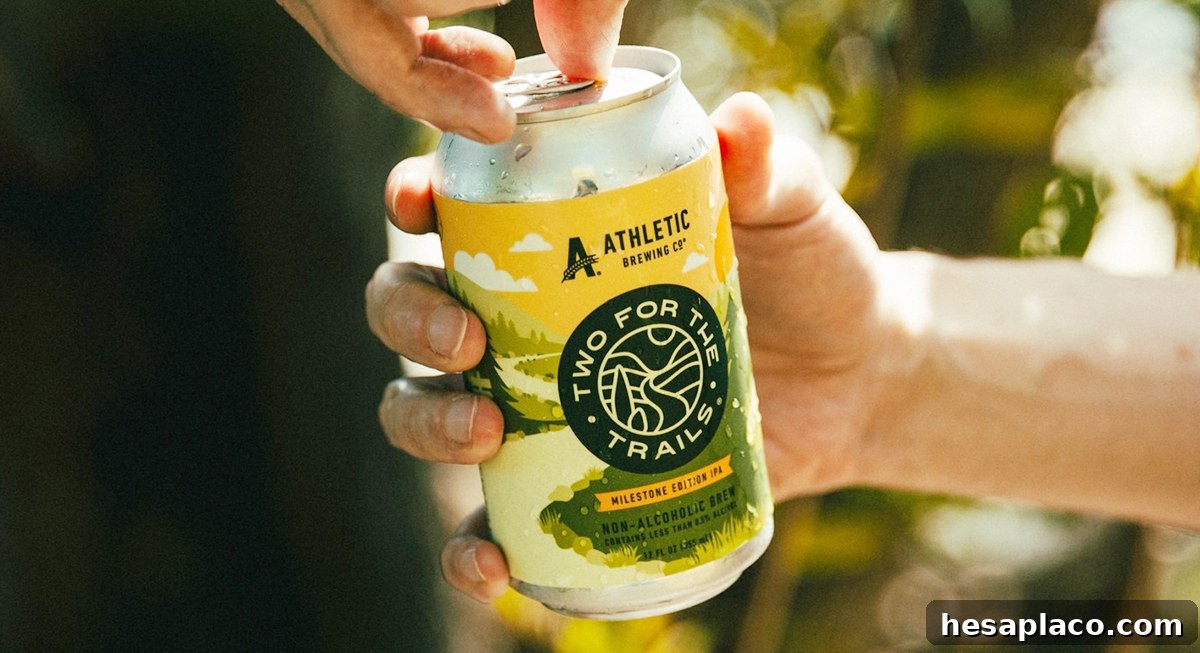
Competition and Product Expansion
Credit: Instagram
Though established non-alcoholic brands were already present in the market, Ultra Zero quickly carved out a place of its own. After leading the NA segment by volume, the brand expanded its lineup with new flavors, signaling continued investment rather than settling for a single offering. As competitors adapt, Ultra Zero’s rapid ascent highlights how a strong parent brand, broad distribution, high-profile marketing, and category momentum can combine to accelerate adoption of a new non-alcoholic beer.