Sun Pharma’s $11.75 billion acquisition of Organon was far more than a routine industry transaction. Beyond the headline figure, the deal signaled global expansion, entry into new therapeutic areas, family succession dynamics, and an Indian company executing a strategy more commonly associated with large Western pharmaceutical giants. It also stood out because Dilip Shanghvi, known for his cautious approach, rarely pursues bold, headline-grabbing moves. Below is a clear look at the elements that made this acquisition noteworthy.
India’s Largest Overseas Pharma Deal

Credit: Canva
The acquisition, an all-cash transaction valued at $11.75 billion including debt, immediately became the largest overseas pharmaceutical purchase by an Indian drugmaker. Sun Pharma’s stock rose sharply after the announcement, adding billions to the company’s market value in a matter of hours. The scale of the investment drew attention both in India and across global markets.
Dilip Shanghvi Took an Unusual Leap
Credit: GQ India
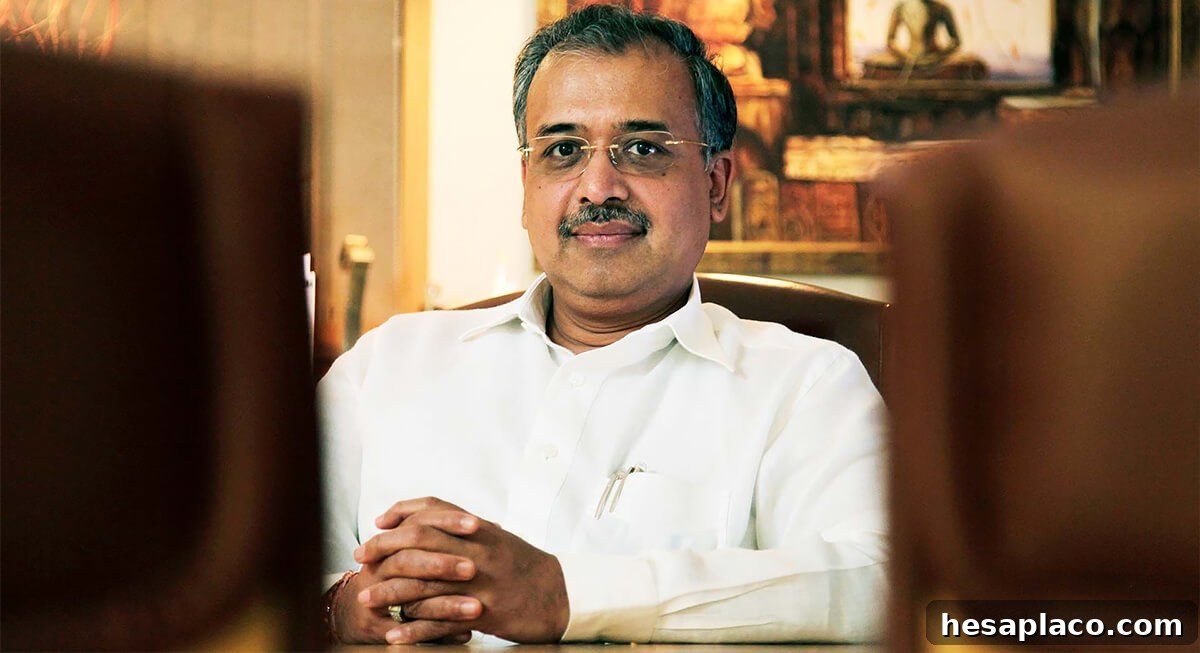
Part of the fascination with the deal comes from the personality behind Sun Pharma. Founder Dilip Shanghvi built the company on prudence and fiscal discipline, cultivating a reputation for low-key leadership and measured decision-making. Approving the largest acquisition of his career at age 70 marked a notable departure from that reputation. Shanghvi himself acknowledged feeling “a little bit anxious” about the scale and implications of the purchase.
Organon Brings Global Reach Sun Pharma Lacked

Credit: Instagram
Sun Pharma already operated internationally, but the acquisition transformed its global footprint overnight. The combined business will operate in roughly 150 countries and maintain 18 major markets each generating more than $100 million in annual revenue. Among the most significant additions is China, where Organon contributes more than $800 million in annual sales—strengthening Sun Pharma’s presence in a key growth market.
The Deal Nearly Doubles Revenue
Credit: Outlook Business
Prior to the deal, Sun Pharma’s annual revenue hovered around $6 billion. Organon adds roughly $6.2 billion in revenue, taking combined sales to an estimated $12.4 billion. That scale moves Sun Pharma into the top 25 global pharmaceutical companies by revenue and significantly broadens its commercial network worldwide, with increased scale across established and emerging markets.
Women’s Health Becomes a Strategic Priority

Credit: Getty Images
Organon brings a substantial women’s health portfolio, including fertility treatments and contraceptives such as Nexplanon. This business was already a meaningful revenue driver for Organon and now elevates Sun Pharma’s position within women’s healthcare globally. Analysts expect Sun Pharma to rank among the top three companies worldwide in this therapeutic segment following the integration.
Immediate Entry into Biosimilars
Credit: pixabay
Biosimilars are a fast-growing, long-term opportunity for the pharmaceutical industry as patents on expensive biologic drugs expire. Sun Pharma had been cautious about entering this area due to regulatory uncertainties around substitution and interchangeability. Acquiring Organon immediately positions Sun Pharma in the biosimilars race, giving it capabilities and products that would have taken years to build internally.
From a Humble Start to a Global Deal
Credit: CNBC TV18
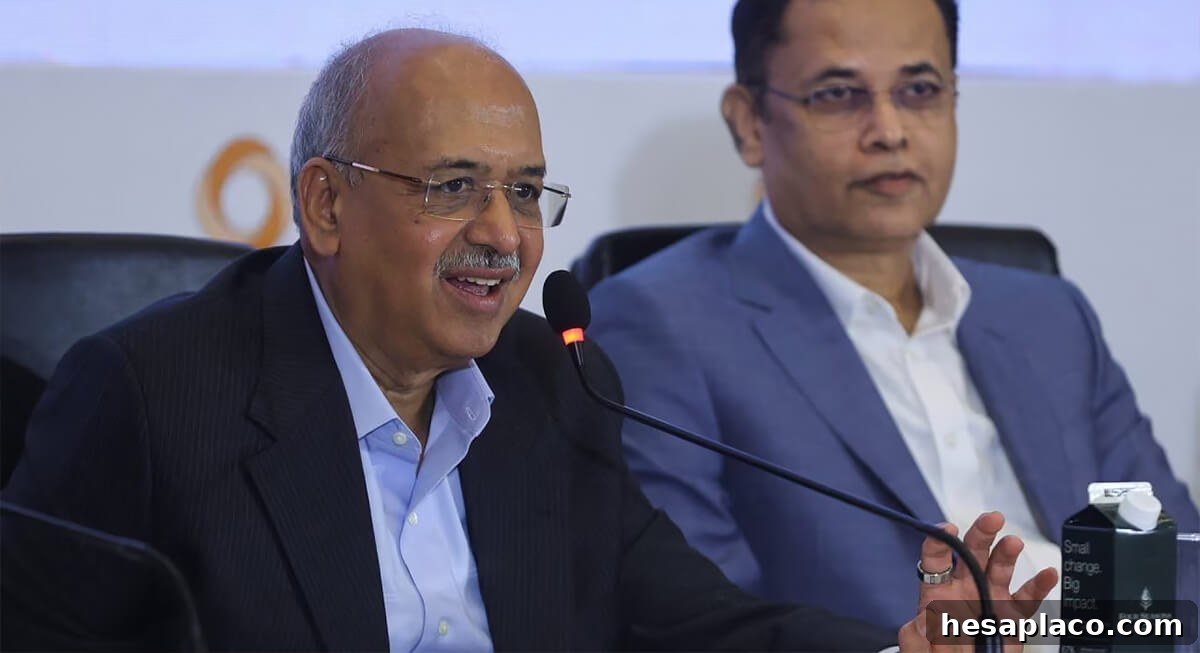
The contrast with Sun Pharma’s origins is stark. In 1983, Dilip Shanghvi borrowed about Rs 10,000 from his father to start a small pharmaceutical venture in Gujarat that launched with five psychiatric products and a single salesman. Four decades later, that enterprise agreed to acquire a U.S.-based healthcare company valued at nearly $12 billion, illustrating the dramatic evolution of the business.
Organon’s Merck Roots and Manufacturing Footprint
Credit: Wikipedia
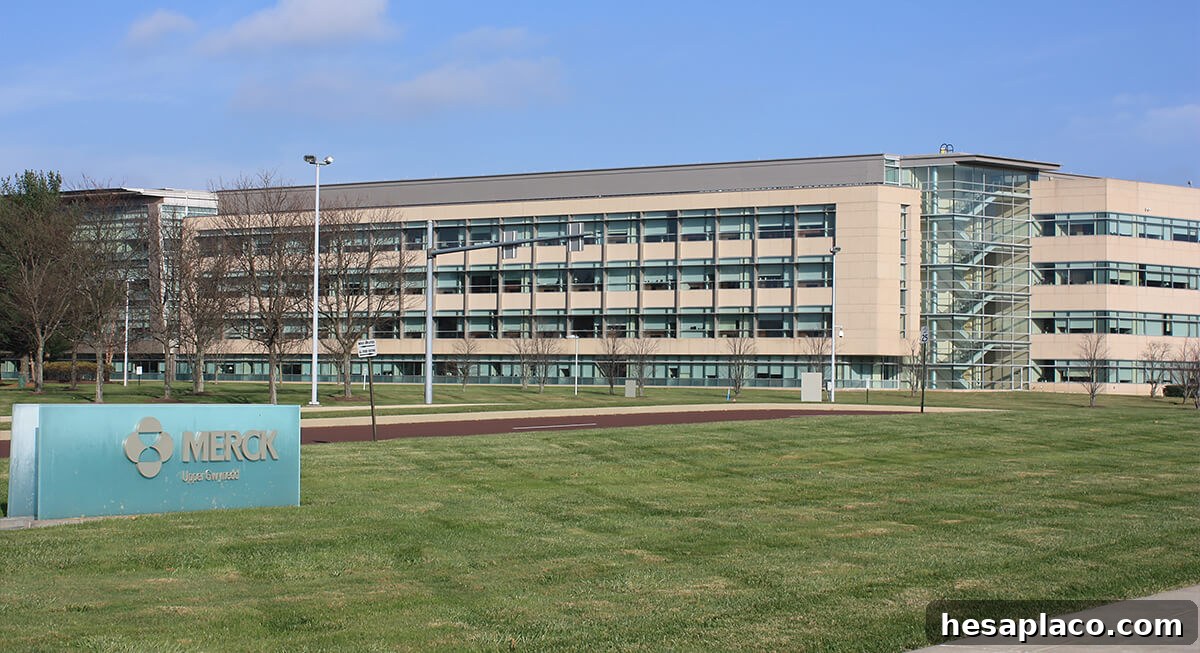
Organon was established in 2021 after being spun off from Merck & Co. (known as MSD outside the United States and Canada). Before the sale to Sun Pharma, Organon was active in roughly 140 countries and brought a network of manufacturing facilities across Europe and several emerging markets—assets that strengthen Sun Pharma’s global manufacturing and supply capabilities.
Debt Becomes a New Consideration
Credit: Bloomberg
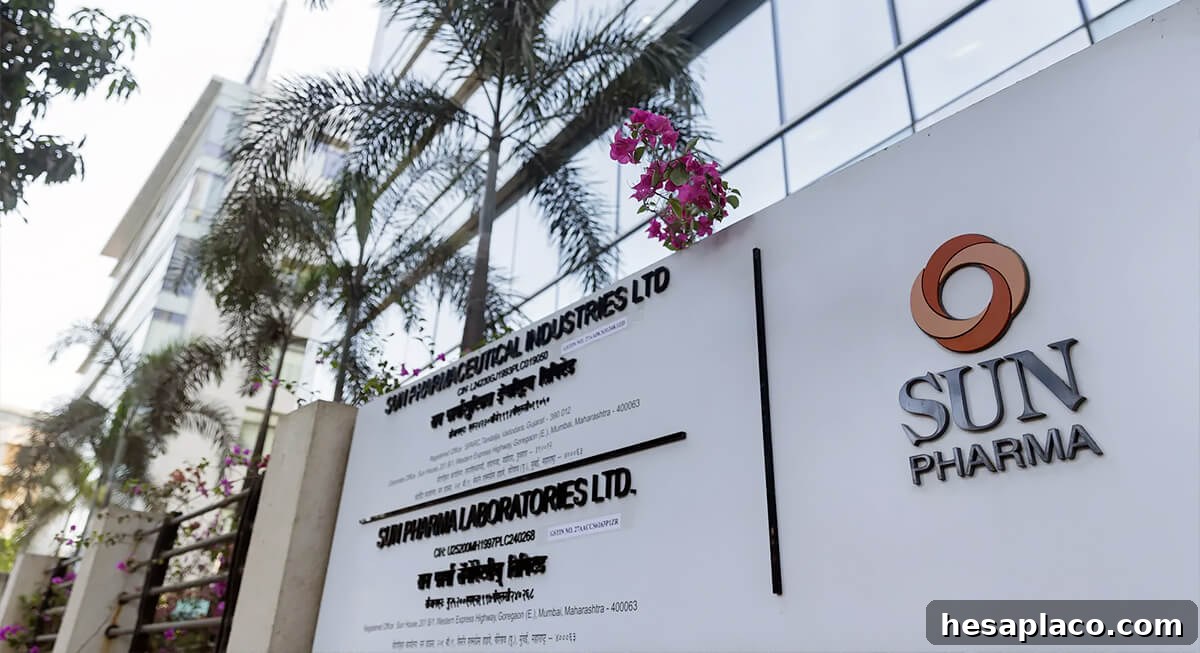
Sun Pharma has historically been conservative about leverage. The Organon purchase changed that dynamic because Organon carried approximately $8.6 billion of debt. Post-acquisition, the combined company’s leverage is expected to rise to about 2.3 times EBITDA. Shanghvi acknowledged his unease with the increased debt load during investor discussions, reflecting a deliberate trade-off between rapid scale and higher leverage.
A Signal of Leadership Transition
Credit: Instagram
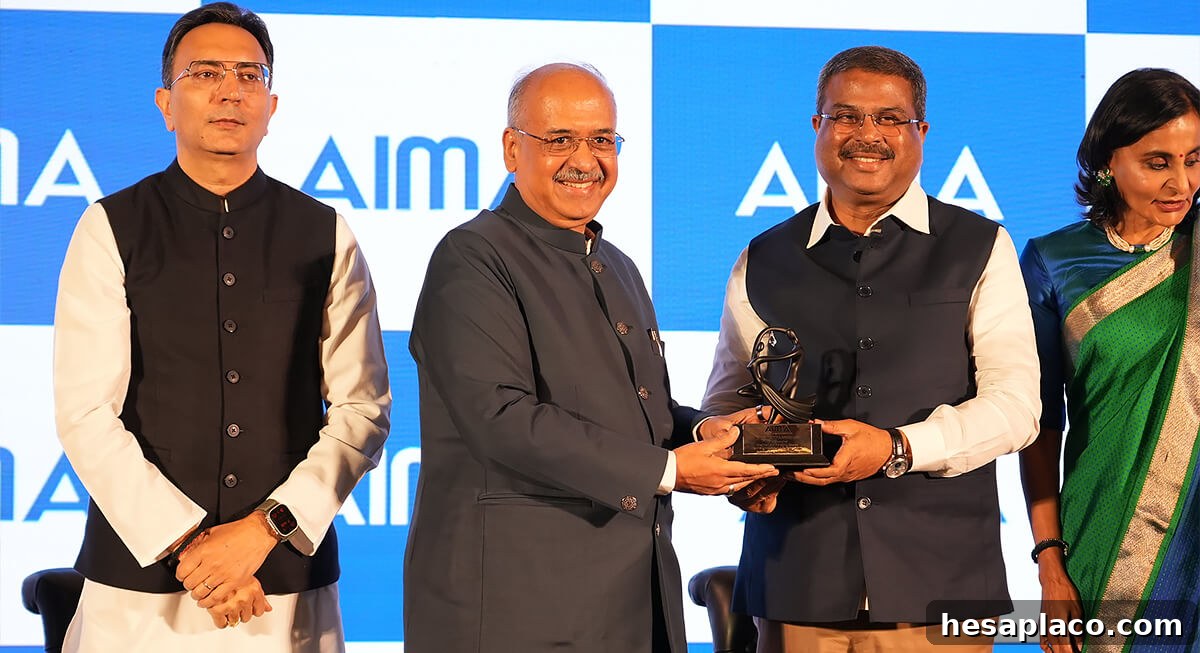
Observers view the acquisition as part of a broader transition toward the next generation of leadership. Shanghvi’s son, Aalok, already manages emerging markets, while his daughter, Vidhi, is involved in the consumer healthcare division. Other senior executives who will play key roles in integration have become more visible publicly. The transaction reduces the perception that every major strategic choice must come directly from the founder, indicating a more distributed leadership model going forward.