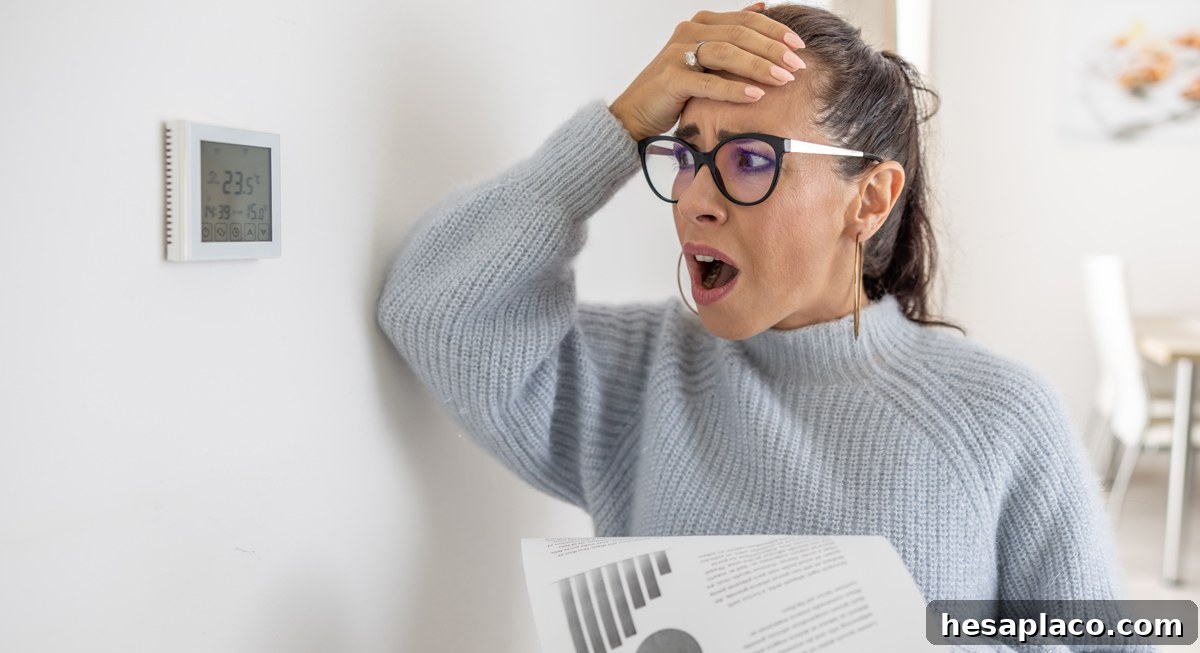
Are you puzzled by an unusually high electricity bill? Hidden around your home may be several energy-hungry appliances quietly driving costs up. Below is a clear, user-friendly guide to 15 common devices that can significantly increase household energy use, along with practical tips to lower consumption and save money.
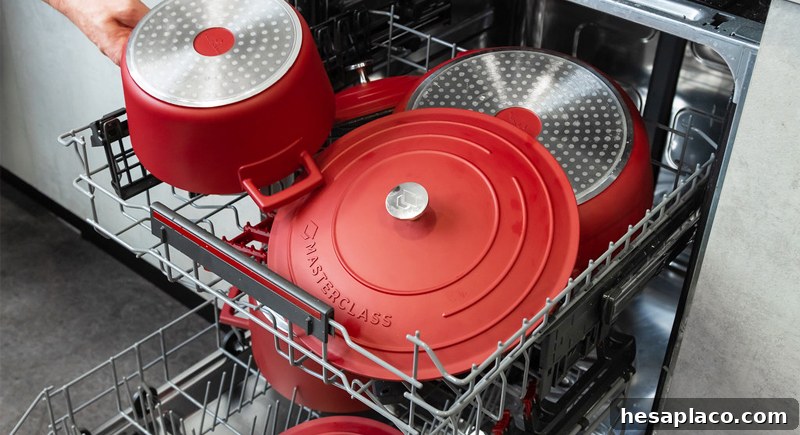
The Dishwasher
Credit: flickr
Running a dishwasher typically consumes up to about 1.8 kilowatt-hours per cycle, depending on the model and the program. To reduce energy use, run full loads, use economy settings or air-dry options, and consider washing by hand when load sizes are small.
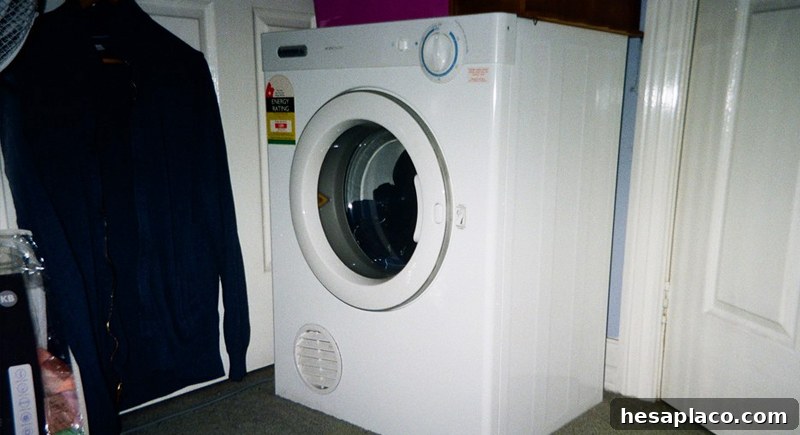
The Clothes Dryer
Credit: flickr
Clothes dryers are among the highest-energy household appliances, often using around 2.5 kilowatt-hours per cycle. To save energy, try line-drying when weather permits, clean the lint filter regularly, and use moisture-sensing dryer settings or lower heat cycles.
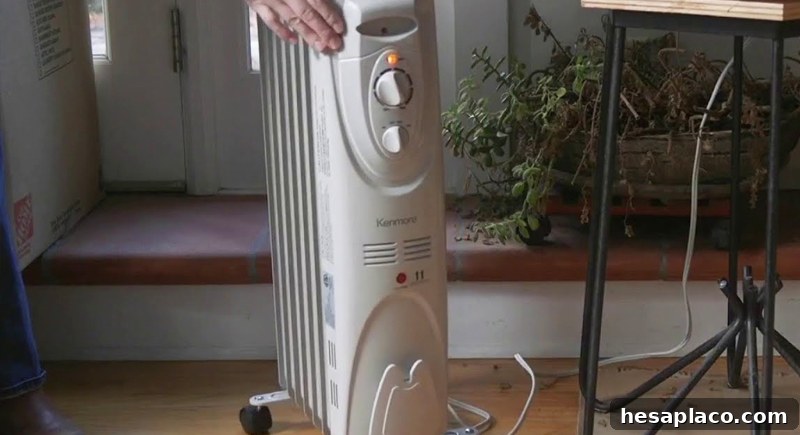
Portable Heaters
Credit: Youtube
Portable electric heaters can draw roughly 1.5 kilowatt-hours per hour when running at full power. They’re convenient for spot heating, but wearing an extra layer, sealing drafts, or using programmable thermostats can often keep rooms comfortable with less electricity.
Air Conditioning Units
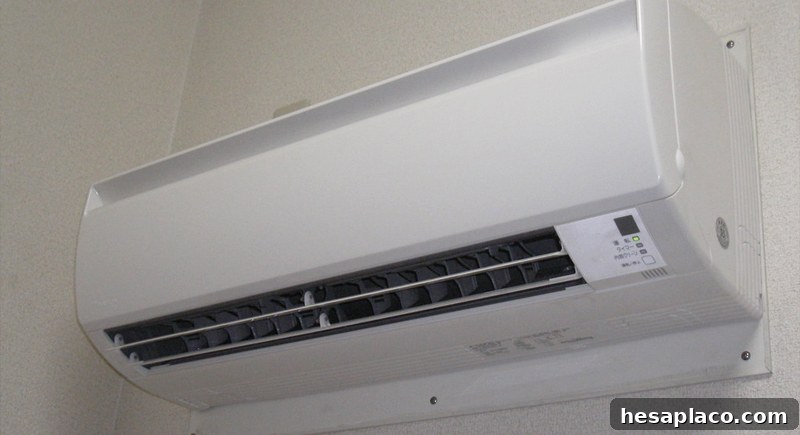
Credit: flickr
Central or window air conditioning units can use around 2 kilowatt-hours per hour depending on efficiency, size, and outdoor conditions. Increase efficiency by raising the thermostat slightly, using ceiling fans to circulate air, maintaining filters, and shading windows.
The Plasma TV

Credit: flickr
Older plasma TVs can consume about 0.4 kilowatt-hours per hour or more. To lower usage, reduce screen brightness, enable power-saving modes, or consider upgrading to a modern, more energy-efficient display such as LED or OLED.
The Hot Tub
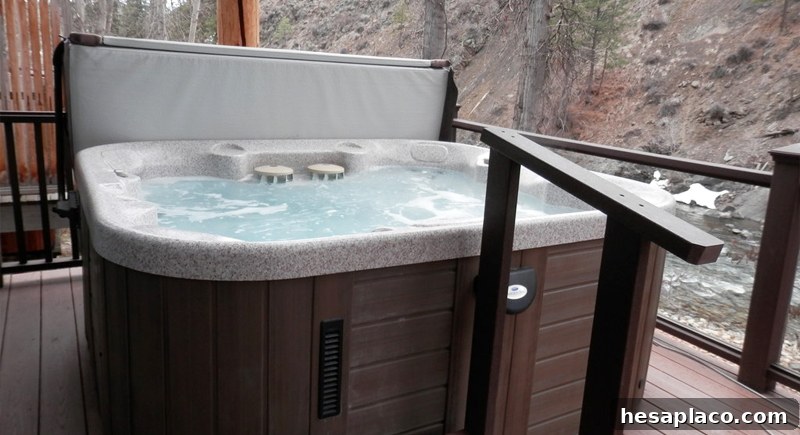
Credit: flickr
Hot tubs can be energy-intensive, commonly using around 7.5 kilowatt-hours per use when heating and circulating water. Reduce costs by lowering the temperature, using an insulated cover, shortening soak times, and scheduling usage during off-peak hours.
Water Heater
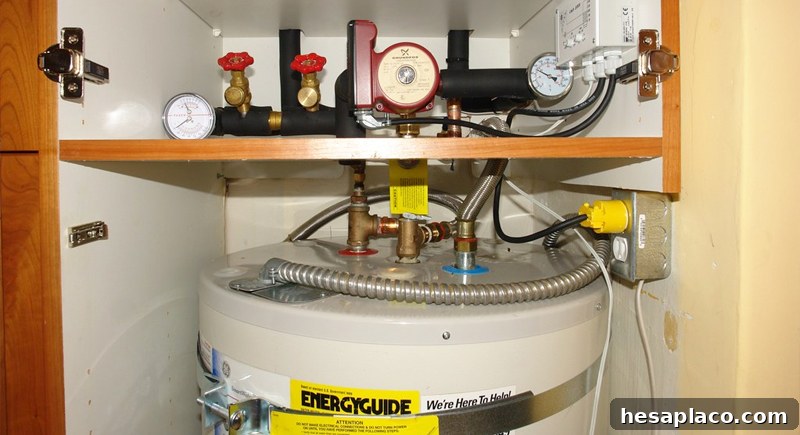
Credit: flickr
Water heaters are one of the larger routine energy consumers in a household, with annual use that can reach around 4,500 kilowatt-hours depending on system type and household habits. Save energy by lowering the thermostat, insulating the tank and pipes, fixing leaks, and taking shorter showers.
The Oven
Credit: flickr
Conventional ovens commonly use between 2 and 4 kilowatt-hours per cooking session. To cut energy use, cook larger batches, use convection settings when appropriate, avoid preheating unnecessarily, and try no-cook or one-pot recipes when possible.
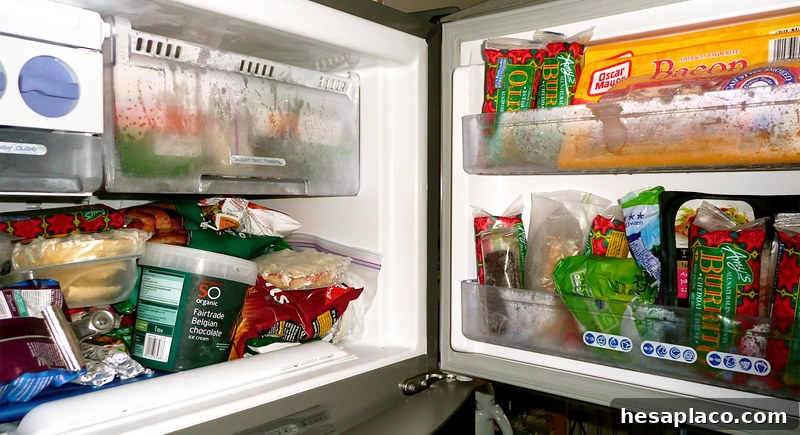
The Freezer
Credit: flickr
Stand-alone freezers often use roughly 300 kilowatt-hours per year, though this varies by age and model. Keep the freezer reasonably full, avoid leaving the door open, defrost when needed, and check door seals for tightness to improve efficiency.
The Gaming Console

Credit: pexels
Modern gaming consoles vary in power draw, but light to moderate play might average around 0.1 kilowatt-hours per hour. Reduce standby power by fully powering off consoles when not in use, enable energy-saving features, and balance gaming time with other hobbies.
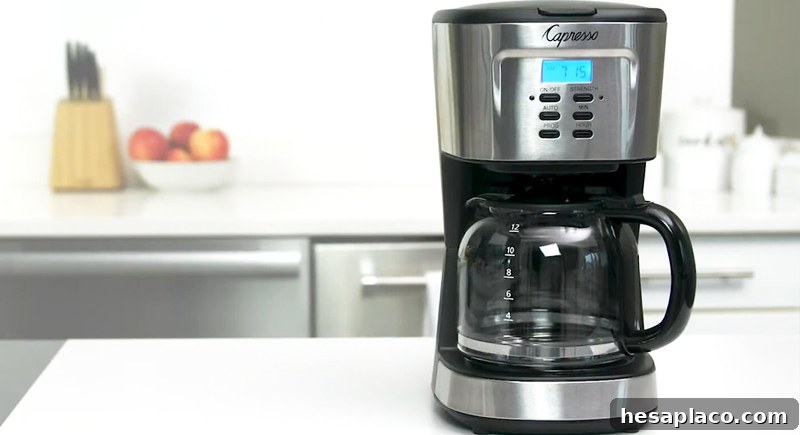
The Coffee Maker
Credit: flickr
Electric drip coffee makers can use roughly 0.3 kilowatt-hours per brew, depending on size and warming plate use. Consider switching to a French press, pour-over, or single-cup manual method and avoid keeping the warming plate on for extended periods.
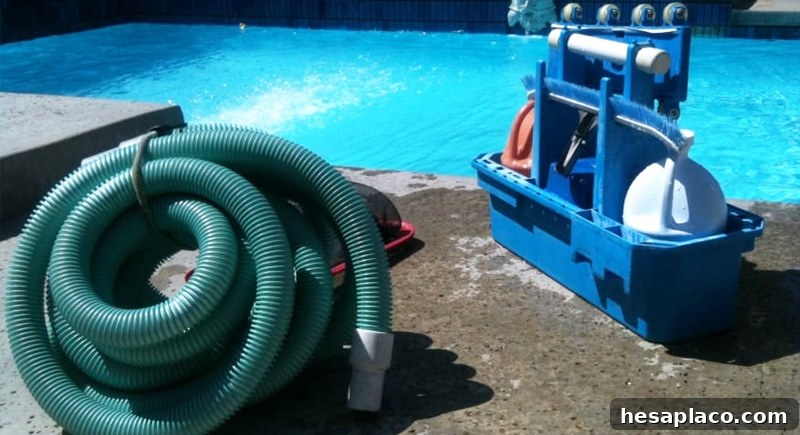
The Pool Pump
Credit: peakpx
Pool pumps can be significant energy consumers, often using around 2,000 kilowatt-hours per year for continuous or extended operation. Improve efficiency with a variable-speed pump, reduce run times, maintain clean filters, and consider running the pump during lower-rate periods.
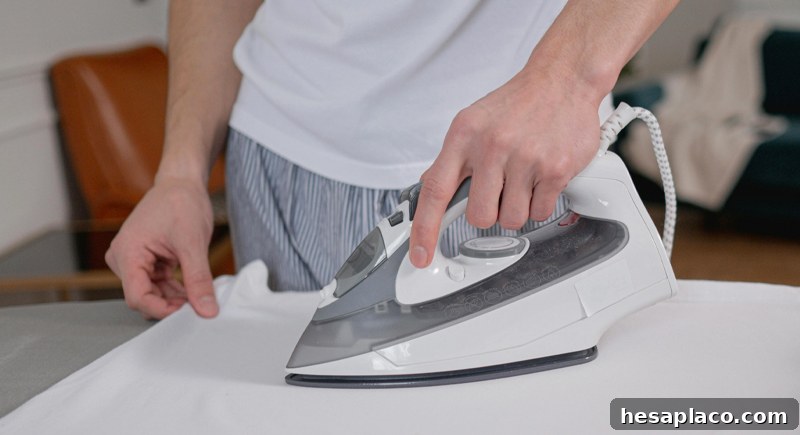
The Iron
Credit: pexels
Clothes irons typically use around 1.1 kilowatt-hours per hour of use. Save energy by ironing multiple garments in one session, using steam settings efficiently, or embracing wrinkle-resistant fabrics and more casual clothing when appropriate.
Hair Styling Tools
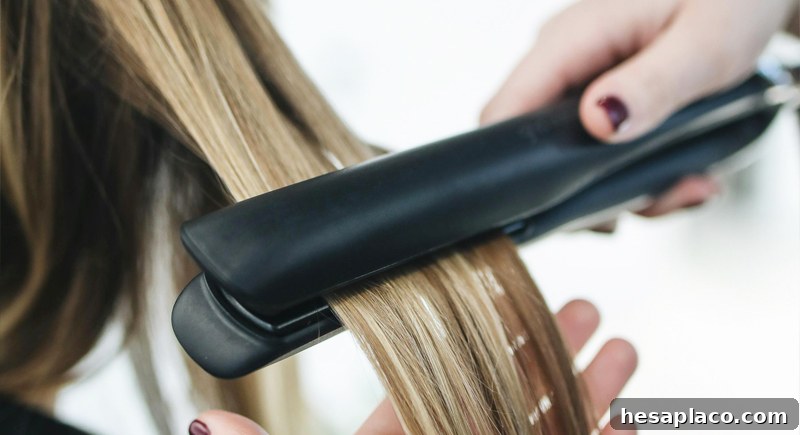
Credit: pexels
Hair straighteners, curling irons, and similar styling tools can consume about 0.5 kilowatt-hours per session. Reduce energy use by limiting styling frequency, using lower heat settings that still achieve the desired result, and unplugging tools when finished.
The Microwave
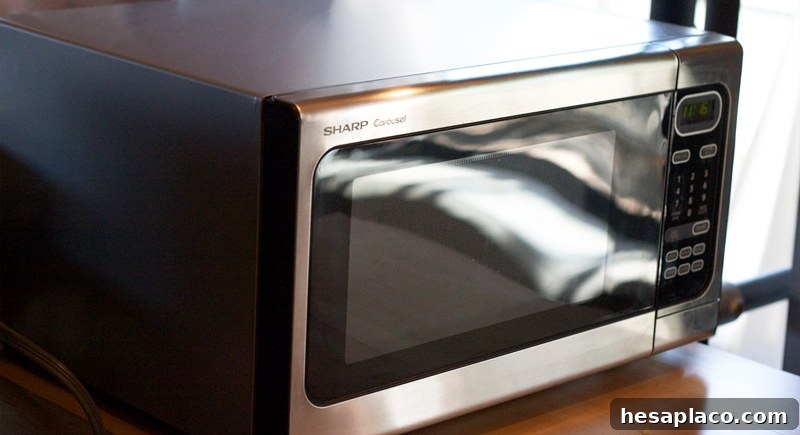
Credit: flickr
Microwaves are a relatively efficient option for quick meals, averaging about 0.12 kilowatt-hours per use. Use microwave-safe lids to reduce cooking time, match container size to food quantity, and consider batch cooking with energy-efficient methods when possible.
Electric Blankets
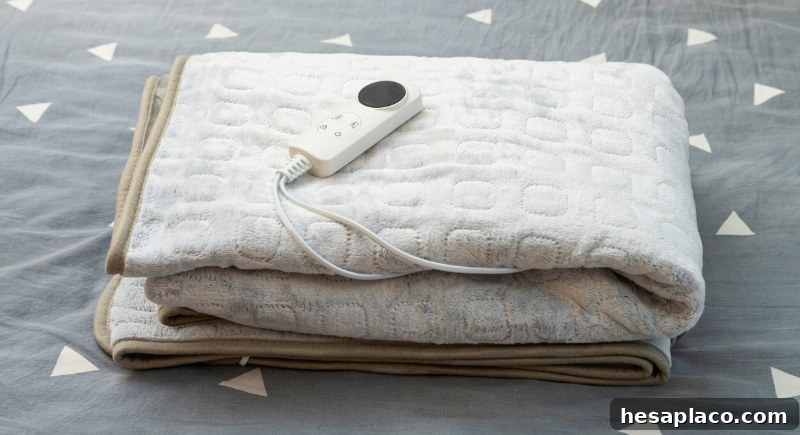
Credit: iStockphoto
Electric blankets draw around 0.1 to 0.2 kilowatt-hours per hour, which can add up if used every night. To conserve, lower the thermostat a few degrees and layer with additional non-electric blankets or use timed settings rather than continuous operation.
Dehumidifiers
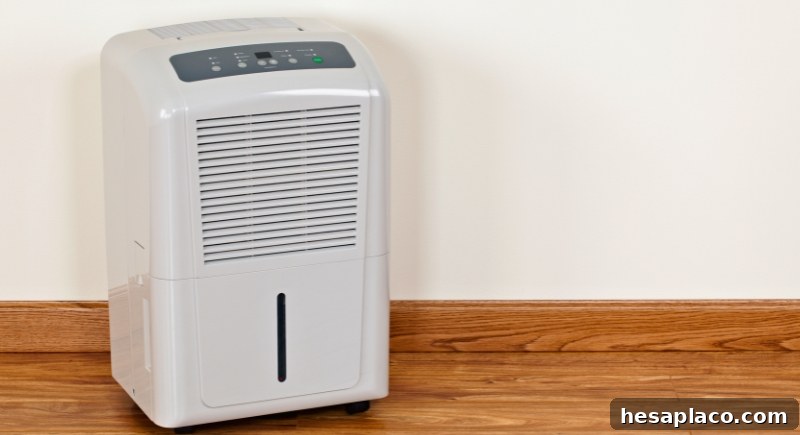
Credit: Getty Images
Dehumidifiers may use up to about 0.5 kilowatt-hours per hour depending on capacity and humidity levels. To reduce run time, improve natural ventilation, use exhaust fans where appropriate, or place moisture-absorbing houseplants in damp areas.
Understanding which appliances consume the most electricity helps you make informed choices and small changes that add up. From adjusting habits to upgrading to more efficient models, there are practical steps you can take to lower energy use and keep your utility bills under control.