
Creating a productive workspace involves more than choosing the right equipment; it also requires removing or avoiding elements that undermine focus and efficiency. Below are 15 things you typically won’t find in a well-designed, productivity-focused workspace, along with practical explanations for why they’re excluded and what replaces them.
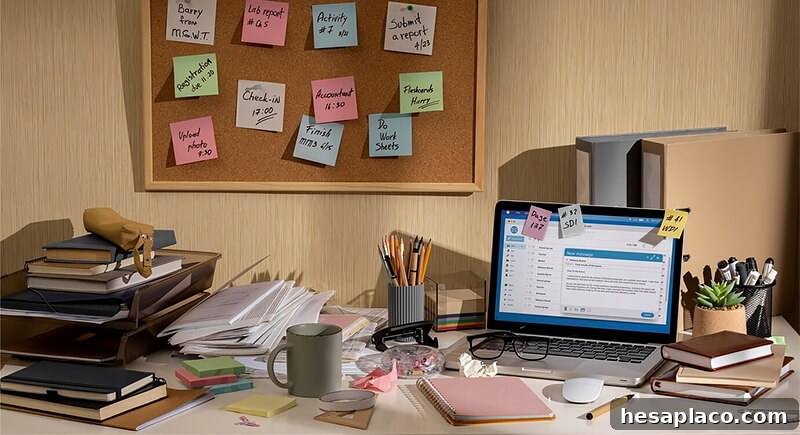
Clutter
Credit: freepik
Tidy, organized workspaces minimize visual distractions and speed up task execution. Every item has a designated place—drawers, labeled containers, or a digital equivalent—so you spend less time searching and more time working.
Loud Noises

Credit: freepik
Persistent loud sounds break concentration and raise stress. Productive environments reduce interruptions through soundproofing, quiet zones, or tools like noise-canceling headphones to create a steady, focused atmosphere.
Uncomfortable Furniture

Credit: freepik
Non-ergonomic chairs and desks cause physical strain that reduces productivity over time. Supportive seating, properly positioned monitors, and adjustable desks help maintain comfort and focus throughout the day.
Distracting Colors

Credit: freepik
Overly bright or clashing colors can increase visual stress and distract from work. Productive workspaces favor neutral or calming tones—soft grays, muted blues, and natural accents—that promote concentration and reduce fatigue.
Poor Lighting

Credit: freepik
Insufficient or harsh lighting causes eye strain and reduces alertness. A balanced mix of natural daylight and adjustable, soft artificial lighting keeps energy levels steady and helps maintain visual comfort.
Unnecessary Gadgets

Credit: iStockphoto
While technology is essential, surplus devices and novelty gadgets can become distractions. Productive setups include only tools that directly support tasks—fast computers, reliable peripherals, and streamlined apps—avoiding toys that fragment attention.
Personal Social Media

Credit: freepik
Open access to personal social media often leads to lengthy, unproductive breaks. Productive environments limit access during work periods or use focused apps and browser profiles so online activity stays aligned with work priorities.
A Multitude of Sticky Notes

Credit: freepik
Scattered sticky notes create visual noise and can hide important information. Organized systems—digital task managers, a single prioritized to-do list, or a neatly arranged planner—are preferred for tracking tasks and ideas.
Unhealthy Snacks

Credit: freepik
High-sugar and greasy snacks cause energy spikes followed by crashes. Productive workspaces favor nourishing options—nuts, fruit, yogurt, and water—that sustain energy and mental clarity without disrupting focus.
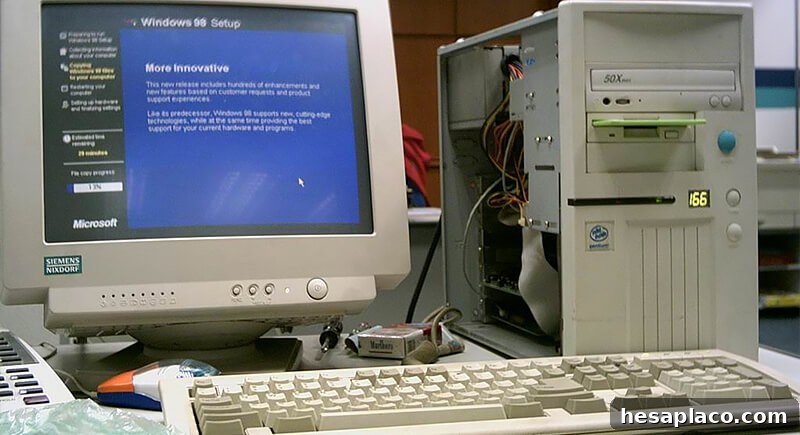
Inefficient Tools
Credit: flickr
Slow or outdated equipment disrupts workflow and wastes time. Modern, well-maintained hardware and software that match task demands are standard in efficient workspaces to keep processes smooth and predictable.
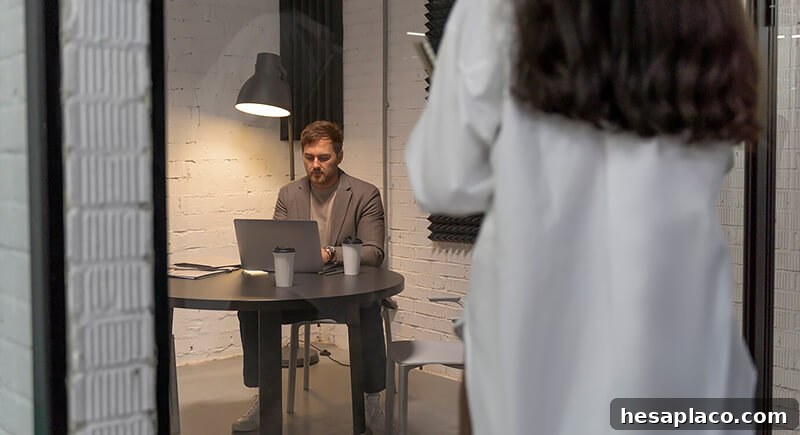
Isolation
Credit: freepik
Total isolation can stifle creativity and slow problem-solving. Productive environments balance focused individual work with opportunities for collaboration—scheduled check-ins, brief stand-ups, or shared workspaces—to harness collective insight.
Single Monitors

Credit: freepik
Many tasks benefit from dual or multiple monitors, which reduce window switching and make multitasking smoother. Where appropriate, additional displays or well-organized virtual desktops improve efficiency.
Overwhelming Fragrances

Credit: freepik
Strong perfumes or pungent air fresheners can distract and trigger discomfort or allergies. If scents are used, they’re subtle and broadly pleasant—light citrus or mild lavender—keeping the environment comfortable for most people.
Personal Interruptions

Credit: freepik
Unscheduled calls or drop-by visits fragment deep work. Productive workspaces establish clear norms—designated break times, do-not-disturb signals, and scheduled personal time—to protect uninterrupted focus.
Lack of Personalization

Credit: iStockphoto
While too many personal items create clutter, a completely impersonal workspace can feel cold and uninspiring. Thoughtful personalization—one or two meaningful photos, a small plant, or a favorite mug—boosts comfort and morale without disrupting productivity.
In short, productive workspaces are deliberately curated: they remove distractions, prioritize comfort and functionality, and support focused work while preserving opportunities for collaboration and personal well-being.