
Success leaves clues, and failure does too. The smartest founders know when to walk away from habits that hold them back. This isn’t another hustle-hard pep talk—it’s a practical look at everyday behaviors successful entrepreneurs have stopped doing. These changes are realistic and actionable, and they may make you reassess some of your own routines.
Obsessing Over Perfection

Credit: flickr
“Don’t let perfect be the enemy of progress,” as Bill Gates put it. Top entrepreneurs have learned that chasing perfection consumes time and creativity. Shipping a solid product now often beats waiting years for an ideal version that never ships. They iterate quickly, rely on feedback, and trust process over perfectionism.
Saying Yes to Everything
Credit: flickr
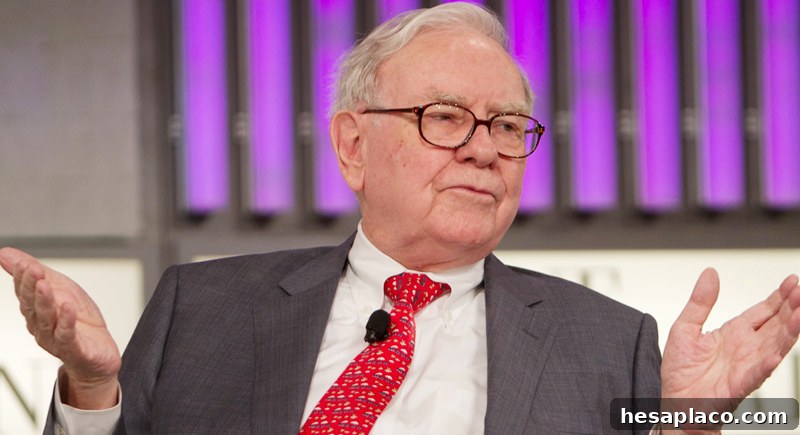
Early on, many founders said yes out of politeness or fear of missing opportunities. Over time they learned to guard their calendars. Warren Buffett famously attributes much of his success to saying no more than yes. Focused priorities allow them to avoid endless meetings and distractions so they can invest time where it matters most.
Trying to Please Everyone

Credit: Getty Images
Pleasing everyone quickly leads to dilution and burnout. Successful founders stopped prioritizing universal approval and instead pursued clarity of mission. They accept that some people won’t like their choices; the right customers and teammates stay, and the rest falls away—creating stronger alignment and momentum.
Filling Every Hour

Credit: freepik
Back-to-back meetings once felt productive, but they left no room for deep thinking. Now leaders intentionally schedule white space—time to reflect, plan, and generate ideas. Those empty blocks restore mental clarity and often produce the breakthroughs that frantic schedules never do.
Chasing Every Trend

Credit: pexels
Trends flash and fade. Savvy entrepreneurs stopped jumping from one fad to the next and focused on long-term fundamentals. Instead of reacting to every new shiny thing, they build durable products and strategies that outlast short-lived hype.
Doing It All Alone

Credit: freepik
“Self-made” doesn’t mean solo forever. Growing a company means letting go and trusting others. The most effective founders hire talented people, delegate decisions, and stop treating burnout like a status symbol. Building systems and cultivating leaders lets them scale impact beyond what one person can do.
Ignoring Their Health

Credit: flickr
Neglecting health is costly. Many high-performers now treat sleep, exercise, and nutrition as nonnegotiable parts of their strategy. Overwork lowers performance and shortens careers; maintaining health sustains stamina, focus, and long-term results.
Seeking Constant Validation

Credit: Getty Images
At first, founders often rely on external praise for confidence. Over time, successful leaders shift toward internal measures of progress. They set meaningful goals and derive satisfaction from growth itself. Ironically, when they stop chasing applause, recognition tends to arrive more organically and in greater measure.
Sticking With What Doesn’t Work

Credit: Canva
Clinging to failing projects out of loyalty or sunk-cost thinking drags teams down. Winners cut losses early, pivot quickly, and reallocate resources to what shows traction. That willingness to let go fuels faster learning and stronger outcomes.
Multitasking

Credit: Getty Images
Multitasking feels productive until everything takes longer and quality drops. Leaders focused on impact embrace deep work: blocking time for single, important tasks. Concentrated effort yields faster, higher-quality progress than scattered busywork.
Waiting for the Perfect Time

Credit: Minerva Studio
Waiting for optimal conditions often becomes an excuse for inaction. Top founders act decisively and learn by doing. Launching imperfectly provides real-world feedback that planning alone can’t produce. Momentum beats paralysis every time.
Dwelling on Mistakes

Credit: Getty Images
Regret wastes time and energy. Successful entrepreneurs learn fast, course-correct quickly, and move on. They build feedback systems instead of guilt loops—the faster they recover, the sooner they get back to building value.
Wasting Time on Social Media

Credit: Getty Images
Endless scrolling silently consumes hours. Many founders now outsource content work or set strict limits for social media use, redirecting that time to strategy, learning, or rest. They prioritize sustained presence and substance over chasing immediate engagement.
Comparing Themselves to Others

Credit: freepik
Following others’ highlight reels used to breed insecurity. Today’s top entrepreneurs measure progress against their own benchmarks. They use competitors for inspiration and learning, not as a yardstick for self-worth. The focus shifts from being best to being better than yesterday.
Overplanning Everything

Credit: freepik
Planning is essential, but overplanning stifles adaptability. Successful founders sketch a clear direction but remain flexible, ready to pivot when new information appears. Momentum and execution often outpace rigid plans.
Relying on “Gut Feeling” Alone

Credit: iStockphoto
Instinct matters, but the best founders pair experience with data, testing, and feedback. Relying solely on gut can be costly; using evidence to validate intuition makes decisions less risky and more effective.
Over-Explaining Their Vision

Credit: Canva
Passion can spill into long-winded pitches that confuse more than convince. Strong leaders condense their message to a clear, repeatable core. A concise, compelling pitch rallies investors, employees, and customers faster than an exhaustive explanation.