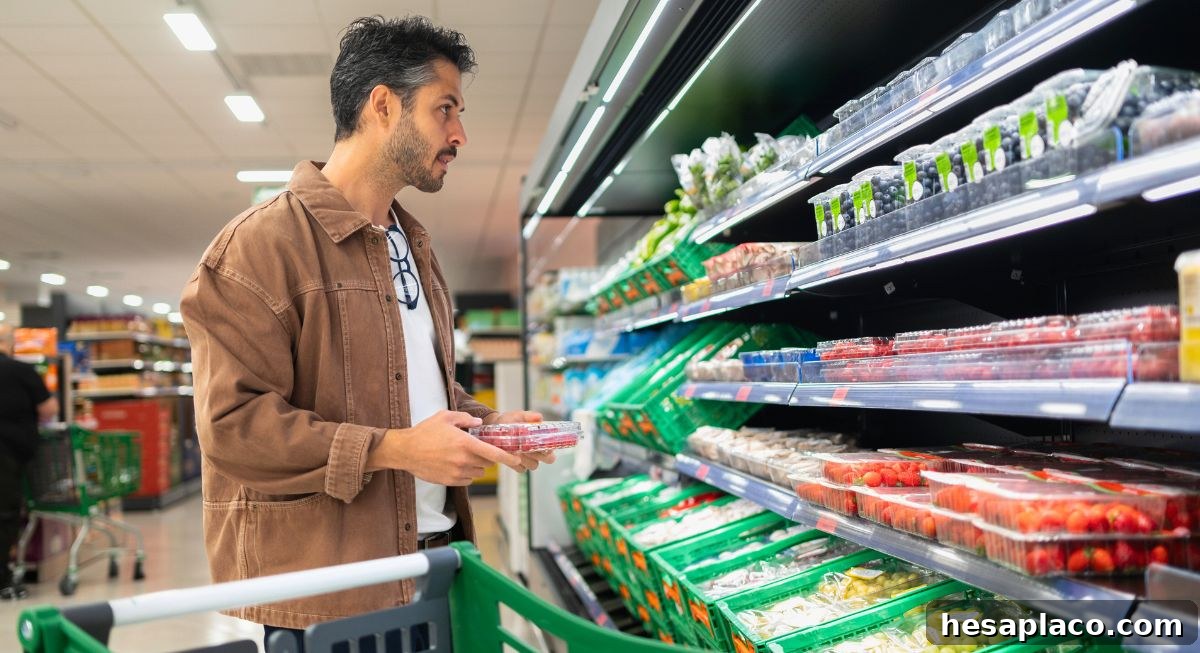
Grocery prices have risen across the board, but many higher costs come from convenience rather than necessity. By making a few small changes to your shopping habits, you can cut expenses without feeling like you gave anything up. Below are 20 common grocery items that often aren’t worth their full price, along with practical, money-saving alternatives.
If you want to keep your grocery bill under control, focus on buying whole ingredients, shopping sales, and preparing simple items at home. These swaps add up quickly and usually improve freshness and nutrition while reducing packaging waste.
Pre-Cut Fruits and Vegetables
Credit: iStockphoto
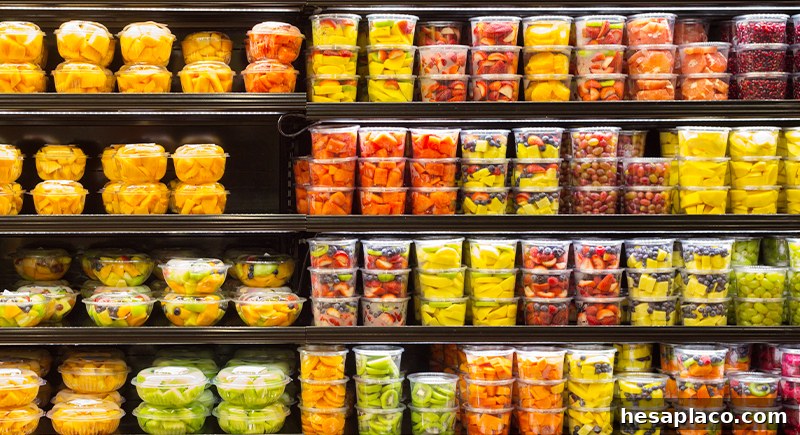
Pre-cut produce saves time but adds cost for packaging and labor. Buying whole fruits and vegetables and preparing them yourself is cheaper, often fresher, and gives you better control over portions. It also avoids nutrient loss that begins once produce is sliced.
Bagged Salad Kits
Credit: iStockphoto
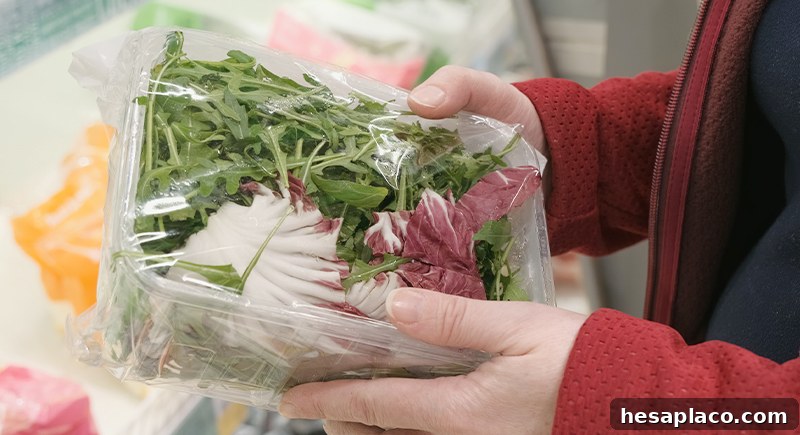
Salad kits are convenient but often overpriced. Buy whole heads of lettuce or spinach and add your own nuts, seeds, cheese, or fruit. You’ll save on packaging, avoid unnecessary preservative-laden mixes, and control portion sizes and ingredients.
Rotisserie Chicken

Credit: Getty Images
Rotisserie chickens are ready-made and tempting, but you’re paying for the cooking service. Roasting a whole chicken at home yields more meat for less money and creates useful leftovers for tacos, sandwiches, salads, soups, or casseroles.
Bottled Water

Credit: Getty Images
Bottled water costs far more than tap and often comes from municipal sources anyway. Installing a filter or using a filtered pitcher at home supplies safe drinking water with less expense and plastic waste.
Pet Food
Credit: iStockphoto
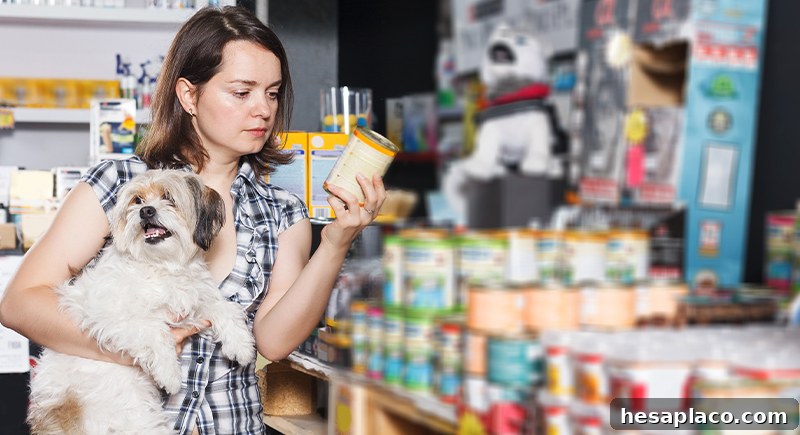
Buying pet food at the grocery store can be convenient but expensive. Online retailers and warehouse stores often offer better prices, subscription discounts, and loyalty rewards. Stock up during promotions to lower the per-pound cost.
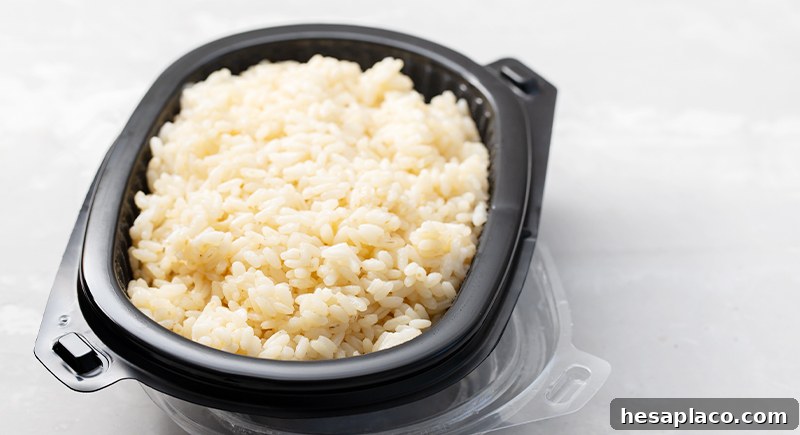
Microwaveable Rice
Credit: iStockphoto
Microwave rice packets are convenient but costly. A large bag of rice is inexpensive and lasts for months. Cook a pot, portion leftovers into containers, and reheat as needed for a tastier, cheaper meal base.
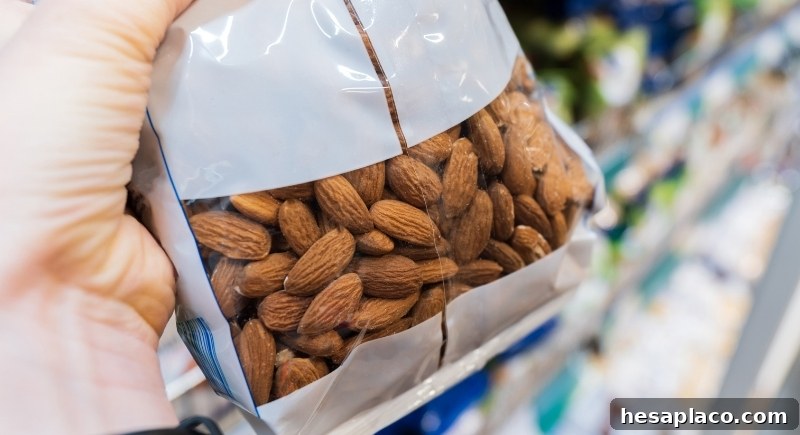
Single-Serve Snacks
Credit: Canva
Individual snack packs carry a premium for packaging. Buy nuts, pretzels, and crackers in bulk, then portion them into reusable containers or bags. This lowers cost per serving and increases variety without extra work.
Coffee Pods

Credit: Canva
Coffee pods create significant waste and cost more per cup. A drip coffee maker or reusable filter lets you use whole beans, which are cheaper per cup and give better flavor control.
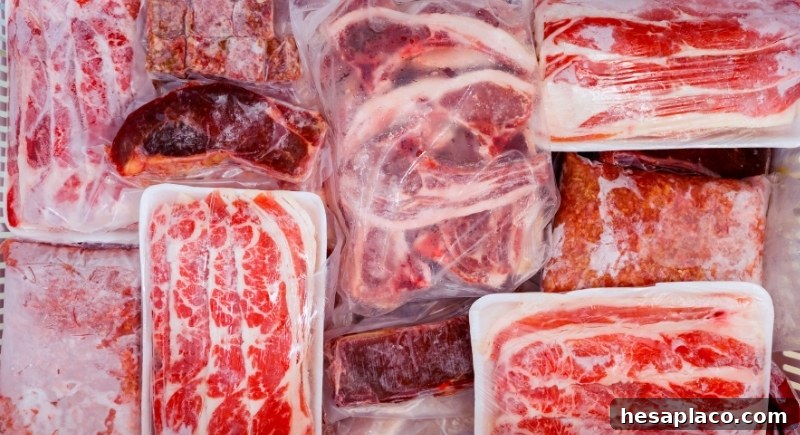
Frozen Meats
Credit: Canva
Frozen meats can be convenient for storage, but fresh cuts often cost less. Plan meals, buy in bulk when on sale, and portion and freeze what you won’t use right away to get better value and flavor.
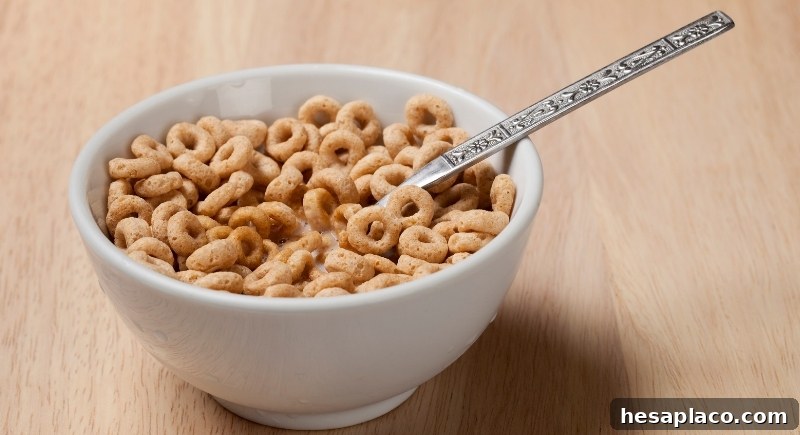
Cereal
Credit: Getty Images
Cereal prices vary widely and brand names rarely justify the extra cost. Wait for sales or bulk discounts and stock up on the varieties your family actually eats to save a lot over time.
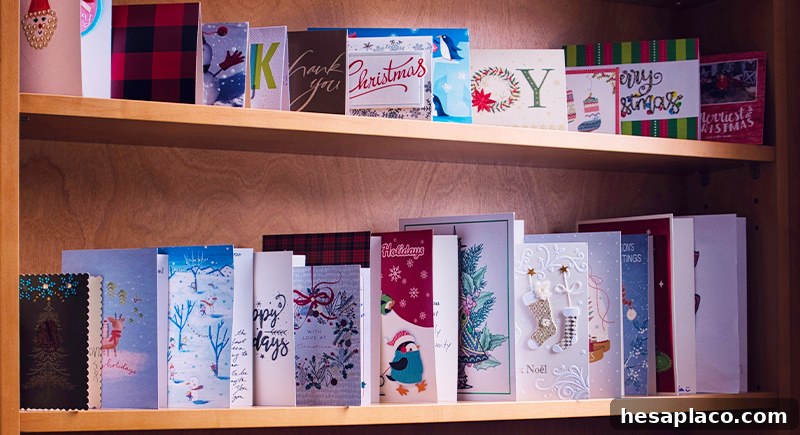
Greeting Cards
Credit: unsplash
Store greeting cards can be pricey. Dollar stores and discount retailers offer similar designs for much less, and keeping a small stash at home prevents impulse buys at the register.
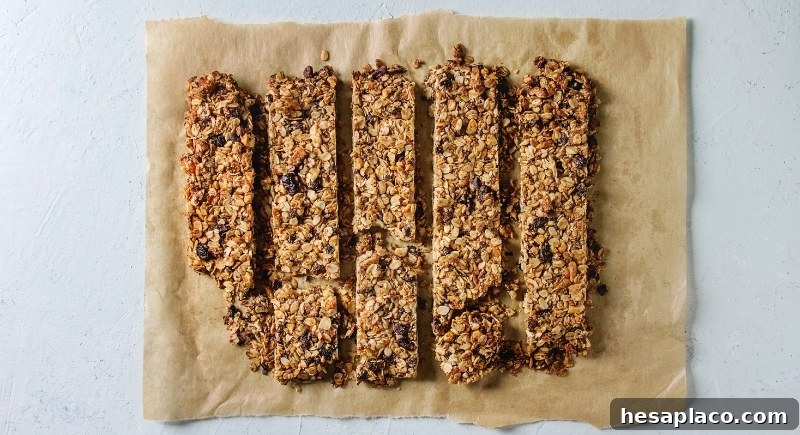
Cookies, Chips, and Granola Bars
Credit: Canva
Prepackaged snacks often include a convenience markup. Try simple homemade alternatives—air-popped popcorn, baked chips, or homemade granola—to save money and control ingredients.
Pancake Mix

Credit: Getty Images
Pancake mix is essentially flour, baking powder, salt, and sugar—ingredients you likely already have. Mixing your own batter is cheaper, tastier, and lets you customize flavors and portion sizes.
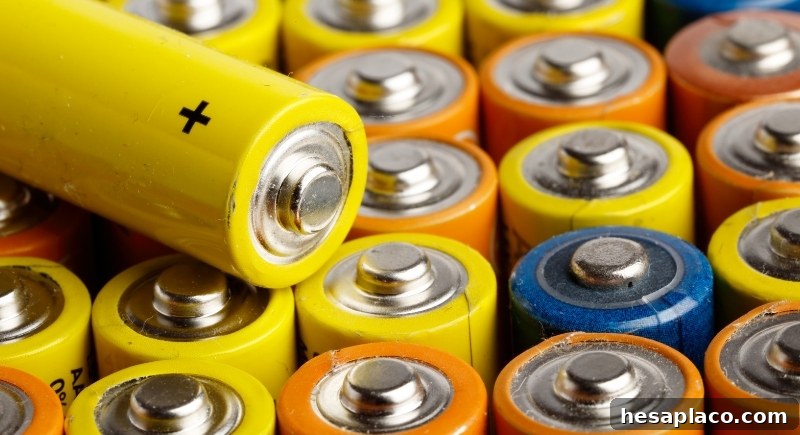
Batteries
Credit: Getty Images
Grocery stores rarely offer the best battery prices. Big-box stores and online retailers sell bulk packs and store brands like Amazon Basics or Kirkland, which often match name-brand performance at a lower cost per unit.
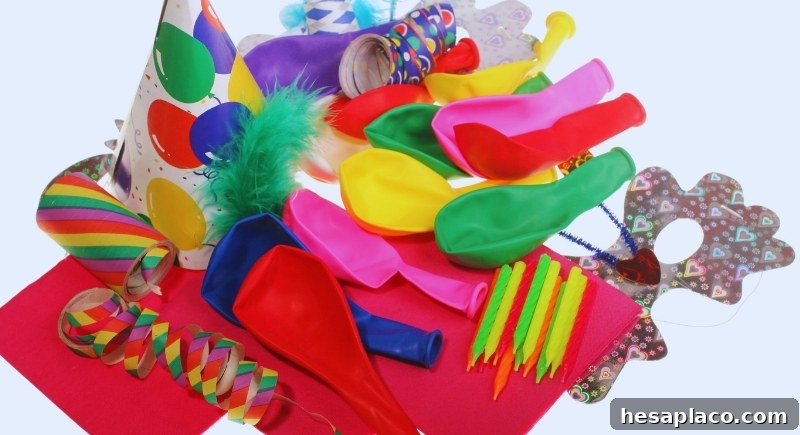
Party Supplies
Credit: Getty Images
Grocery stores usually carry a limited and more expensive selection of disposable party goods. Dollar stores, party shops, or online marketplaces provide cheaper options for paper plates, napkins, balloons, and decorations you’ll only use briefly.
Baked Goods

Credit: Canva
Pre-made bread and pastries are convenient but often marked up. Baking at home can be inexpensive and rewarding. If time is tight, buying day-old items or freezing fresh bakery finds extends freshness and lowers cost per serving.
Frozen Pizza

Credit: Getty Images
Frozen pizza is easy but usually lacks flavor compared with homemade versions. A simple homemade crust, jarred or homemade sauce, and a few fridge toppings cost less and taste noticeably better.
Light Bulbs at the Grocery Store

Credit: iStockphoto
Grocery stores don’t usually offer the best deals on light bulbs. Hardware stores and online retailers sell bulk LED options that save money long term through lower energy use and longer lifespans.
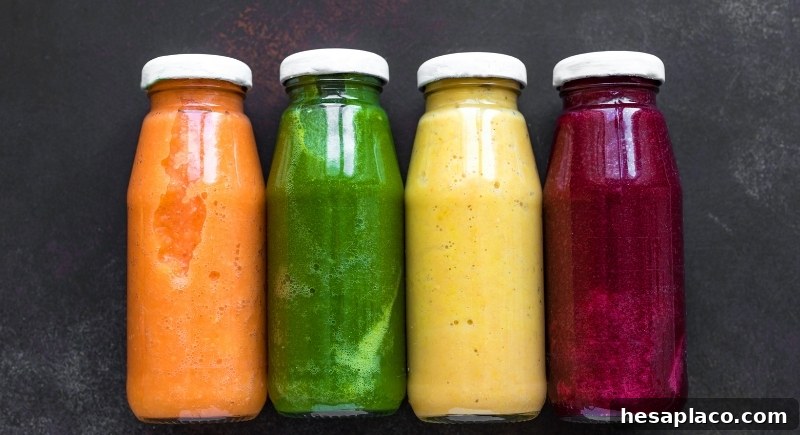
Bottled Smoothies
Credit: Getty Images
Bottled smoothies can be high in sugar and price. Making smoothies at home with frozen fruit, yogurt, or milk is cheaper, healthier, and fully customizable to your taste and dietary needs.
Magazines

Credit: Getty Images
Individual magazine issues at checkout are often more expensive than an annual subscription. If you follow a particular title regularly, consider a subscription or digital edition to reduce costs.
Small changes in what you buy and where you buy it can lead to big savings. Prioritize whole foods, buy in bulk when practical, and consider simple homemade alternatives for items marked up for convenience. Those adjustments make grocery shopping smarter, cheaper, and often healthier.