
Fragrance has taken on a new role in how people allocate discretionary spending. No longer merely an occasional extra, perfume now competes with other small indulgences by offering a daily, designer experience. As consumers shift toward affordable, repeatable luxuries, fragrance has become a reliable way to spend extra cash while enjoying a tangible, personal benefit.
It’s the Most Accessible Form of Designer Luxury

Credit: Canva
For many buyers, a designer fragrance is the most attainable entry point into a luxury brand. A high-end handbag or accessory can require significant planning and savings, while a perfume bottle provides the same brand cues—logo, packaging, and identity—immediately and affordably. That accessibility lets consumers engage with premium labels without a major financial commitment or long wait, making fragrance a practical first step into luxury consumption.
It Delivers Immediate Personal Payoff

Credit: Canva
Perfume produces an instant, personal reward: the moment you wear it, you experience its impact. Because scent is closely linked to memory and emotion, that immediate sensory return makes the purchase feel worthwhile right away. This direct payoff reduces buyer hesitation and frames fragrance purchases as small investments in mood and self-confidence.
It Fits Easily Into Everyday Spending
Credit: Getty Images
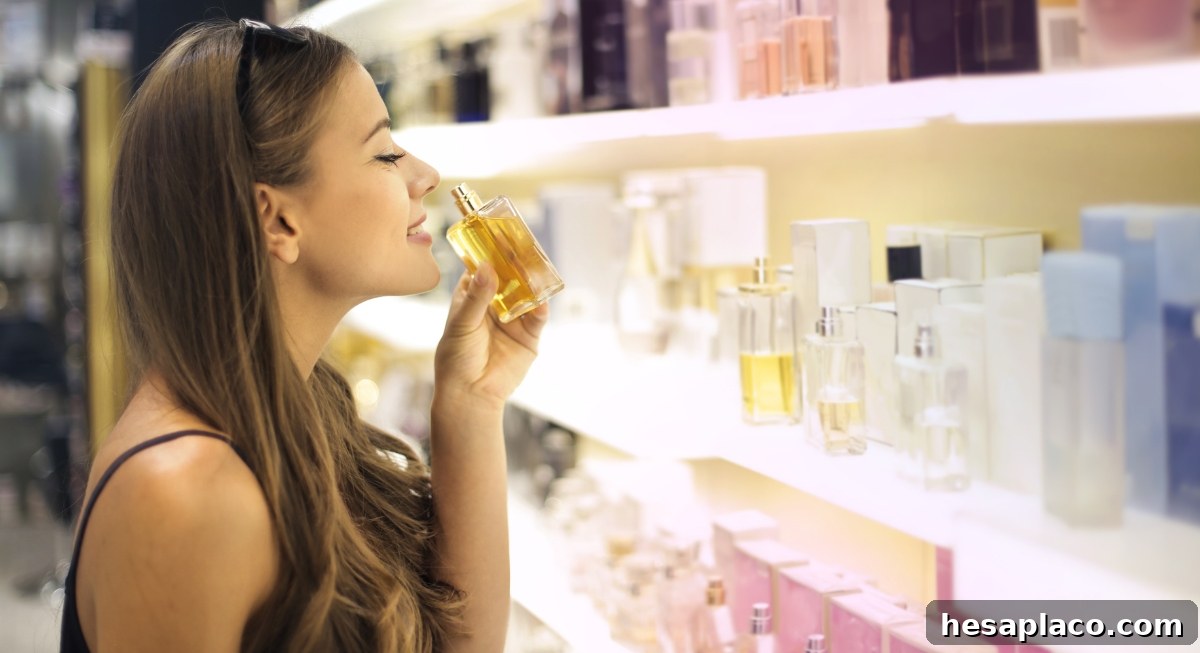
Perfume naturally integrates with regular personal spending habits. It rarely requires long-term planning or a major financial decision, so shoppers can pick it up without much deliberation. Because it slots into routine spending patterns—like buying beauty products, grooming items, or small gifts—fragrance becomes a consistent category for using extra income.
It Naturally Leads to Repeat Buying

Credit: Getty Images
Because perfume is a consumable, bottles run out and create a natural cycle of repurchase. Some consumers simply replace the scent they already use; others take the refill opportunity to try new fragrances. Either way, fragrance benefits from an inherent repeat-purchase dynamic that sustains category spending over time without requiring special promotions or triggers.
People Are Buying Multiple Bottles Instead of One
Credit: Canva
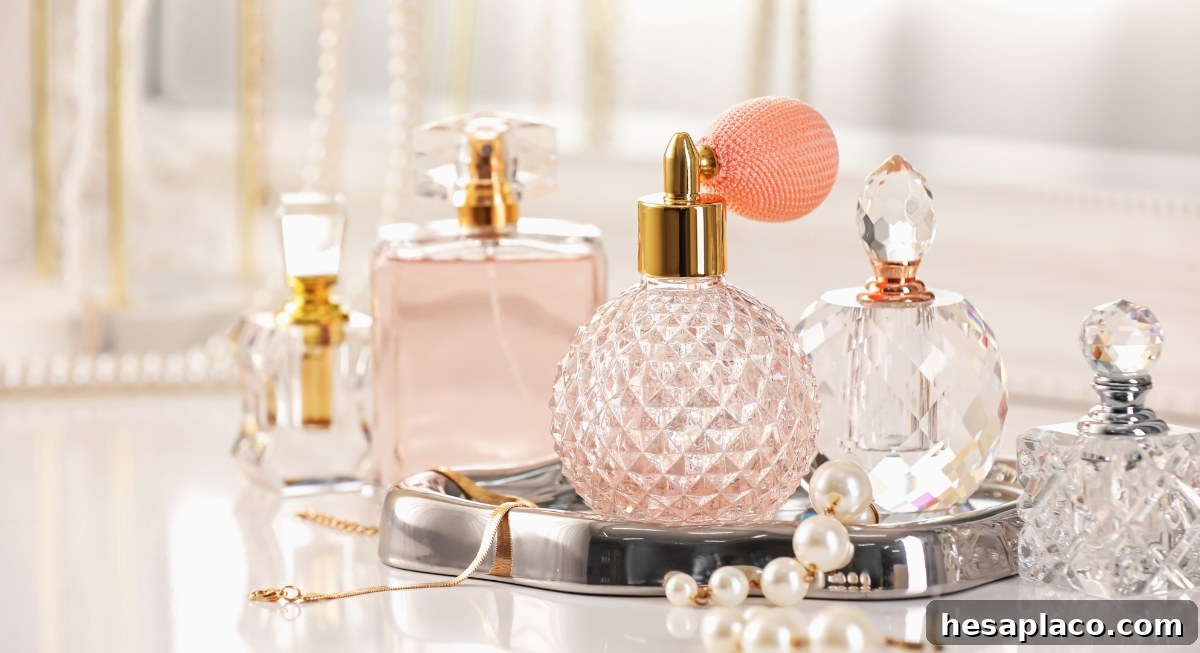
The tradition of sticking to a single signature scent is fading. Many people now maintain a rotation of fragrances to suit different moods, occasions, or times of day. This behavior increases both purchase frequency and total spend, as shoppers build collections rather than replacing a lone bottle, treating fragrance more like a wardrobe of scents than a one-off buy.
Buying Without Testing Has Become Normal
Credit: Getty Images
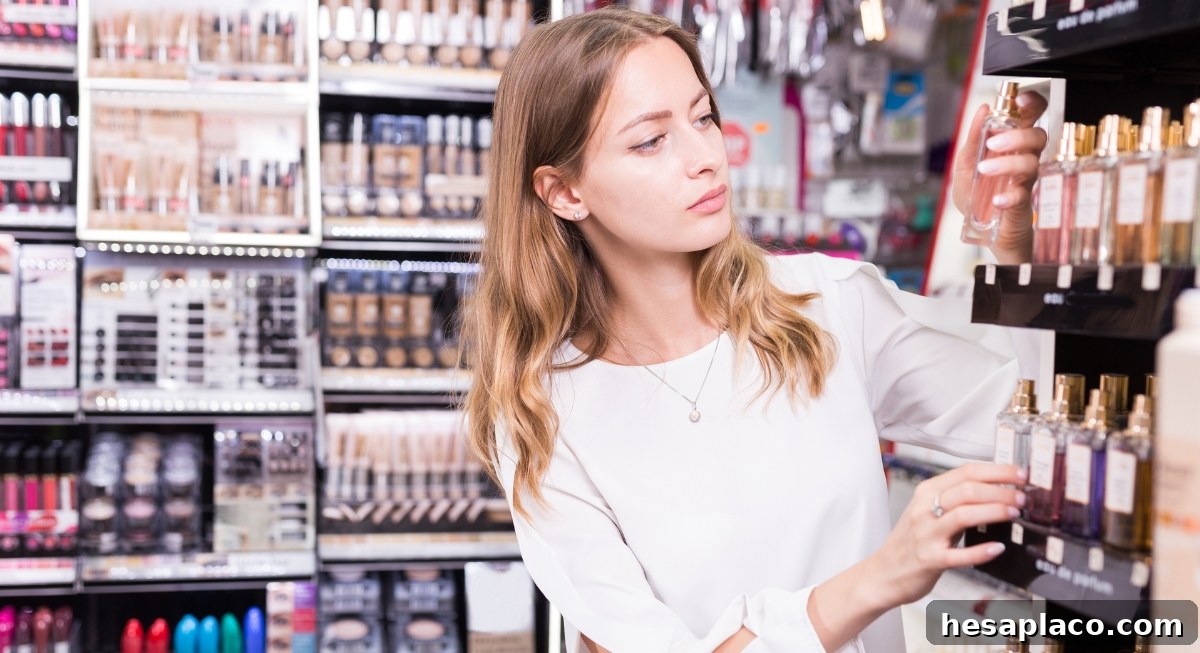
Modern shoppers increasingly make fragrance decisions without in-store testing. Detailed online reviews, video comparisons, and community recommendations give enough context for confident purchases. As a result, sampling in physical stores has become less essential, and the path from discovery to purchase is shorter, driven by digital information and social proof.
Social Media Has Turned Perfume Into a Visual Product
Credit: Canva
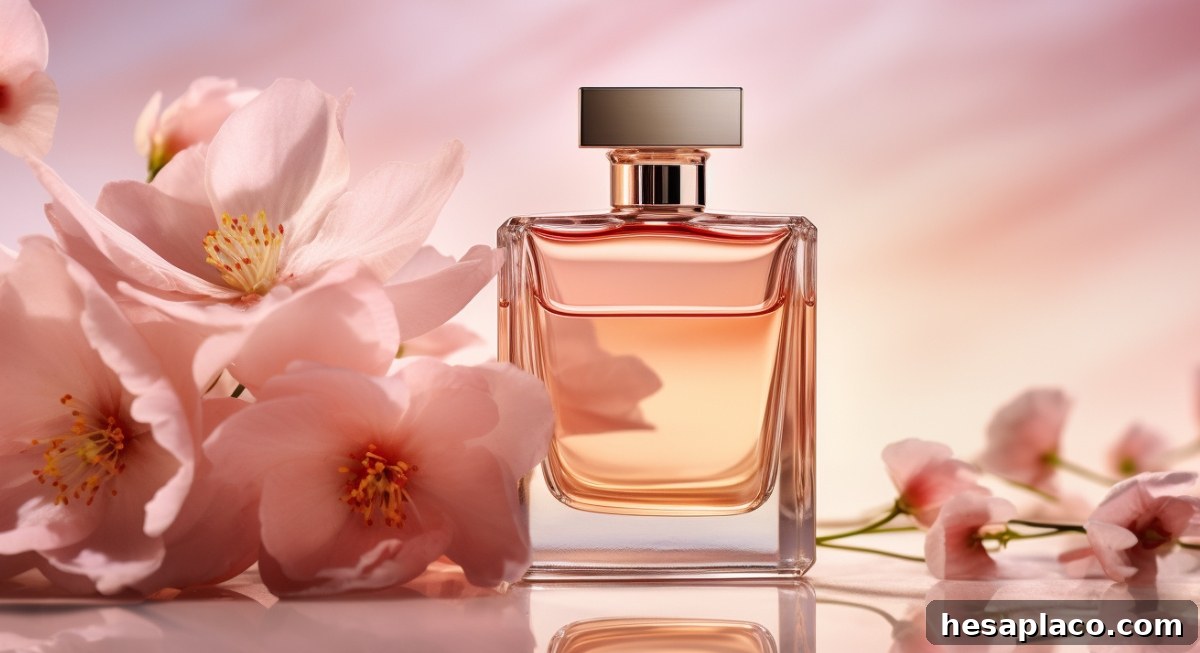
Perfume has become a visual commodity thanks to social media. Beautifully styled bottle photos, unboxing clips, and influencer reviews let consumers engage with a fragrance long before they encounter it in person. This visual exposure builds brand recognition and desire, often translating into faster demand when a product launches or appears in stores.
Limited Releases Push People to Act Quickly

Credit: Getty Images
Limited editions and controlled releases introduce urgency into purchasing behavior. When availability is constrained, consumers act more quickly to secure a bottle, shifting spending forward and reducing the tendency to delay. This scarcity-driven dynamic can amplify short-term demand and encourage immediate purchases.
It Remains One of the Safest Designer Gifts
Credit: Canva
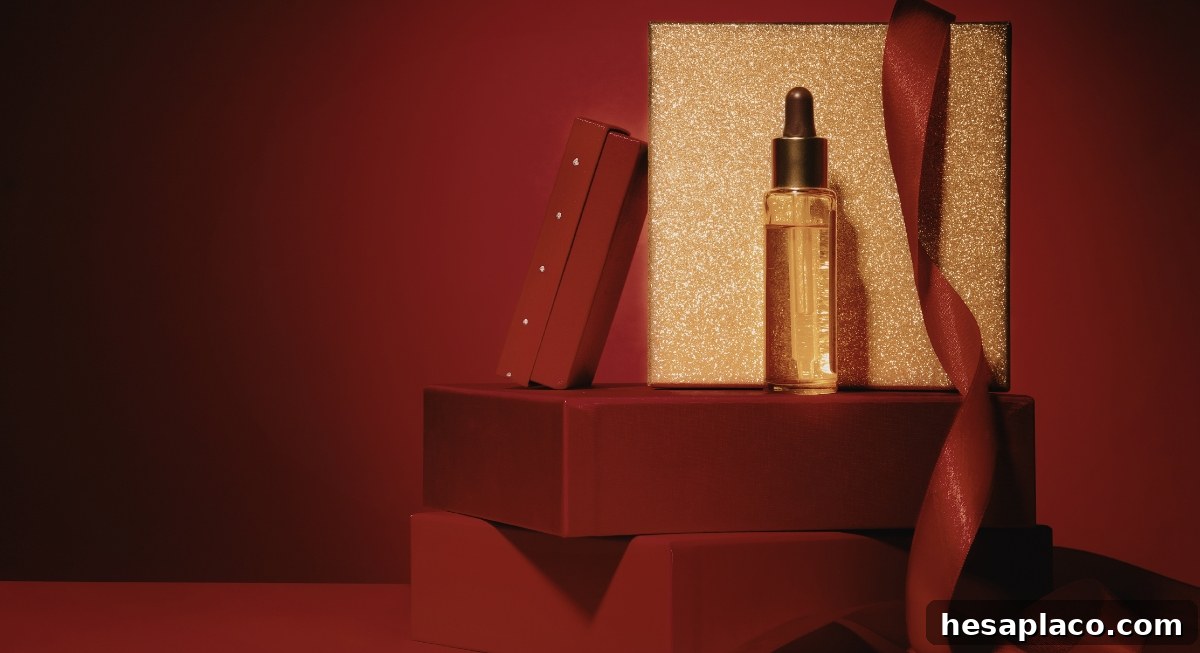
Perfume continues to be a dependable designer gift because it balances brand recognition with versatility. Unlike clothing or shoes, it doesn’t require sizing and often suits a wide range of recipients. That reliability makes fragrance a go-to option for occasions when gifting something recognizably luxurious is important but personal preferences might be uncertain.
Fragrance Has Become Part of Personal Identity Signaling

Credit: Canva
Designer fragrances now play a role in how people signal identity. Specific scents are associated with particular aesthetics, lifestyles, or social circles, and wearing them communicates subtle cues about taste and belonging. This symbolic function adds another incentive to purchase: fragrance becomes a means of self-expression that others can recognize and interpret.