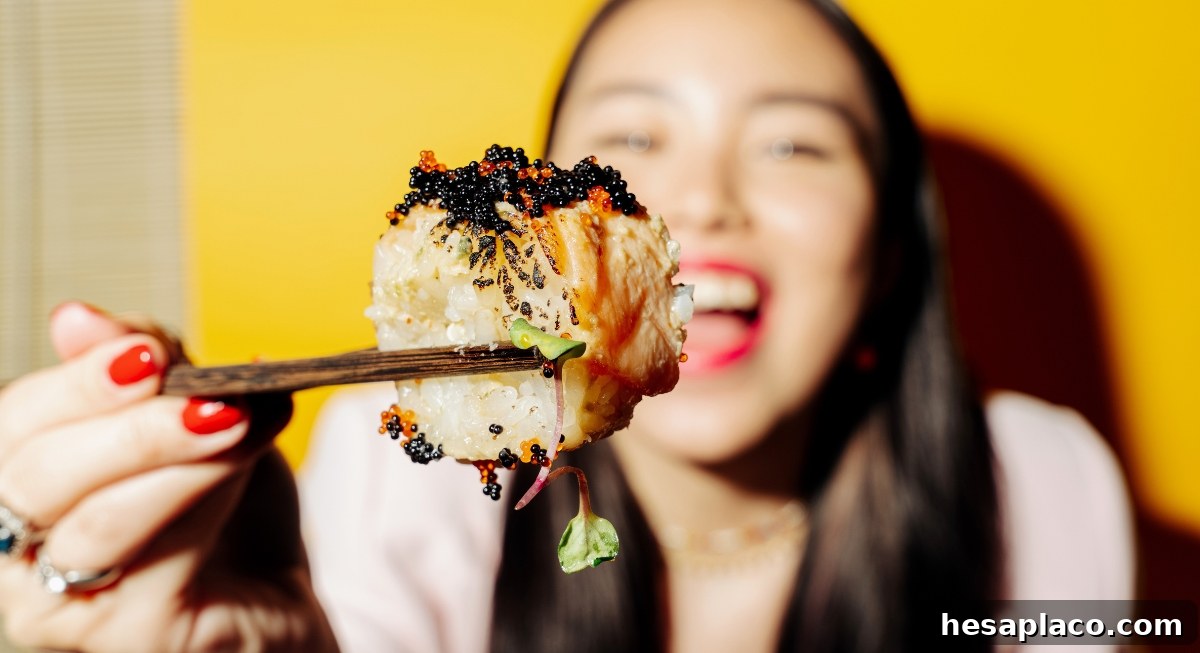
Many people still believe income is tied directly to hours worked. That idea is widespread, but not every opportunity follows that model. Some ways to earn focus on what you notice, what you prefer, and how clearly you can communicate those impressions. Food tasting and related activities are a strong example of this shift.
Brands and consumers often depend on trusted opinions to decide what to try. That continuous demand has created real earning opportunities for people who can evaluate and describe taste consistently and compellingly. You don’t need a formal degree to begin—what matters is attention to detail, consistent effort, and the ability to present your perspective in a way others find credible.
Food Vlogging as a Paid Skill
Credit: pexels
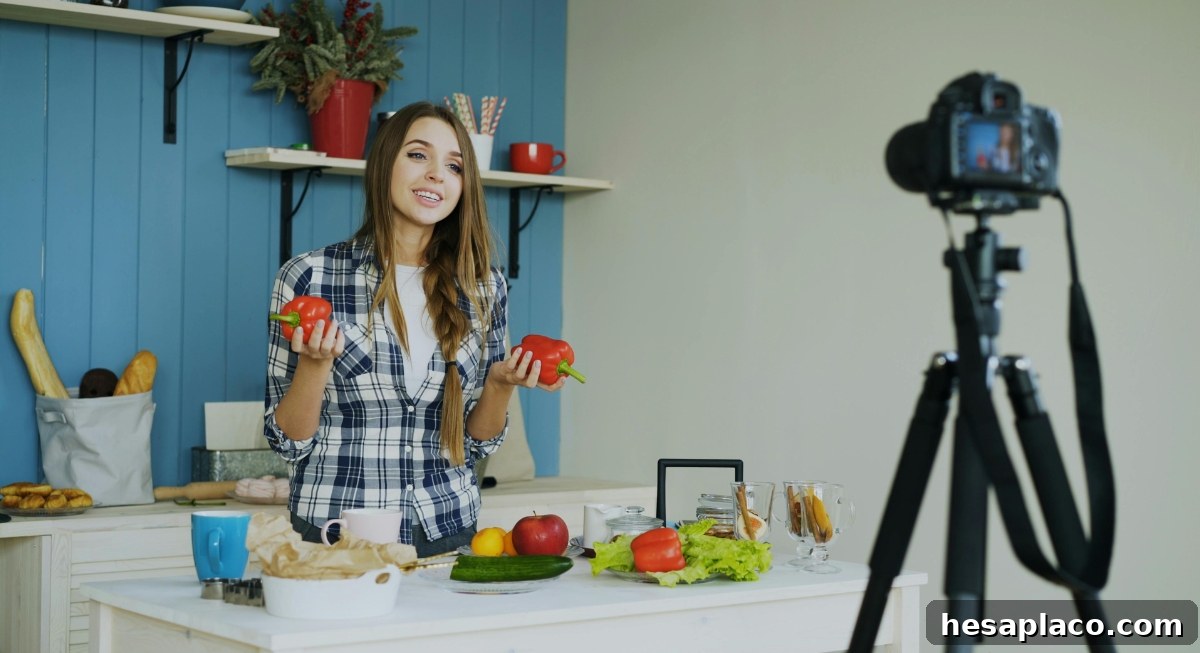
With a loyal audience that trusts your judgment, food vlogging can become a steady revenue stream. The work typically involves visiting restaurants or events, recording your reactions, and explaining what makes dishes stand out or fall short. Platform algorithms reward regular posting, so inconsistent uploads slow growth and reduce monetization potential. Over time, your videos form a portfolio that can attract sponsorships, paid partnerships, and longer-term collaborations.
Live Streaming Food Content
Credit: Canva
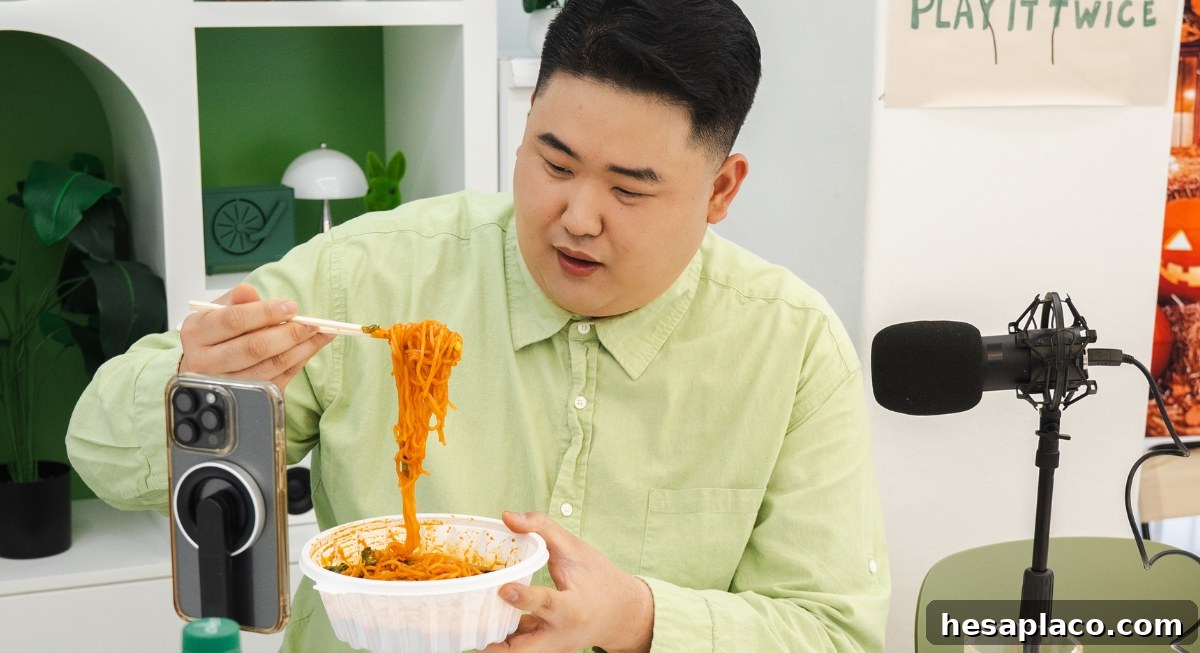
Live streaming shares many goals with vlogging but happens in real time, allowing immediate viewer interaction. Creators eat on camera while describing textures, flavors, and overall impressions as audiences react in the chat. That real-time connection increases viewer retention and engagement. Revenue streams include ad breaks, viewer tips or donations, subscription fees, and sponsored segments.
Professional Food and Beverage Tasting Roles

Credit: Canva
Large-scale manufacturers rely on trained tasters to maintain product quality. Professional tasting roles use formal sensory techniques—such as blind tastings, flavor profiling, and structured scoring—to evaluate aroma, taste, texture, and aftertaste. Tasters often compare multiple samples side by side to detect subtle variations, rating elements like sweetness, acidity, bitterness, and mouthfeel on prescribed scales. These assessments guide formulation, quality control, and consistency across batches.
Working Directly with Food Manufacturers

Credit: pexels
Many companies run regular product trials before launching items to the public. Participants attend scheduled sessions, taste prototypes, and fill out detailed feedback forms covering flavor balance, texture, appearance, and other attributes. This systematic data helps product teams refine recipes and ingredient choices. Compensation is usually per-session, offering a flexible way to earn on the side.
Joining Sensory Testing Panels

Credit: Getty Images
Sensory testing panels operate like research groups, focusing on how people perceive food. Interested individuals create profiles and receive invitations to studies that match demographic or taste criteria. Each session asks participants to taste and rate items following specific guidelines. Studies can be short or recurring, and they typically pay per session, providing a consistent way to earn while contributing to research on consumer preferences.
Mystery Dining for Paid Reviews

Credit: pexels
Mystery dining programs let evaluators assess restaurants anonymously. Participants follow detailed instructions during visits—observing service speed, staff behavior, cleanliness, and food quality—and then submit thorough reports. Restaurants and hospitality groups use those reports to monitor standards, identify training needs, and make operational improvements. Payments vary by assignment but often include reimbursement for the meal plus a fee.
Competitive Eating and Food Challenges

Credit: Wikimedia Commons
What began as entertainment has evolved into organized competitions with cash prizes and sponsorships. Restaurants sometimes host eating challenges to attract attention and increase foot traffic. Competitors train to build capacity and optimize pacing. While competitive eating is a niche path, top performers can earn prize money, brand deals, and media coverage.
Freelance Food Styling and Photography

Credit: Canva
Visual presentation has a major impact on consumer choices. Freelance food stylists and photographers help restaurants and brands present dishes in the most appealing way by arranging food, managing lighting, and framing shots that reflect a brand’s identity. High-quality images are vital for menus, social media, and ads, and experienced freelancers are often hired per project or on retainer.
Food Criticism and Editorial Writing

Credit: Getty Images
Food criticism turns tasting into a written craft. Critics and editorial writers dissect flavor, technique, presentation, and service to help readers understand what to expect. Many work for newspapers, magazines, and online publications; others build independent followings via blogs or newsletters. Strong food writing depends on precise observations and well-structured arguments rather than vague impressions.
Combining Online Tasks with Foodie Gigs

Credit: Getty Images
Small online gigs—like quick surveys, usability tests, or microtasks—can supplement income and help fund tastings or culinary outings. These tasks typically pay modestly but can accumulate over time. Using platform earnings to cover tasting sessions or content production lowers upfront costs and allows food enthusiasts to build skills and portfolios without major investment.
Across these options, success depends less on rigid schedules and more on building credibility, practicing sensory description, and delivering consistent work. Whether you prefer video, live interaction, research panels, or writing, there are multiple paths to turn a keen palate into a sustainable income stream. Start by practicing clear descriptions, documenting your experiences, and seeking small paid opportunities that match your interests and strengths.