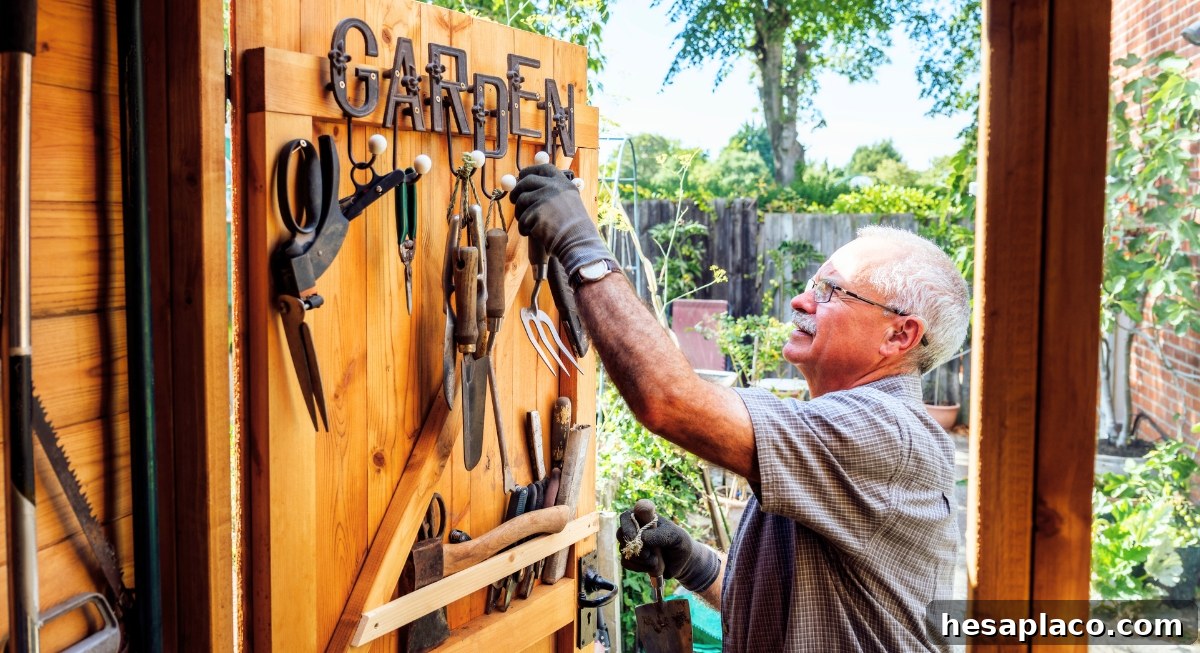
Most garden tools sold today are designed for convenience and easy replacement: lightweight, colorful, and functional, but rarely built to last. That’s why older tools—those remembered from grandparents’ sheds—are gaining renewed interest. They offer weight, durability, and a craftsmanship that modern mass-produced items often lack. Finding a well-made antique tool can feel far more satisfying than buying a new one.
The Hori Hori Knife
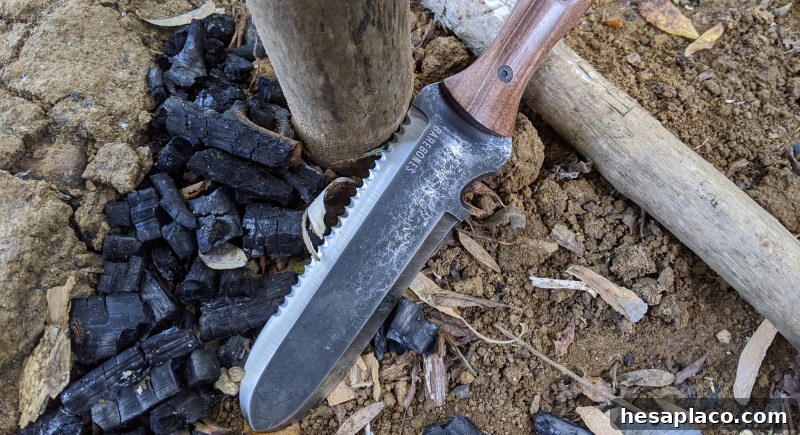
Credit: Reddit
The hori hori originates in Japan’s Edo period, when foragers used a short, double-edged blade to dig and harvest plants. The word “hori” means “to dig” in Japanese and echoes the sound of the blade cutting into soil. Collectors often prefer carbon-steel versions because they hold a sharper edge longer than stainless steel. Owners frequently say they’re more likely to misplace this tool in the garden than wear it out, thanks to its solid construction.
Copper Watering Cans
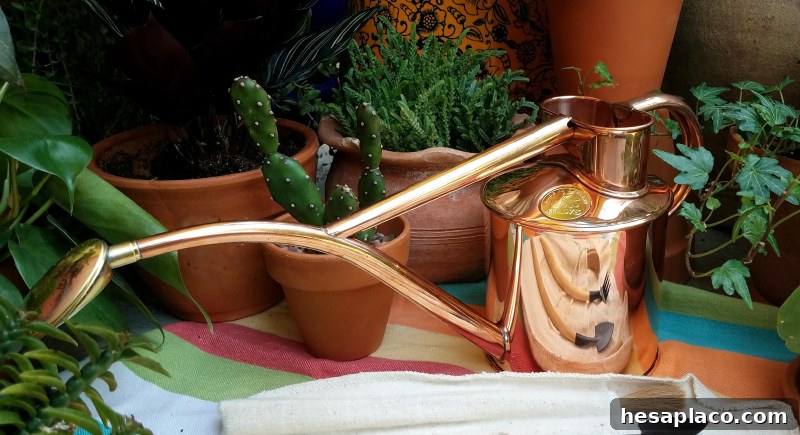
Credit: Reddit
John Haws designed a distinctive watering can in 1886 after struggling to water plants while living in Mauritius. Antique copper cans from 18th- and 19th-century France and England now fetch high prices online and at auctions. Collectors prize the natural patina that develops with age and typically leave it intact rather than polishing it away. Copper also has antimicrobial properties, though their practical benefit in everyday garden use remains uncertain.
Sheffield-Made Spades
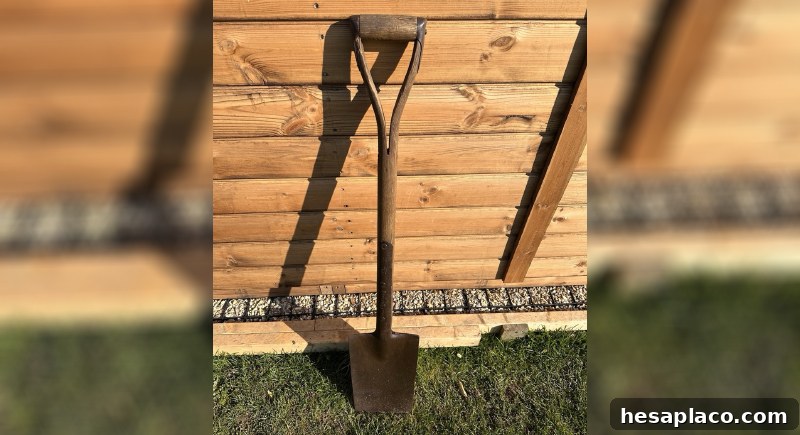
Credit: ebay
Old Sheffield spades are notable the moment you lift one. Makers such as Spear and Jackson, Burgon and Ball, and C.T. Skelton stamped their names directly into the metal, which helps collectors trace their origin. These tools were not mass-produced; blades were often hand-forged, and handles were shaped to fit the way people actually worked. When a well-made Sheffield spade appears at an estate sale, it rarely stays unsold for long.
Felco No. 2 Pruners
Credit: ebay
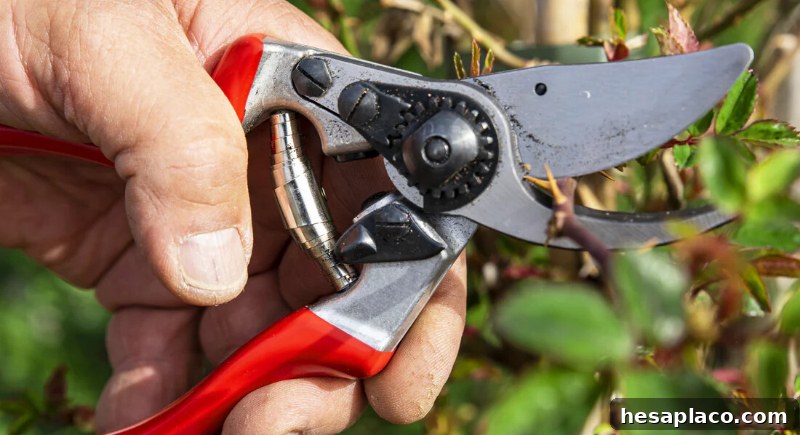
In 1945 Swiss mechanic Felix Flisch converted a disused watch-dial factory to make pruning shears, and the FELCO 2, launched in 1948, has since sold more than 19 million units worldwide. Known for its durability, the FELCO 2 remains popular because every component is replaceable. Recent special editions, such as the 80th Anniversary model in 2026, highlight the brand’s continued attention to materials and sustainability. The factory uses certified green energy and typically employs recycled steel alloys in production.
Antique Dibbers
Credit: Reddit
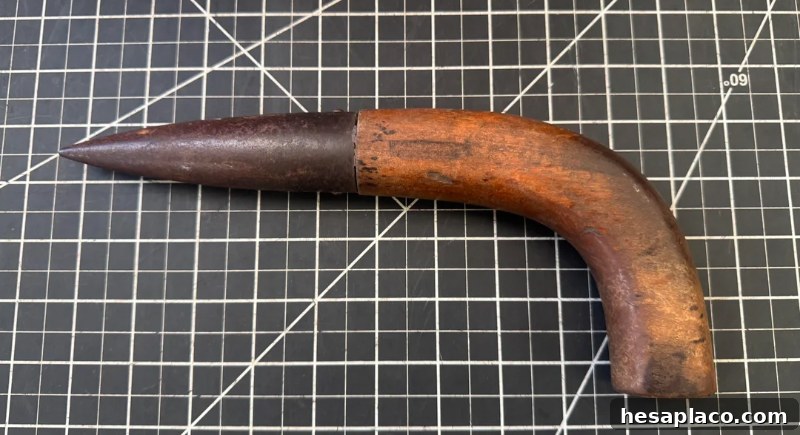
A dibber (or dibble) is a pointed stick used to make planting holes. Victorian examples are especially prized: turned from hardwood with brass ferrules and sometimes engraved with the owner’s initials, they came in different sizes depending on the crop—corn planting demanded a heavier tool than onion sets, for example. Well-preserved dibbers with original brass fittings remain popular at antique shows, and collectors often keep them in regular use rather than storing them away.
Victorian Fern Trowels
Credit: Facebook
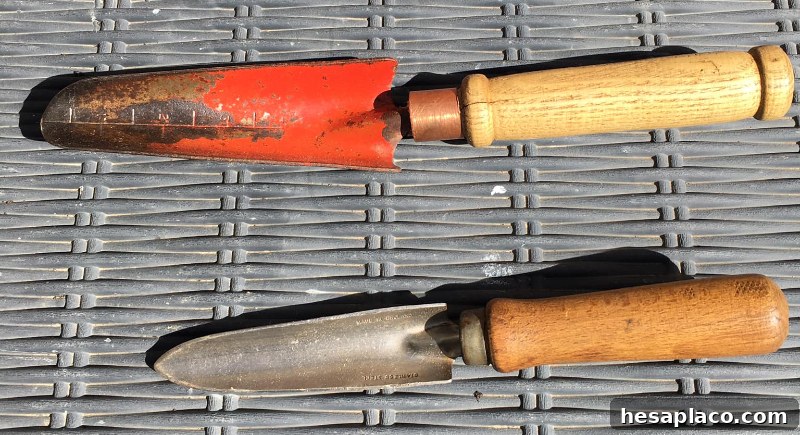
Victorian fern trowels differ from ordinary trowels in both look and function. Their blades are slimmer and their handles are shaped for careful, precise work, and they often include brass fittings instead of basic iron. These tools were produced during Britain’s 19th-century fern-collecting craze, when plant hunting was pursued seriously. Today, these trowels still outperform many modern equivalents for delicate tasks and precision gardening.
Antique Galvanized Buckets
Credit: Facebook
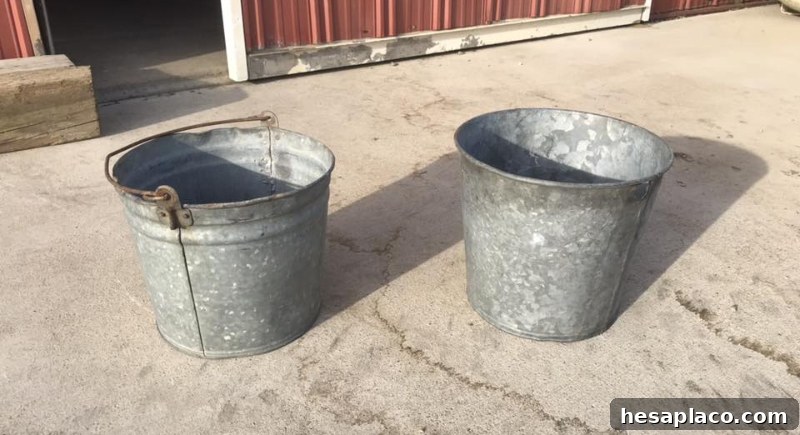
Older galvanized buckets feel different when you lift them. Riveted construction, thicker steel, and rolled rims make them sturdier than most modern, welded versions. That solidity gives them a practical longevity that appeals to gardeners and collectors alike. You can still find decent examples at flea markets for around $20, though cleaner or well-preserved buckets often command higher prices from vintage sellers.
Asparagus Knives
Credit: Reddit
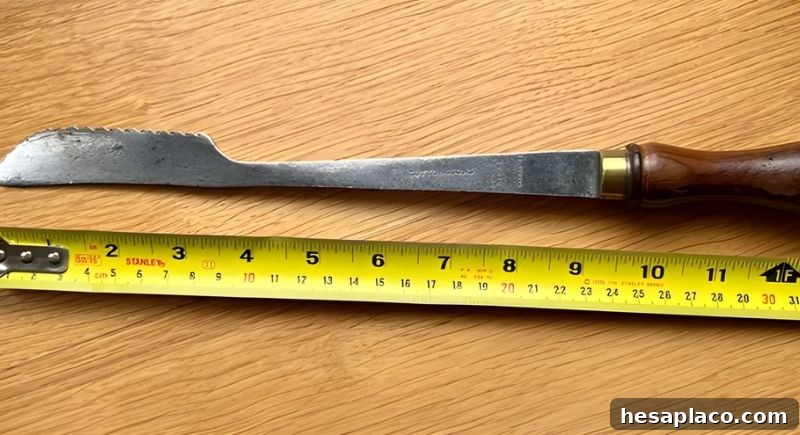
There’s a specific tool designed for cutting asparagus, though few manufacturers make them today. These knives have long, narrow blades—sometimes serrated or V-grooved—to sever a shoot cleanly without disturbing adjacent plants. Common in Victorian kitchen gardens, antique asparagus knives made from wrought iron with wooden handles occasionally appear at specialist auctions. While specialized, their design also makes them useful for other precise cutting tasks in the garden.
Cast-Iron Seed Spreaders
Credit: Facebook
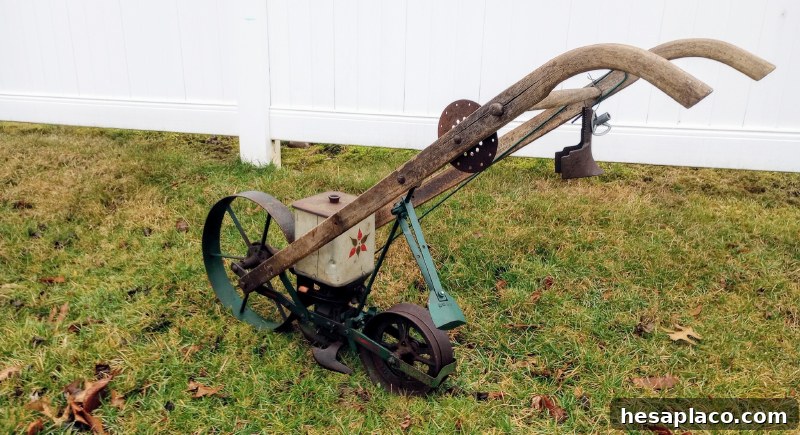
The Planet Jr. No. 1 hand-cranked seeder, introduced by S.L. Allen & Co. in 1868, was displayed at major exhibitions and became a hallmark of 19th-century garden machinery. Made with a cast-iron frame, wooden handles, and an original stamped logo, these seeders are collectible both for their design and their continued utility. Many owners still use them in working gardens rather than keeping them solely as display pieces.
Victorian Glass Wasp Traps
Credit: ebay
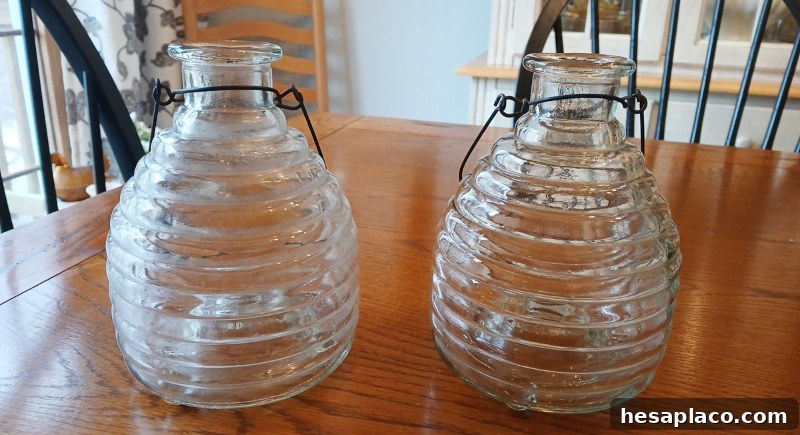
Handblown Victorian glass wasp traps are appealing for their craftsmanship. Their curved inner necks are shaped to allow wasps in but make escape difficult. Small imperfections and details in the glass—bubbles, slight asymmetry, and unique textures—set them apart from modern machine-made versions. Those subtleties, along with their historic charm, explain why some 19th-century examples can sell for several hundred dollars.