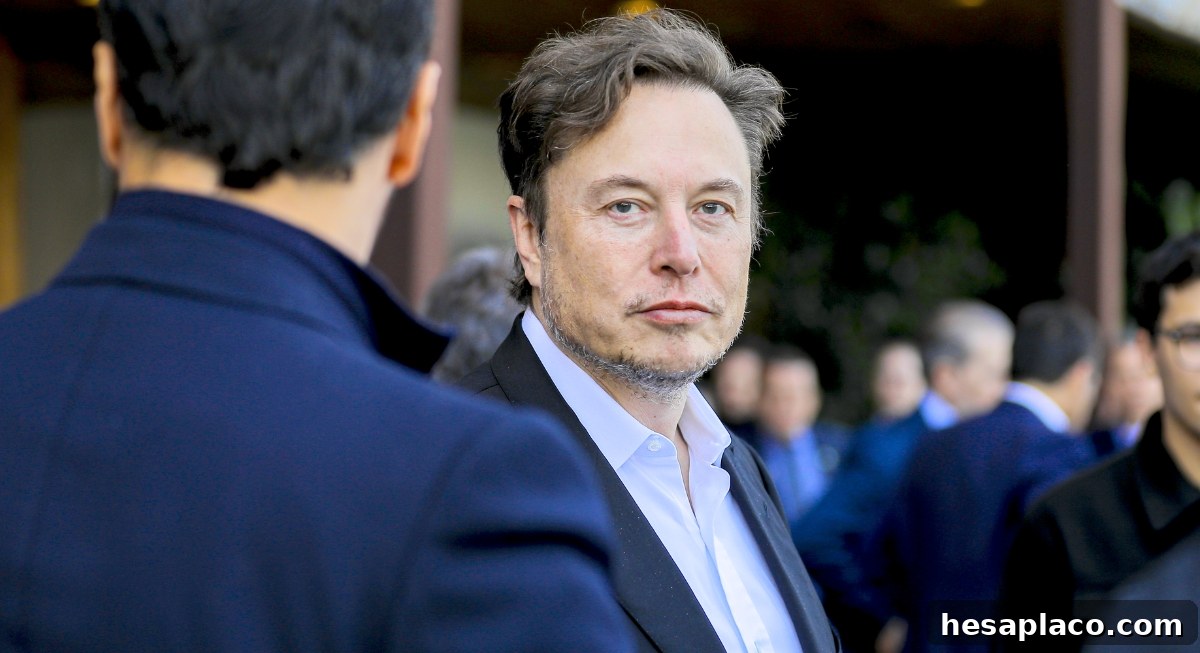
Elon Musk’s net worth has surpassed $600 billion, a staggering sum that challenges common ideas about wealth. Most of this value exists on paper—linked to public and private company shares that fluctuate with markets—but even as an estimated figure it places him in a singular position in modern history. Comparing that wealth to large, familiar assets helps illustrate why this milestone feels extraordinary.
San Diego County Housing Market ($600–$700 Billion)

Credit: Getty Images
At current residential valuations, the entire housing stock of San Diego County could theoretically be purchased with Musk’s net worth. That includes beachfront properties, suburban subdivisions, and inland developments that together form one of the nation’s most competitive real estate markets.
Every New Car Sold in the U.S. in a Year ($500–$550 Billion)

Credit: pexels
Americans buy tens of millions of new vehicles each year, from compact sedans to full-size trucks and luxury SUVs. Summing the sticker prices nationwide still yields a total that is comparable to—but generally below—Musk’s estimated fortune.
ExxonMobil, Chevron, and ConocoPhillips Combined ($500–$600 Billion)
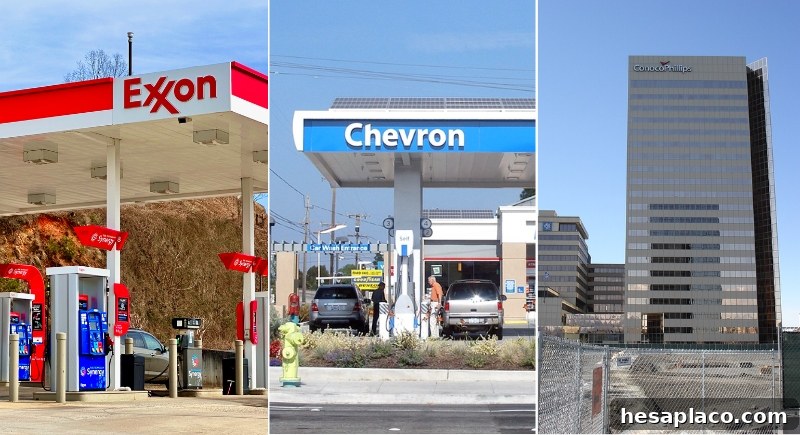
Credit: Wikimedia Commons
Together, the three largest American oil companies fall within a similar valuation range. The contrast is striking given Musk’s high-profile advocacy for electric vehicles and renewable energy—on paper, the most visible proponent of EVs could afford major pillars of the fossil-fuel sector.
All Homes in Hawaii ($300–$350 Billion)

Credit: Getty Images
Comparing a single individual’s net worth to an entire state’s housing stock can be jarring. Hawaii has roughly 572,781 households across its islands and some of the highest average home prices in the U.S. That total spans Honolulu condos, suburban homes, and rural properties—yet it falls well within the scale of Musk’s valuation.
Disney and Coca-Cola ($440–$470 Billion)

Credit: Wikimedia Commons
Disney and Coca-Cola are household names with global reach. Owning both would mean controlling vast media, entertainment, and consumer-brands footprints. Such ownership wouldn’t necessarily require hands-on management; it would mean preserving and stewarding established brands and experiences across generations.
The State of Maryland’s Residential Property ($700+ Billion)

Credit: True Creatives
Maryland pushes the comparison to its outer limits. Some estimates suggest purchasing every residential property in the state would require about $716 billion. That sum would cover suburbs near Washington, coastal towns along the Chesapeake, and denser urban corridors—again underscoring how concentrated extreme wealth has become.
Switzerland’s Annual GDP (Just Under $900 Billion)

Credit: Getty Images
Switzerland’s annual economic output is just under $900 billion. While GDP and personal net worth measure different things, the comparison highlights how a single individual’s wealth can approach the annual production of a prosperous, developed nation.
The Entire Ivy League ($200 Billion)

Credit: Wikimedia Commons
Musk’s fortune could theoretically match or exceed the combined endowments of the eight Ivy League institutions: Harvard, Yale, Princeton, Columbia, Brown, Dartmouth, Cornell, and the University of Pennsylvania. Those endowments represent centuries of accumulated academic capital and financial support for education and research.
Every Team in the NFL, NBA, MLB, and NHL ($430+ Billion)

Credit: Wikimedia Commons
The combined valuation of all franchises across the four major U.S. sports leagues is estimated at roughly $433.57 billion, including media rights, venues, and brand value. Owning every franchise would be a dramatic cultural acquisition—and even then, a vast fortune would remain.
Four Hundred Burj Khalifas or 1.5 Million U.S. Homes ($600 Billion)

Credit: Canva
At this scale, wealth becomes tangible: entire skylines, housing developments, or major construction programs could be financed from the ground up. The transformation would affect where and how millions live, reshaping cities and infrastructure rather than just markets on a balance sheet. That physical impact underscores the extraordinary scope of this South African–born American’s financial standing.