
Financial fraud increasingly appears in the headlines. While many schemes involve individual accounts or small-scale scams, some frauds are vast in scale and impact. These cases unfolded within major corporations, during investor calls, on trading floors, and in executive boardrooms. Billions moved through these systems in plain sight, revealing weaknesses in oversight, auditing, and corporate governance. Below are some of the most consequential corporate frauds, described clearly so readers can grasp how they were carried out and the lessons they left behind.
Enron
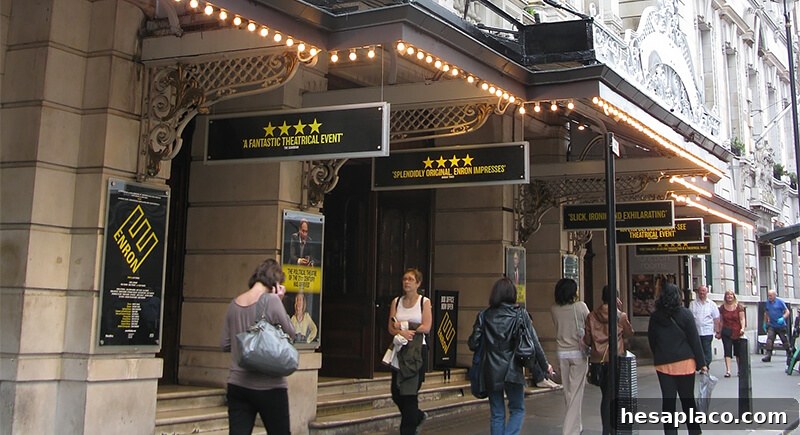
Credit: Wikimedia Commons
Enron rose to prominence as a celebrated energy trader and was widely admired by analysts, politicians, and business schools. In reality, the company hid mounting debt in special-purpose entities that kept liabilities off its balance sheet. These structures made earnings appear stronger while risk accumulated elsewhere. When the scheme unraveled in 2001, roughly $74 billion in shareholder value evaporated, hundreds of employees lost jobs and pensions, and confidence in corporate accounting practices was deeply shaken.
Bernie Madoff

Credit: Wikimedia Commons
Bernie Madoff ran one of the largest Ponzi schemes in history by promising steady, reliable returns. Investors trusted the firm’s documentation and reputation, and there were no legitimate market trades backing reported profits. Instead, funds from new investors were used to pay earlier clients. The scheme collapsed during the 2008 financial crisis when many investors simultaneously sought withdrawals. The fallout reached charities, pension funds, and families worldwide, revealing roughly $65 billion in fabricated account balances.
Wirecard

Credit: Wikimedia Commons
Wirecard was once hailed as a German fintech success story and earned a place in the DAX index. But auditors later discovered that €1.9 billion supposedly held in overseas accounts did not exist. Years of forged documentation and ignored red flags culminated in a rapid collapse, forcing German regulators and investors to rethink corporate reporting standards and the robustness of audit oversight.
WorldCom

Credit: Facebook
WorldCom inflated its financial performance by reclassifying routine operating expenses as long-term capital investments. This accounting manipulation made profits appear far higher than they were. From 1999 to 2002, more than $11 billion of costs were concealed in this way. Once regulators uncovered the practice, WorldCom collapsed, prompting criminal prosecutions and renewed emphasis on executive accountability and transparent financial reporting.
Theranos
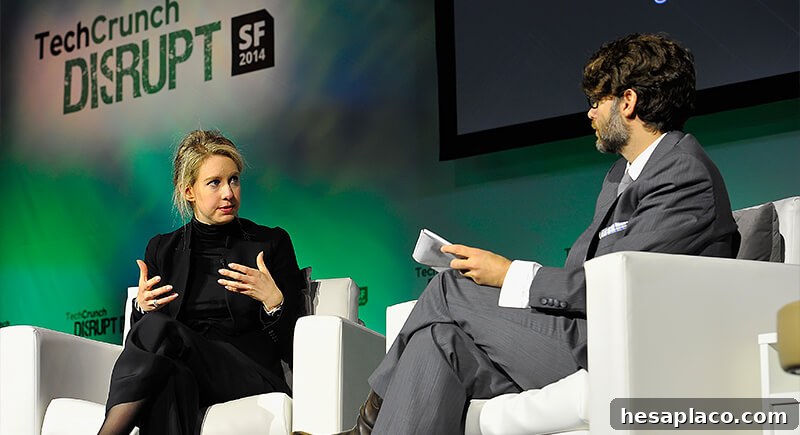
Credit: Wikimedia Commons
Theranos promised rapid, low-cost blood testing using only a few drops of blood, a claim that drew major investments and intense media attention. Internally, the company’s devices routinely failed and produced unreliable results, but these problems were concealed from investors, partners, and regulators. Approximately $700 million was raised before authorities intervened. When the company could no longer defend its claims, it collapsed and its leaders faced criminal charges.
FTX

Credit: Youtube
FTX expanded rapidly amid strong investor trust in its youthful founder and limited regulatory oversight in the crypto industry. Customer deposits were diverted into high-risk trades through affiliated entities, exposing client funds to significant losses. In 2022, a sudden loss of confidence triggered a swift collapse that erased billions in value. The founder was later sentenced to 25 years in prison as legal and recovery processes began for affected customers.
Lehman Brothers

Credit: Wikimedia Commons
In the lead-up to its failure, Lehman Brothers used a tactic known as Repo 105 to temporarily move large amounts of debt off its balance sheet, making its financial position appear healthier at reporting dates. Approximately $50 billion in liabilities were obscured through these transactions. Lehman’s 2008 bankruptcy sent shockwaves through global markets and intensified the financial crisis, highlighting weaknesses in risk management and financial disclosure.
Barings Bank
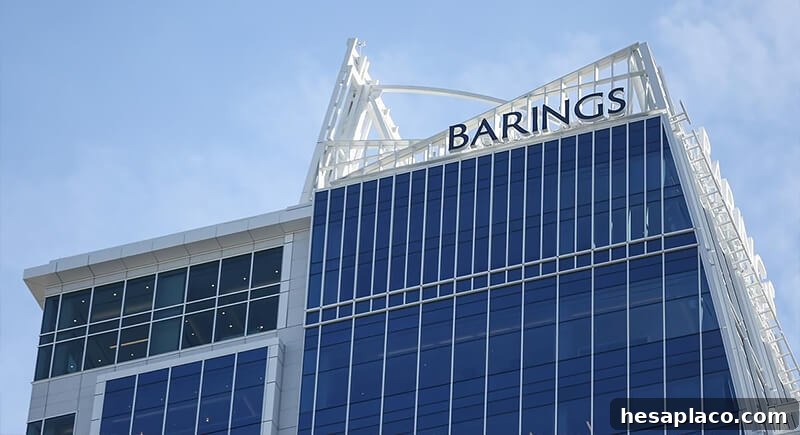
Credit: Facebook
The collapse of Barings Bank in 1995 can be traced to a single trader operating with little oversight. Unauthorized derivatives trades were concealed through falsified records while losses mounted. The resulting gap—about £827 million—forced the historic merchant bank into insolvency almost overnight. The case remains a cautionary example of the vital role that internal controls and supervision play in preventing catastrophic losses.
1MDB

Credit: Wikimedia Commons
The 1MDB scandal began as a state development fund but evolved into a sprawling international corruption case. Investigators traced roughly $4.5 billion siphoned through shell companies and offshore accounts, with funds used to buy luxury real estate, artwork, yachts, and other high-end goods across multiple countries. The investigation implicated banks, political figures, and intermediaries, making 1MDB one of the most complex and far-reaching fraud probes in recent history.
Luckin Coffee

Credit: Wikimedia Commons
Between 2017 and 2020, Luckin Coffee inflated revenues by fabricating approximately $310 million in sales to support rapid expansion and a successful U.S. initial public offering. Once the false figures were exposed, the stock collapsed and the company was delisted from NASDAQ. The episode prompted regulators in China and the United States to increase scrutiny of financial reporting by companies listed abroad.
These cases share common themes: weak internal controls, insufficient oversight, and ways that incentive structures can encourage risky or fraudulent behavior. While each scandal had unique features, together they emphasize the need for transparent accounting, rigorous audits, and corporate cultures that prioritize ethical conduct. Learning from these failures remains essential to prevent similar collapses in the future.