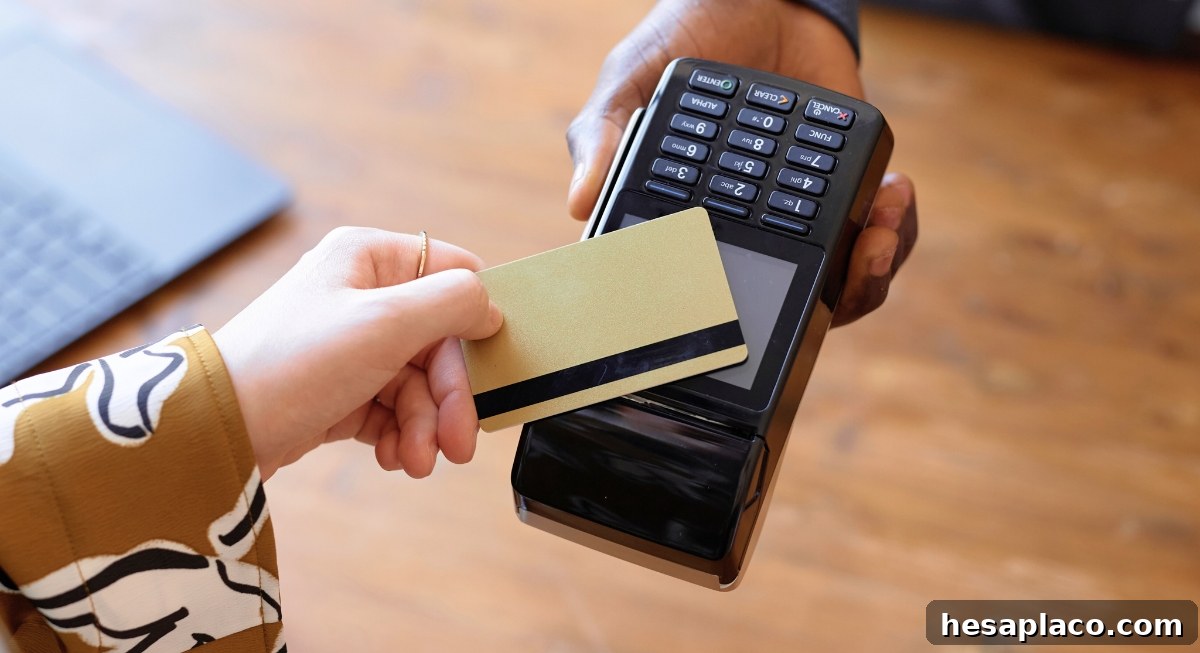
Debit cards are popular because they withdraw funds directly from your checking account, making purchases quick and straightforward. That convenience, however, comes with increased risk: when fraud occurs, the money is gone immediately and can take time to recover. Compared with credit cards, debit cards generally offer weaker consumer protections, so where and how you use them matters more than most people realize. Certain locations and situations—such as terminals susceptible to skimmers, environments that handle cards poorly, or transactions that create large temporary holds—can turn a routine purchase into a complicated problem.
Online Shopping Sites
Credit: Getty Images
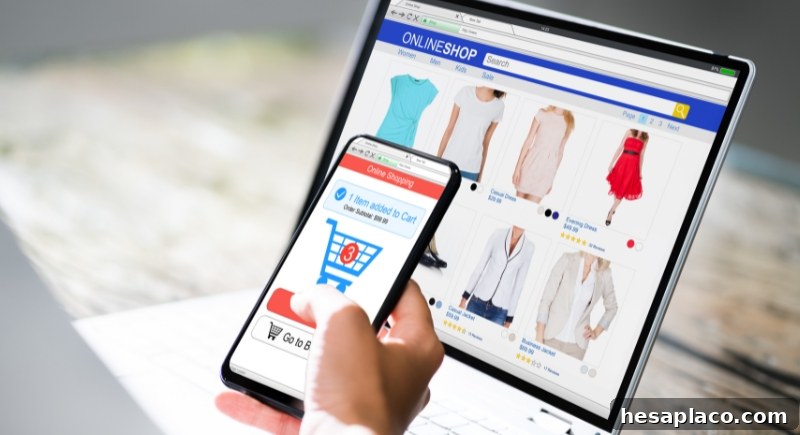
Entering a debit card number on an e-commerce checkout links your checking account directly to the internet. Because funds are immediately accessible, criminals who steal card details often use them quickly. Regulators have noted that online payment fraud remains one of the most common consumer complaints. When using a debit card online, prioritize secure, reputable merchants, look for HTTPS and trust seals, and consider using a virtual card number or a credit card for better dispute protections.
Restaurants Where Your Card Leaves the Table
Credit: Canva
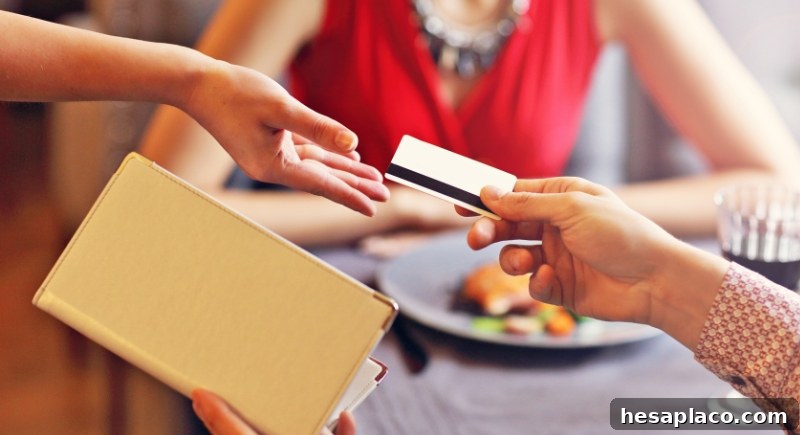
When a server takes your debit card away to process payment, you lose direct control of where it goes and who handles it. Many establishments still use older swipe terminals that rely on magnetic stripes, which are easier to copy than EMV chip or contactless options. Though rare, instances of card misuse by staff have occurred. To reduce risk, request that the bill be processed at your table or use a contactless or chip-based payment method when possible.
Gas Stations with Pay-at-the-Pump Terminals
Credit: DAPA Images
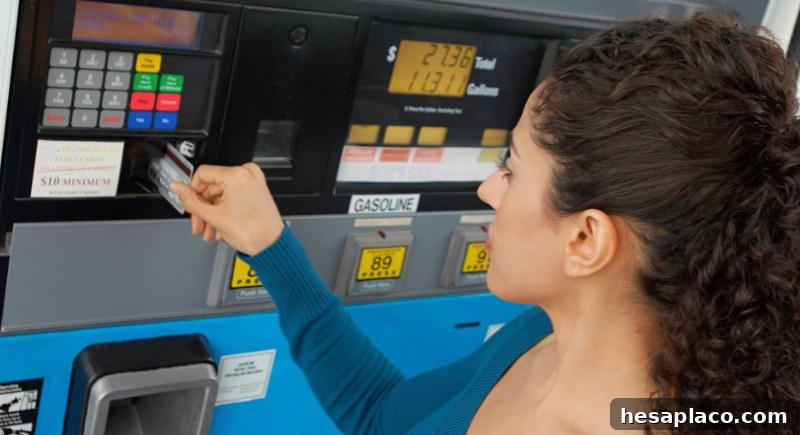
Gas pumps are a common target for skimming devices, especially older machines that lack chip readers and rely on magnetic stripes. Skimming devices can be very hard to spot because they are often designed to blend in with the real card slot. Using a debit card at the pump may expose both your account number and your PIN if the terminal asks for it. Whenever possible, prepay inside the station, use contactless payments, or use a credit card to reduce the risk of an immediate drain on your checking balance.
Pop-Up Events and Festivals

Credit: pexels
Temporary vendors at markets, pop-up events, or festivals commonly accept payments through mobile readers or personal devices. These setups may not follow the same security standards as permanent retailers, increasing the chance of data exposure. Crowded settings also make it easier for incorrect or fraudulent charges to go unnoticed. If you must pay a vendor at a festival, choose secure payment options, inspect the device being used, and monitor your account closely afterward.
Tourist Traps and Souvenir Shops

Credit: Canva
Busy tourist locations attract both travelers and opportunistic fraudsters. Payment terminals in crowded souvenir shops or kiosks may be poorly monitored or outdated, increasing the chance of card copying or unauthorized charges. International transactions are also more complicated to dispute, and currency conversions can mask fraudulent activity. Travel experts often recommend using credit cards while abroad because they limit direct exposure to funds in your checking account and typically offer stronger consumer protections.
Bars with a Tab System

Credit: pexels
Opening a tab at a bar with a debit card typically triggers an authorization hold, which can be larger than the final bill. That hold reduces available funds immediately and can remain in place until the merchant settles the charge, which sometimes takes several days. Errors such as duplicate charges or mistakenly high holds can tie up cash and lead to overdraft fees. Because credit cards handle authorization holds without depleting your checking balance, they are generally a safer choice for tabs.
Rental Services That Require a Deposit
Credit: pexels
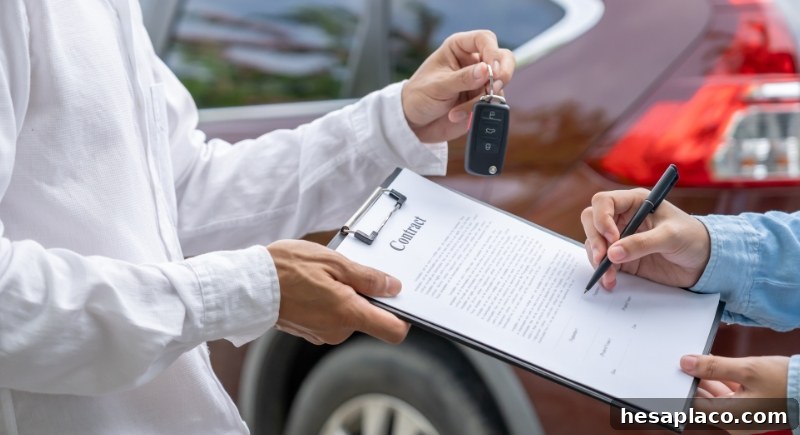
Car rentals, equipment rentals, and some vacation accommodations place large temporary holds on debit cards as damage or security deposits. Those holds can persist for several days after the item is returned, reducing your available balance and increasing the risk of overdrafts on routine purchases. Many rental companies prefer credit cards or may refuse debit cards entirely because credit cards provide more reliable dispute resolution without directly impacting your checking account.
Retail Stores with Old Card Readers
Credit: pexels
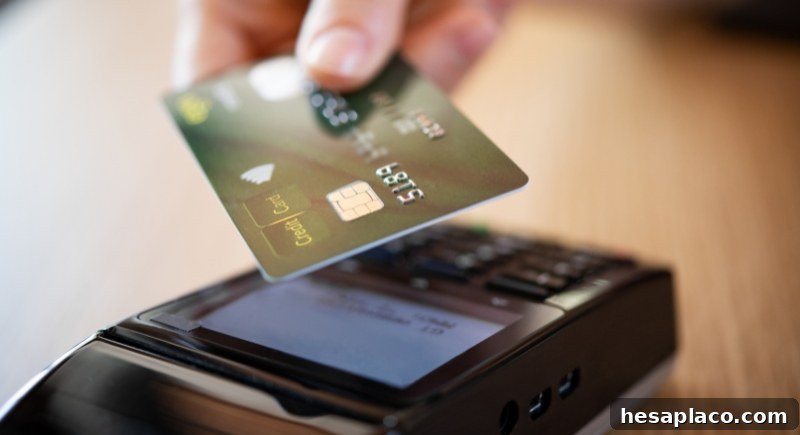
High-traffic retail outlets sometimes continue to use older terminals that accept swiped magnetic-stripe transactions. These systems are more vulnerable to tampering than EMV chip or contactless payments, which use better safeguards like tokenization. Criminals often target busy checkouts because slight modifications to a terminal can go unnoticed for longer periods. Choosing chip or contactless methods when available reduces the exposure of your real card details.
Popular Tourist ATMs and Kiosks
Credit: Canva
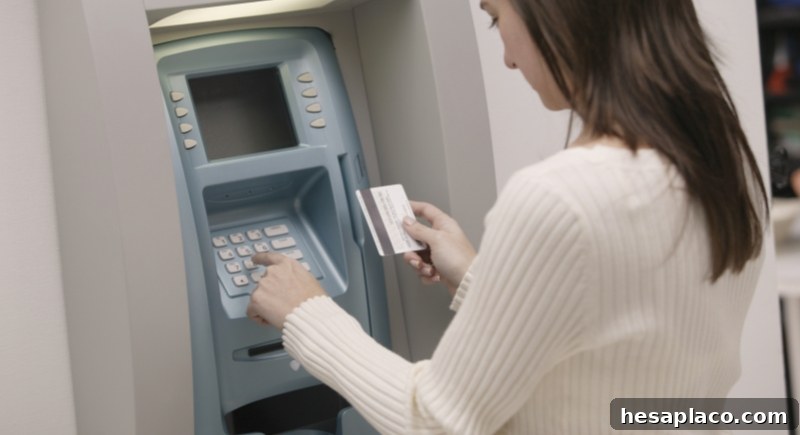
ATMs in busy tourist zones or outdoor locations are common targets for skimmers and other tampering devices. The lack of consistent monitoring and the ease of physical access make these machines attractive to criminals. Authorities advise using indoor ATMs located inside bank branches, airports, or well-lit convenience stores where monitoring is better. Fraud at an ATM can result in an account being drained within minutes, so vigilance is critical.
Peer-to-Peer Purchases from Strangers

Credit: Getty Images
Buying tickets, concert passes, or goods from strangers through social marketplaces often requires fast payments that offer little recourse if the seller disappears. Once money leaves a checking account via a debit card, reversing the transaction can be more difficult than disputing a credit card charge. Fraud tied to fake event tickets and peer sales tends to spike during busy seasons, so consider safer alternatives such as secure payment platforms, cashless escrow services, or using a credit card to preserve stronger dispute options.
In summary, debit cards are convenient for everyday spending, but they expose your checking account in ways credit cards do not. To reduce risk: prefer credit cards for online and travel-related purchases, use chip or contactless payments when available, avoid leaving your card out of sight, choose indoor ATMs, and monitor account activity frequently. If your debit card is compromised, report it to your bank immediately to begin the dispute and recovery process. Being mindful about where you swipe, tap, or hand over your card can significantly lower the chances of financial headaches down the line.