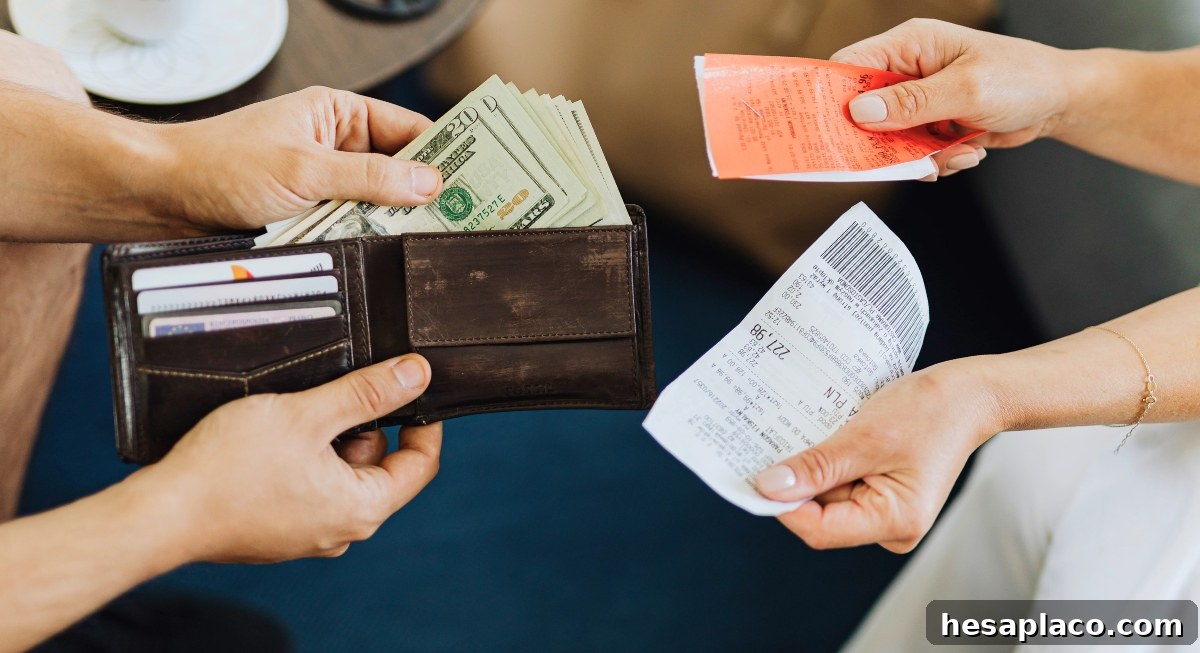
Most people carry more in their wallets than necessary: extra cards, old receipts, a backup key. These items may seem harmless, but they can increase the risk of identity theft, financial loss, or even a home break-in.
When a wallet goes missing, the contents can create immediate problems. Security experts recommend regular cleanouts for a reason. The following ten items are commonly overlooked, and removing them from your everyday carry can prevent significant headaches later.
Social Security Card
Credit: Getty Images
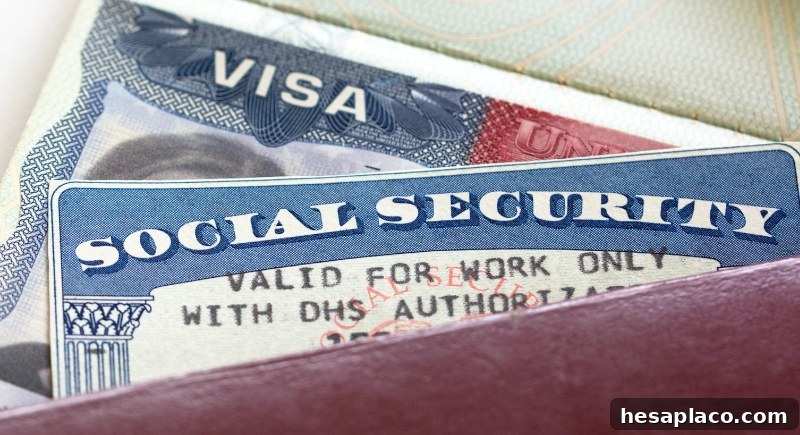
Your Social Security card contains a single, powerful identifier used to access financial, tax, and medical records. Unlike a credit card, you cannot simply cancel or freeze it. Except when you must present it for official paperwork, keep it locked in a secure place at home rather than carrying it daily.
Medicare Card
Credit: Getty Images
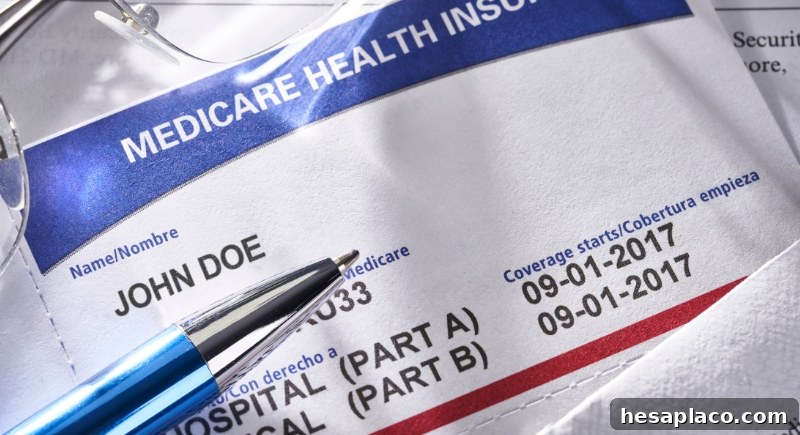
Older Medicare cards included full Social Security numbers, and although newer cards have improved, they still present a risk for healthcare fraud. Carry your Medicare card only when you have a medical appointment and return it to secure storage afterward to reduce exposure.
Spare House Key
Credit: Canva
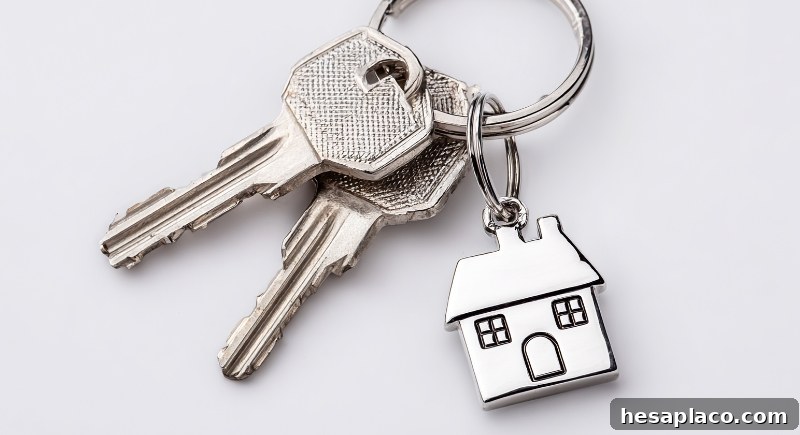
Carrying a spare house key with a driver’s license that shows your address creates an easy opportunity for thieves. Burglaries from lost wallets happen because criminals target simple openings. Leave spare keys with a trusted neighbor or family member instead of keeping them in your wallet every day.
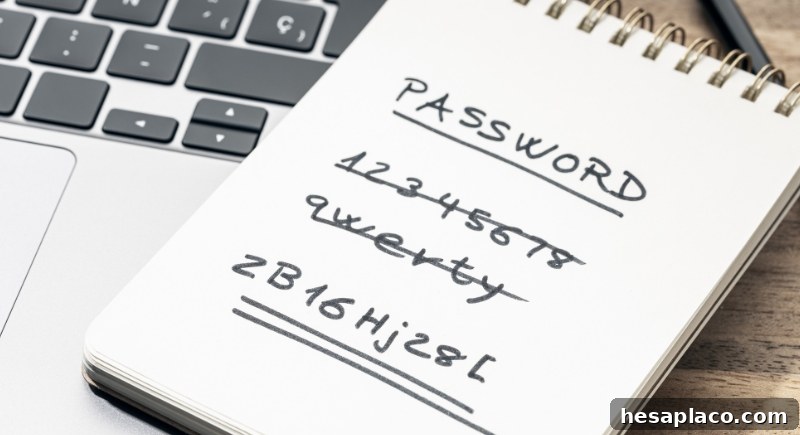
Written Passwords or PINs
Credit: Canva
Writing down passwords or PINs may seem convenient, but if that note is lost or stolen it hands attackers direct access to your accounts. Use a password manager or commit critical codes to memory rather than carrying physical notes that act as a shortcut to your security.
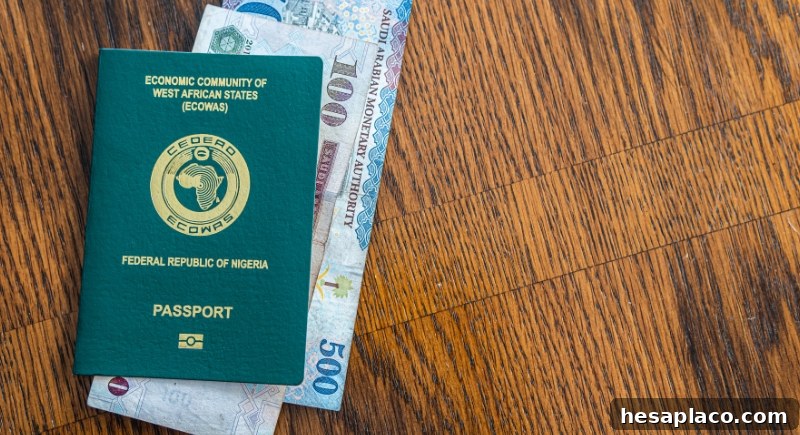
Passport or Passport Card
Credit: Prime Stock
Passports are highly valued on the black market. Stolen passports can be used to create fabricated identities, open accounts, or facilitate other abuses. Keep your passport locked at home and carry it only when you are traveling internationally.
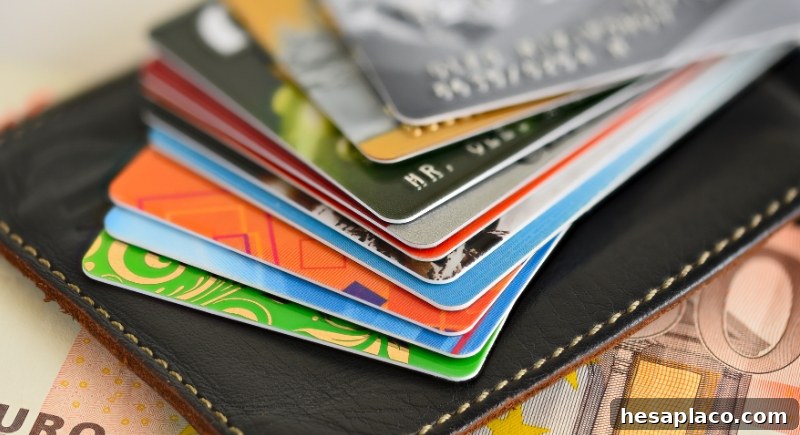
Excess Credit Cards
Credit: Canva
Each additional credit card increases how much damage a thief can inflict before you notice. Fraud detection may trigger on one account, but multiple cards allow more extensive losses and a longer recovery process. Carry a primary card and leave backups secured at home to limit exposure and simplify recovery if something goes wrong.
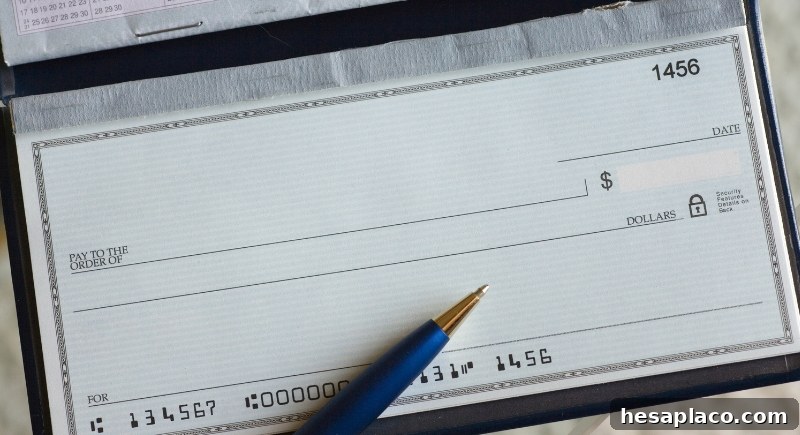
Blank Checks
Credit: Getty Images
Blank checks contain your bank’s routing number and your account number—enough information for someone to initiate transfers. Even unsigned checks are risky. In a world where digital transactions dominate, protecting paper documents with account details remains important.
Gift Cards With Balances

Credit: Getty Images
Gift cards offer no fraud protection: anyone who finds one can typically spend its balance immediately. If you have gift cards with remaining funds, store them securely at home until you intend to use them.
Old Receipts
Credit: Canva
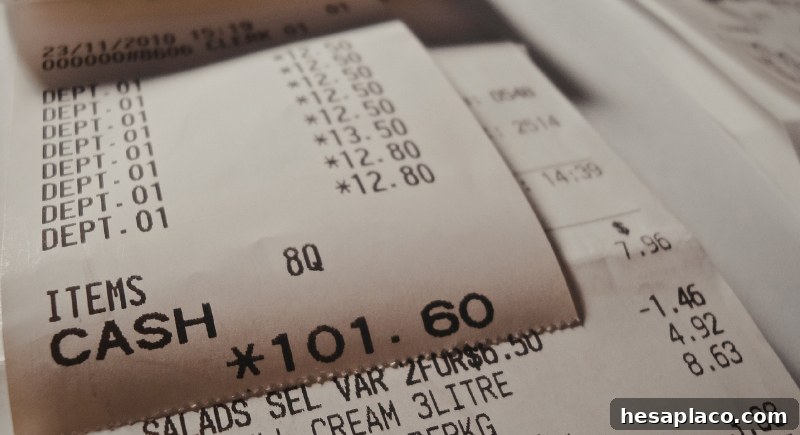
Receipts can reveal purchase habits, store locations, and partial card information. Criminals use these details to construct effective scams or to bypass fraud controls. Shred old receipts or store them digitally to remove data that could be exploited.
Work ID or Access Badge
Credit: Canva
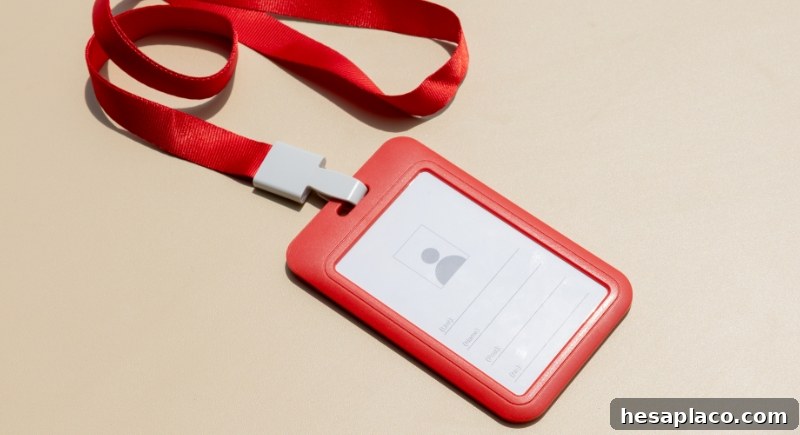
Losing a work ID is more than inconvenient. Many badges include barcodes, magnetic strips, or chips that grant building access or connect to internal systems. Keep your badge separate from your wallet, and report a lost badge immediately to your employer to prevent unauthorized entry or network access.
Routine wallet cleanouts are a simple, effective habit. Removing sensitive or unnecessary items reduces the potential impact if your wallet is lost or stolen and keeps your personal and financial life safer. Keep only what you need for the day, and store the rest securely at home.