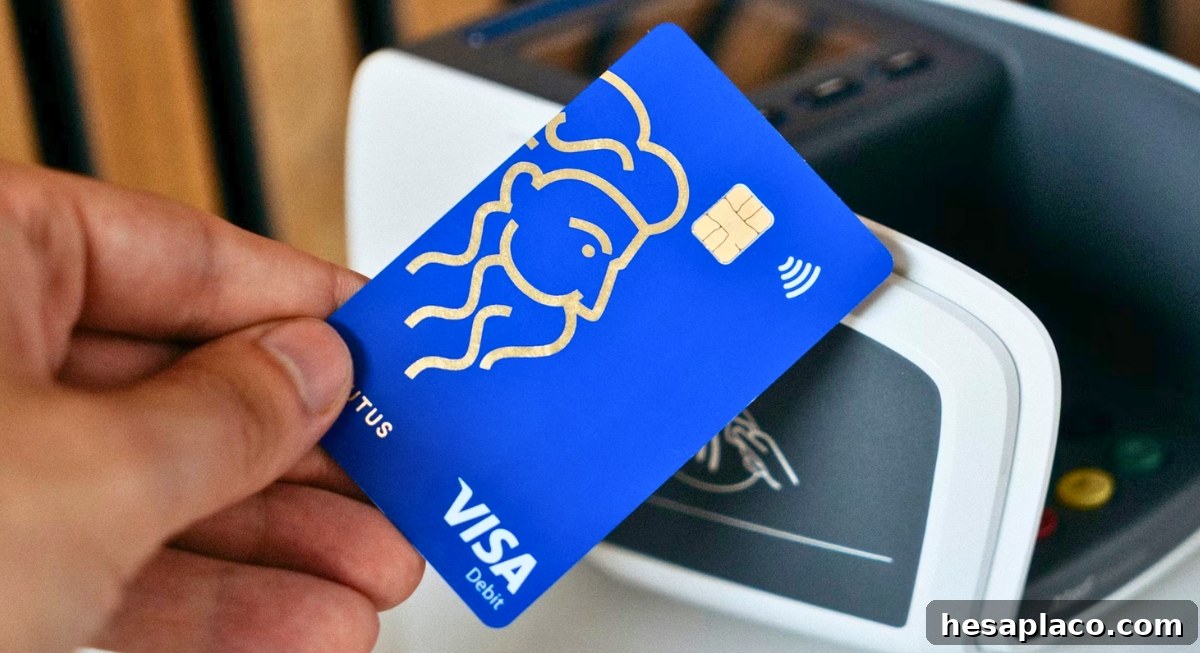
The origins of Visa are unexpectedly dramatic. What began as a tangled experiment many bankers wanted to end evolved into one of corporate history’s most unusual success stories. Early on, rules were unclear, trust between institutions was fragile, and the system expanded faster than its creators could manage. Mistakes played out in public, yet what remained after those chaotic years became the foundation for a global payments network.
A Credit Card Program Nobody Knew How to Control

Credit: 89Stocker
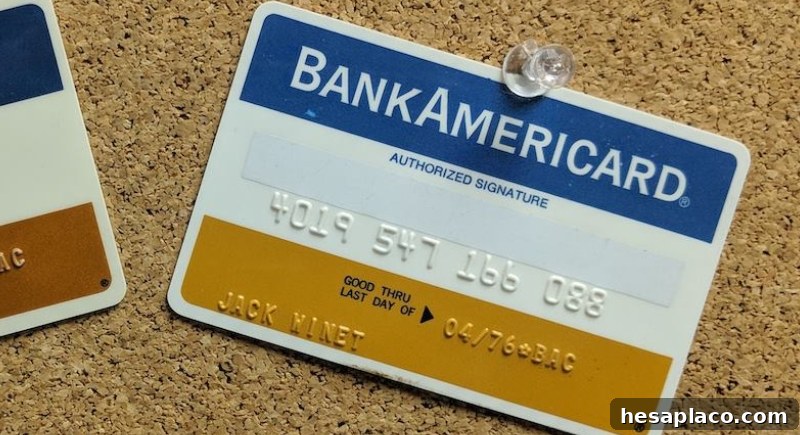
By the late 1960s, Bank of America was operating a rapidly expanding credit card program that was simultaneously out of control. Cards were issued widely with minimal vetting, leading to large unpaid balances and growing fraud. Complicating matters, the bank’s ability to do business across state lines was limited by law, so Bank of America began licensing the card program to other banks. That decision started the network but also introduced layers of fragmentation and inconsistent practices.
Dee Hock Wasn’t Trained for This
Credit: flickr
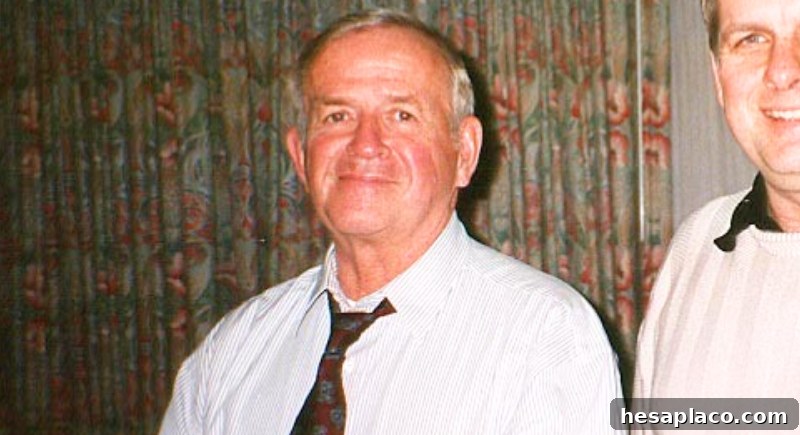
The problem eventually landed on the desk of Dee Hock, a manager at a small Seattle bank that belonged to the BankAmericard network. Hock was not a conventional banking executive; his background in history and philosophy shaped his systems-oriented thinking. Faced with a failing credit card operation, he did not focus on patching losses or imposing tighter control. Instead, he questioned whether the organizational structure itself was the root cause and sought a different approach.
Everyone Played by Their Own Rules
Credit: Reddit
At one point more than 250 banks issued BankAmericards, but each institution operated under its own procedures and legal interpretations. There was no unified fraud policy, no consistent dispute-resolution process, and no practical enforcement mechanism when breakdowns occurred. The result: constant finger-pointing among banks and frustrated customers caught in the middle.
The Proposal That Sounded Like a Bad Idea
Credit: Facebook
Hock proposed a radical solution: spin the credit card program out into an independent entity governed collectively by the member banks rather than controlled by Bank of America. The idea met fierce resistance for months—many viewed it as risky and unnecessary—but ultimately it won approval, largely because no one offered a better alternative to the systemic problems undermining the program.
A Business Structure That Flipped the Script

Credit: Getty Images
The resulting organization did not resemble a traditional corporation. Instead of a single owner or parent company, the new network—later named Visa—was owned by its member banks. Governance and decision-making were collective: the center did not dictate to the parts; the parts together formed the center. That distributed structure was unconventional but instrumental in reconciling competing interests and creating shared standards.
The Technology Couldn’t Keep Up

Credit: Facebook
When Visa launched as an independent network, much of its infrastructure still relied on manual processes. Transaction volumes surged, and the system nearly collapsed under the sheer load. The crisis pushed the organization to invest heavily in technology, leading to the development of core processing platforms—Base I and Base II—that automated authorization and settlement and delivered the scale and reliability the network needed.
Growth Wasn’t Always a Good Thing

Credit: Getty Images
As the network expanded, scale proved to be both advantage and vulnerability. More member banks brought higher transaction volume and wider acceptance, but also heightened the chance of errors and systemic risk: a single mistake in one region could disrupt thousands of transactions. Hock’s answer was to allow innovation and problem-solving at the edges of the network while maintaining shared core standards to contain risk.
Visa Wasn’t Always Called Visa

Credit: Africa Images
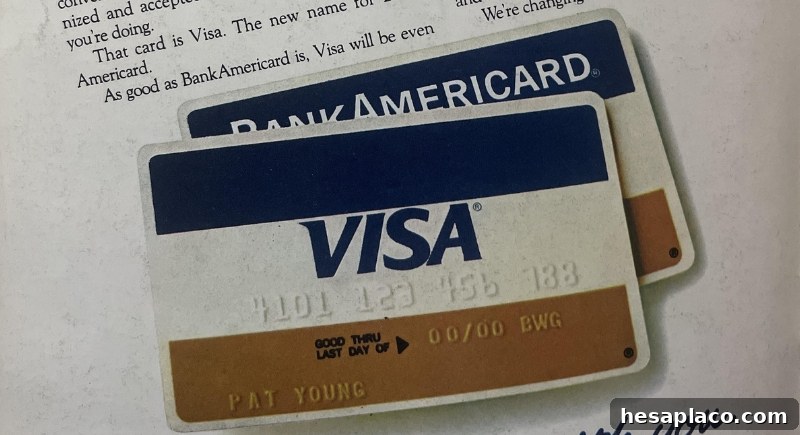
The newly independent organization initially operated under the name National BankAmericard Inc., a label that kept it tied to the troubled BankAmericard past and fueled unease among other member banks. In 1976 the network rebranded as Visa—a name chosen to project international reach, neutrality, and a clean break from prior associations. The rebranding helped reshape perceptions and support global expansion.
Leadership Meant Knowing When to Let Go

Credit: Getty Images
Dee Hock championed a leadership style that prioritized defining purpose and then stepping back. Rather than centralizing control, he trusted those closest to problems to make decisions. That minimalist, empowering approach confused many traditional managers who equated leadership with tight oversight, but it kept the organization adaptable and encouraged practical, localized solutions.
The Near-Failure That Changed Everything

Credit: Getty Images
Visa’s early existence was precarious. Technical failures, internal disputes, public skepticism, and regulatory scrutiny threatened the network’s survival. Rather than collapsing, the organization adapted by combining collective governance, technological investment, and decentralized decision-making. That blend—far from a conventional corporate playbook—helped Visa transform from a troubled experiment into the backbone of global electronic payments.