Generational change rarely happens by conscious design. Most often, older habits and systems fade because new solutions are faster, cleaner, or better aligned with contemporary routines. The examples below show how everyday parts of life—money, living space, media, shopping, and leisure—have fallen out of step as surrounding systems evolved and new conveniences emerged.
Checks

Credit: Getty Images
There was a time when paper checks were a routine part of adult finances: rent, utilities, contractor payments and casual reimbursements all moved through the mail. Over the past two decades the infrastructure around money changed dramatically. Direct deposit, online billing and peer-to-peer payment apps removed the delays and paperwork that once justified checks. Federal Reserve data show U.S. check use falling by more than 60 percent between 2000 and 2018, reflecting how digital payments better match how people live and work today.
Fabric Napkins
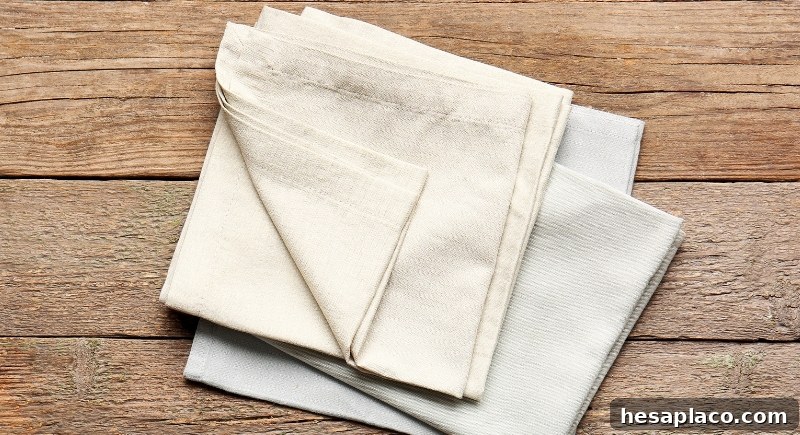
Credit: Canva
Meals are no longer confined to dining rooms. People eat on couches, at desks, in parks, and anywhere between errands. For many, disposable napkins or multipurpose paper towels make more sense than cloth napkins that must be washed and stored. Younger buyers tend to purchase fabric napkins far less often than older generations, partly because they value convenience and low-maintenance solutions that fit transient, mobile lifestyles.
Formal Living Rooms

Credit: Canva
As housing costs rise and square footage shrinks, homeowners often make trade-offs. A formal living room dedicated to occasional entertaining is a luxury many now forgo in favor of flexible space—home offices, workout corners, play areas for kids, or open layouts that support everyday life. The decline of the formal living room reflects a broader preference for functional, multipurpose living spaces that match how people actually spend their time.
Fabric Softener

Credit: Canva
Laundry routines have been simplified as appliances and detergents improved. Sales of fabric softener declined sharply after 2007, in part because many younger consumers questioned whether it was necessary. Modern detergents, washing machines and dryer technologies often deliver the softness and cleanliness people want without an extra step, so many households cut fabric softener from their laundry routines to save time, money and product buildup on clothing and appliances.
Cable Television
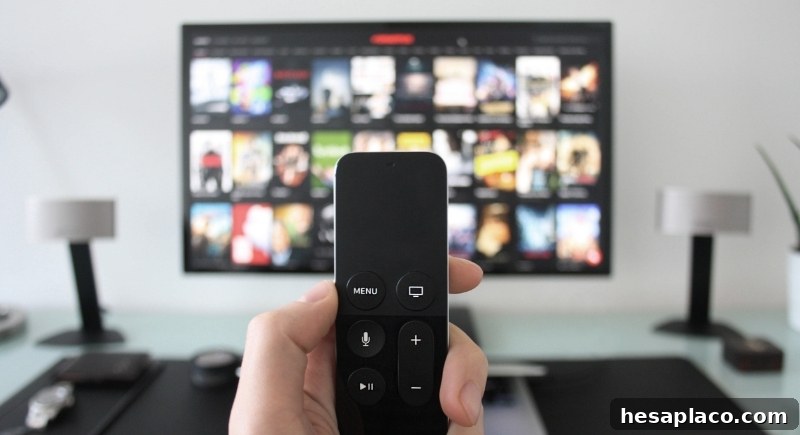
Credit: pixabay
Appointment television—scheduling your evening around a specific start time—has been supplanted by on-demand viewing. Streaming services let viewers pause, rewind or watch shows days or weeks later, freeing leisure time from rigid broadcast schedules. That flexibility better fits varied workdays, parenting duties and social commitments, and has driven many households to cut the cable cord in favor of streaming platforms and digital bundles that put viewers in control.
Golf

Credit: Getty Images
Leisure activities that demand long, uninterrupted blocks of time face an uphill battle in modern schedules. A typical four- or five-hour golf outing is harder to fit alongside work, family and other commitments—especially when equipment, greens fees and course access add cost. Younger adults are participating in golf at lower rates than previous generations, and courses are experimenting with shorter rounds, twilight pricing and more casual formats to appeal to people with limited time.
Department Store Loyalty

Credit: Getty Images
Shopping used to be an afternoon ritual of browsing and discovery at department stores. Today’s shoppers are more transactional: they search, compare prices and read reviews before leaving home, and they expect quick shipping and clear return policies. The convenience of online alternatives and the ability to find specific items instantly have eroded long-standing loyalty to brick-and-mortar department stores.
Casual Dining Chains
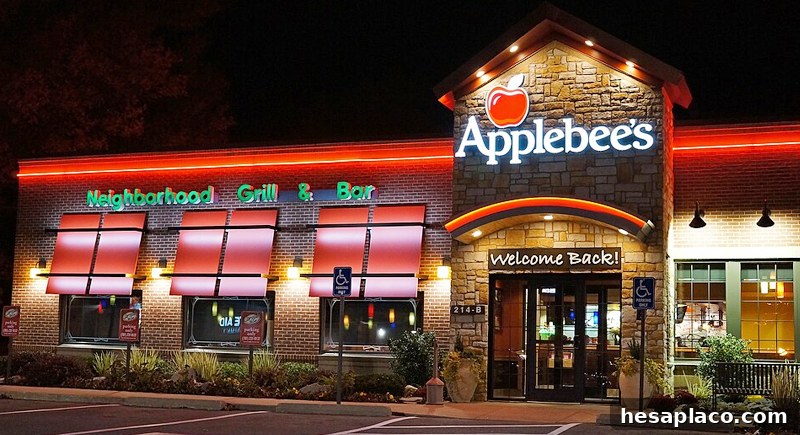
Credit: Wikimedia Commons
Deciding where to eat often starts with a phone now. Diners check menus, compare prices and estimate wait times before leaving home. The rise of fast-casual concepts, delivery apps and improved at-home cooking options has reduced traffic at many national casual-dining chains. As customer expectations shift toward speed, customization and convenience, some chains are rethinking menus and service models to remain relevant.
Bar Soap

Credit: Canva
Shared bathrooms—among roommates, family or guests—change how people think about hygiene and ease of use. Liquid soap dispensers are often perceived as cleaner and easier to manage than bar soap, especially in high-traffic or compact spaces. While bar soap remains popular with many who prefer its sustainability or fragrance options, liquid soap’s convenience and perceived hygiene advantages have made it the default choice in many modern households.
Physical Bank Branches

Credit: Canva
Banking no longer requires frequent visits to a physical branch. Checking balances, transferring funds and depositing checks are tasks people complete on their phones while commuting or between errands. Younger customers visit branches far less often than older generations, prompting banks to scale back branch networks and invest heavily in mobile apps and online services that provide convenience and 24/7 access.
These shifts share a common theme: as adjacent technologies and social patterns change, older practices can feel burdensome or irrelevant. When new options save time, reduce friction, or better reflect how people live, the old routines often disappear without dramatic intent—simply because they no longer fit the rhythm of everyday life.