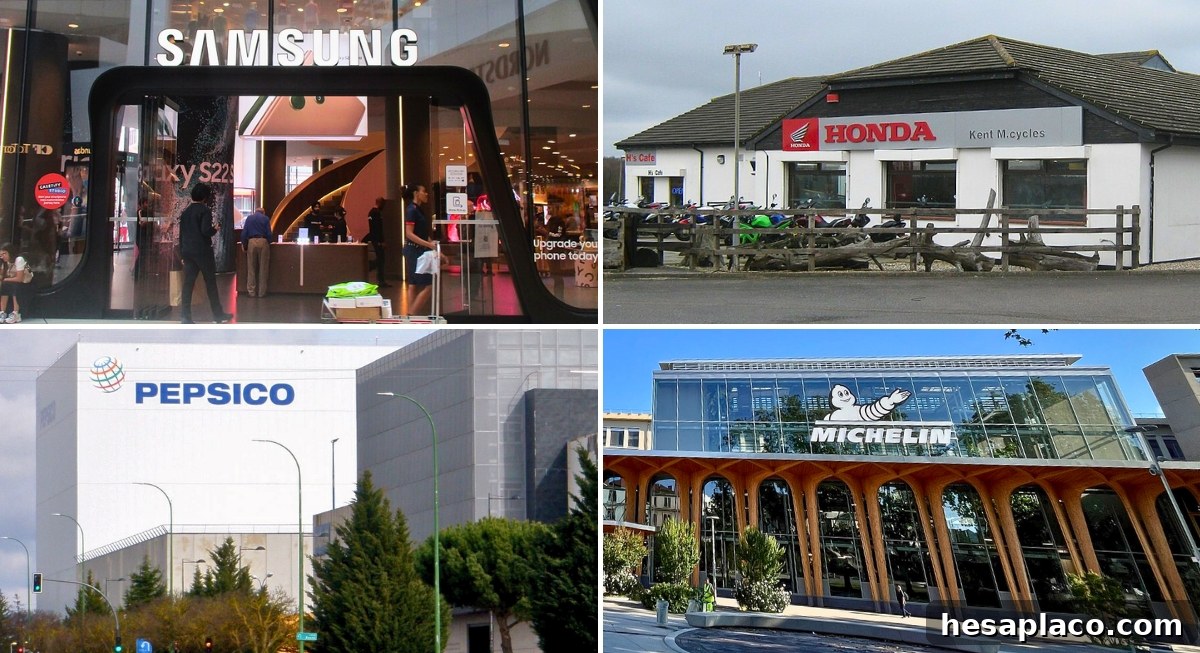
Most companies stay within familiar territory, building on what they know best. A few, however, take surprising detours into entirely different industries—and succeed. These brands manage product lines and services you wouldn’t expect to share a logo. Below is a guided look at companies that operate in two or more very different arenas and have done so effectively.
Guinness: Beer and World Records
Credit: Wikimedia Commons
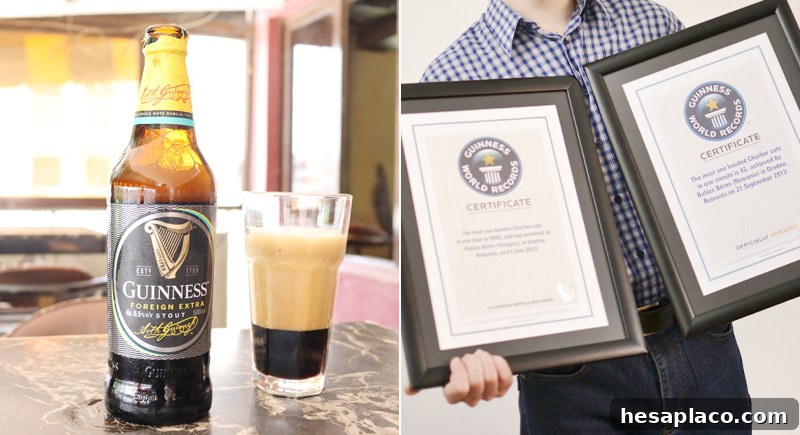
In the 1950s, the managing director of the Guinness Brewery wanted to settle pub arguments about obscure facts. Rather than appoint a permanent arbiter, the company published a compendium of curiosities. The resulting Guinness Book of Records quickly outgrew its pubroom origins and became a globally recognized authority on superlatives and extreme achievements.
Yamaha: Pianos and Motorcycles
Credit: Wikimedia Commons
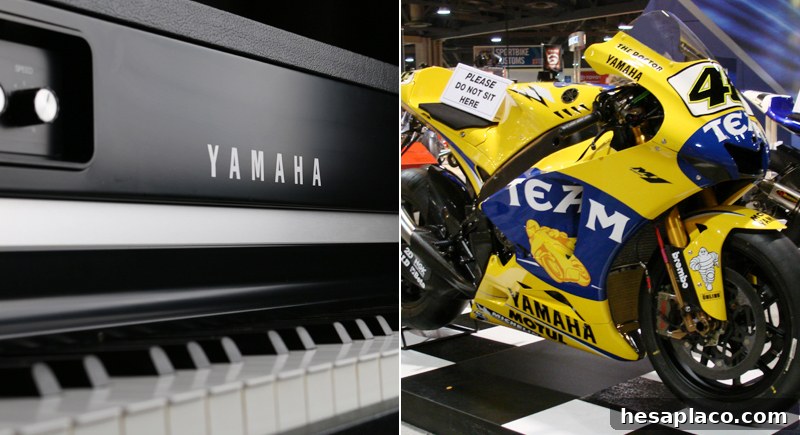
Founded in the late 19th century as a manufacturer of pianos and reed organs, Yamaha’s musical roots remain a strong part of its identity. After World War II, as Japanese industry diversified, Yamaha expanded into new areas and ultimately established Yamaha Motor Co. in 1955, creating a brand known both for high-quality musical instruments and motorcycles.
Samsung: Electronics and Heavy Industry
Credit: Wikimedia Commons
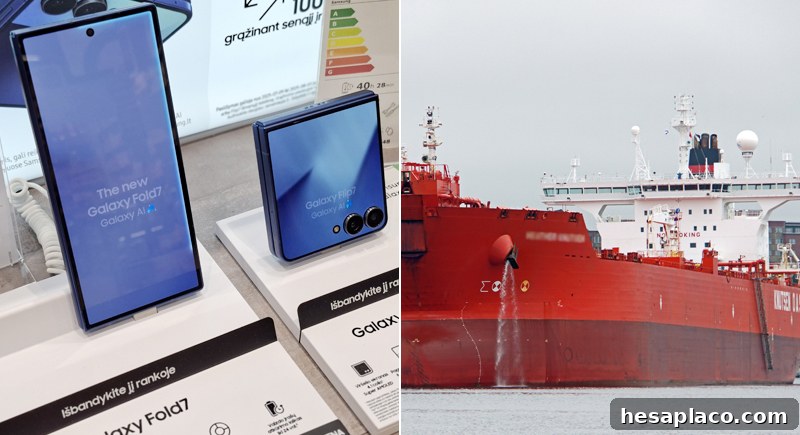
Today’s Samsung is synonymous with consumer electronics, from smartphones to TVs. Its history, however, began with trading dried fish and noodles. Over the decades the company diversified into shipbuilding, construction, insurance and semiconductors, growing into a global conglomerate with interests spanning light consumer goods to heavy industry.
Coors: Brewing and Advanced Ceramics
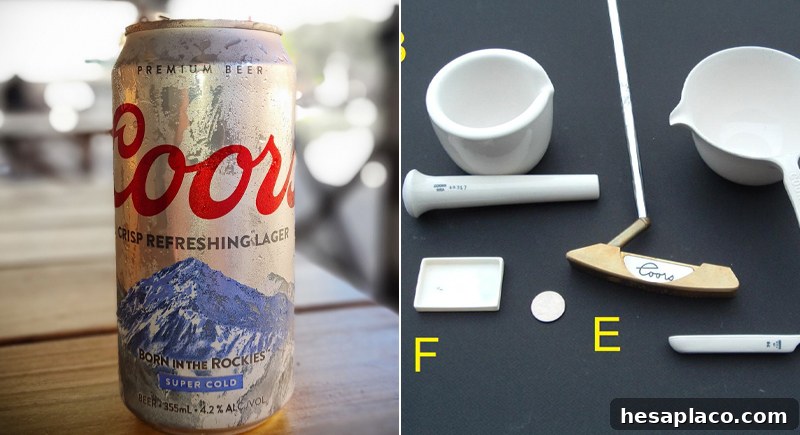
Credit: Wikimedia Commons
When Prohibition closed off Coors’s core beer business, the company leaned on a previously minor activity: ceramics. What began as a temporary side operation became a critical revenue stream. Today, CoorsTek designs and manufactures advanced ceramics used in medical implants, aerospace components and industrial applications—an unexpected but successful diversification from its brewing origins.
Sony: Electronics, Entertainment, and Media
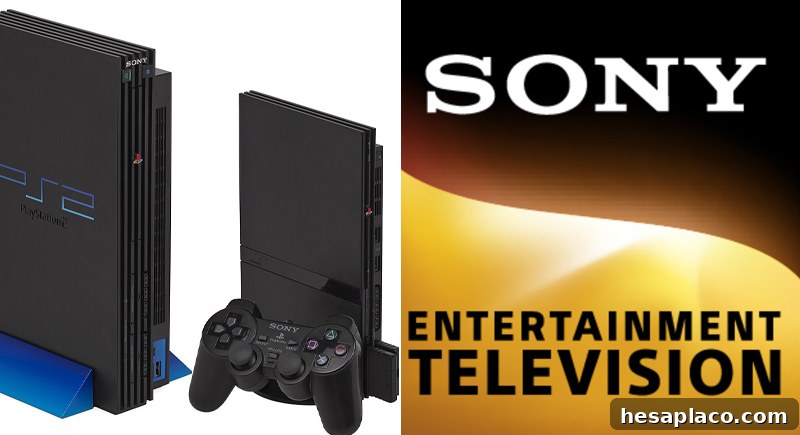
Credit: Wikimedia Commons
Sony manufactures a wide range of electronics, but it also operates in music and film. The company’s strategy to control both the devices and the content they play outlived early ambitions to integrate hardware and media. Acquisitions like Columbia Pictures and the launch of PlayStation helped Sony become a household name across multiple generations and industries.
3M: Adhesives and Aerospace Materials
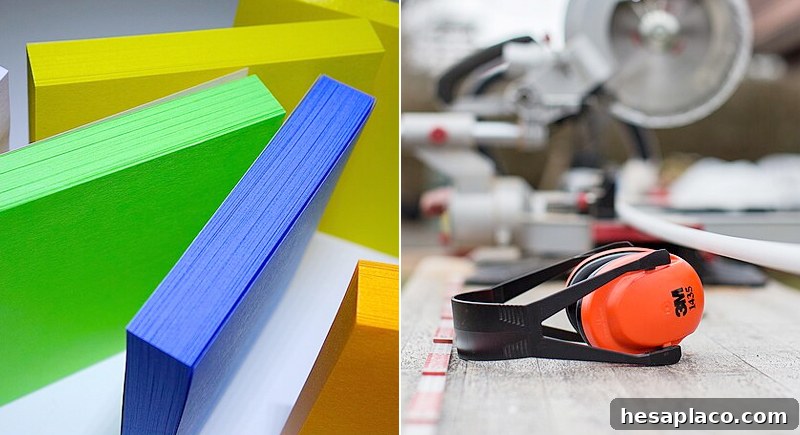
Credit: Wikimedia Commons
Known widely for Post-it Notes and Scotch Tape, 3M began as a mining startup in Minnesota and evolved into a diversified manufacturer of abrasives, adhesives and safety products. The company’s culture of applied innovation extended into advanced materials used in aerospace, electronics and medical devices, showing how seemingly simple consumer products and high-tech industrial solutions can come from the same inventive core.
PepsiCo: Beverages and Everyday Foods
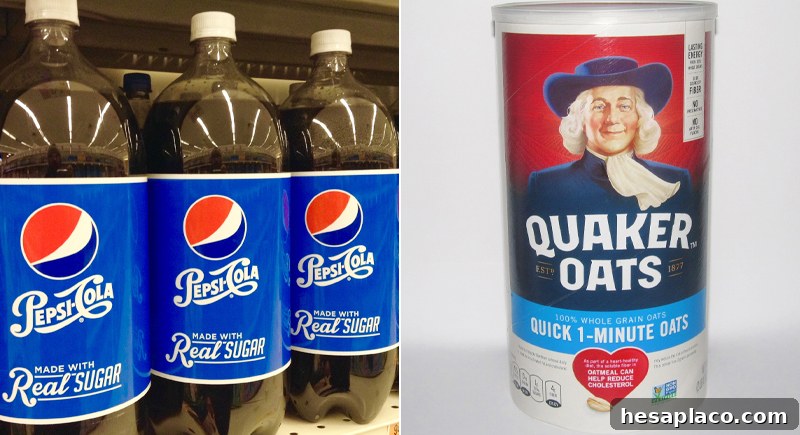
Credit: Wikimedia Commons
PepsiCo’s portfolio goes well beyond soft drinks. In addition to beverage brands, the company owns major snack and food lines such as Frito-Lay, Quaker Oats and Sabra. That breadth means the same parent company produces items ranging from carbonated sodas to wholesome oatmeal, allowing PepsiCo to compete across multiple grocery aisles and customer preferences.
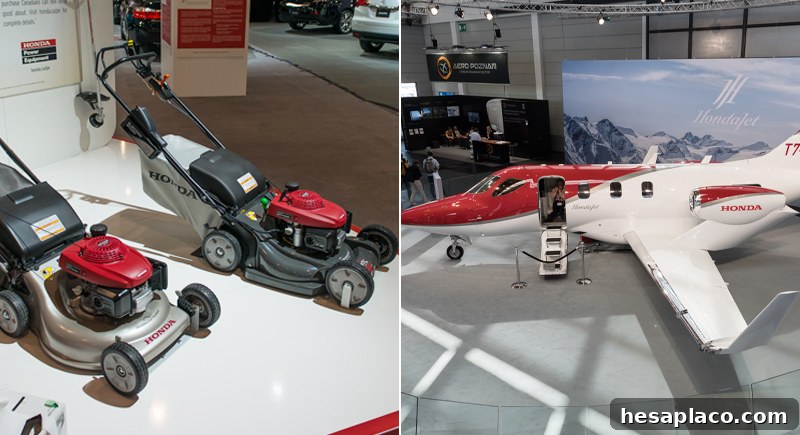
Honda: Small Engines to Business Jets
Credit: Wikimedia Commons
Famous for cars and motorcycles, Honda also produces engines for lawnmowers, marine use and generators—and even developed a small business jet. The HondaJet, which first flew in 2003, emphasizes fuel efficiency and reduced cabin noise. This range—from $250 lawn mowers to advanced light aircraft—illustrates Honda’s engineering breadth under a single brand.
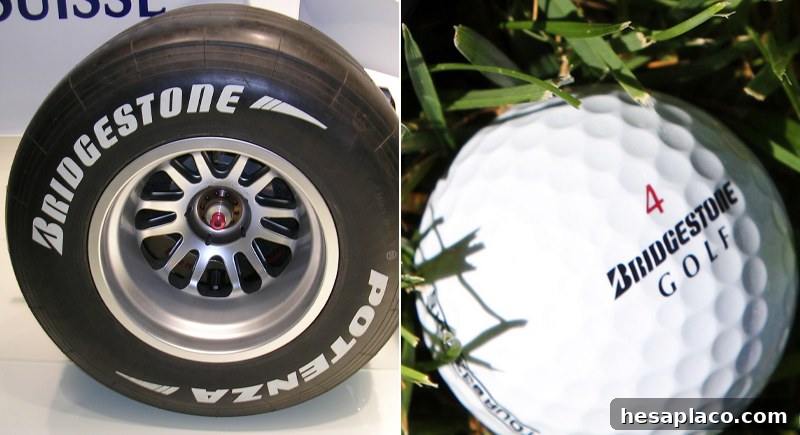
Bridgestone: Tires and Golf Equipment
Credit: Wikimedia Commons
Bridgestone’s founder, Shojiro Ishibashi, combined a passion for tires with a love of golf. The company turned that hobby into a serious business by applying tire-makers’ rubber and materials expertise to golf-ball technology. Today Bridgestone is a recognized name in both automotive tires and golf equipment, sponsoring motorsports teams and professional golfers alike.
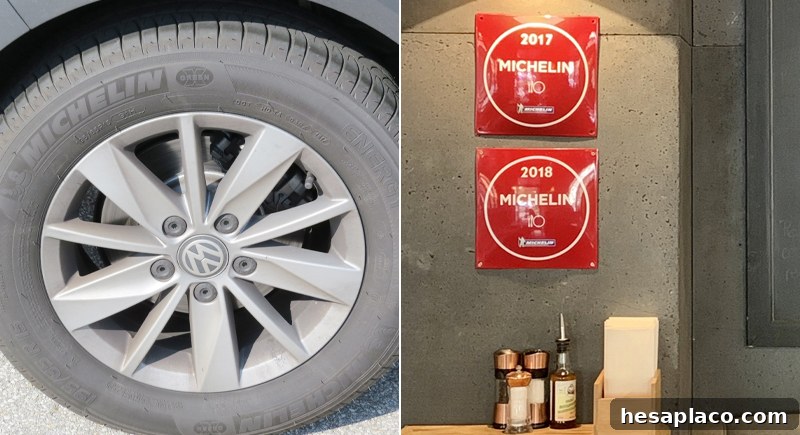
Michelin: Tires and Culinary Recognition
Credit: Wikimedia Commons
The Michelin Guide began as a clever marketing effort to encourage travel—and thus more tire purchases. First published in 1900, the guide offered travel advice, repair shop locations and eventually restaurant recommendations. Its iconic star rating system evolved into a prestigious measure of culinary excellence, demonstrating how a tire company created one of the world’s most influential dining guides.