
Analysts cover many companies, but some consistently stand out in their reports because their fundamentals are steady and their strategic direction is clear. These are not speculative or trendy picks; they are businesses that have adapted, maintain durable advantages, or continue to meet consistent demand. Below are ten companies analysts say deserve attention, each for its own reasons.
Campbell’s
Credit: Wikimedia Commons
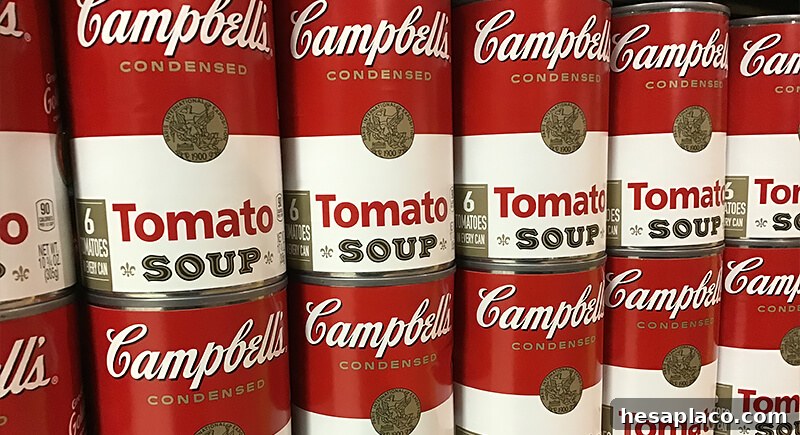
Campbell’s multiyear cost-reduction program is improving supply-chain efficiency and enabling the company to move products more effectively. Its core grocery items remain reliable sellers, particularly when consumers favor familiar, value-oriented choices. The savings plan provides financial flexibility, and current share prices trade below several analysts’ valuation estimates, making the company a potential value play.
Constellation Brands

Credit: pexels
Constellation Brands benefits from leading import beer brands like Modelo and Corona, which hold strong positions in the premium import segment. Demand in that category is historically resilient, and frequent product innovation gives retailers steady rotation. The company’s distribution scale is a meaningful competitive edge, and analysts point to a gap between current market prices and intrinsic value estimates as an attractive entry opportunity.
BAE Systems

Credit: Wikimedia Commons
Commitments to defense spending in Europe and the United States provide predictable revenue streams for BAE Systems’ aviation and cybersecurity businesses. Large backlogs tied to multiyear contracts deliver stability in an otherwise volatile environment. Analysts noting the depth of those contracts expect continued robust cash flow, and current share levels trade at discounts relative to many valuation models.
Yum China

Credit: Wikimedia Commons
Urbanization and changing consumer habits in China favor quick-service and convenient dining, supporting Yum China’s expansion of KFC and Pizza Hut. Strong adoption of digital ordering and delivery helps sustain traffic and sales. Even when growth softens during economic slowdowns, the company’s shares remain priced below several fair-value assessments, according to some analysts.
Chipotle Mexican Grill
Credit: Wikimedia Commons
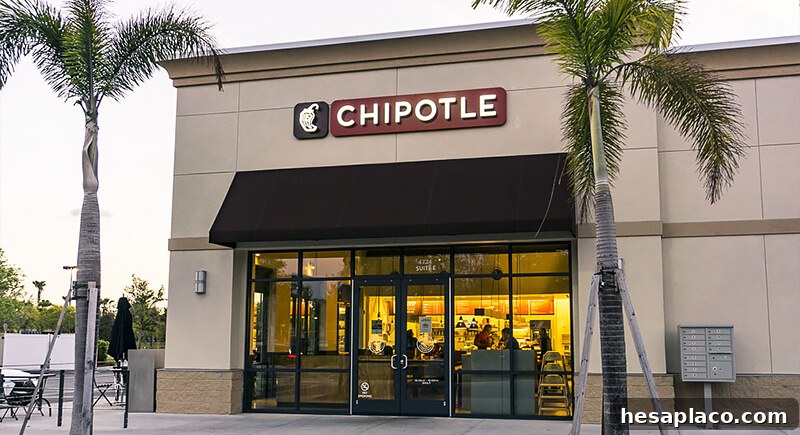
Chipotle’s robust digital platform and loyalty ecosystem underpin substantial repeat business; its loyalty program exceeds 40 million members who help sustain sales momentum. Continued unit growth across the U.S. reinforces the company’s leading position in fast-casual dining. At certain valuations, analysts like those at Morningstar consider the stock meaningfully below fair value, which may appeal to long-term investors.
Ambev
Credit: Wikimedia Commons
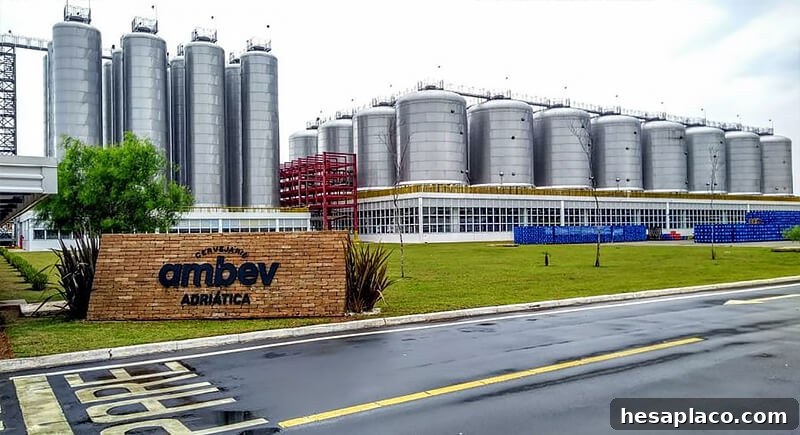
Ambev is well positioned as beer consumption in Latin America continues to shift toward its portfolio of brands, providing the company with pricing flexibility. Its distribution network reaches many markets that are difficult for competitors to serve, creating durable advantages. Analysts focusing on cost structure and market reach see sustainable profitability across regions, and the stock trades notably below several independent valuations.
Clorox

Credit: Wikimedia Commons
Stability in demand for cleaning and household products gives Clorox a reliable revenue base even when consumers tighten spending. Growth in e-commerce has expanded its reach to shoppers who prefer online purchasing, while ongoing investments in product innovation and efficiency help sustain its market position. Several valuation measures currently place the stock below widely cited fair-value benchmarks.
Tyler Technologies
Credit: Facebook
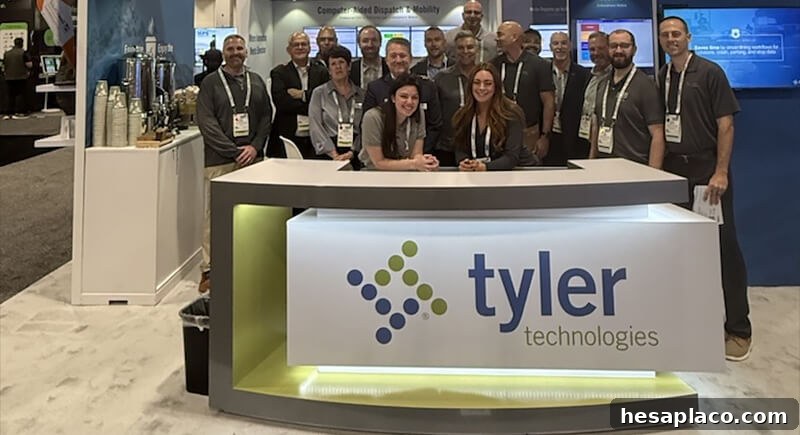
Tyler Technologies supplies software systems used by city and county governments to manage courts, tax collection, public safety, and other functions. Once implemented, these systems often remain in place for many years, creating predictable, recurring revenue. Ongoing cloud migration and subscription offerings add newer revenue layers, and published research suggests the stock trades below projected intrinsic value despite the company’s strong market position in government technology.
Bristol Myers Squibb

Credit: Facebook
Bristol Myers Squibb has refreshed its product pipeline with new oncology and immunology therapies that are starting to offset older drugs nearing patent expiry. Strategic acquisitions and collaborative development programs have strengthened the pipeline and reduced some research risk. Analysts tracking clinical outcomes see a solid foundation for revenue growth in the coming years, and the company’s share price often trades below many analysts’ target valuations, maintaining institutional interest.
Coloplast

Credit: Wikimedia Commons
Coloplast has built a strong position in global ostomy and continence care through sustained product development and disciplined cost management since 2008. Improved profitability has allowed the company to pursue measured expansion into new markets, with an increasing focus on the United States as part of its growth strategy. Analysts recognize Coloplast’s long-term product pipeline and operational discipline as key strengths.