
Analysts cover many companies, but a handful regularly appear in their reports because they show consistent fundamentals, clear strategic direction, and reliable demand. These are not speculative names; they are businesses that have adapted well to changing conditions, maintain meaningful competitive advantages, or continue to meet consumer and institutional needs in ways that stand out. Below are ten companies that analysts highlight as worth watching, each for its own reasons.
Campbell’s

Credit: Wikimedia Commons
Campbell’s multiyear cost-reduction program is improving supply-chain efficiency and lowering operating costs, which strengthens margins and cash flow. Its core grocery brands remain staples for many consumers, particularly when buyers favor familiar, trusted products. The savings program provides financial flexibility, and several analysts view the stock as trading below their valuation targets—making it a potential value opportunity for long-term investors.
Constellation Brands

Credit: pexels
Constellation Brands benefits from strong positions in the premium import beer segment with brands like Modelo and Corona, where demand tends to hold up well over time. The company’s scale and distribution relationships give it an advantage when introducing new beverage concepts and maintaining shelf rotation. Analysts point to a gap between the current market price and intrinsic-value estimates as an attractive entry point for investors seeking exposure to beverage category leadership.
BAE Systems

Credit: Wikimedia Commons
BAE Systems benefits from sustained defense spending across Europe and the United States, which provides revenue visibility for its aviation, naval, and cybersecurity divisions. Large multiyear contracts and backlogs create unusual stability in an otherwise volatile market environment. Analysts who examine contract depth and future cash flows often view the shares as trading at a discount to fair value, reflecting the company’s resilient position in defense and government services.
Yum China

Credit: Wikimedia Commons
Yum China’s portfolio—led by KFC and Pizza Hut—fits well with China’s growing demand for quick, convenient dining options. Urbanization and rising digital ordering support steady traffic, while investments in delivery and mobile platforms strengthen customer engagement. Even with periodic economic slowdowns, analysts note that the stock trades well below several fair-value estimates, leaving room for upside as the company expands its footprint.
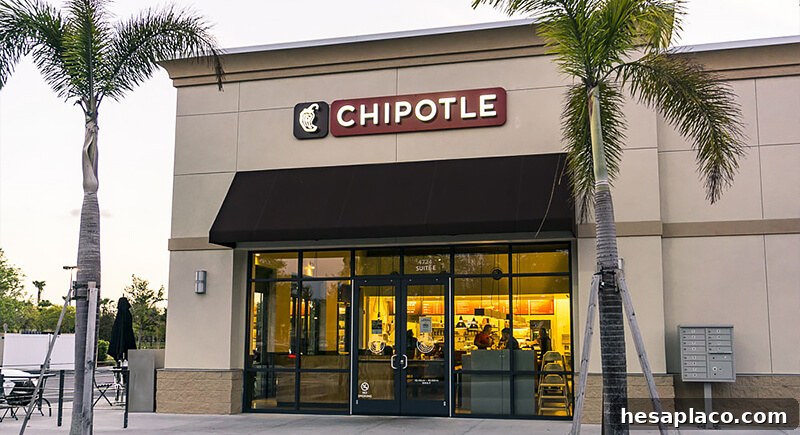
Chipotle Mexican Grill
Credit: Wikimedia Commons
Chipotle’s investment in a digital ecosystem, including a large loyalty program of more than 40 million members, underpins recurring visits and strong sales momentum. Ongoing expansion with new restaurant openings reinforces its position in the fast-casual segment. Independent valuations, such as Morningstar’s, suggest the stock may be trading significantly below fair value—an indication analysts point to when considering Chipotle for long-term growth-oriented portfolios.
Ambev

Credit: Wikimedia Commons
Ambev continues to gain from shifting beer-consumption patterns across Latin America, where its controlled brands are increasingly preferred. Its extensive distribution network reaches remote and underserved markets, giving it pricing and market-share advantages competitors find hard to match. Analysts highlight the company’s cost structure and regional strength as drivers of durable profitability, while the stock currently sits below several independent valuation benchmarks.
Clorox

Credit: Wikimedia Commons
Clorox benefits from steady demand for cleaning and household products, categories that remain resilient in tighter economic conditions. Growth in e-commerce has broadened its reach to consumers who prefer online shopping, and investments in product innovation and manufacturing efficiency have reinforced its market position. Analysts frequently cite the stock’s trading level as below common fair-value estimates, making it attractive to value-minded investors focused on consumer staples.
Tyler Technologies

Credit: Facebook
Tyler Technologies provides software systems that manage courts, tax collection, public safety, and other essential government functions for cities and counties. Once implemented, these systems tend to remain in place for many years, producing recurring, predictable revenue. Ongoing cloud migration initiatives create additional subscription-based income streams. Analysts note that despite its strong position in government technology, the stock is trading below some projected valuations.
Bristol Myers Squibb

Credit: Facebook
Bristol Myers Squibb has refreshed its pipeline with new oncology and immunology treatments that help offset revenue declines from older drugs losing patent protection. Strategic acquisitions and collaborative research reduce development risk and broaden future growth opportunities. Analysts tracking clinical progress and pipeline depth see a solid foundation for upcoming years, and the stock’s discount to target prices has sustained interest from institutional investors.
Coloplast

Credit: Wikimedia Commons
Coloplast has built a long record of product development in ostomy, continence, wound, and skin-care products, which supports durable demand in healthcare markets. Since 2008 the company has emphasized cost discipline, improving margins and freeing resources for selective expansion—particularly into the U.S. market, which is an increasing focus of its growth plans. Analysts tend to view Coloplast as a steady performer with solid long-term prospects based on product innovation and disciplined operations.