
A handful of Mercedes-Benz models have become incredibly rare, to the point that even dedicated collectors find them difficult to locate. Many were never intended to become legends: some were limited-run experiments, others disappeared into private garages before their significance was recognized. Decades later, they are the kind of cars people talk about more than they actually see. Below are examples of Mercedes vehicles that achieved rarity for a variety of unique reasons.
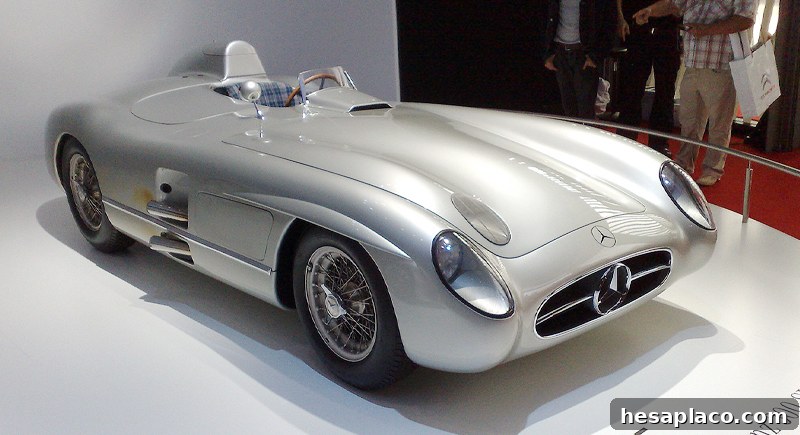
Mercedes-Benz 300 SLR W196S Uhlenhaut Coupe
Credit: Wikimedia Commons
Built with racing pedigree in mind, the Uhlenhaut Coupe never actually competed but remains one of the most coveted Mercedes models. Only two were made, and one served as the personal car of engineer Rudolf Uhlenhaut. Its reported top speed—around 180 mph—was extraordinary for its era. When one example sold for a record sum in 2022, it effectively vanished from the collector market.
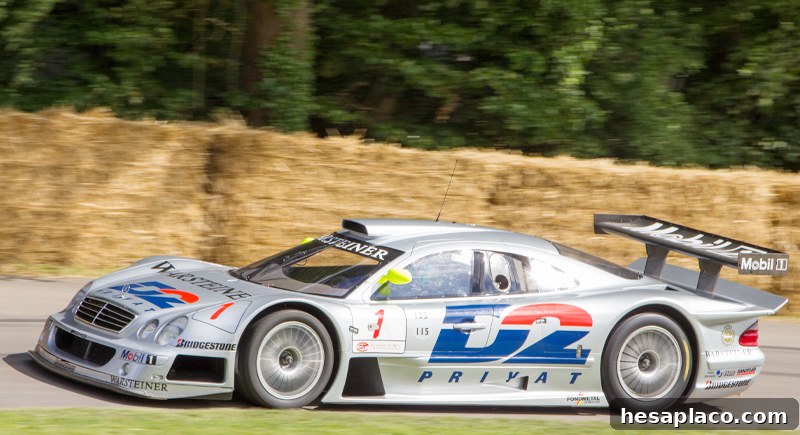
Mercedes-Benz AMG CLK GTR Strassenversion Super Sport
Credit: Wikimedia Commons
To meet homologation rules for the FIA GT Championship, Mercedes created road-legal versions of its race car. The Super Sport variant is exceptional: only two were built with the factory-installed 7.3-liter V12. Later conversions that mimicked the original setup exist, but the pair built from new stand apart because they left the factory in that configuration.
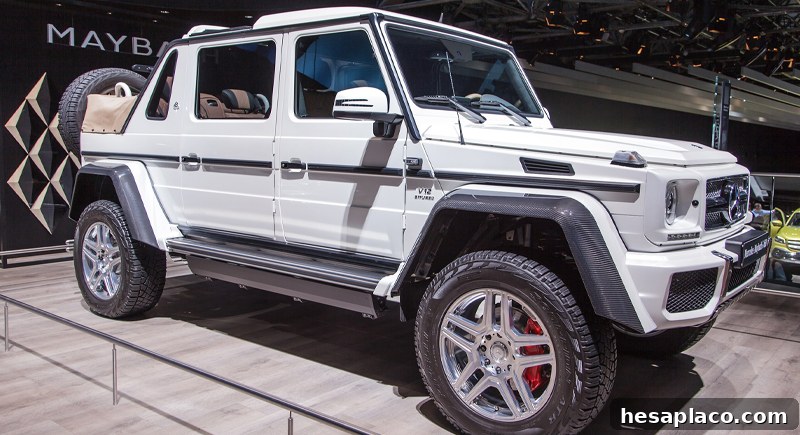
Mercedes-Maybach G 650 Landaulet
Credit: Wikimedia Commons
The G 650 Landaulet occupies an unusual niche between ultra-luxury transport and high-riding off-roader. Mercedes built 99 examples in 2017, each featuring a partially open rear compartment and a powerful V12 engine. The model was not offered in the U.S., and its short production run produced a very consistent specification across the limited number built.
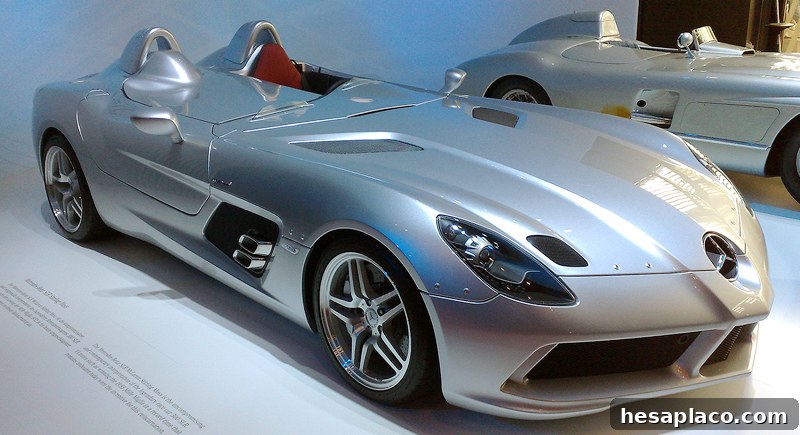
Mercedes-Benz SLR McLaren Stirling Moss
Credit: Wikimedia Commons
This special edition honored Mercedes’ 1950s racing heritage and borrowed styling cues from historic speedsters. With no windshield and extensive carbon-fiber construction, it delivered a raw, focused driving experience distinct from the standard SLR. Production was limited to 75 units in 2009, and many owners kept their mileage low, so surviving cars are often very well preserved.
Mercedes-Benz 600 Pullman Landaulet
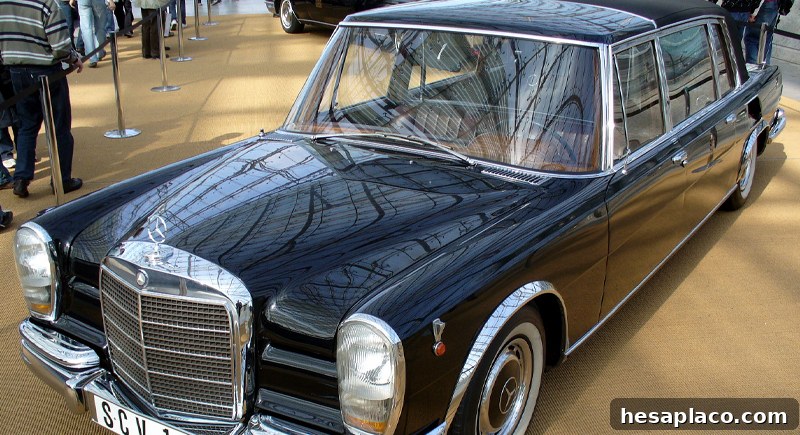
Credit: Wikimedia Commons
Renowned for its role in state ceremonies, the Pullman Landaulet was built for formal appearances rather than daily driving. Its extended wheelbase and rear folding section accommodated official processions. Only 33 examples were produced, and most of the survivors remain in government or institutional collections, preserved as historical artifacts rather than used cars.
Mercedes-Benz SL 73 AMG
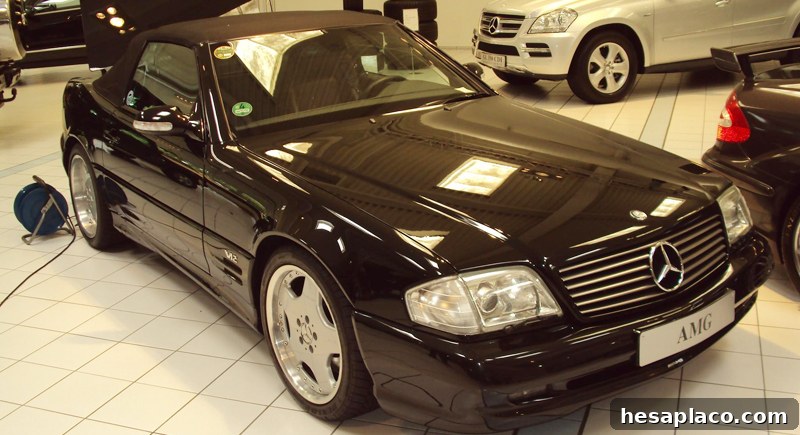
Credit: Wikimedia Commons
The SL 73 began life as an SL600 before AMG significantly enlarged the V12 engine, yielding performance that was unusual for a luxury roadster of its era. Production numbers were small and the car received limited attention at the time. Interest has since grown, partly because the engine’s lineage links to powerplants later used in high-end sports cars from niche manufacturers.
Mercedes-Benz S-Type 26/180 Sports Tourer
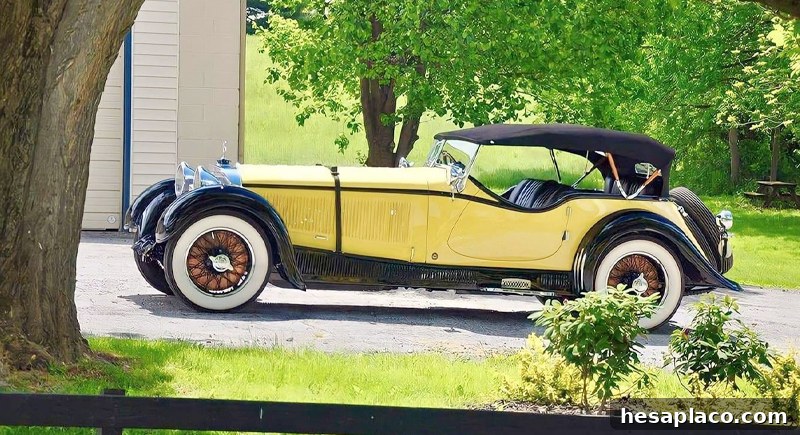
Credit: Facebook
In the late 1920s, the S-Type distinguished itself with a supercharger that drivers could engage for short bursts of additional power. That feature made the car competitive in period events. Surviving cars frequently come with extensive documentation because their early owners often entered races and kept careful records—papers that now shape each car’s provenance and value.
Mercedes-Benz E60 AMG
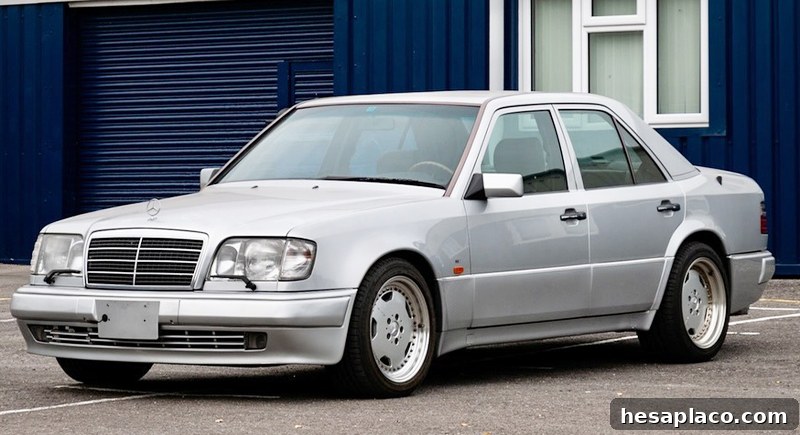
Credit: Instagram
The E60 AMG emerged from a period when AMG operated with more independence and produced limited-run conversions. Based on the 500E, it received a larger V8 and upgraded suspension components. The result was a restrained, high-performance sedan that flew under the radar compared with flashier 1990s performance cars. Enthusiasts later recognized it as an example of AMG’s disciplined craftsmanship from that era.
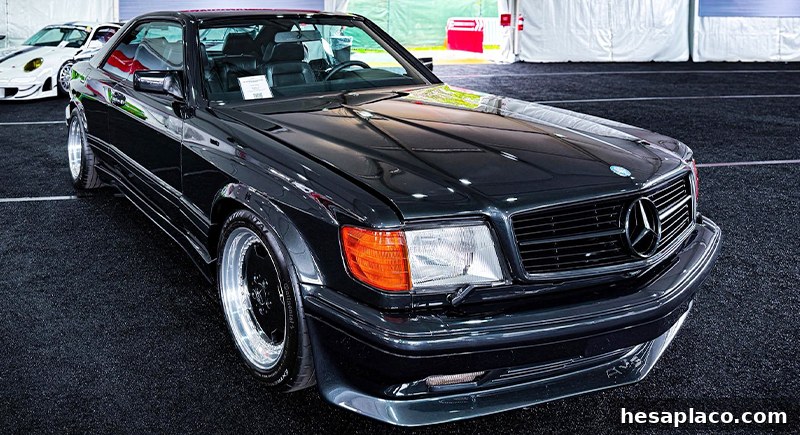
Mercedes-Benz AMG 560 SEC 6.0 Wide Body
Credit: Instagram
The 560 SEC 6.0 offers a clear view of AMG’s bespoke customization before the division formally integrated with Mercedes-Benz. Orders and specifications varied widely, so two cars built in the same year could have different trim and interior arrangements. The wide-body fenders are the visual hallmark, but the true appeal lies in the custom touches commissioned by individual customers.
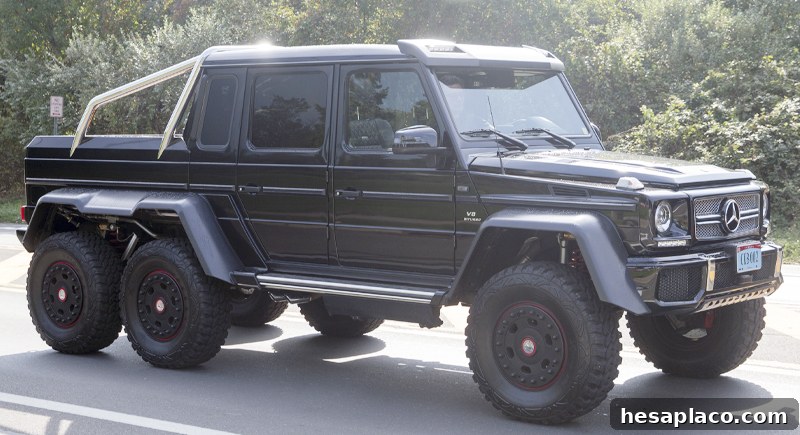
Mercedes-Benz G63 AMG 6×6
Credit: Wikimedia Commons
The G63 AMG 6×6 represents a period when Mercedes allowed engineering excess to take center stage. With six driven wheels, portal axles, and a specialized chassis, it was never intended for mass production. Only a limited number were made, and many examples ended up in private collections where they were stored and preserved rather than used regularly. Aftermarket builders later brought renewed attention to the model with dramatic custom projects.