
When choosing where to live, people first look for reliable healthcare, steady incomes, safety, and a sense of fairness. Nations that consistently perform well in these areas tend to combine strong public services, forward-looking policies, and systems that support both workers and families.
Data from sources such as the Numbeo Quality of Life Index, the Human Progress Index, and U.S. News Quality of Life rankings paint a clear picture of places where daily life feels stable, healthy, and comfortable without sacrificing variety or opportunity.
Denmark
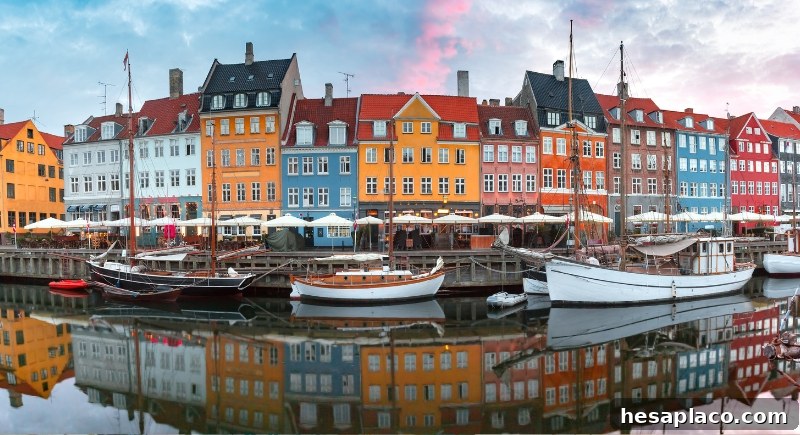
Credit: Getty Images
Denmark’s extensive social support system makes everyday life more manageable. High work-life satisfaction, broad healthcare access, and strong health outcomes consistently rank the country highly. Low crime rates and dependable public services simplify commuting, childcare, and long-term planning, helping residents feel secure and well supported.
Switzerland

Credit: pexels
High average incomes in Switzerland support comfortable housing, routine healthcare, and frequent domestic travel. The healthcare system ranks among the best globally, and life expectancy is notably high. Strict environmental regulations keep pollution low, and political stability sustains steady economic growth reflected in multiple international indicators.
Norway

Credit: Getty Images
Norway’s quality of life benefits from strong economic stability driven by well-managed natural resources and sovereign wealth funds. Well-funded public services improve access to education and healthcare, while excellent safety records and efficient transportation reduce daily stress and shorten commute times.
Sweden
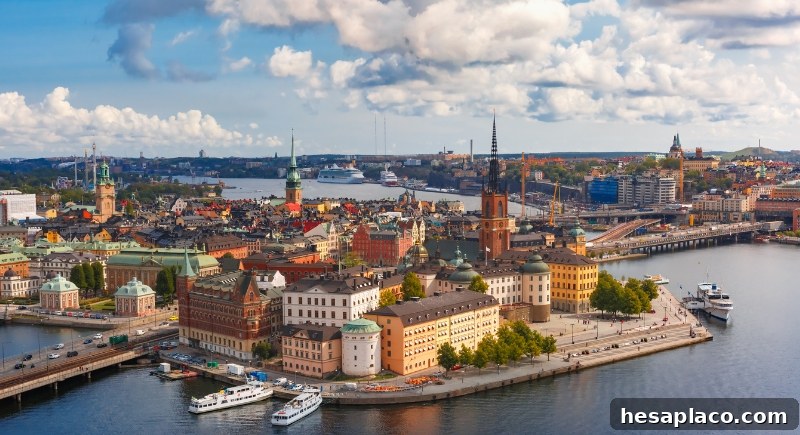
Credit: Getty Images
Sweden frequently ranks highly because it combines universal healthcare with strong life expectancy and a competitive education system. Job security and consumer protections boost household purchasing power, while political stability and clear labor laws add predictability to daily life.
Finland
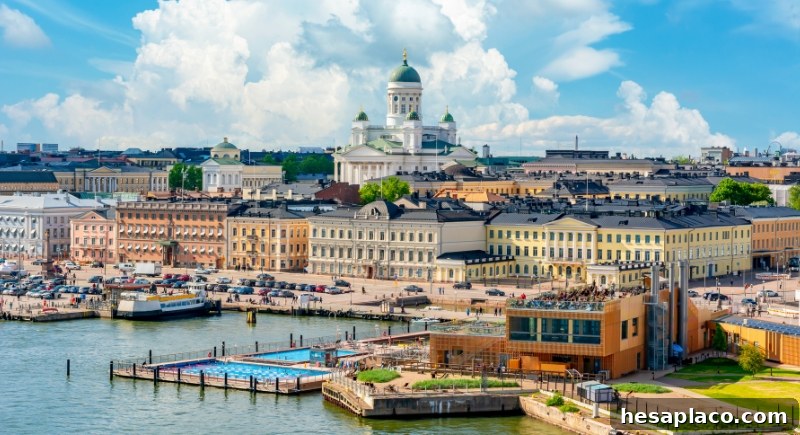
Credit: Getty Images
Low pollution, high safety satisfaction, and a world-class education system shape Finland’s everyday environment. Accessible, dependable healthcare and strong social trust reduce worries about long-term finances, while excellent schooling supports high literacy and favorable job placement for graduates.
Netherlands

Credit: Getty Images
The Netherlands offers efficient transport networks and strong safety records that make both city and rural life comfortable. High-quality healthcare and competitive wages increase purchasing power, and the nation’s cycling infrastructure reduces traffic and improves air quality—boosting daily wellbeing.
Germany
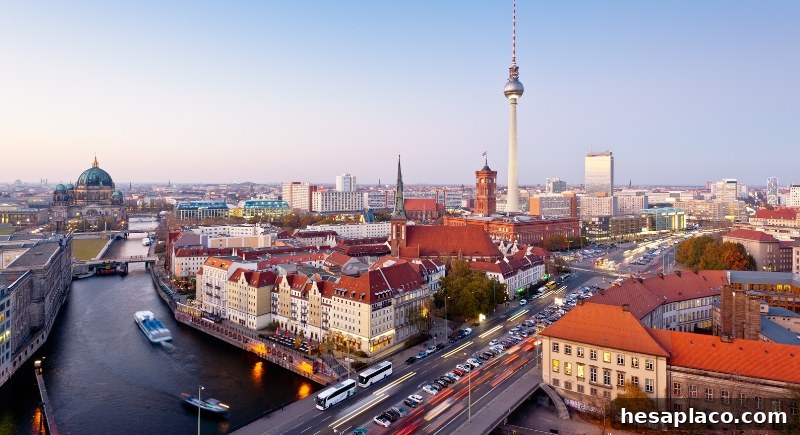
Credit: Getty Images
Germany’s strong economy supports reliable employment and competitive wages. A structured healthcare system with mandatory insurance makes routine care widely available. Extensive public transportation lowers commute stress, safety remains high across most regions, and consistent education quality strengthens opportunities for younger generations.
Australia

Credit: pexels
High life satisfaction in Australia stems from widespread healthcare access and robust income levels that help households meet everyday needs. Strong educational outcomes, stable governance, and consistent public investment support predictable services, while safety and a pleasant quality of life are frequently cited by residents.
Canada

Credit: Canva
Though quality of life can vary between cities and regions, Canada’s broad healthcare access and dependable public services keep overall standards high. International assessments also highlight the country’s immigration system, which provides newcomers with job opportunities and social support networks.
New Zealand

Credit: Canva
New Zealand offers a relaxed lifestyle supported by solid healthcare access and high life expectancy. Economic stability helps families manage rising costs while maintaining comfortable living standards. Strong safety scores and a consistently performing education system further contribute to overall wellbeing and a sense of security.