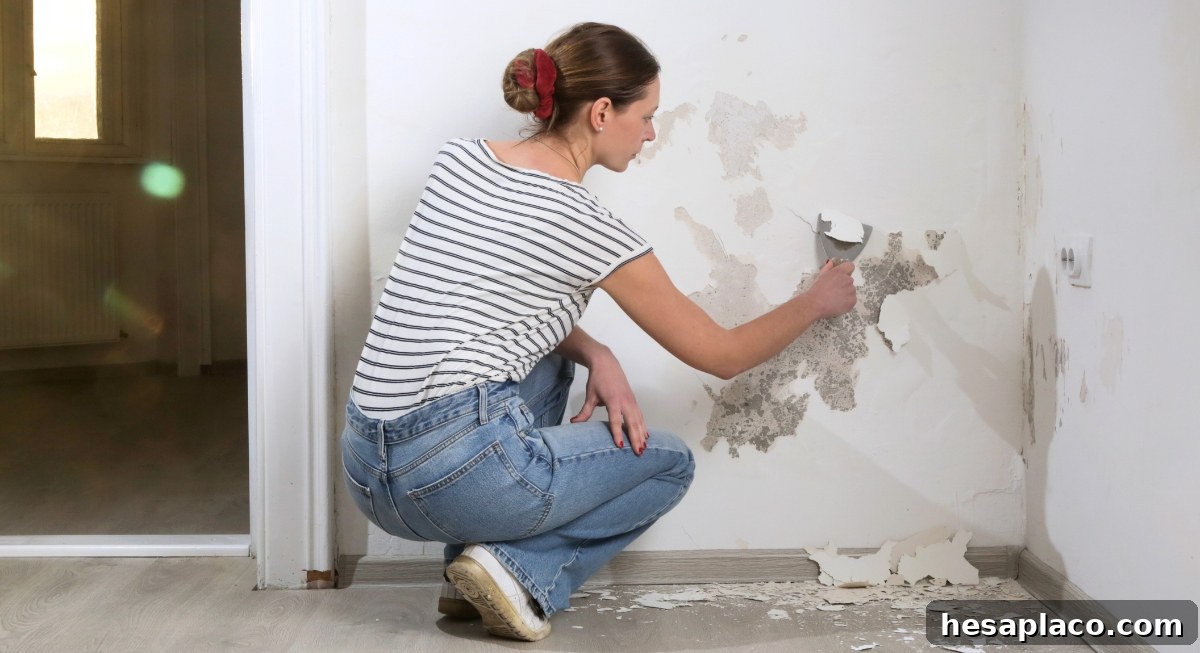
Flipped homes can look immaculate in photos and during showings, but many hide problems that surface only after you move in. Some sellers prioritize cosmetic appeal—what photographs well or creates a strong first impression—while skipping the repairs that truly matter. Rushed or low-quality renovations can leave you with leaks, faulty wiring, uneven floors, and worn-out mechanical systems that should have been replaced long before closing.
To avoid costly surprises, pay attention to small details during your walk-through. These clues reveal how much care and skill went into the renovation and help you separate genuine upgrades from superficial fixes.
Cosmetic Fixes Can Mask Serious Issues
Credit: pexels
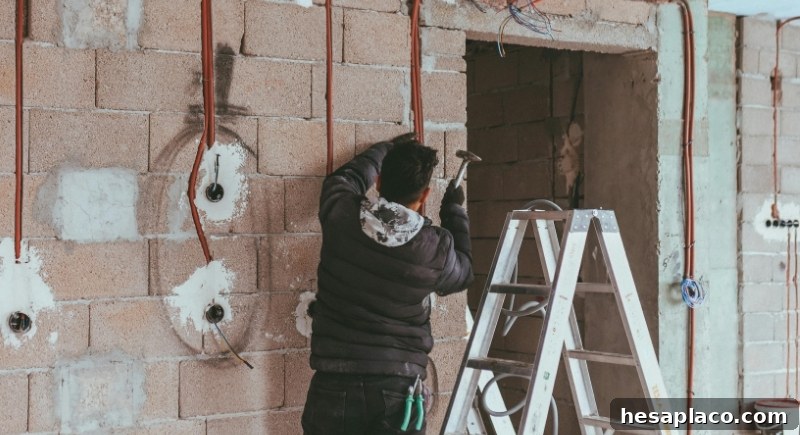
New tile, trendy paint colors, and modern finishes can make a house feel move-in ready, but those surface updates won’t fix aging plumbing, electrical, or structural issues hidden behind walls. When flips focus first on aesthetics, buyers may be distracted from areas that need real repair. Look beyond finishes to understand whether systems were addressed as part of the renovation.
Low-Cost Materials Shorten Lifespans
Credit: Getty Images
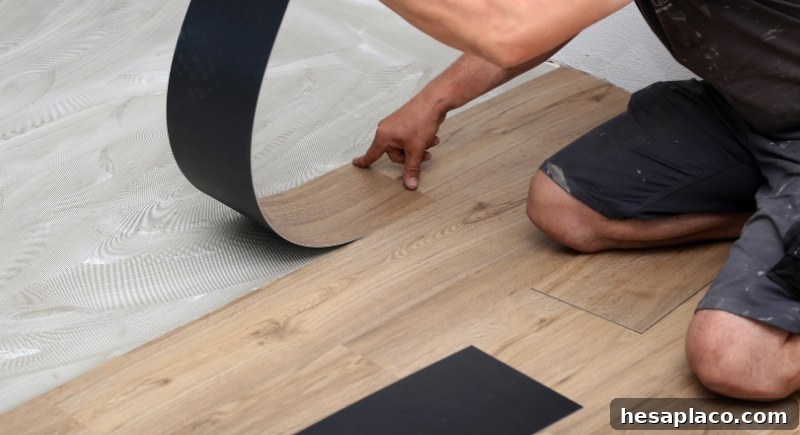
Flippers often use budget materials to keep costs down and speed up completion. Thin vinyl floors, hollow cabinet boxes, and lightweight fixtures wear out faster than higher-quality alternatives. A tactile inspection helps: solid, well-built components feel sturdy, while cheap alternatives usually seem fragile. Pay attention to edges, seams, and how hardware operates.
Uneven Floors Point to Poor Preparation
Credit: iStockphoto
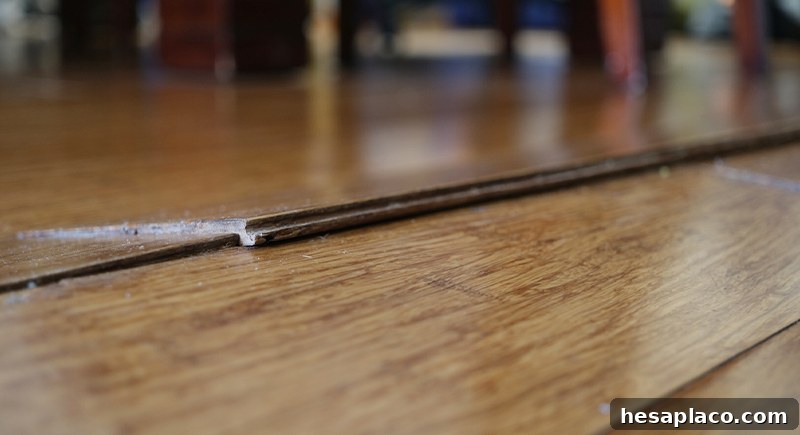
Your feet will notice what your eyes might miss. Floors that dip, slope, or move underfoot usually signal problems with the subfloor, joists, or a rushed installation. Some renovators lay new flooring without removing trim, creating visible gaps and uneven transitions. These signs often indicate haste rather than craft.
Electrical Red Flags Are Safety Concerns
Credit: iStockphoto
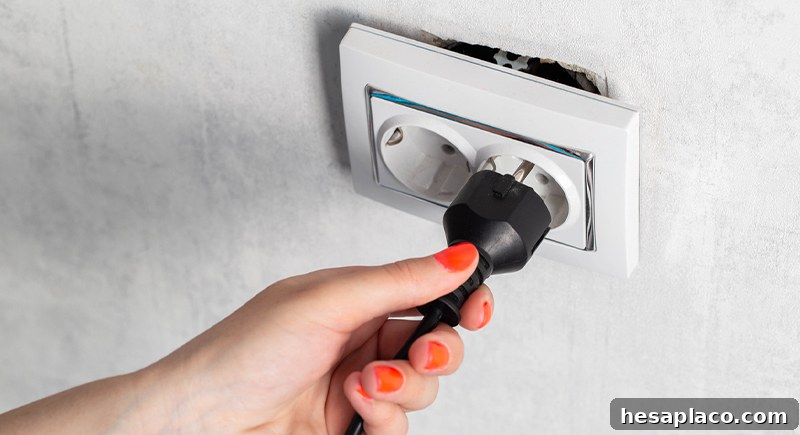
Loose outlets, flickering lights, or exposed wiring often indicate that electrical work was done quickly or without proper permits. Electrical faults can cause fires and pose serious safety risks. If you see outlets that wobble, breakers that trip, or makeshift splices inside visible junction boxes, insist on a professional inspection before proceeding.
Awkward Kitchen Layouts Reveal Poor Planning
Credit: Canva
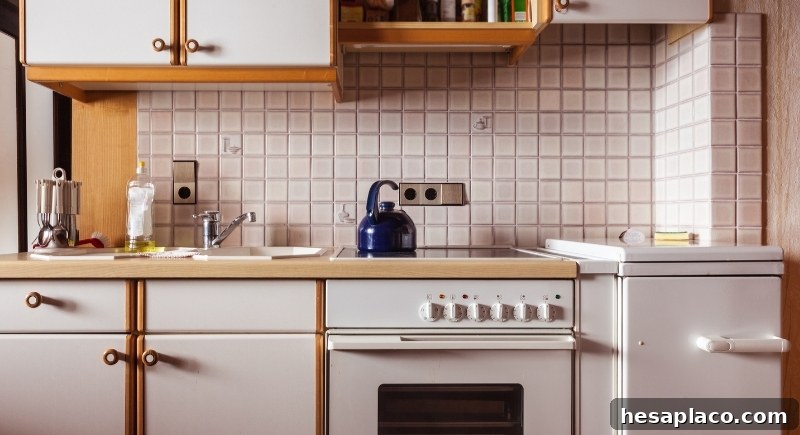
Many renovated kitchens look new but feel impractical. Renovators sometimes replace cabinets and appliances without rethinking workflow or clearances. Test every drawer, door, and appliance—open them simultaneously and check for collisions or blocked access. If appliances are far from prep areas or the layout forces awkward movements, the remodel may have prioritized style over function.
Recent Sales Activity Can Signal a Quick Turnaround

Credit: Canva
Check the property’s sale history. Homes that are relisted within months of a purchase often indicate a quick flip. When listing dates show a very short ownership window, the renovation may have been rushed to resell quickly. Use public records or the listing history to understand how much time the renovator actually spent on the project.
Misaligned Cabinetry Reveals Lack of Detail
Credit: iStockphoto
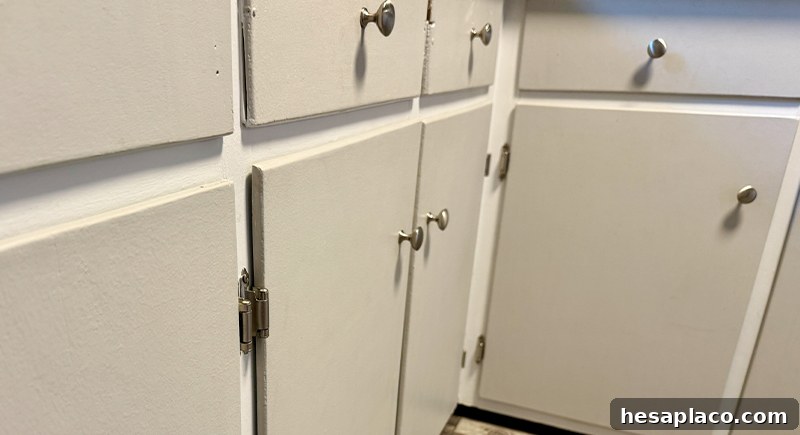
Cabinet doors that hang unevenly, drawers that stick, or mismatched hardware are small but telling signs of careless workmanship. Finishing touches require time and precision; when these are neglected, it often reflects broader shortcuts in the renovation process.
Repeating Tile Patterns Suggest Bulk Buying
Credit: pexels
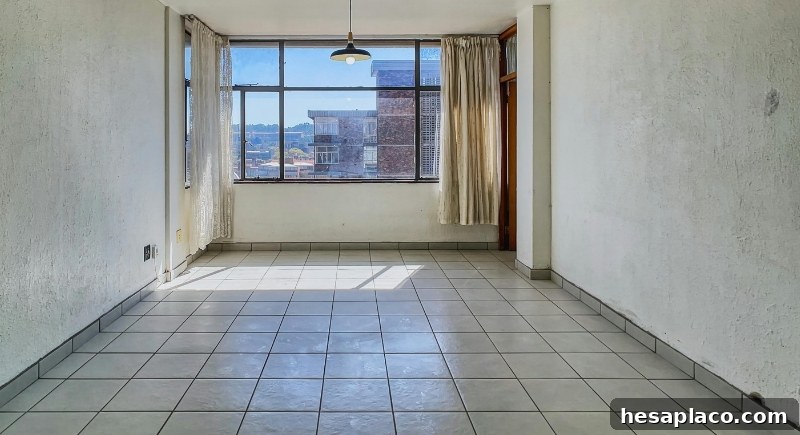
Seeing identical tile across multiple rooms often indicates a cost-saving strategy: buying in bulk and installing quickly. Inspect tile work for crooked cuts, uneven grout lines, and awkward transitions at thresholds. Thoughtful tile installation takes time; sloppy joints and inconsistent spacing point to a focus on saving money rather than delivering quality.
Plumbing Shortcuts Cause Long-Term Damage

Credit: Canva
Minor plumbing issues spotted during a tour can be warning signs of larger problems. Look under sinks for pooling water, mismatched pipes, temporary patches, or weak connections. These quick fixes often conceal more serious leaks or corrosion behind walls that can lead to mold, structural damage, and high repair bills.
Old Mechanical Systems May Be Left Intact
Credit: Canva
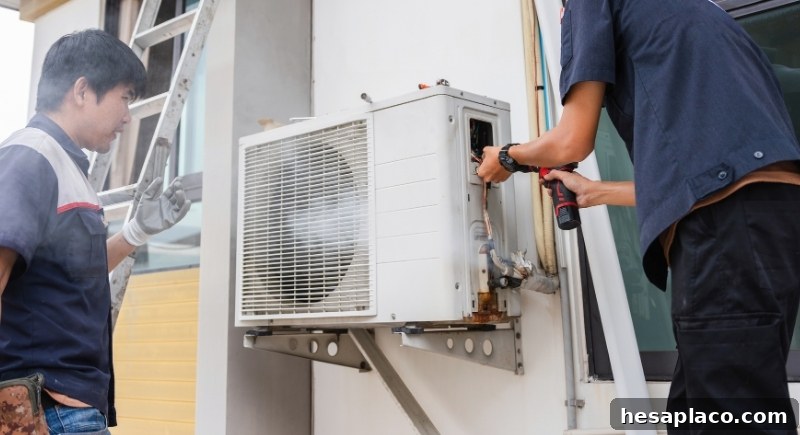
A freshly updated interior doesn’t guarantee that mechanical systems were replaced. HVAC units, water heaters, and roofs are expensive and often overlooked because they aren’t visible in listing photos. Ask about the age and maintenance history of these systems—an aging furnace, an old water heater, or a roof nearing the end of its life can mean thousands in near-term expenses.
When touring a flipped home, combine careful visual inspection with hands-on tests: open and close cabinets and drawers, run faucets and showers, flip light switches, and walk the floors. If anything raises concern, request documentation, permits, or specialized inspections. A thorough review helps you determine whether a renovation was done thoughtfully—or whether the price reflects only a fresh look rather than lasting quality.