
Younger employees often poke fun at Boomer habits, but many of those practices quietly make the workplace calmer and more efficient. A steady approach can help new hires feel grounded in fast-moving offices. Below are the older instincts that frequently support Gen Z in ways people don’t always expect.
Their Steady Presence Under Pressure

Credit: pexels
When high-stakes situations arise, an older manager’s calm, decisive presence can change the tone of the room. Years of experience mean they’ve likely navigated similar problems before, and their confidence encourages others to stop reacting with panic and start working toward solutions. That steadiness reassures younger team members and helps them focus on practical next steps.
Their Clarity in Meetings and Daily Direction

Credit: Getty Images
A clear agenda and defined objectives make even long meetings feel manageable. Many older managers naturally build structure into discussions, preventing conversations from drifting. Younger employees usually find it easier to concentrate when expectations are set early, because that reduces the guesswork that can slow down new teams.
Their Practical Approach to Budget Priorities

Credit: Getty Images
Having lived through economic cycles, many Boomers bring a steady hand to budget conversations. Their explanations of trade-offs help younger staff understand how resources are allocated without getting lost in spreadsheets. When leaders communicate financial decisions transparently, employees at all levels tend to feel more confident and aligned with the plan.
Their Experience in Mentorship and Teaching

Credit: pexels
Simple stories about why a process exists can save newcomers hours of trial and error. Older managers often share contextual details in casual conversations, mixing history with step-by-step guidance. That combination helps younger employees understand not just what to do, but why certain methods endure—and how to apply them effectively.
Their Habit of Showing Up Early

Credit: Getty Images
Getting in before the day becomes hectic gives managers time to clear approvals and make quick decisions. Early availability shortens project delays, and having someone onsite to remove bottlenecks before the inbox fills up benefits teams that prefer flexible schedules. Younger workers often appreciate having that early support to keep workflows moving smoothly.
Their Clear Boundaries Between Work and Life

Credit: iStockphoto
Many older employees still value finishing the workday and disconnecting afterward. That boundary supports well-being and sets expectations for others. While Gen Z often prefers flexible schedules, they also welcome managers who avoid late-night messages, helping protect personal time and reduce burnout.
Their Strengths in Conflict and Problem Solving

Credit: iStockphoto
Experienced managers often notice tension early and act to defuse it. Their ability to address disagreements before they escalate helps teams maintain momentum. Younger staff generally feel more comfortable when someone steps in promptly, because clear communication prevents small issues from becoming major distractions.
Their Habit of Reading Full Emails

Credit: Getty Images
Rather than skimming, many older managers read whole email threads, which often resolves misunderstandings before they grow. Younger workers sometimes spend hours chasing answers already present in messages; when leaders read thoroughly, projects proceed faster and the team avoids unnecessary back-and-forth.
Their Skill at Shielding Teams From Upper-Level Noise

Credit: pexels
Senior leaders sometimes shift direction rapidly, which can unsettle newer employees. Older managers frequently act as a buffer, translating high-level pivots into practical, manageable tasks. Protecting teams from constant upheaval supports psychological safety, allowing younger workers to focus and settle into their roles.
Their Focus and Attention to the Task at Hand
Credit: pixelshot
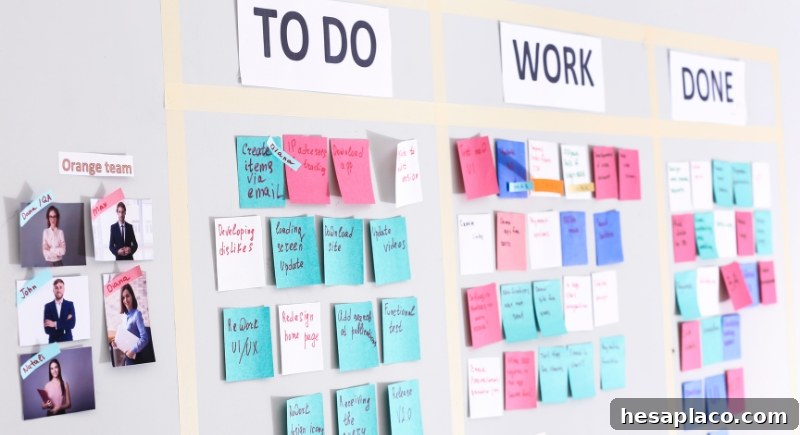
Many older workers developed habits before constant digital interruptions were the norm, and that discipline still shows. When the environment is steady rather than fragmented, younger employees often concentrate more easily. A team member who consistently demonstrates focused attention can nudge the whole group toward a calmer, more productive pace.
Their Commitment to Documentation

Credit: Getty Images
Older managers often keep detailed, well-organized notes that become valuable references. Clear records let younger employees trace a project’s history without hunting through scattered files. Accurate documentation shortens onboarding time and reduces uncertainty, which Gen Z typically values when learning how past decisions were made.
Their Tendency to Plan Projects Months Ahead

Credit: Getty Images
Creating timelines well before deadlines appear helps avoid last-minute errors. Early planning gives teams time to prepare, redistribute work, and focus on quality. Younger employees often appreciate those heads-up because they provide space to plan and produce better outcomes.
Their Practice of Introducing New Employees to Everyone

Credit: Canva
A personal tour or brief introductions help a newcomer feel welcome on their first day. Taking time to connect new hires to colleagues quickly builds familiarity and accelerates social integration. Early social connections boost retention and help Gen Z learn names and roles faster, so they can contribute with confidence.
Their Respect for Professionalism

Credit: pixelshot
Clear communication and consistent manners still matter. Predictable professionalism builds trust between teams and leadership, and many older employees model that steady attitude. Younger workers often use those cues to understand expectations during meetings, projects, and career transitions.
Their Ability to Spot Patterns Before Data Tools Do

Credit: Canva
Long experience gives many older employees an intuition for workflow shifts that automated systems haven’t flagged yet. Younger staff often appreciate seeing instinct and analytics used together. Over time, exposure to pattern recognition helps newer team members learn to combine experience-based insight with data-driven tools for faster, smarter decisions.