
Small financial leaks often go unnoticed until they compound into significant setbacks. The real threat is not a single poor decision but the everyday habits that feel harmless yet slowly erode your savings and make long-term wealth building harder. Below are common patterns that quietly drain your money and practical adjustments to regain control.
Paying Only the Minimum on Credit Cards

Credit: Proxima Studio
Making only the minimum payment may seem manageable month to month, but it is one of the most costly financial habits. With high interest rates, balances balloon quickly and interest costs can exceed the original purchase. To avoid this trap, prioritize paying more than the minimum, target the highest-rate balances first, and consider balance transfers or lower-rate consolidation if necessary.
Calling Luxuries “Investments”

Credit: pexels
Labeling luxury purchases as “investments” can cloud judgment. An expensive appliance or premium office chair might improve comfort, but unless it saves money or retains resale value, it’s still consumption. Real investments generate returns or appreciate over time. Before buying, ask whether the item will produce measurable value or if a lower-cost alternative does the job.
Auto-Renewing Subscriptions You Forgot About

Credit: Dragon Images
Small recurring charges add up fast. Many people pay for multiple streaming services, apps, or delivery plans they rarely use. Regularly review bank and card statements to identify and cancel unused subscriptions. Consolidate services where possible and set reminders to reassess recurring payments every few months.
Buying Cheap, Then Upgrading Later

Credit: Getty Images
Opting for the cheapest option often costs more in the long run when items wear out or break quickly. Repeated replacements add up and may exceed the cost of a higher-quality product purchased once. For frequently used items—furniture, shoes, tools, electronics—invest in durability and check warranties and reviews to make smarter choices.
Prioritizing Spending Over Saving

Credit: 89Stocker
Saving only what’s left after expenses seldom builds lasting wealth. Use the “pay yourself first” method: automatically move a portion of each paycheck into savings or investment accounts before spending. This creates consistent progress toward goals and reduces the temptation to spend what you intended to save.
Making Emotional Purchases to Feel Better

Credit: pexels
Emotional spending offers a quick mood lift but the benefit fades quickly while the bill remains. To avoid regret, create a modest, planned discretionary fund for occasional treats. When indulgence is budgeted, it still feels rewarding without derailing finances.
Skipping a Budget Altogether
Credit: Getty Images
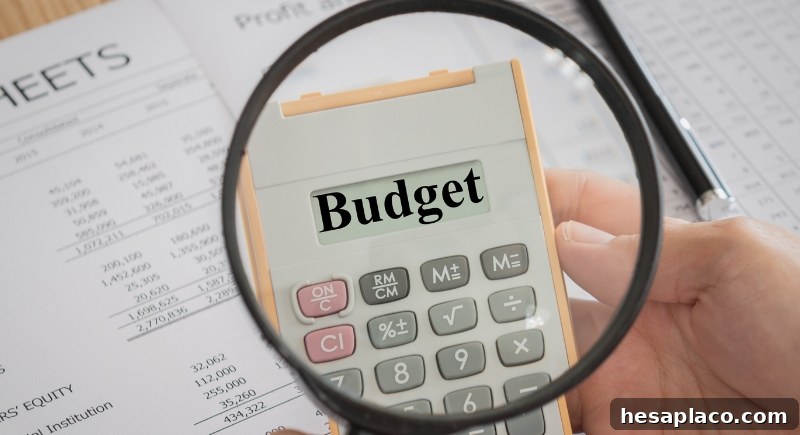
A budget doesn’t have to be restrictive—think of it as a financial GPS that keeps you on course. Without one, money disappears without clear purpose. You don’t need to micromanage every expense, but tracking major categories and assigning money to essentials, savings, and discretionary spending helps reduce waste and reach goals faster.
Overcomplicating Investing

Credit: Getty Images
Many investors chase short-term gains through speculative picks or overly complex strategies and end up underperforming simple, diversified approaches like low-cost index funds. A hands-off, disciplined strategy—regular contributions, broad diversification, and patience—often outperforms frequent trading and market timing.
Leasing or Financing Cars Long-Term

Credit: Canva
Long leases or extended financing terms (72 months or more) can leave you paying more than the car’s value due to rapid depreciation. Consider buying a well-maintained used vehicle or choose shorter loan terms to reduce interest costs and free up income for savings or investing.
Paying for Extended Warranties You Rarely Use

Credit: Getty Images
Extended warranties often cost more than the repairs they cover. Modern appliances and electronics frequently outlast warranty periods, and many repairs are affordable. Evaluate the likelihood of a failure, compare repair costs, and only buy protection when it makes financial sense.
Putting Off Investing Until “Later”

Credit: pexels
Time is one of the most powerful factors in building wealth due to compound interest. Starting early—even with modest amounts—creates a major advantage. Small, consistent contributions over decades can grow substantially; delaying investing can significantly reduce long-term results. Make automated contributions and increase them gradually as income rises.
Letting Energy Bills Go Unchecked

Credit: studioroman
Heating and cooling represent a large portion of home energy use. Small issues like drafts, outdated thermostats, or inadequate insulation can steadily raise bills. Simple fixes—sealing leaks, adding weatherstripping, adjusting thermostat settings, or upgrading to efficient equipment—can reduce costs and improve comfort.
Never Comparing Insurance Rates

Credit: Getty Images
Insurance costs can change over time due to market shifts, new providers, or changes in your credit and driving record. Shop around and compare rates periodically. Even a small percentage reduction in premiums can translate into meaningful annual savings with minimal effort.
Ignoring Your Home Loan After Signing

Credit: Getty Images
Interest rates change and refinancing or switching to a better mortgage product can save thousands over the life of a loan. Review your mortgage terms every few years and shop lenders if market rates improve or your credit profile strengthens. Small adjustments to the rate or term can significantly reduce total interest paid.
Relying on Last-Minute Purchases

Credit:89Stocker
Convenience purchases like airport snacks, expedited shipping, or rushed gifts carry premiums that accumulate over time. Planning and small habits—packing lunches, organizing gift lists, and allowing normal shipping time—can cut those repeated convenience costs and free up money for priorities.