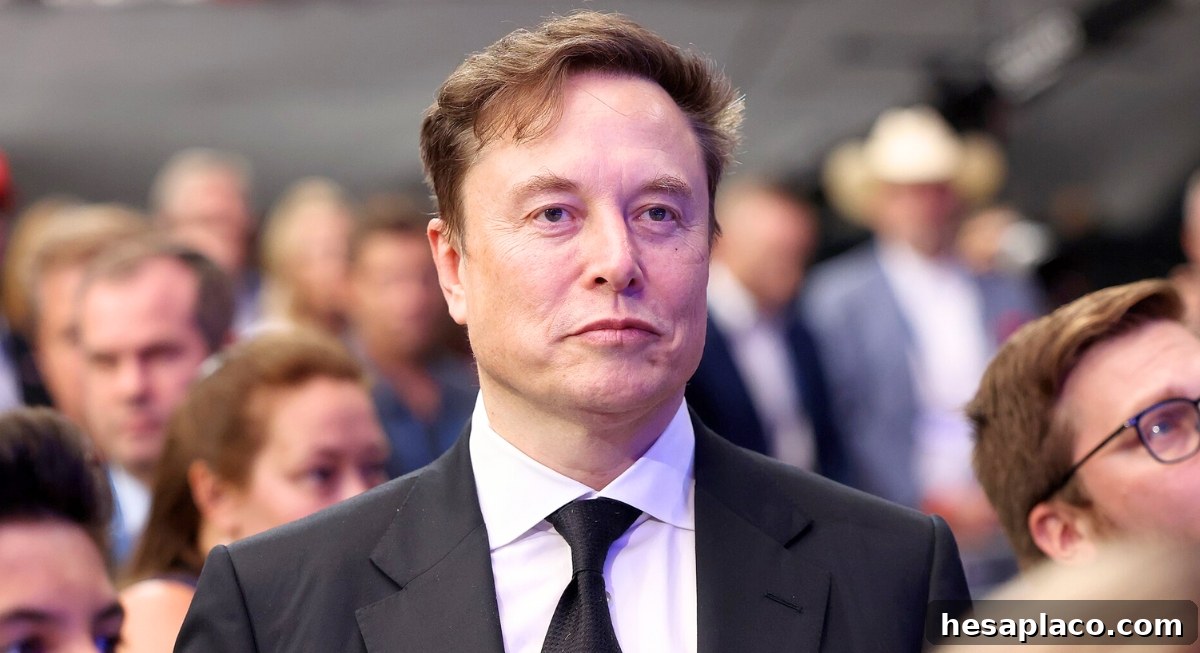
Every few years, Elon Musk manages to do something that leaves even his detractors stunned. This time it’s a number so vast it barely feels real: a trillion dollars now associated with the Tesla CEO.
Shareholders recently approved a landmark compensation package that could officially make him the first person in history to receive a trillion-dollar payout. While few people can truly picture that magnitude of wealth, a more practical question is what someone like Musk — who already lives modestly by billionaire standards — might actually do with it.
Money does not appear to define him the way it does many other ultra-wealthy individuals. He has sold multiple homes, lives in a compact prefabricated house in Texas, and has been known to stay with friends while traveling. Musk has often said possessions distract from his larger goals. For a man whose priorities include electric vehicles, humanoid robots, and establishing a human presence on Mars, a trillion dollars represents fuel for ambitious projects. Still, if he chose to indulge personally, the possible purchases are almost surreal.
A Paycheck Written in the Stars

Image via Wikimedia Commons/Gage Skidmore
The unprecedented figure is tied to ambitious performance targets that would push Tesla’s market value to roughly $8.5 trillion within a decade, up from about $1.4 trillion today. To unlock the full package, Musk must deliver 20 million Tesla vehicles, produce one million humanoid robots, secure 10 million Full Self-Driving subscriptions, and generate $400 billion in annual profit.
Those milestones sound extreme, but Musk has repeatedly defied expectations. Tesla’s rapid growth has converted skeptics into shareholders, and the company’s annual meetings have taken on a theatrical quality, complete with dancing robots and Musk’s own celebratory moments.
Critics call the arrangement excessive; supporters argue it ensures the company’s visionary remains at the helm. Either way, the deal marks a new threshold for executive compensation and reshapes public perceptions of what “an enormous sum” actually means.
The Scale of a Trillion
To grasp the scale of one trillion dollars, consider this: if Musk spent $40 every second without stopping, it would take more than 790 years for the money to run out — roughly ten human lifetimes. Put another way, a trillion could buy every car sold in the United States this year or endow every Ivy League university multiple times over. It could allow a distribution of roughly $2,900 to every American and still leave a large balance.
Broken down further, a trillion could purchase every home in a major American city like San Diego or acquire the world’s leading automakers — Toyota, Ferrari, Mercedes-Benz, Volkswagen, and Ford — and still leave funds for ongoing expenses. If he wanted to make an even grander statement, that sum could clear the national debt of several medium-sized countries and still finance numerous cruise liner fleets.
The number is almost abstract — like trying to imagine how far a trillion one-dollar bills would stretch if laid end to end. For context, a trillion dollars in one-dollar bills could wrap between Earth and the Moon hundreds of times.
How Musk Might Actually Use It
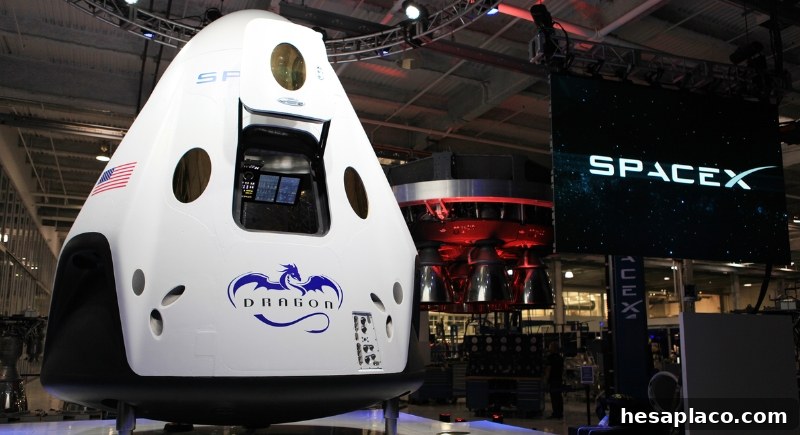
Image via Wikimedia Commons/NASA – Dmitri Gerondidakis
In reality, Musk’s spending habits have rarely matched his wealth. He tends to favor ambitious, difficult projects over personal luxury. The entrepreneur who sold his California homes, including one once owned by actor Gene Wilder, does not appear inclined toward owning private islands or an extravagant fleet of yachts.
His personal real estate footprint is modest compared with many tech executives, but his ambitions remain expansive.
Historically, a massive financial reserve would most likely accelerate Musk’s long-term initiatives: SpaceX’s ambitions to reach and colonize Mars, Tesla’s pursuit of a global robotaxi network, and the development of humanoid robots like Optimus all require enormous capital. With a trillion-dollar cushion, Musk could fund large portions of these programs without depending on external investors, potentially speeding timelines and reducing financial constraints.
Detractors argue his aims sometimes cross the line between visionary and impractical, yet his track record of turning improbable concepts into working products is hard to ignore. Even so, the world’s richest person is limited in how rapidly wealth can be deployed. Musk has donated to philanthropic causes in the past, though not always discreetly; his foundation has supported clean-energy projects and education programs, and some observers note his charitable giving often aligns with his corporate interests.
Ultimately, whether or not the trillion-dollar figure materializes in his pocket, its announcement signals a shift in how corporate incentives are structured and highlights the scale of modern technological ambition. For Musk, a sum this large is less a ticket to lavish living and more a vast resource for pursuing projects that, if successful, could reshape industries and alter how humanity approaches transportation, energy, and life beyond Earth.