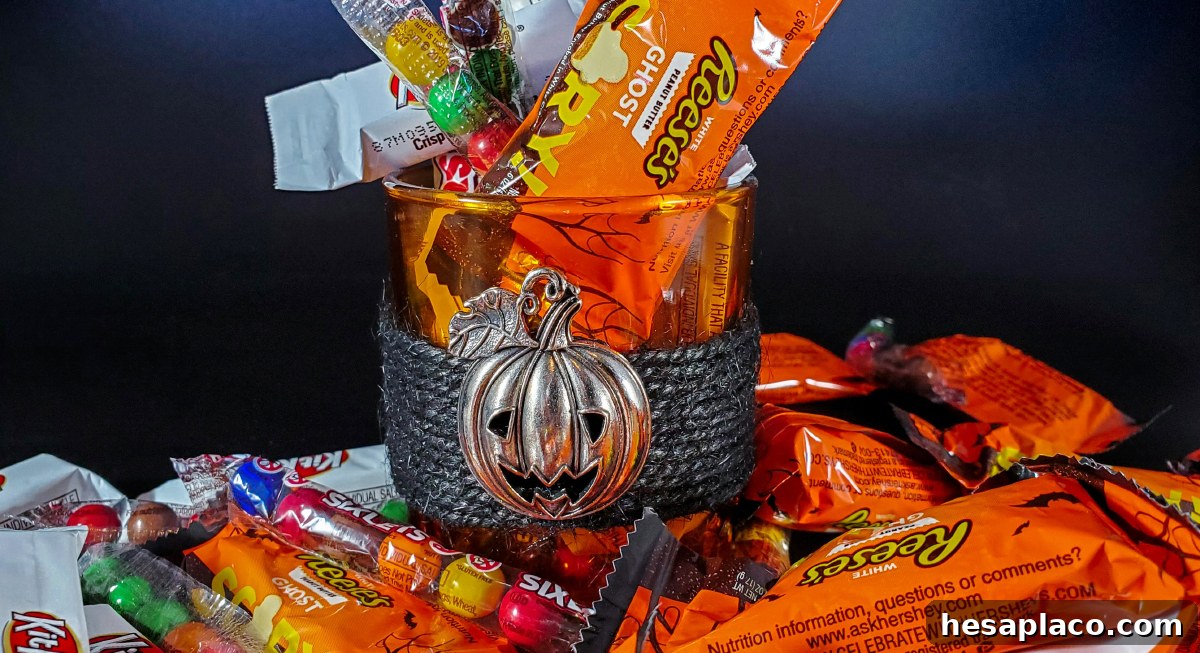
Florida resident Cynthia Kelly purchased Reese’s Peanut Butter Pumpkins expecting them to match the smiling jack-o’-lanterns shown on the wrapper. Instead, she found a smooth, featureless chocolate shape. Unwilling to let the matter go, Kelly filed a $5 million class-action lawsuit against Hershey, alleging the product’s appearance was inconsistent with its packaging.
The complaint accused Hershey of deceptive advertising, arguing that the wrappers depicted ghosts, pumpkins, and bats with detailed faces while the actual candies were plain and lacked the molded features shown in the images.
Kelly’s original 2023 complaint grew into a broader class-action, Vidal et al v. Hershey Co., which included several plaintiffs by 2025. In September 2025, U.S. District Judge Melissa Damian dismissed that complaint, agreeing with many of Hershey’s legal arguments but allowing the plaintiffs an opportunity to amend their filing.
The Case of the Faceless Pumpkins
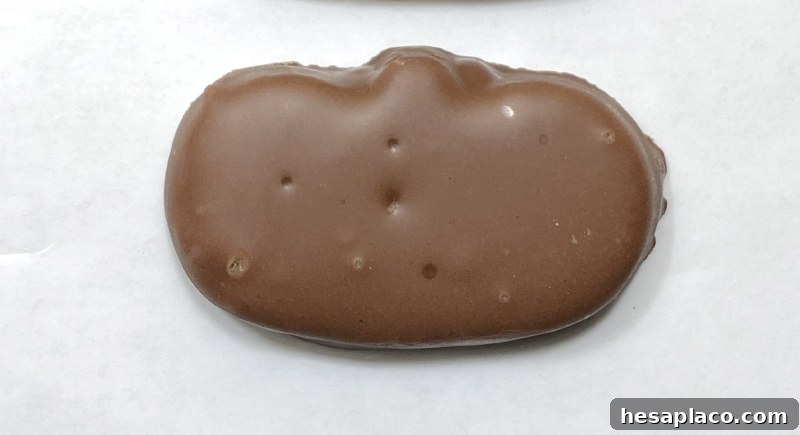
Image via Wikimedia Commons/Famartin
Kelly filed suit in late 2023, saying she would not have bought the candy if she had known the jack-o’-lantern faces were only printed artwork and not actual molded details on the chocolates. Her attorney, Anthony Russo—who previously brought a false-advertising suit against Burger King—argued that Hershey’s packaging led consumers to reasonably expect the candies to look as pictured.
The complaint covered other seasonal Reese’s products as well, such as Reese’s White Ghosts and Peanut Butter Bats. Kelly contended that the visual design is a key attribute of these holiday candies and that consumers are entitled to receive what the packaging appears to promise.
A Sweet Legal Win for Hershey
Kelly’s initial lawsuit was filed in the U.S. District Court for the Middle District of Florida, while a related, expanded class-action proceeded in the Southern District of Florida in 2024.
That later federal case was decided in 2025, when Judge Melissa Damian concluded the plaintiffs had not shown economic injury. She held that disappointment about a product’s appearance did not constitute financial harm because the candies remained edible and tasted as expected. The court also noted a “decorating suggestion” disclaimer on Hershey’s packaging indicating that printed images might not represent the exact appearance of the candy.
Hershey maintained that customers received what they paid for—peanut butter and chocolate. The court dismissed the case but permitted the plaintiffs to amend their complaint. Attorney Russo said his clients planned to file an amended complaint, describing the ruling as procedural rather than a final defeat.
Trick, Treat, or Technicality
Image via Wikimedia Commons/MatthewHoobin
The lawsuit attracted widespread media coverage and prompted discussion about how far marketing illustrations can go before they become misleading. Consumers may reasonably assume that seasonal imagery—like carved pumpkins shown on candy wrappers—reflects the product’s actual appearance, while companies often use stylized artwork to create holiday appeal.
Despite the attention, there’s no clear evidence the case damaged Hershey’s brand or reduced enthusiasm for its seasonal offerings. Hershey continues to lead the Halloween candy market, and the Reese’s line remains among the most popular seasonal treats in the United States.