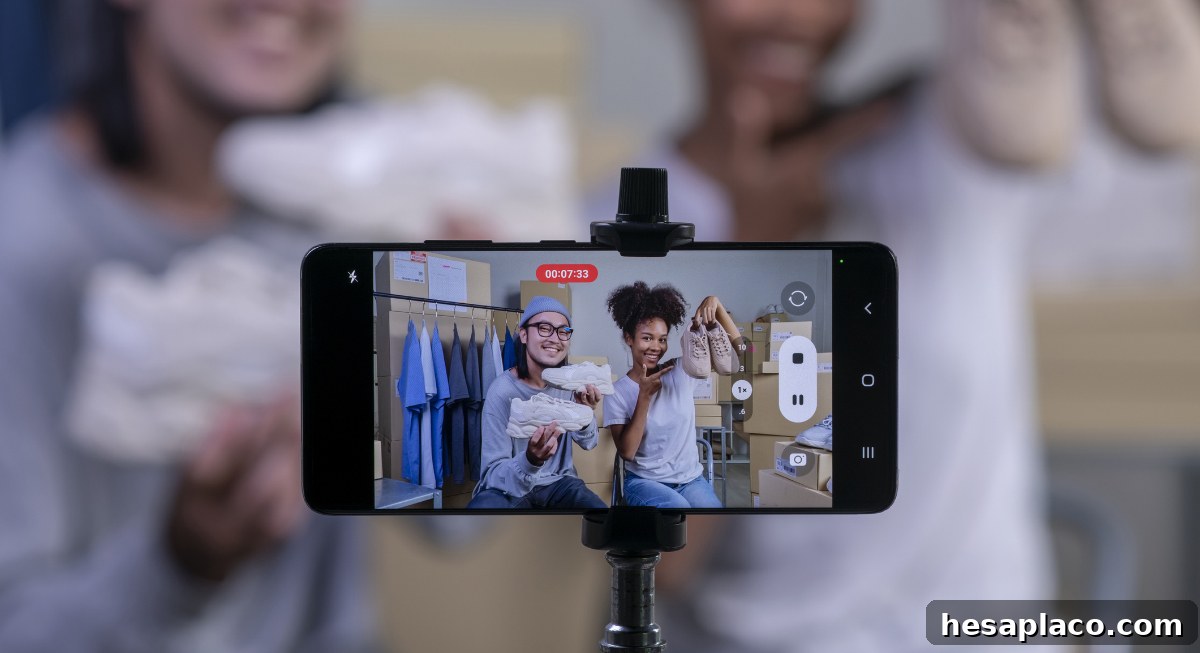
Influencer marketing was once the golden ticket for brands, but cracks are beginning to show.
Despite more than $24 billion spent on influencer marketing in 2024, research shows only about 12% of consumers are likely to buy products promoted by influencers. That growing disconnect between spending and measurable results helps explain why the industry faces one of its biggest inflection points.
Too Much of the Same Thing
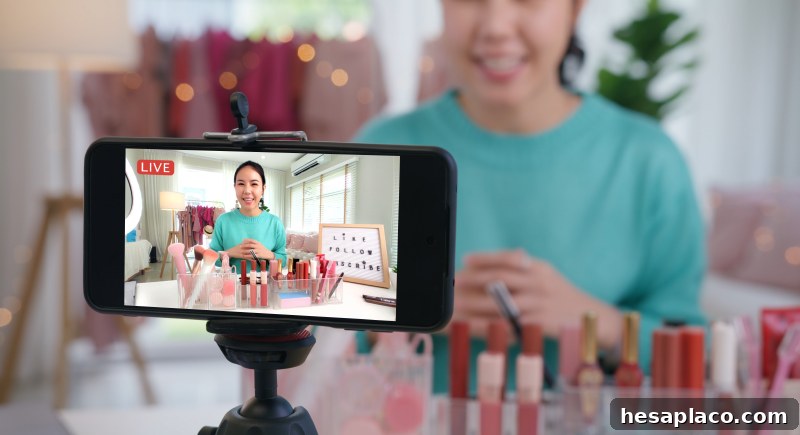
Image via iStockphoto/ChayTee
One of the clearest problems is oversaturation. Sponsored content is everywhere and increasingly formulaic: the same hashtags, the same discount codes, the same rehearsed endorsements. Audiences have grown adept at skipping or ignoring these posts—tools and plugins that bypass sponsored segments are evidence of that. Rather than feeling like genuine recommendations, many influencer tie-ins now resemble repetitive advertisements.
This flood of similar content has produced widespread influencer fatigue. An industry report from October found that 52% of marketers said fatigue had hurt their campaigns. Consumers are exhausted by a constant stream of promotions across TikTok, Instagram, and YouTube, and that weariness reduces attention and purchase intent.
Trust Is Slipping
Influencers originally felt like relatable friends sharing personal favorites. Today, however, trust has declined: Wakefield Research reports that 87% of consumers suspect influencers don’t actually use the products they promote. High-profile controversies have deepened that skepticism. For example, complaints that certain browser plugins or services hid better deals from users, and backlash against heavy promotion of questionable services, left audiences feeling misled and eroded confidence in both creators and brands. Even a widely publicized beauty ad controversy sparked thousands of negative reactions and hurt brand credibility.
Relatability itself has become a challenge. Luxury vacations and designer hauls can alienate followers, particularly during economic uncertainty. Research from Bazaarvoice found that 82% of shoppers now trust recommendations from everyday social media users more than those from influencers—a notable shift from the recent past when aspirational content routinely drove engagement.
How the Industry Is Shifting

Image via Pexels/Hanna Pad
Marketers are reacting by moving away from macro and celebrity deals that increasingly fail to deliver ROI. Instead, engagement with nano- and micro-influencers has surged—one report showed average engagement rates rising from about 49% to 55% in a year for smaller creators, far exceeding big-name performance. Brands are capitalizing on this: one company used gifting programs to work with many small creators, generating hundreds of influencer posts, millions of impressions, and a substantially higher engagement rate than industry averages.
Another notable trend is prioritizing long-term collaborations over single paid posts. A thrift retailer rebranded to appeal to eco-conscious shoppers by partnering with creators who shared personal stories about sustainable fashion. That storytelling approach produced tens of millions of impressions and millions of engagements, delivering a much stronger response than sales-focused one-off posts would have achieved.
Looking Beyond Instagram
Instagram remains a central channel for influencer marketing, but oversaturation there is pushing brands to diversify. Platforms that enable different kinds of interaction are gaining traction: Twitch supports live, real-time conversations; Substack offers space for in-depth storytelling and growing subscription-based communities; and BeReal’s unfiltered format can create a more intimate, authentic connection than polished feeds.
Technology is also reshaping how brands find and work with creators. Over 63% of marketers say they plan to use AI to discover influencers who already align with their products and audiences. Meanwhile, transparency has become essential—audiences expect clear disclosures and honest reviews, and creators who avoid transparency risk losing credibility fast.
Influencer marketing is not disappearing, but the straightforward, high-return tactics are gone. Consumers are more discerning and less tolerant of repetitive selling. The brands that will succeed are those that invest in smaller, more engaged creators, focus on rebuilding trust, and give priority to authentic storytelling. Campaigns rooted in genuine relationships and meaningful engagement will stand out; those that stick to outdated formulas will continue to be ignored.