
For decades, owning a home was treated as the defining financial milestone: a sign of stability, a trusted way to build wealth, and proof that you’d “made it.” That narrative still exists, but it’s undergoing a notable shift. In recent years, an increasing number of wealthy households—people who can most easily afford to buy—are choosing to rent instead.
Across the United States, renting among high-income households has risen sharply. In 2023, more than 13,000 households with annual incomes of $1 million or more were renting their homes—more than triple the number recorded in 2019. This doesn’t mean the wealthy have abandoned homeownership entirely, but it does indicate that the traditional wisdom about buying as the only sensible option is losing its unquestioned authority. When you examine the reasons behind this change, the logic becomes clear and multifaceted.
Housing Costs Still Bite

Image via Getty Images/Michael Burrell
It may be tempting to assume that millionaires are indifferent to price, but careful attention to costs is often how they built their wealth. A $2 million home financed at prevailing mortgage rates—still near 6% for a 30-year loan—can lead to monthly payments exceeding $12,000 before accounting for property taxes, insurance, and maintenance. For many, those carrying costs make ownership less attractive.
Some affluent households determine that renting a comparable luxury condo in the same neighborhood is the more economical option. When ongoing ownership expenses outpace local rental rates, leasing is not a downgrade but a rational financial choice. Renting can free occupants from variable costs like repair bills and property tax increases that erode returns on an owned property.
Flexibility Beats Roots

Image via Canva/RossHelen
High-net-worth lifestyles often come with frequent relocation for business opportunities, multiple residences, or extended times spent abroad. Renting preserves flexibility—avoiding the time, cost, and hassle of selling a property when plans change. Even in stable markets, selling a home can take months and involve additional post-sale logistics.
Luxury rentals also provide conveniences that appeal to affluent tenants: on-site gyms, co-working spaces, concierge services, and event facilities. For those who divide their time between cities, these services and the ability to move without the burdens of ownership are significant advantages.
Investments Look Better Elsewhere
Although homes have long been viewed as a safe investment, many wealthy individuals find better returns in other assets. Equity markets have provided strong performance in recent years—for example, the S&P 500 posted substantial gains in 2024—while housing appreciation has tended to be more modest and uneven.
Renting allows high-net-worth individuals to keep capital liquid and deploy it into stocks, private equity, venture investments, or other opportunities that can offer higher potential returns. Rather than locking millions into a single real-estate asset, some prefer diversified holdings, high-yield instruments, or direct business investments. The ability to reallocate capital quickly and take advantage of timely opportunities is a key reason many opt to rent.
Supply Doesn’t Match Demand
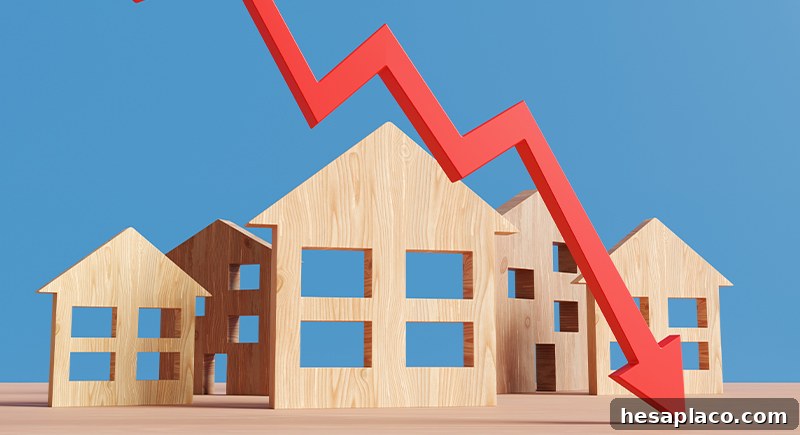
Image via iStockphoto/Dragon Claws
Even with deep pockets, finding the right property can be difficult. The United States faces a shortfall of several million housing units, according to industry estimates, which reduces the pool of homes that meet the precise demands of affluent buyers. Good options are limited, and competition for the best properties can be intense.
For buyers seeking custom homes, the timeline from land purchase through design and construction can stretch for years. Renting offers a comfortable interim solution that avoids a rushed purchase and provides access to the lifestyle features they want without a lengthy wait. In many cases, long-term luxury rentals deliver the amenities, location, and finish that buyers would otherwise have to wait to obtain.
Priorities Have Shifted
The global pandemic prompted many people to reassess priorities, and wealthy households were not immune. Some now prioritize travel, philanthropic efforts, creative projects, or funding startups instead of concentrating wealth in a single property. Others prefer the freedom of living where they choose in the present without tying their financial future to a specific local market that could slump.
In New York City, for example, the number of millionaire renters more than doubled between 2019 and 2023. Coastal markets still attract high numbers of wealthy tenants, but Southern cities such as Miami, Houston, and Atlanta have also seen notable increases. Across these markets, a consistent theme emerges: liquidity, mobility, and convenience often outweigh the traditional prestige and perceived safety of homeownership.
Ultimately, the rising trend of wealthy renters reflects a nuanced reassessment of what homeownership means in the 21st century. For many affluent households, renting is no longer a second-best option but a deliberate choice that aligns with financial goals, lifestyle flexibility, and changing priorities.