
There’s no shortage of saving tips, but many feel impractical. What really works are simple, repeatable habits you can maintain. People shared everyday changes that helped them save more easily, and numerous suggestions are surprisingly effective.
Removing Shopping Apps from Your Phone

Credit: Getty Images
Taking shopping apps off your phone reduces temptations to browse sales when you’re bored. The fewer taps between you and a purchase, the less likely you are to justify unnecessary buys. Removing the apps makes impulse spending less automatic.
Paying Yourself First Every Payday

Credit: Canva
Instead of saving what’s left over, set aside a fixed amount as soon as your paycheck arrives. Treat savings like a non-negotiable expense so the remainder becomes your true spending limit. You won’t miss money you never see, and your future self benefits without constant decision-making.
Cooking at Home Most Days of the Week

Credit: Getty Images
Dining out, takeout, and convenience snacks add up quickly. Cooking at home saves money and reduces unplanned expenses. Preparing extra portions for leftovers increases value and keeps your weekly food costs predictable while also giving you control over ingredients.
Drinking Water Instead of Buying Drinks

Credit: pexels
Small beverage purchases feel harmless until they become daily. Replacing bottled drinks, specialty coffees, or juice with tap water can dramatically lower spending. Carry a refillable bottle so choosing water becomes effortless and sustainable.
Tracking Spending for One Month

Credit: iStockphoto
Simply recording every expense for a month can change behavior. Use an app, a spreadsheet, or a notebook—seeing your spending laid out makes small, frequent purchases harder to ignore. Awareness often leads to better choices without restrictive rules.
Waiting a Day Before Buying

Credit: Canva
Put items in your online cart and wait 24 hours. If the purchase still feels important the next day, proceed. Most impulse purchases lose their appeal with a little time, and this simple pause prevents many unnecessary buys without strict self-denial.
Making and Sticking to a Grocery List

Credit: Getty Images
A clear grocery list keeps shopping focused and prevents impulse buys—especially avoid shopping hungry. Sticking to a list shortens the receipt and reduces wasteful purchases. It’s a straightforward habit that often outperforms complicated budgeting tools.
Canceling That Free Trial—Immediately

Credit: Getty Images
Free trials often convert into paid subscriptions when forgotten. Cancel right after signing up—you typically keep access through the trial period. If you still want the service later, you can re-subscribe; if not, you won’t be charged for something unused.
Packing a Lunch Instead of Eating Out

Credit: pixelshot
Bringing lunch from home even a few times a week cuts costs noticeably. Homemade lunches are often faster, healthier, and free from delivery fees or restaurant markups. Over time, this habit adds up into meaningful savings.
Unsubscribing from Store Emails

Credit: Getty Images
Sales emails are designed to trigger FOMO. Unsubscribe from promotional lists so your inbox isn’t full of “last chance” messages. Within a week or two, you’ll see fewer tempting offers and fewer impulse purchases that start with an email.
Buying Clothes Secondhand

Credit: Canva
Thrift stores and swap groups can yield great finds at a fraction of retail prices. Gently used clothing often looks new and costs much less—especially useful for rapidly growing kids or anyone who wants to avoid paying full price.
Keeping the Same Lifestyle After a Raise

Credit: iStockphoto
When income increases, it’s tempting to upgrade lifestyle immediately. Instead, keep your spending habits the same and channel the extra income into savings or investments. Living like you did before the raise turns added income into accelerated financial progress.
Walking or Biking for Short Trips

Credit: Canva
Choose walking or biking for short errands when practical. Skipping short car trips saves on gas and wear-and-tear and often provides a quick mood boost. Small transportation choices like these slowly reduce monthly expenses.
Choosing Weekends Over Nights Out

Credit: pexels
Socializing doesn’t always require expensive nights out. Hosting weekend get-togethers, movie nights, or game nights at home can be just as enjoyable and much cheaper. Swapping a few paid outings for low-cost gatherings saves money without sacrificing social time.
Brewing Coffee at Home

Credit: Canva
Making coffee at home cuts daily cafe spending—if it actually tastes good. Find a brewing method you enjoy, whether drip, pour-over, or cold brew, and make it part of your routine. Once you’re satisfied with your home brew, skipping the cafe is easier.
Turning on Round-Up Savings

Credit: iStockphoto
Many banks let you round up purchases to the next dollar and save the difference automatically. It’s an effortless way to build savings that you hardly notice. Over time, these small amounts add up without changing daily habits.
Combining Coupons with Store Deals

Credit: Canva
A little planning can turn routine shopping into real savings. Use coupons when items are already on sale to increase the discount. You don’t need extreme couponing—just a quick check for promotions before you shop can reduce your bill noticeably.
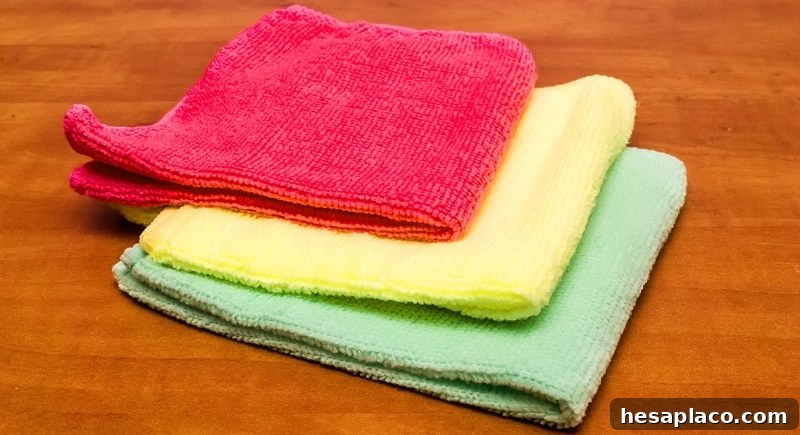
Swapping Paper Towels for Reusables
Credit: Getty Images
Replacing disposable paper towels with washable cloths or old T-shirts cuts recurring purchases. Reusables are easy to launder and reduce waste, so you save money and create less trash from kitchen cleanups.
Turning Off Auto-Renew by Default

Credit: iStockphoto
Disable auto-renew on subscriptions so you have to consciously decide to pay again. This prevents automatic charges for services you no longer use. When renewal time comes, you’ll evaluate whether the service is still worth the cost.
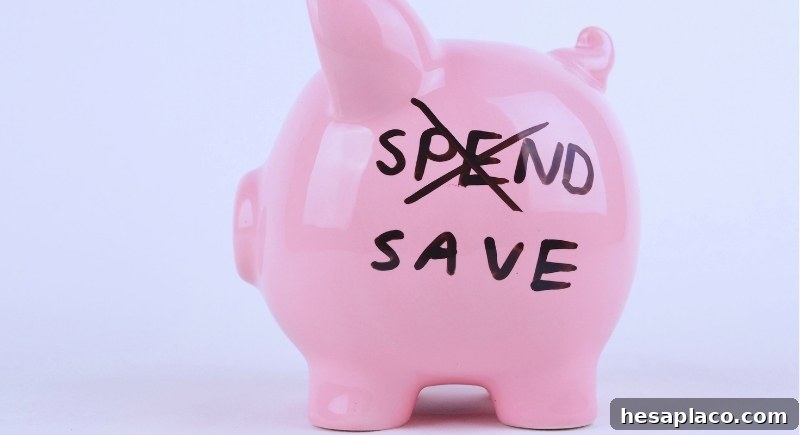
Choosing One No-Spend Day a Week
Credit: Getty Images
Pick one day each week where you don’t spend anything—no snacks, no online orders, no nonessential expenses. A regular no-spend day acts as a mental reset, highlights how often small purchases occur, and helps curb impulsive habits over time.