
Middle-class living costs vary widely across the United States. According to U.S. Census Bureau data, the income required to be considered middle class can differ by more than $30,000 from state to state. Below is a state-by-state summary that highlights the typical middle-class income range for each state and provides context about living costs, local economies, and factors that influence affordability.
Massachusetts: $66,565 – $199,716

Credit: Getty Images
Massachusetts, particularly the Boston metropolitan area, has high housing costs that especially affect families. Strong public schools and convenient transit in some areas raise demand and prices, while parking and car ownership costs can be significant expenses for many households.
New Jersey: $66,514 – $199,562

Credit: pexels
New Jersey has some of the highest property tax rates in the nation, and its dense population and proximity to New York City push wages and living costs upward. Commuting expenses, including tolls, add to household budgets for many residents.
Maryland: $65,779 – $197,356

Credit: Getty Images
Close ties to the federal government and a concentration of federal jobs near Washington, D.C., result in higher average salaries in Maryland. Highly educated communities and tech-oriented suburbs can be expensive, while western and rural areas remain more affordable.
New Hampshire: $64,552 – $193,676

Credit: Getty Images
New Hampshire benefits from no state sales tax and no tax on wage income, which helps household buying power. The state appeals to families seeking suburban and rural settings, though housing prices have climbed especially near the Massachusetts border.
California: $63,674 – $191,042

Credit: pexels
California’s housing shortage fuels high rents and home prices, especially in tech and entertainment hubs. High incomes in those areas are often offset by elevated costs for housing, transportation, and daily living, including higher fuel prices compared with other continental states.
Hawaii: $63,542 – $190,644

Credit: Getty Images
Hawaii’s remote location increases the cost of basic goods like groceries and building materials, which drives up overall living costs. While tourism supports the economy and wages in some sectors, housing affordability remains a major challenge for many residents.
Washington: $63,064 – $189,210

Credit: Getty Images
Washington benefits from a thriving tech sector that raises wages, particularly in the Seattle metro area, but also increases housing and service costs. The absence of a state income tax is balanced by sales taxes and high living expenses in popular coastal and mountain communities.
Utah: $62,274 – $186,842

Credit: Getty Images
Rapid population growth, fueled by tech and a family-oriented culture, has increased housing demand in Utah, notably around Salt Lake City. Outdoor recreation and public lands are major draws, but the housing supply has lagged behind demand.
Colorado: $61,934 – $185,822

Credit: Getty Images
Colorado’s attractive climate, outdoor amenities, and strong job market draw many newcomers. Denver’s housing costs have climbed significantly over the past decade, and energy or utility costs can be higher in cold months and at elevation.
Connecticut: $61,104 – $183,330

Credit: Getty Images
Connecticut includes affluent suburbs and more modest urban areas, producing wide disparities in cost of living. High property taxes and private education expenses contribute to tighter budgets for many middle-income households.
Virginia: $59,948 – $179,862

Credit: Getty Images
Northern Virginia’s proximity to federal jobs boosts incomes but also housing costs near Washington, D.C. More affordable regions exist in the state’s south and west, though they often offer fewer high-paying job opportunities.
Alaska: $57,748 – $173,262

Credit: Getty Images
Alaska’s remote geography raises the price of everyday goods and services, and many communities have limited access to retail and healthcare. The state’s annual oil dividend helps some households, but high costs related to transportation and winter heating remain challenges.
Minnesota: $56,718 – $170,172

Credit: pexels
Minnesota’s labor market is strong in healthcare, manufacturing, and education. Cold winters increase heating bills, and state income taxes are relatively high compared to other Midwestern states. Public transit is improving but cars remain essential in many areas.
Rhode Island: $56,642 – $169,944

Credit: Getty Images
Despite its small size, Rhode Island faces rising housing costs in metropolitan areas and popular coastal towns. Job growth has been strongest in healthcare and education, but the state’s economy remains less diverse than some neighboring states.
New York: $54,725 – $164,190

Credit: Getty Images
New York contains extreme contrasts: very high costs in New York City and much lower costs in upstate regions. High state income tax rates and wide regional differences in job availability and transit infrastructure shape where middle-class families can comfortably live.
Delaware: $54,235 – $162,722
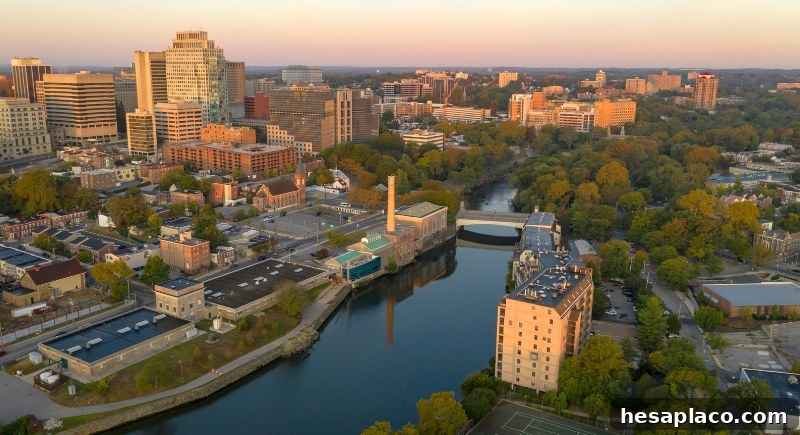
Credit: Real Window Media
Delaware’s lack of sales tax provides savings for shoppers, and housing tends to be more affordable than in neighboring states. Wilmington offers financial-sector jobs, while coastal towns become pricier during tourist seasons. Healthcare costs for older residents are increasingly notable.
Vermont: $54,135 – $162,422

Credit: Getty Images
Vermont’s rural character and limited housing stock push prices higher in desirable towns. Long winters increase energy expenses, and access to healthcare and local services can require significant travel for many residents.
Illinois: $53,532 – $160,612

Credit: Getty Images
Chicago shapes much of Illinois’s economy and cost structure, offering strong transit options but also high property taxes. Downstate areas often have much lower housing costs and a different economic outlook than the Chicago metro region.
Oregon: $53,435 – $160,320

Credit: Getty Images
Oregon’s housing demand, especially in Portland, has led to higher prices across metro areas. The absence of a sales tax is balanced by income tax rates, and social and infrastructure challenges have affected some urban centers.
Arizona: $51,538 – $154,630

Credit: Getty Images
Phoenix’s rapid growth has pushed up housing costs and rents. High summer temperatures increase energy bills, and wages in some sectors have not always matched the pace of rising living expenses, creating pressure on middle-income households.
North Dakota: $51,012 – $153,050

Credit: Getty Images
Energy production supports North Dakota’s economy but introduces volatility tied to commodity prices. Harsh winters and remote communities raise transportation and service costs in many parts of the state.
Nevada: $50,904 – $152,728

Credit: pixabay
Las Vegas and other tourist hubs drive Nevada’s economy, but beyond the Strip, logistics and construction matter more. Water scarcity and rising housing costs in growing metros raise long-term affordability questions even as the state maintains low taxes.
Texas: $50,515 – $151,560

Credit: Getty Images
Texas’s lack of state income tax is offset by higher property and insurance costs in many areas. Cities like Austin have seen rapid cost increases due to tech growth, while smaller towns often remain more affordable.
Idaho: $49,956 – $149,884

Credit: Getty Images
Boise’s surge in popularity has driven up housing demand across Idaho. The state’s outdoor lifestyle and lower taxes attract newcomers, but job markets are often concentrated in a few sectors, which can limit options outside urban centers.
Georgia: $49,750 – $149,264

Credit: pexels
Atlanta’s role in logistics, film production, and other industries has driven demand and rising rents across the metro area. Public transit remains limited compared with peer cities, and healthcare and education funding vary significantly by county.
Wisconsin: $49,749 – $149,262

Credit: Getty Images
Milwaukee and Madison anchor Wisconsin’s economy, with strong healthcare and manufacturing sectors. Long winters raise heating and transportation costs, and grocery prices in rural counties can be higher than in urban centers.
Nebraska: $49,722 – $149,180
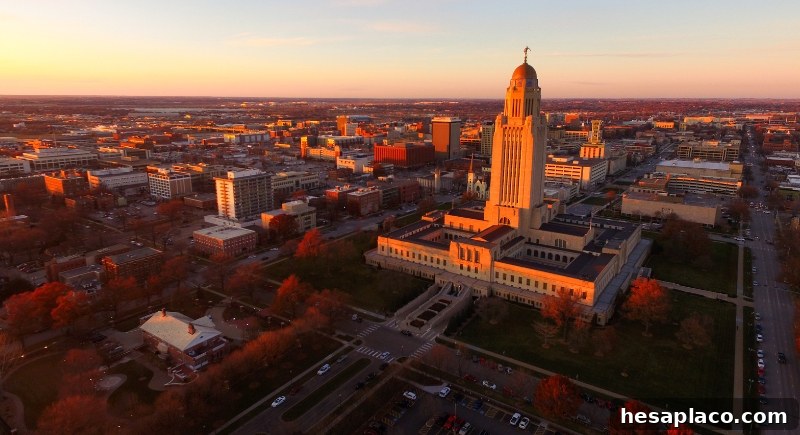
Credit: Getty Images
Nebraska maintains relatively low housing costs and stable employment in agriculture and insurance. Wages vary by region, and the state’s tax structure and extreme weather events both influence household budgets.
Pennsylvania: $49,211 – $147,648

Credit: Getty Images
Pennsylvania shows contrasts between expensive urban areas like Philadelphia and more affordable central and western regions. Public school funding and property tax rates differ widely across districts, affecting family finances.
Maine: $49,150 – $147,466
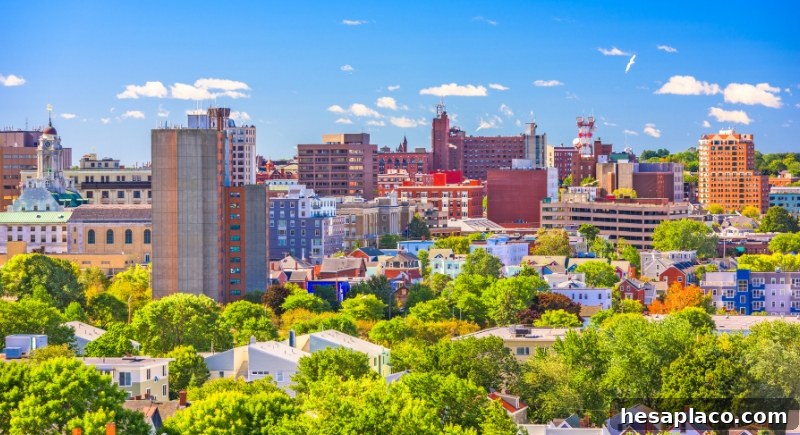
Credit: Getty Images
Maine’s coastal housing markets have tightened as vacation-home demand increased, pushing prices up for local residents. An aging population increases demand for healthcare services, while rural broadband and winter heating costs remain concerns for many households.
Florida: $48,869 – $146,622

Credit: Getty Images
Florida’s tourism-driven economy provides many service-sector jobs, often with lower wages, while home insurance costs are among the highest nationally due to hurricane and flood risks. Rapid rent increases in major metros have pressured long-term residents in many neighborhoods.
Wyoming: $48,272 – $144,830
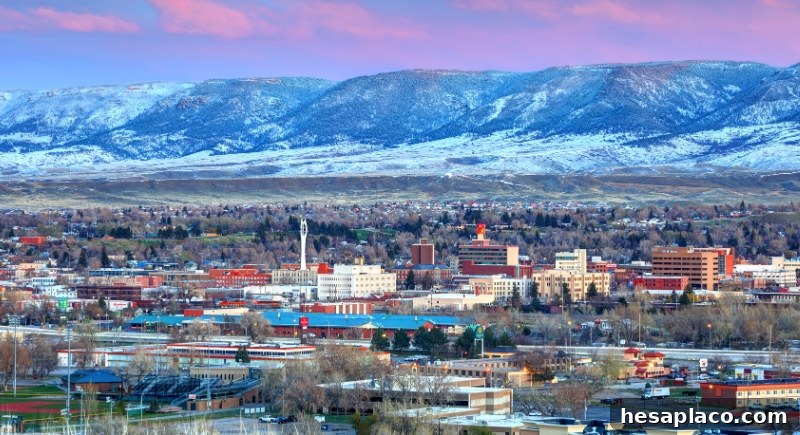
Credit: Getty Images
Wyoming offers wide open space and low population density, but it also has limited services and a reliance on resource-based revenue that can cause volatility in public funding. Property taxes tend to be low, but energy and utility costs can fluctuate.
South Dakota: $47,869 – $143,620

Credit: Getty Images
With no state income tax and moderate property taxes, South Dakota can be affordable for many households. However, access to healthcare and limited wage growth in smaller communities present challenges for long-term affordability.
Iowa: $47,617 – $142,866

Credit: Getty Images
Des Moines is a regional financial center with stable employment in insurance and ag-tech, and Iowa ranks well for safety. Still, rural population decline and delayed infrastructure investments create disparities in economic opportunity across the state.
Montana: $47,198 – $141,608
Credit: Getty Images
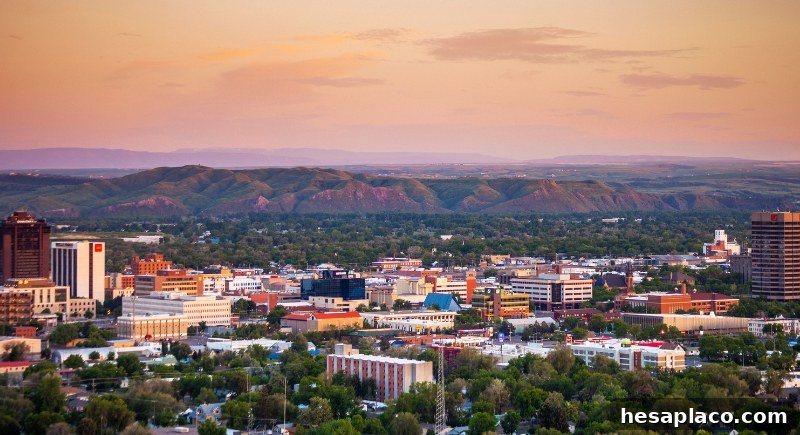
Montana’s picturesque communities, particularly Missoula and Bozeman, have experienced strong housing price growth. Broadband gaps and wildfire risks add financial and logistical pressures for homeowners and renters alike.
North Carolina: $47,198 – $141,608

Credit: Getty Images
The Research Triangle and Charlotte regions offer growing tech and finance jobs and higher wages, but housing affordability varies widely between metro and rural areas. Healthcare and transit access are concentrated in urban centers.
Kansas: $46,884 – $140,666

Credit: Getty Images
Kansas City suburbs have seen growth, but much of Kansas remains rural with an economy tied to agriculture. Severe weather risks influence insurance costs, and public school spending in some areas remains below national averages.
Indiana: $46,313 – $138,954

Credit: Getty Images
Indiana’s manufacturing base and predictable flat tax structure shape household finances, though wages in some regions have not kept pace with rising housing costs. Urban areas offer more transit and job diversity than rural counties.
Michigan: $46,117 – $138,366

Credit: Getty Images
Michigan’s economy remains anchored in the auto industry, with urban revitalization in cities like Detroit unevenly distributed. Harsh winters drive utility costs, and access to services in the Upper Peninsula is limited compared with more populated regions.
Missouri: $45,692 – $137,090

Credit: Getty Images
St. Louis and Kansas City provide diverse job markets and amenities, while many smaller towns remain affordable. Public transit coverage is limited outside urban cores, and crime rates influence housing decisions in certain neighborhoods.
South Carolina: $45,198 – $135,608
Credit: Getty Images
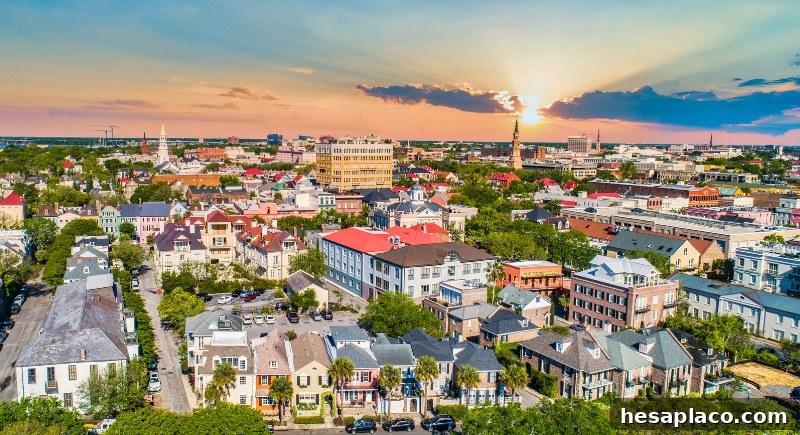
Charleston and coastal areas are popular and pricier, while inland regions often remain more affordable. Insurance costs and flood risks can raise housing expenses for coastal homeowners, and rural healthcare and education options are less robust in some counties.
Ohio: $45,175 – $135,538

Credit: Getty Images
Ohio’s housing remains relatively affordable in many cities, though utilities and food costs have risen. Manufacturing and healthcare continue to be major employment sectors, even as some regions contend with slower job growth.
Tennessee: $45,083 – $135,262

Credit: Getty Images
Nashville’s cultural and healthcare industries attract newcomers, but housing affordability has deteriorated. Tennessee’s lack of a state income tax helps households, but higher sales taxes and uneven education funding can affect family budgets.
New Mexico: $41,508 – $124,536

Credit: Getty Images
New Mexico faces high poverty rates and concentrated job markets in urban centers. Rural areas often experience limited public services and fewer employment opportunities, even as cultural institutions and tourism support local economies.
Alabama: $41,471 – $124,424

Credit: Getty Images
Birmingham and Huntsville provide varied job opportunities in healthcare and defense, while many smaller towns face population loss and limited services. Wages in some areas lag behind rising costs for essentials like food and rent.
Oklahoma: $41,421 – $124,276

Credit: Getty Images
Oklahoma’s economy includes energy and aviation industries, and cities like Tulsa are seeing revitalization. However, severe weather risks and rural service gaps affect insurance and access to healthcare, while wages remain uneven across regions.
Kentucky: $40,741 – $122,236

Credit: Getty Images
Kentucky continues to transition from a coal-centered economy, with growth concentrated in Louisville and Lexington while Appalachian regions struggle. Public health challenges and patchy broadband in remote areas shape household expenses and opportunities.
Arkansas: $39,129 – $117,400

Credit: Getty Images
Arkansas has affordable food and fuel costs in many areas, and corporate hubs like Bentonville bring jobs. Still, uneven internet access and urban challenges in Little Rock affect long-term economic mobility for some residents.
Louisiana: $38,815 – $116,458

Credit: Getty Images
New Orleans is a cultural and tourism center, but infrastructure and frequent weather-related risks drive up housing and insurance costs. Opportunities outside major cities can be limited and economic outcomes vary by parish.
West Virginia: $37,295 – $111,896

Credit: Getty Images
West Virginia has experienced long-term population decline and economic disruption following coal’s decline. Healthcare access and public health challenges remain pressing issues, contributing to out-migration of younger residents seeking better job prospects.
Mississippi: $36,132 – $108,406

Credit: Getty Images
Mississippi ranks low on median household income and faces persistent challenges in public education funding and healthcare access. While housing is relatively inexpensive, job availability and economic mobility remain limited across many communities.