
Even as markets show signs of recovery, job anxiety remains widespread. Workers across industries and income levels are feeling insecure. If you sense layoffs ahead or notice mood changes at your workplace, now is the time to reassess your finances and prepare.
Below are practical steps you can take to reduce stress and increase your financial control, whatever comes next.
Prioritize a Six-Month Emergency Fund

Credit: Canva
Start by calculating your essential monthly expenses: housing, groceries, utilities, insurance, and debt payments. Cut discretionary spending and set up an automatic transfer from each paycheck into a high-yield savings account. A six-month cushion is important because unemployment durations have lengthened for many people.
Trim Recurring Subscriptions Now

Credit: Getty Images
Emergencies don’t wait for perfect timing. Review your monthly charges and cancel unused streaming services, oversized cable packages, or outdated gym memberships. These cuts are often the quickest way to free up cash and extend your emergency savings.
Update Your LinkedIn and Resume

Credit: pexels
Refreshing your resume under pressure is stressful. Instead, polish your LinkedIn now: highlight recent accomplishments, turn on job alerts for realistic roles, and request recommendations from colleagues. Keeping your profile current makes a job search less frantic if it becomes necessary.
Know Your State’s Unemployment Rules

Credit: Getty Images
Unemployment benefits vary by state in how payouts are calculated, required documentation, and processing times. Research the rules for your state and gather tax documents, recent pay stubs, and ID now so you’re prepared if you need to file a claim.
Use Employer Benefits While You Can

Credit: Dragon Images
If you’re still employed, use available benefits: schedule medical or dental appointments, spend FSA funds, and contribute enough to capture any 401(k) match. Employer perks often end at termination, so take advantage of them while you still can.
Create Small, Reliable Income Streams

Credit: Getty Images
Start a modest side income now. Options include tutoring, freelance or contract work, renting a room or vehicle, or selling a service. Even a few hundred dollars per month can cover essentials and protect savings during a job gap.
Maintain Your Professional Network

Credit: Getty Images
Treat your network like a garden—nurture it consistently. Comment on posts, send quick messages, and share useful articles. Regular, authentic contact keeps you visible and makes future outreach feel natural rather than desperate.
Audit Your Budget Honestly

Credit: pexels
Review your bank and credit card statements line by line. Identify charges you can eliminate or reduce and assign a purpose to every recurring cost. Discuss potential spending cuts with household members so you have a plan if income drops. Then examine your debts—what’s most expensive, what’s due soon—and contact lenders if you need to negotiate terms while you’re still current.
Plan for Your 401(k) and Vesting Dates

Credit: Getty Images
Understand how your 401(k) is handled if you leave: some plans let funds stay, others require a rollover. Check whether employer contributions are vested and when those dates occur. Rolling over to an IRA can be the right choice for many, but decide before you’re packing up your office.
Review Health Insurance Options Carefully

Credit: Canva
Losing employer-based health coverage can have serious financial consequences. Learn about COBRA and compare marketplace plans. If you’re married, evaluate joining a spouse’s policy. Avoid gaps in coverage—unexpected medical bills are one of the quickest ways to derail finances.
Don’t Miss Upcoming Bonuses or Vesting Events

Credit: Getty Images
Check the calendar for bonus payments, stock vesting, commissions, or other scheduled payouts tied to specific dates. Leaving a job a few days too early could mean missing significant compensation. If a meaningful payout is imminent, it may be financially prudent to delay your departure.
Adjust Tax Withholdings When Income Changes
Credit: Getty Images
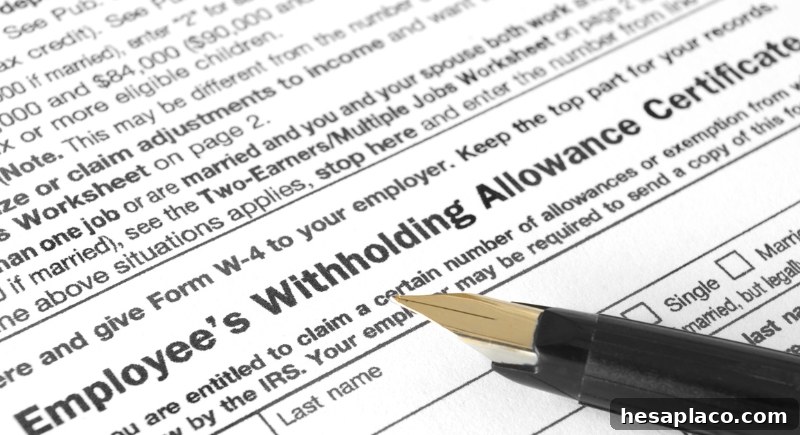
If your hours, side income, or job status changes, review your tax withholding. The wrong setup can lead to an unexpected tax bill. Adjust withholding proactively or consult a tax professional to avoid surprises.
Talk to a Financial Planner for Personalized Guidance

Credit: Getty Images
Online searches can help, but a session with a qualified financial planner can provide tailored advice: tax strategies, equity plan decisions, insurance choices, and which assets to preserve. Even a single meeting can clarify priorities and reduce costly mistakes during uncertain times.