The world of work is constantly evolving, with new roles emerging and familiar jobs disappearing as technology, culture, and business models change. A McKinsey Global Institute study has warned that automation could affect hundreds of millions of jobs by 2030, underscoring how quickly entire occupations can transform or vanish. Many of the roles below were once commonplace and essential to daily life. Over time, inventions, mass production, digital technologies, and shifting consumer habits made these jobs obsolete or radically redefined them. Here are 20 such roles that have largely disappeared or been transformed.
Lamplighter (1800s–Early 1900s)

Credit: Wikimedia Commons
Lamplighters walked city streets at dusk to ignite gas lamps and extinguish them at dawn. Their work ensured public safety and extended the hours for commerce and social life. The widespread adoption of electric lighting and automated electrical systems removed the need for manual lamp lighting.
Ice Cutter (1800s–Early 1900s)
Credit: picryl
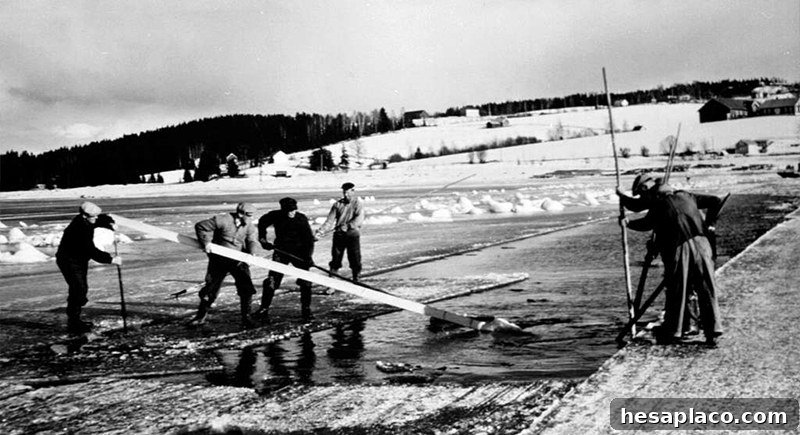
Before mechanical refrigeration, ice cutters harvested blocks of ice from frozen lakes and rivers to preserve food and cool homes. The invention and mass adoption of refrigerators and ice manufacturing plants ended the need for seasonal ice-harvesting crews.
Milkman (Mid–Late 1900s)
Credit: Wikimedia Commons
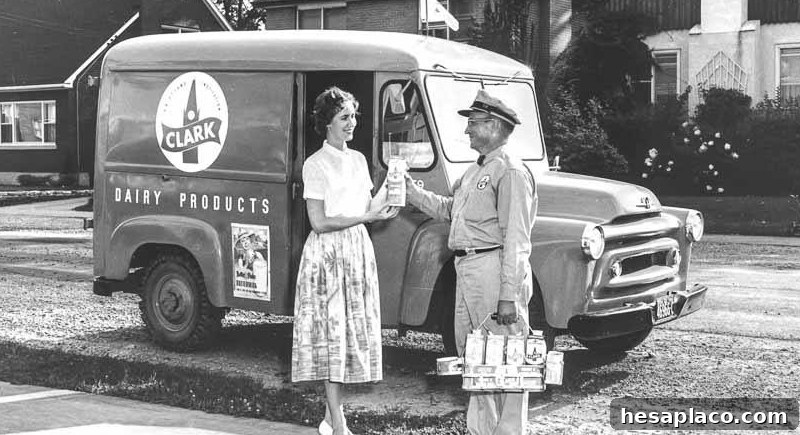
Milkmen delivered fresh dairy products door to door, often in reusable glass bottles. The growth of supermarkets, improved home refrigeration, and changes in distribution and packaging diminished the demand for daily doorstep delivery.
Telephone Operator (Mid–Late 1900s)
Credit: flickr
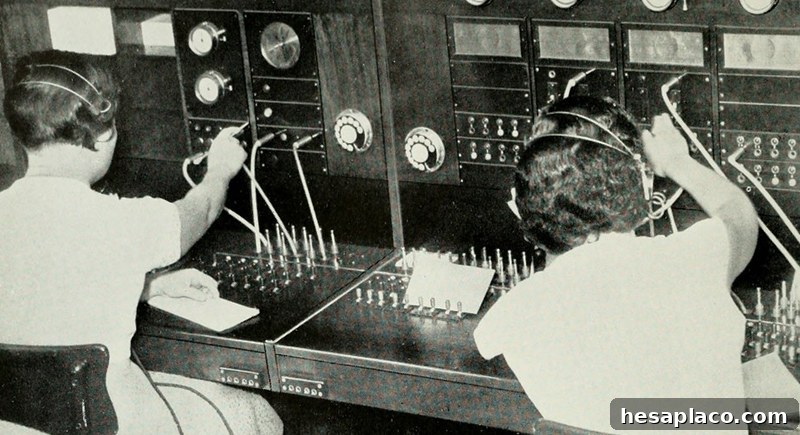
Telephone operators acted as human switchboards, connecting callers by plugging cords into switch panels. The introduction of automated switching, direct-dial systems, and later digital telecommunications rendered that role unnecessary for most everyday calls.
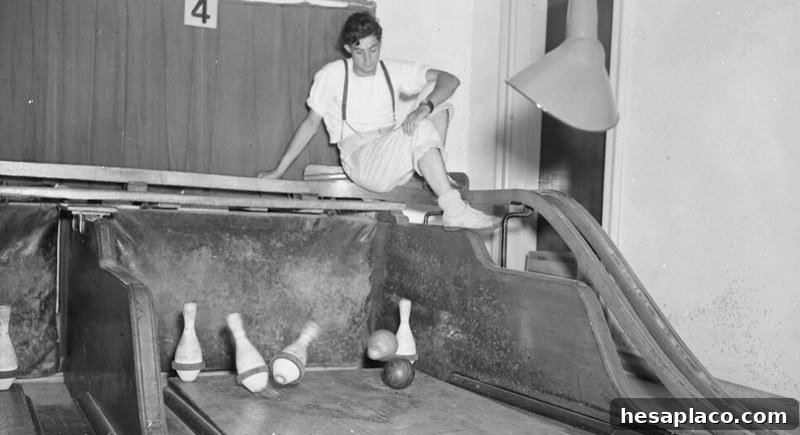
Pinsetter (1900s–Mid 2000s)
Credit: flickr
Pinsetters manually reset bowling pins between frames and cleared fallen pins—often a physically demanding job for teenagers and young adults. Mechanical pinsetting machines automated the task, increasing efficiency and safety in bowling centers.
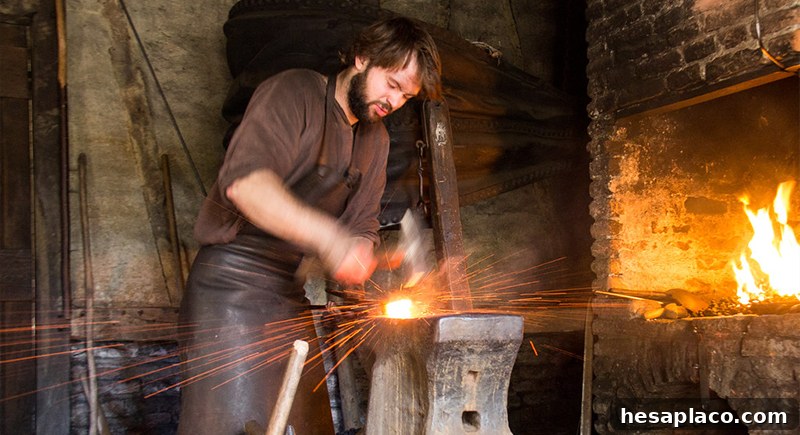
Blacksmith (Ancient Times–Early 1900s)
Credit: flickr
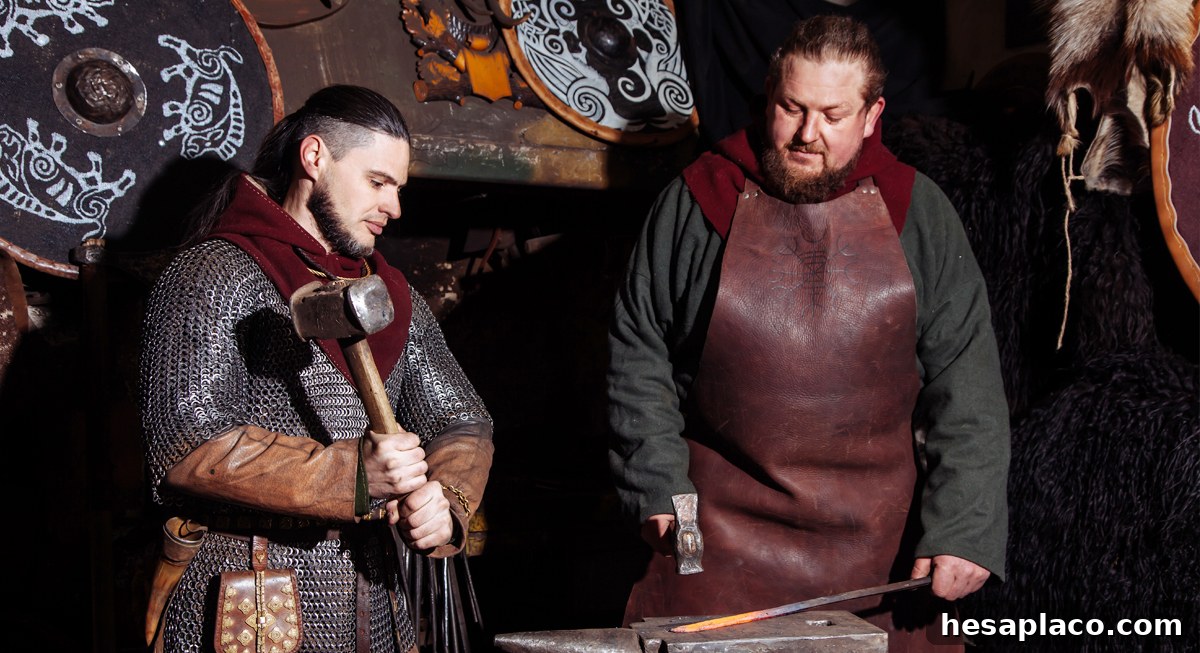
For centuries blacksmiths forged and repaired metal tools, horseshoes, and hardware. Industrial mass production, standardized parts, and new materials like plastics reduced the demand for traditional blacksmithing. Today, blacksmithing survives mainly as a craft, hobby, or specialty trade.
Town Crier (Medieval Times–Early 1900s)

Credit: Wikimedia Commons
Town criers announced news, proclamations, and public notices using bells and loud calls. The development of print newspapers, radio, and broadcast media made mass communication faster and far more efficient than street criers.
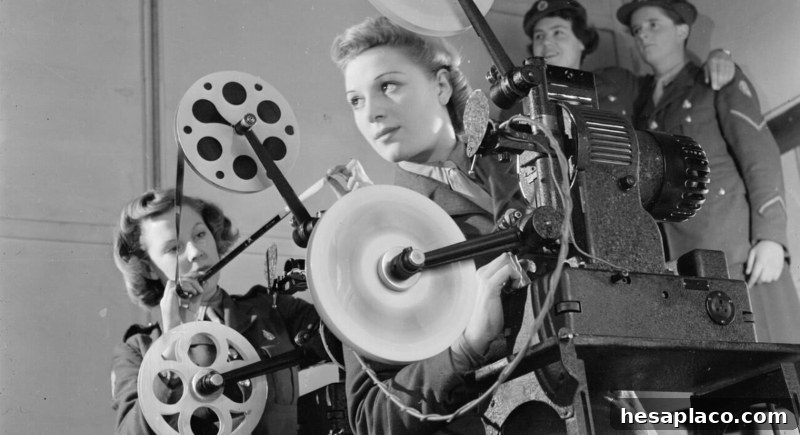
Slide Projector Operator (Mid–Late 1900s)
Credit: Wikimedia Commons
In classrooms and presentations, operators managed carousel or slide projectors to show photographic slides. Digital projectors, presentation software, and ubiquitous laptops replaced slide trays and manual operation.
Tollbooth Collector (Mid–1900s–Present)

Credit: iStockphoto
Tollbooth collectors handled cash payments and issued receipts at bridges and highway plazas. The move toward electronic tolling, transponder systems, and cashless lanes is steadily reducing the need for staffed toll booths.
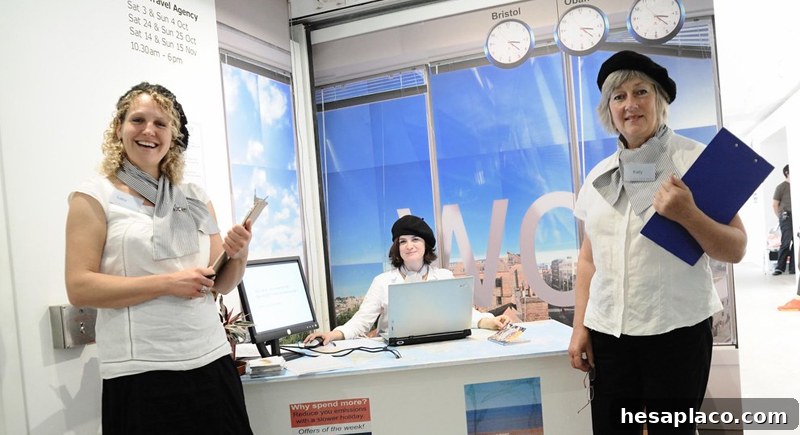
Travel Agent (Mid–1900s–Present)
Credit: flickr
Travel agents once arranged flights, hotels, and packaged vacations using global distribution systems and industry contacts. The rise of online travel agencies, discount airlines, and direct booking platforms shifted much of this work online. Yet specialized agents who focus on luxury travel, complex itineraries, or personalized experiences continue to add value.
Soda Jerk (Late 1800s–Mid 1900s)
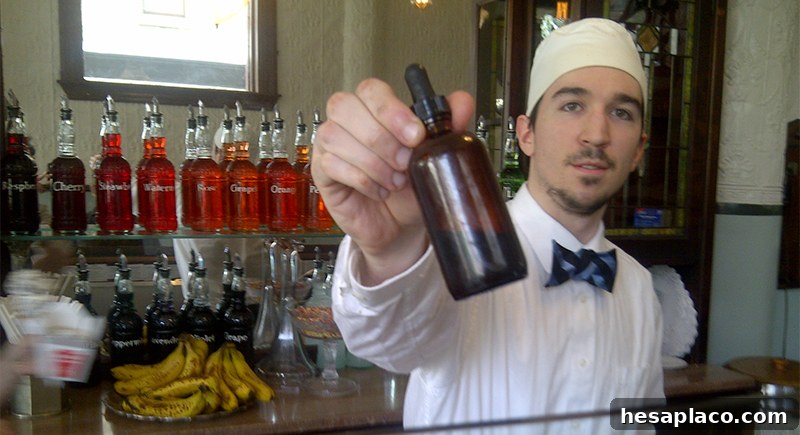
Credit: Wikimedia Commons
Soda jerks mixed fountain drinks, milkshakes, and sundaes at soda fountains—central social hubs of the early 20th century. The growth of fast-food chains, self-service beverage stations, and packaged convenience items diminished traditional soda fountain roles.
Switchboard Operator (Early Telephone Era)
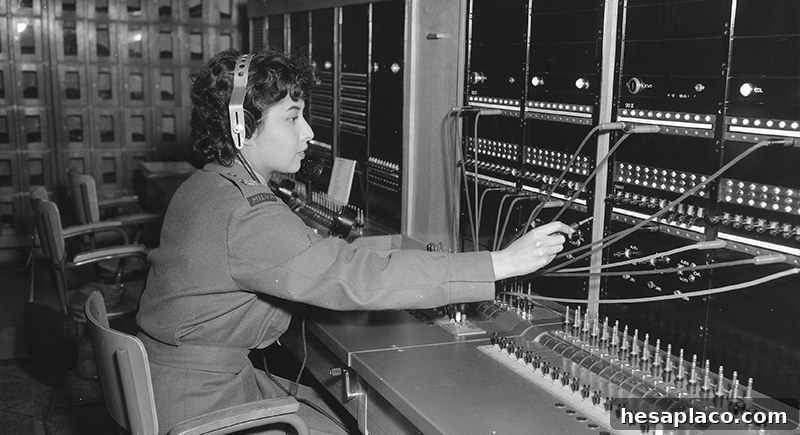
Credit: Wikimedia Commons
In the earliest telephone systems, operators manually connected calls by plugging wires into switchboards. Technological advances such as rotary dials, touch-tone dialing, and digital switching automated the process and removed the human connector from everyday calls.
Lift Boy / Elevator Operator (Late 1800s–Mid 1900s)
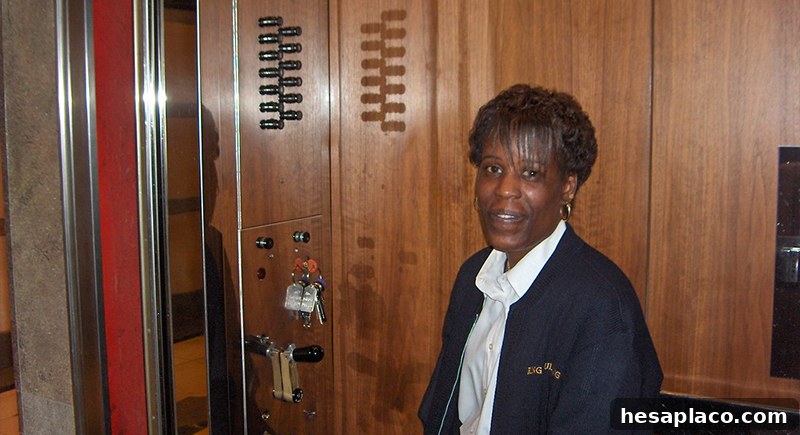
Credit: flickr
Elevator operators manually controlled the movement of lifts and often provided a personalized service for passengers. The introduction of automated elevators with simple push-button controls and improved safety systems largely eliminated the job in most buildings.
Night Watchman (Pre-Security Systems Era)
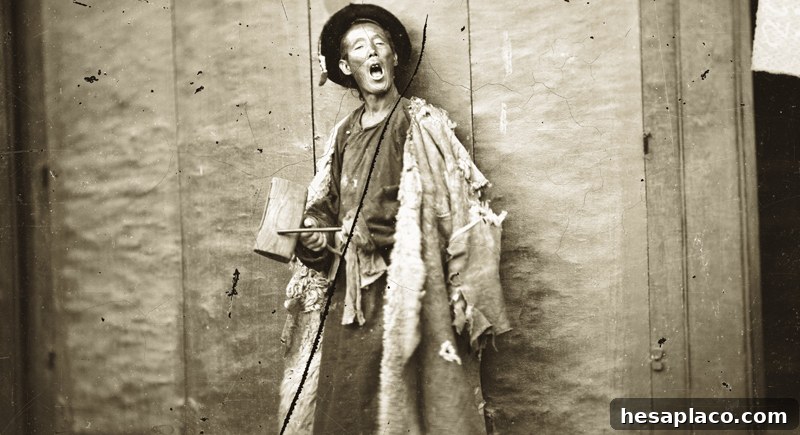
Credit: Wikimedia Commons
Night watchmen patrolled premises after hours to deter theft and check for hazards. Modern alarm systems, CCTV, access control, and remote monitoring have transformed how security is handled, reducing reliance on traditional on-foot overnight patrols.
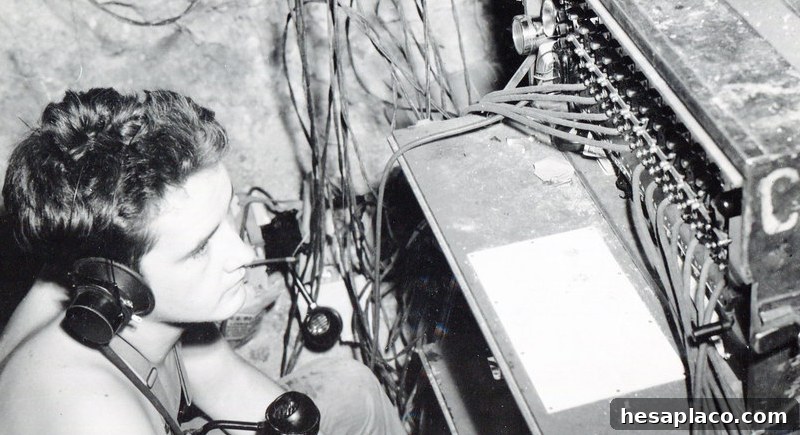
Codebreaker (World War II)
Credit: flickr
During World War II, codebreakers used early electromechanical machines and intense manual analysis to decipher enemy communications. Advances in cryptography, computing, and changes in geopolitical needs shifted the field toward automated, institutionalized intelligence and cybersecurity roles.
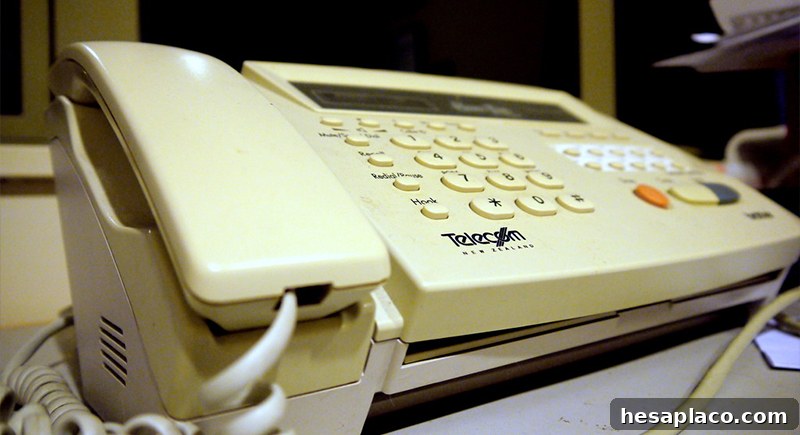
Fax Machine Operator (Mid–Late 1900s)
Credit: flickr
Specialists who managed office fax machines used to prepare, send, and receive paper transmissions. Email, secure file transfer, and cloud-based document sharing have largely replaced faxing for most businesses, though some sectors still rely on it for regulatory or legacy reasons.
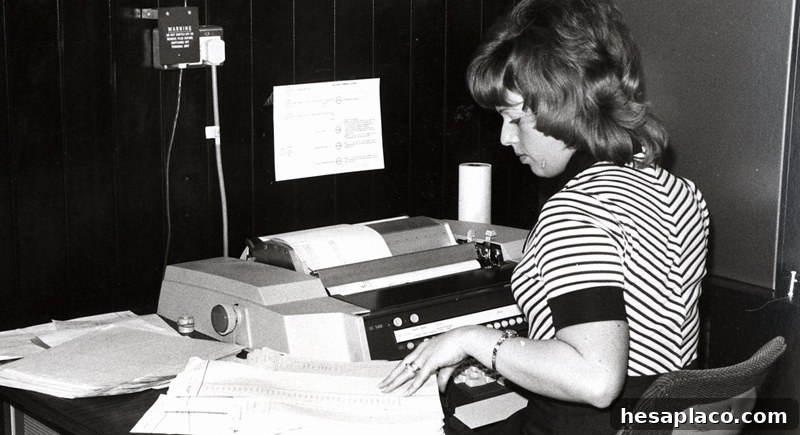
Data Entry Clerk (Mid–1900s–Present)
Credit: flickr
Data entry clerks converted paper forms and handwritten records into digital formats. Improvements in optical character recognition (OCR), automated forms processing, and AI-driven data extraction are reducing the volume of manual entry work and shifting human roles toward oversight and exception handling.
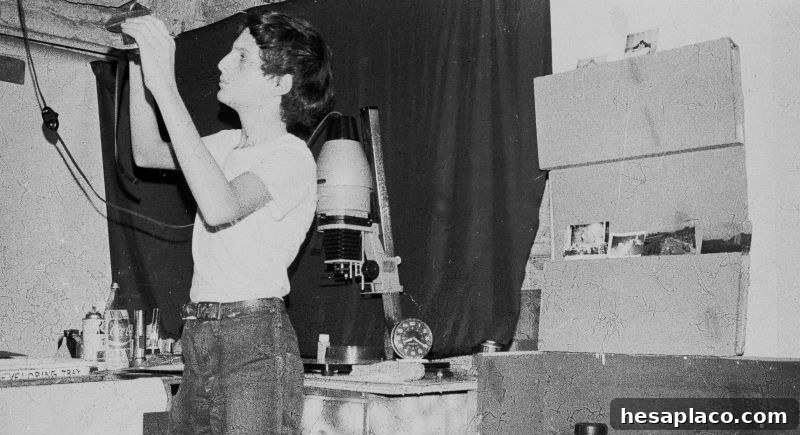
Film Developer (Mid–1900s–Early 2000s)
Credit: flickr
Photographic labs and film developers processed negatives to create prints and slides. The rise of digital cameras, smartphone photography, and home printing dramatically reduced demand for traditional film processing services.
Travel Agent (Continued Evolution)

Credit: iStockphoto
While online tools have displaced many traditional travel agency tasks, advisors who craft bespoke journeys, handle group logistics, or manage complex corporate travel still play a role. The profession continues to adapt by focusing on personalization, expertise, and high-touch service.
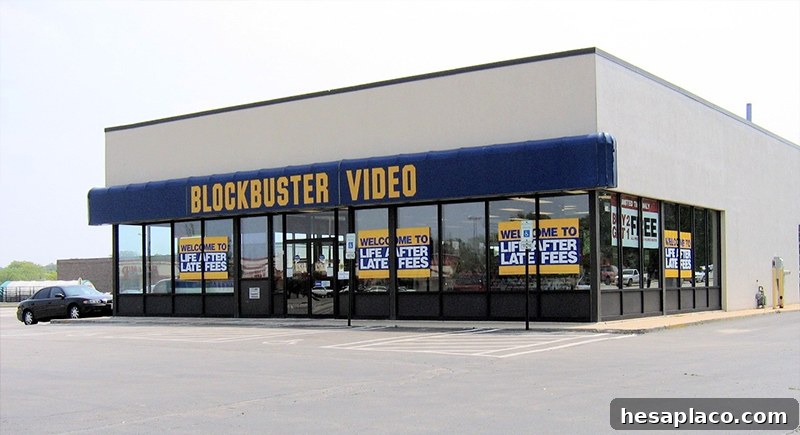
Blockbuster Video Clerk (1985–2010)
Credit: Wikimedia Commons
Video rental clerks guided customers through shelves of VHS tapes and DVDs and handled rentals and returns at stores like Blockbuster. Streaming services, on-demand digital rentals, and the move away from physical media led to the closure of most brick-and-mortar video rental stores and the disappearance of that retail role.
The evolution of these occupations highlights how technological innovation, economic efficiency, and changing consumer preferences can reshape the labor market. While some roles disappear entirely, others evolve or find new life as niche or specialized professions. Preparing for the future of work means recognizing these patterns and focusing on skills that are harder to automate: creativity, complex problem solving, interpersonal communication, and the ability to learn and adapt.