
Entering the gig economy opens up a new level of professional freedom. You can select projects that energize you, work from home in comfortable clothes, and craft a schedule that fits your life. That freedom brings rewards, but it also introduces challenges—especially when juggling multiple freelance roles. The following 15 strategies will help you balance several freelance jobs effectively and sustainably.
Understanding the Gig Economy Landscape

Credit: iStockphoto
The gig economy describes people who turn freelance work and side projects into income. Its appeal is clear: you choose what, when, and how you work. However, it isn’t only relaxed mornings and easy money—success requires planning and discipline. You are your own manager, client relations team, and accountant. The aim is to design a lifestyle where freelancing serves you, not the other way around.
Prioritize Time Management

Credit: freepik
Effective time management is essential. Visualize your day as a pie and allocate slices for priority tasks, client work, administrative duties, and rest. Tackle high-impact tasks during your most focused hours, and avoid letting menial tasks consume prime productivity time. Always schedule buffers between assignments to absorb unexpected delays, and keep personal time distinct from work time to avoid burnout.
Enhance Organizational Skills
Credit: freepik
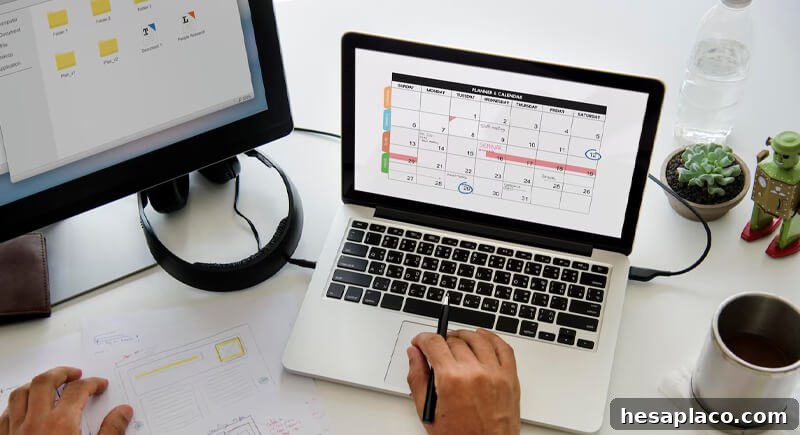
Organization keeps your workflow steady. Choose a project management tool or a planner that fits your style and use it consistently to track deadlines, milestones, and deliverables. Keep your workspace tidy—physical clutter often mirrors mental clutter. Use checklists to keep priorities clear and back up your files regularly to guard against data loss.
Sharpen Communication Skills

Credit: freepik
Clear communication builds trust and prevents misunderstandings. Set expectations with clients early—define scopes, timelines, milestones, and revision policies. Provide regular, concise updates without overwhelming clients with minutiae. Learn to receive and give constructive feedback professionally; it’s vital for growth. Small courtesies like timely responses and a simple thank-you strengthen long-term relationships.
Financial Planning and Management

Credit: freepik
Freelance income can fluctuate, so solid financial planning is crucial. Create a budget that accommodates variable income and build an emergency fund to cover lean periods. Set aside a percentage of each payment for taxes and use accounting software to track income and expenses. Price your services fairly—undervaluing work leads to burnout and instability.
Continuous Skill Development

Credit: freepik
Keep learning. Markets evolve quickly, and updating your skills helps you stay competitive and command better rates. Enroll in online courses, attend webinars, or join workshops that align with your goals. Networking events and peer groups are also learning opportunities. Expanding your skill set can open doors to higher-paying or more interesting projects.
Build a Strong Online Presence

Credit: iStockphoto
Your online presence is often the first impression clients get. A polished portfolio or website demonstrates professionalism and helps prospects evaluate your work quickly. Use social media strategically—share relevant updates and examples of your work while maintaining a professional tone. Regular content, such as blog posts or case studies, showcases expertise and keeps you visible to potential clients.
Network and Collaborate

Credit: iStockphoto
Networking is a relationship-building activity, not just job hunting. Collaborations bring new perspectives, referrals, and project opportunities. Attend industry meetups, participate in online forums, and follow up with new contacts. Nurturing relationships often produces steady work and valuable partnerships over time.
Embrace Flexibility While Setting Boundaries

Credit: iStockphoto
Flexibility is a major advantage of gig work, but clear boundaries protect your energy. Decide on working hours that match your natural rhythm and communicate them to clients. Learn to decline projects that don’t align with your schedule, values, or goals. Preserve downtime—rest fuels creativity, focus, and long-term productivity.
Cultivate Resilience Against Uncertainty

Credit: freepik
Freelance life includes unpredictable moments. Build a financial cushion for slow times and view setbacks as learning experiences rather than failures. Maintaining a positive, adaptable mindset will help you navigate fluctuations. Celebrate progress and milestones to reinforce motivation and perspective.
Celebrate Achievements and Learn from Failures

Credit: freepik
Recognize and celebrate your accomplishments, even small ones. Reflection on successes reinforces good habits and builds confidence. Equally, analyze mistakes to extract practical lessons and adjust your approach. Sharing achievements and lessons with peers can provide perspective, support, and accountability.
Leverage Multiple Platforms

Credit: iStockphoto
Don’t rely on a single source for work. Using several platforms increases exposure and reduces risk. Each marketplace attracts different clients and project types, so experiment to find which align with your strengths. Focus on quality over quantity—maintain strong profiles where you’re most active and tailor proposals to each opportunity.
Customize Your Workspace

Credit: freepik
Your workspace should support focus and comfort. Whether at home or in a shared space, invest in good lighting, an ergonomic chair, and minimal distractions. Personal touches that make the space inviting can boost morale. If possible, dedicate a specific area for work to strengthen the mental separation between professional and personal life.
Adopt a Proactive Approach to Finding Work

Credit: iStockphoto
Don’t wait for clients to come to you. Proactively reach out to prospects, pitch tailored services, and follow up on leads. Keep your portfolio up to date with recent, relevant work that highlights your best results. Explore job boards and social channels that match your niche, and be willing to try new avenues; often the most rewarding gigs come from initiatives you take.
Implement Time-Blocking Techniques

Credit: iStockphoto
Time-blocking helps you allocate focused periods for specific tasks. Assign dedicated blocks for client work, administrative tasks, marketing, and breaks. Treat those blocks as appointments you can’t miss. This approach reduces context switching, improves concentration, and makes it easier to switch off when the work block ends.
Practice Self-Care and Mindfulness

Credit: freepik
The freelance hustle can be demanding, so prioritize your health. Schedule regular breaks, stay active, and maintain a balanced diet to keep energy and focus high. Mindfulness practices—breathing exercises, short meditations, or brief walks—help manage stress and reset your attention. Consistent sleep is one of the most powerful productivity tools you have, so protect it.