
We’ve all had at least one awful boss, so it’s no surprise the movies are full of them. From micromanagers and petty tyrants to manipulators and outright bullies, seeing terrible supervisors on screen can make your own workplace seem a lot more tolerable. To keep this list focused, we stuck to recognizable “boss” roles and avoided crime lords, sci‑fi villains and military commanders.
Below is a curated list of some of the most unpleasant film bosses — characters who make colleagues suffer, abuse power, and remind us that, however bad your day at work gets, it could always be worse.
Miranda Priestly in “The Devil Wears Prada”
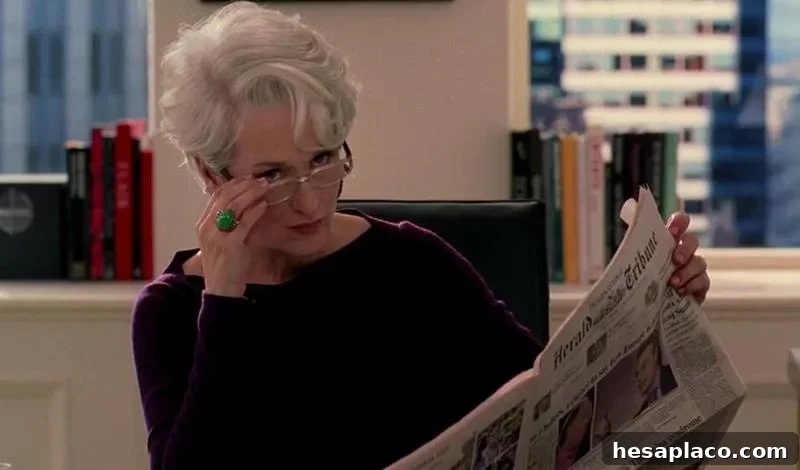
Twentieth Century Fox
Year: 2006
Created by: Lauren Weisberger
Portrayed by: Meryl Streep
Notorious line: “Details of your incompetence do not interest me.”
Miranda rules through intimidation and impossible demands — from berating staff to expecting personal errands and unrealistic travel arrangements. Meryl Streep’s chilling performance makes Miranda one of the most memorable tyrannical bosses on film. Though the story suggests her harsh methods may have pushed Andy to grow professionally, watching Miranda manipulate and humiliate employees is excruciating.
Bill Lumbergh in “Office Space”

Fox
Year: 1999
Created by: Mike Judge
Portrayed by: Gary Cole
Notorious line: “Oh, oh, and I almost forgot. Ahh, I’m also gonna need you to go ahead and come in on Sunday, too.”
Bill Lumbergh epitomizes the passive‑aggressive, petty office manager: procedural, smug, and obsessed with trivial rules and extra unpaid time. His tone and manner — topped off with TPS report reminders and a coffee mug — make him a universally loathed caricature of managerial incompetence. He even mistreats Milton, driving the point home that bad bosses often pick on the vulnerable.
Frank Cross in “Scrooged”
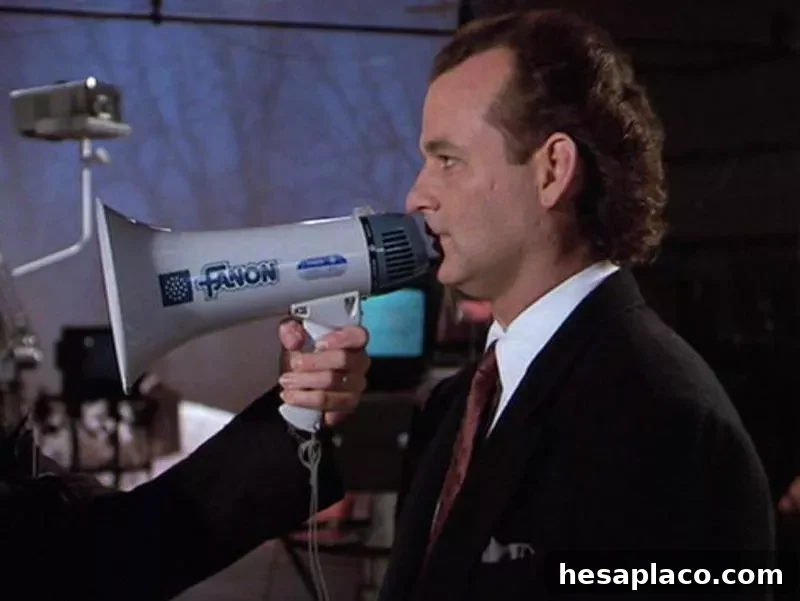
Paramount Pictures
Year: 1988
Created by: Mitch Glazer & Michael O’Donoghue (based on Charles Dickens)
Portrayed by: Bill Murray
Notorious exchange: “You know what they say about people who treat other people bad on the way up?” — “Yeah, you get to treat ’em bad on the way back down too.”
Bill Murray’s Frank Cross is a modern Scrooge: ruthless, arrogant, and comfortable firing staff on a whim (even on Christmas Eve). As a television executive who prioritizes ratings over people, he embodies corporate callousness — until the supernatural intervention forces him to confront the consequences of his cruelty.
Katharine Parker in “Working Girl”

Twentieth Century Fox
Year: 1988
Created by: Kevin Wade
Portrayed by: Sigourney Weaver
Notorious line: “Ugh! What a slob.”
Katharine Parker is polished and professional on the surface, but she’s secretly ruthless and willing to steal an assistant’s ideas to advance her own career. Her backstabbing nature demonstrates that ambition without integrity can be as damaging as overt cruelty.
Bobby Pellitt in “Horrible Bosses”
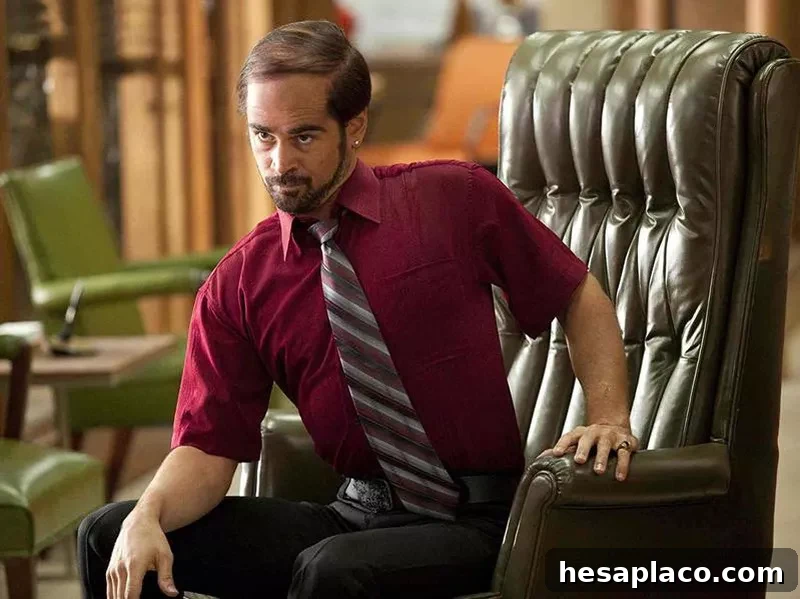
New Line Productions
Year: 2011
Created by: Michael Markowitz, John Francis Daley & Jonathan Goldstein
Portrayed by: Colin Farrell
Notorious exchange: “You’re three hours late.” — “I was at your father’s funeral.” — “Uh huh. Well, maybe that excuse would have flown when my dad was here, but I’m in charge now.”
Bobby Pellitt is the poster child for toxic entitlement: a coke‑addled, sadistic heir who mistreats employees for sport and pursues ruthless decisions to ruin a business for profit. The film features multiple atrocious bosses, but Pellitt’s cruelty and discriminatory orders make him especially reprehensible.
Franklin Hart, Jr. in “9 to 5”
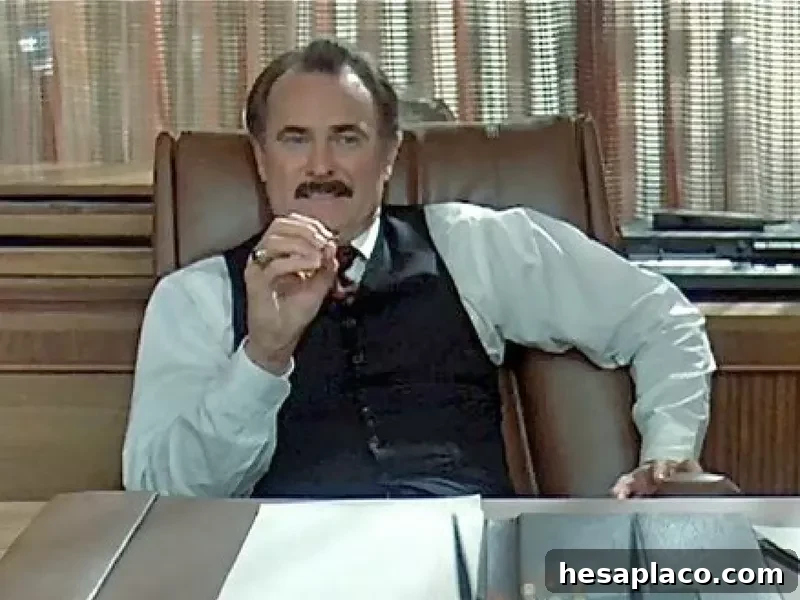
Twentieth Century Fox
Year: 1980
Created by: Patricia Resnick & Colin Higgins
Portrayed by: Dabney Coleman
Notorious line: “You tangle with me, and I hope you’re prepared to play dirty and rough. I’ll be damned if I let myself be stopped by three dim‑witted broads!”
Franklin Hart is a sexist, predatory boss who demeans, exploits, and openly discriminates against female employees. His behavior is the kind that sparked social movements in reality; as a fictional antagonist, he highlights the serious harms of workplace harassment and abuse of power.
Blake in “Glengarry Glen Ross”
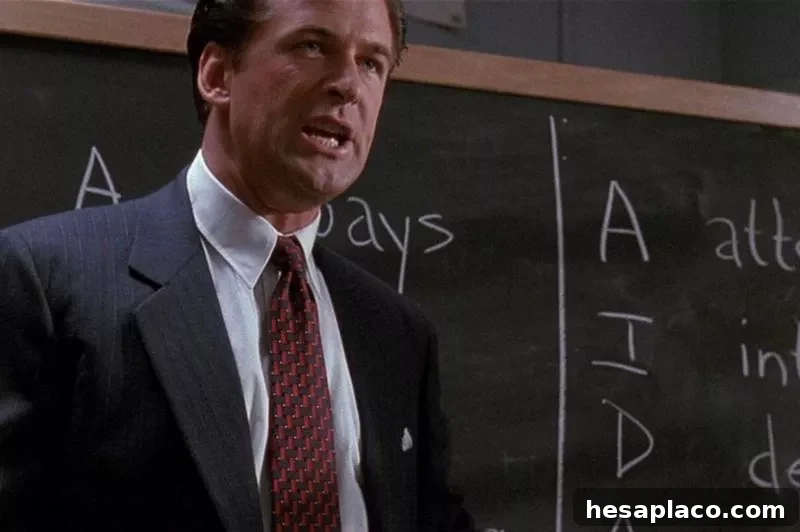
New Line Cinema
Year: 1992
Created by: David Mamet
Portrayed by: Alec Baldwin
Notorious line: “You certainly don’t, pal, ’cause the good news is — you’re fired. The bad news is — you’ve got, all of you, just one week to regain your jobs.”
Baldwin’s blistering monologue epitomizes coercive management: humiliation, threats, and dangling false incentives to force performance out of desperate employees. His performance is a brutal example of management that crushes morale rather than cultivates it.
Jordan Belfort in “The Wolf of Wall Street”

Paramount Pictures
Year: 2013
Created by: Jordan Belfort (based on his life)
Portrayed by: Leonardo DiCaprio
Notorious line: “Sell me this pen!”
Charismatic and intoxicating, Jordan Belfort appears to reward employees with wealth and excess, but he does so by fostering a workplace built on fraud, pressure, and moral bankruptcy. The intoxicating allure of money masks criminality and creates a toxic, short‑sighted culture.
Gordon Gekko in “Wall Street”

Twentieth Century Fox
Year: 1987
Created by: Stanley Weiser & Oliver Stone
Portrayed by: Michael Douglas
Notorious line: “If you need a friend, get a dog.”
Gordon Gekko popularized the credo “greed is good,” mentoring young brokers to prioritize profit above ethics. His ruthless philosophy and manipulation of protégés show how a leader’s values can poison an entire workplace and, ultimately, lead to downfall.
Claire Dearing in “Jurassic World”

Universal Pictures
Year: 2015
Created by: Michael Crichton (story origins)
Portrayed by: Bryce Dallas Howard
Notorious line: “Lowery, man up and do something for once in your life!”
Claire is the archetypal revenue‑first manager who values profit over safety and employee wellbeing. Her single‑minded pursuit of attendance numbers and presentation-ready operations ignores the very real dangers of her product — with catastrophic results once the park’s creatures break loose.
Margaret Tate in “The Proposal”

Touchstone Pictures
Year: 2009
Created by: Peter Chiarelli
Portrayed by: Sandra Bullock
Notorious line: “Listen carefully Bob. I didn’t fire you because I felt threatened. No. I fired you because you’re lazy, entitled, incompetent…”
Margaret is an aggressive, domineering executive who uses threats and coercion to control employees. The film’s central premise — forcing an employee into a sham engagement to save her status — highlights extreme abuse of power and workplace manipulation taken to an absurd degree.
Buddy Ackerman in “Swimming with Sharks”
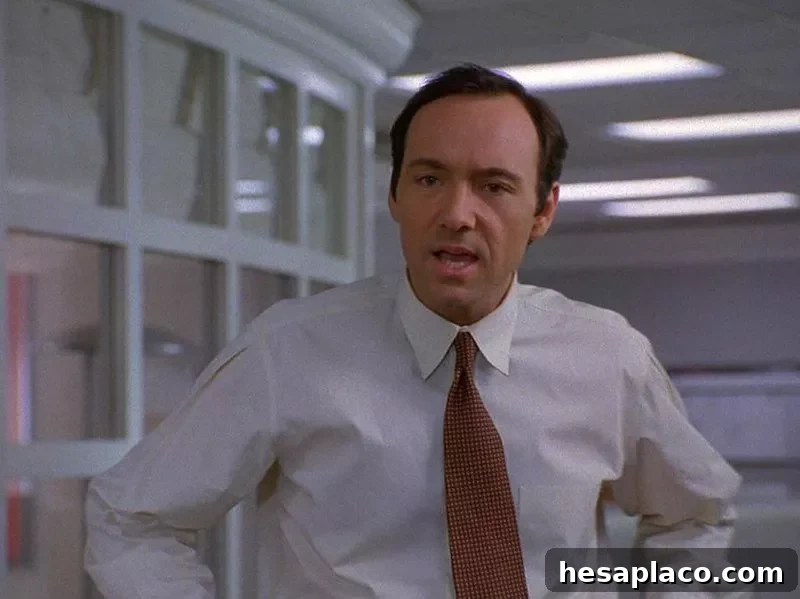
Trimark Pictures
Year: 1994
Created by: George Huang
Portrayed by: Kevin Spacey
Notorious line: “You have no brain. No judgement calls are necessary. What you think means nothing. What you feel means nothing. You are here for me.”
Buddy is a classic “boss from hell”: mean‑spirited, verbally abusive, and delighting in the degradation of his assistant. His treatment of subordinates is not only cruel but career‑destroying, making this a stark depiction of how toxic leaders exploit power.
The Duke Brothers in “Trading Places”
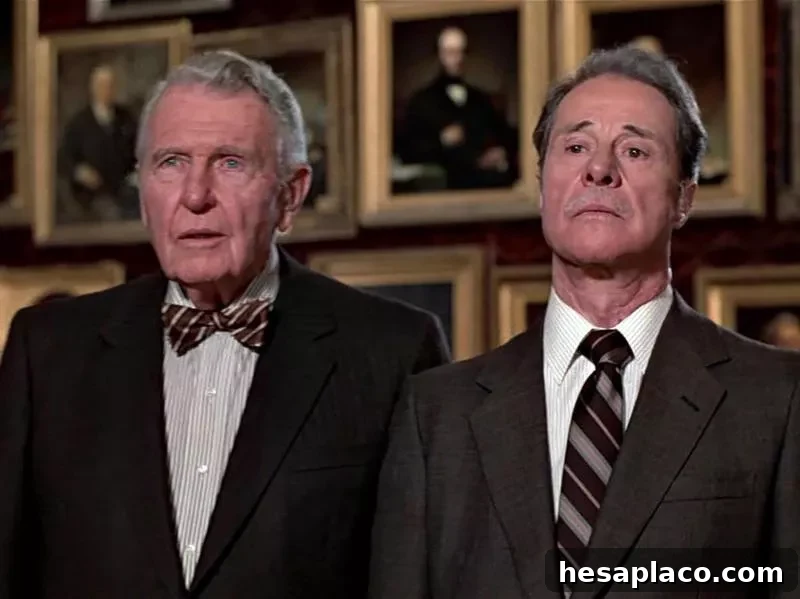
Paramount Pictures
Year: 1983
Created by: Timothy Harris & Herschel Weingrod
Portrayed by: Don Ameche & Ralph Bellamy
Notorious line: “We took a perfectly useless psychopath like Valentine, and turned him into a successful executive. And during the same time, we turned an honest, hard‑working man into a violently, deranged, would‑be killer!”
The Dukes are cold, privileged billionaires who wager on ruining lives for amusement. Their callous experiment — swapping the fortunes of two men as a social test — underscores terrible abuses of power and the corrosive effects of wealth and prejudice in business.
Professor Callahan in “Legally Blonde”
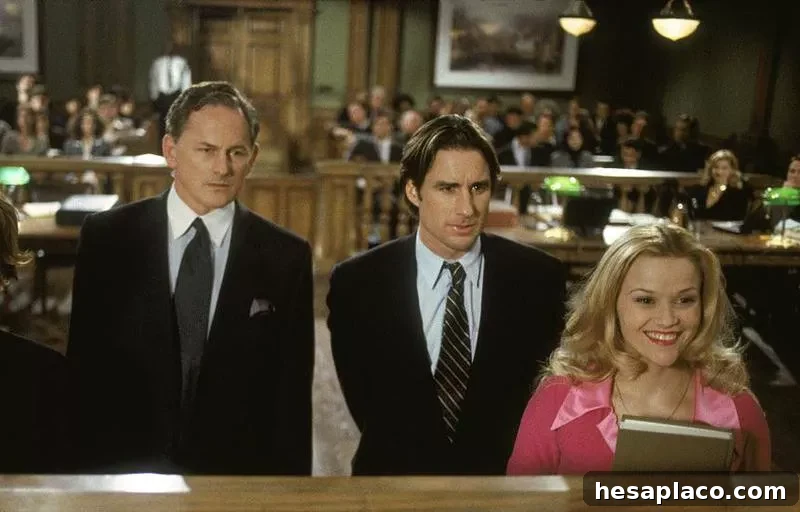
Metro‑Goldwyn‑Mayer Studios
Year: 2001
Created by: Amanda Brown
Portrayed by: Victor Garber
Notorious line: “Let the bloodbath begin.”
Professor Callahan uses mentorship as a pretext for sexual advances, exploiting power dynamics with disturbing cynicism. His behavior is a reminder that abuse can be disguised as career guidance and that accountability is essential in mentor‑mentee relationships.
Meredith Johnson in “Disclosure”
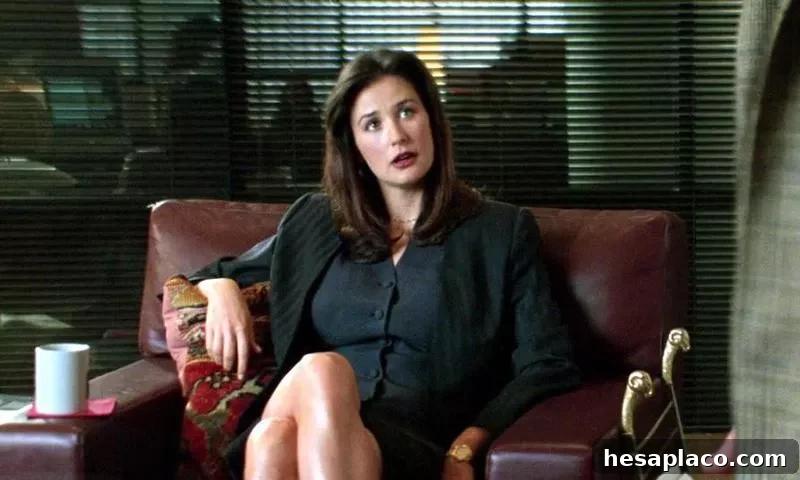
Warner Bros.
Year: 1994
Created by: Michael Crichton
Portrayed by: Demi Moore
Notorious line: “Poor Sanders. You have no idea what you’re up against — as usual.”
Meredith’s storyline flips the usual harassment narrative by portraying a powerful woman who weaponizes her authority to seduce and then retaliate when resisted. The film explores how accusations, power, and sexual politics can be manipulated to devastating effect.
These cinematic bosses range from the petty and humiliating to the criminal and exploitative. They offer cautionary lessons about leadership: power without empathy breeds fear, corruption, and collapse. At least in film, the worst bosses often face consequences, and their stories can help us recognize and resist similar behavior in the real world.