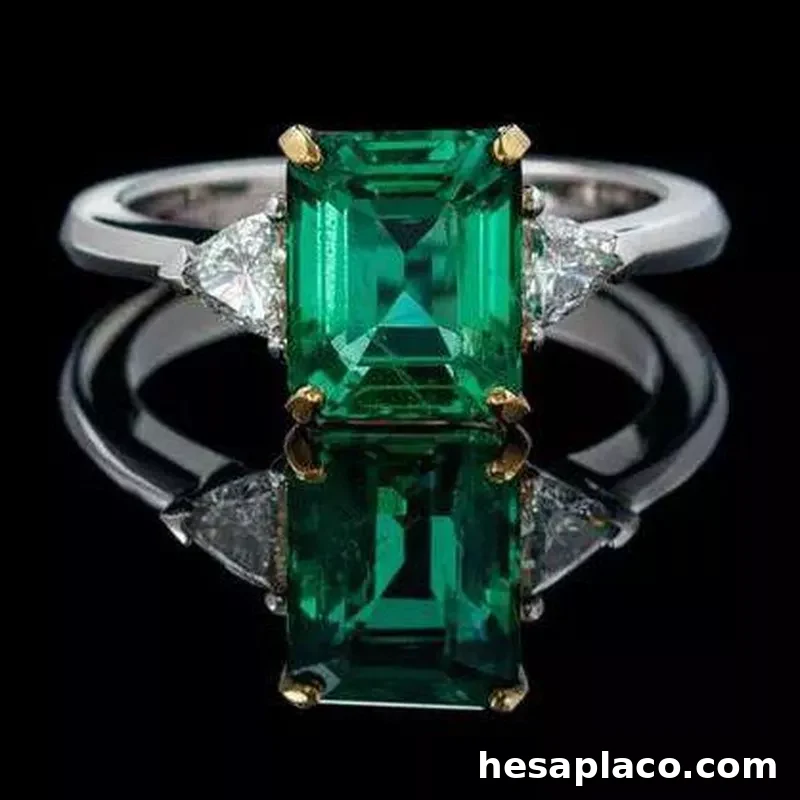
Green evokes nature, so green gemstones are commonly associated with harmony, balance, healing and longevity. While emeralds are the most famous green gems, they are not the only valuable green stones—and they are not always the most expensive per carat. Some gems historically sold as emeralds (like peridot or green garnets) are now correctly identified and marketed under their own names. Other green gems, such as Paraíba tourmaline, were discovered more recently and quickly rose in popularity and price.
There are many choices for high-end green gemstones today. Below is a curated list of popular green gems, ranked roughly by their top market value per carat. Prices represent typical upper ranges and will vary with quality, cut and provenance.
30. Green Fluorite
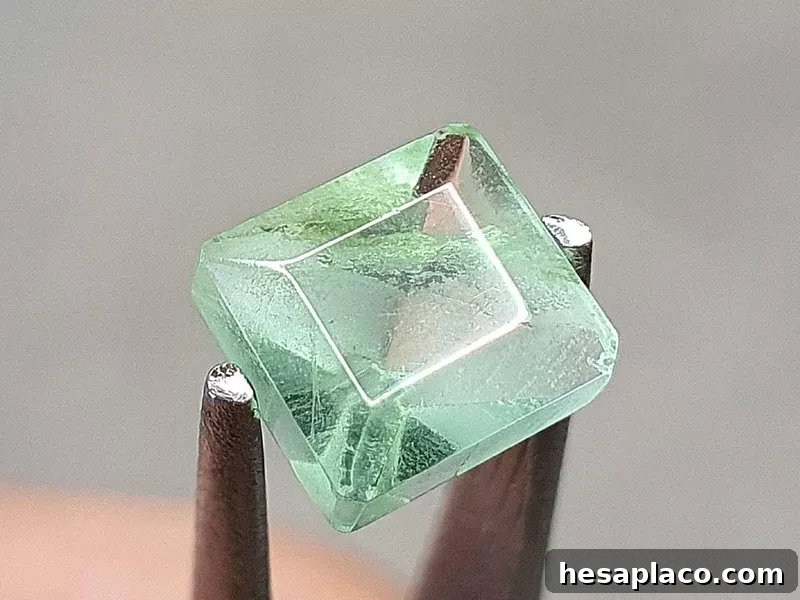
FreakenGems / Etsy
Price per carat: $0.50 – $50
Fluorite appears in purple, blue and green and can be highly polished and faceted to display strong brilliance. Because of its clarity and luster, it is sometimes mistaken for more expensive gems such as emerald, amethyst or garnet. Large, clean fluorite gems are rare; most pieces used in jewelry are small. The mineral also gave its name to the phenomenon of fluorescence, first observed in fluorite under ultraviolet light.
29. Moldavite
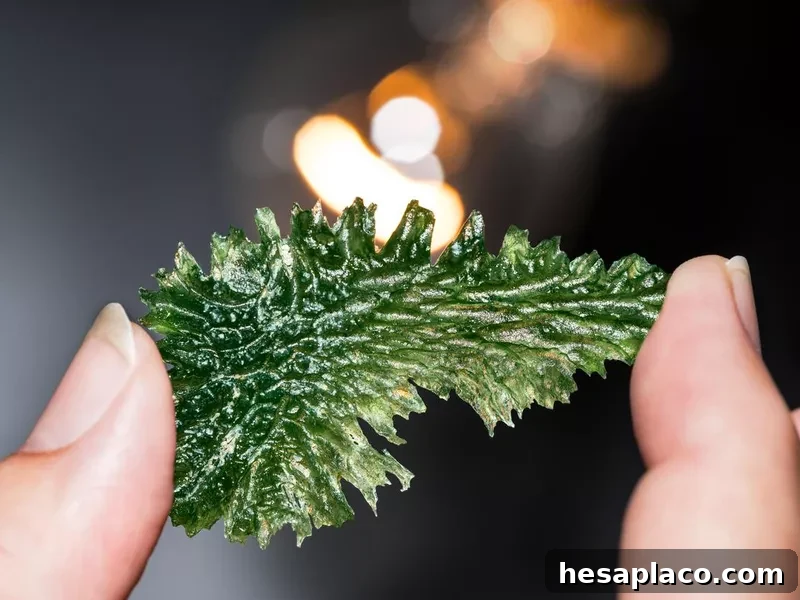
Ladislav Kubeš / Getty Images
Price per carat: $10 – $60
Moldavite is a natural glass formed by the heat and pressure of a meteorite impact. High-quality pieces show olive or bottle-green tones; lower-grade material may look brownish-green. Raw moldavite often has a flattened, rippled form, so lapidaries carve or shape pieces to highlight distinctive textures and inclusions.
28. Green Topaz
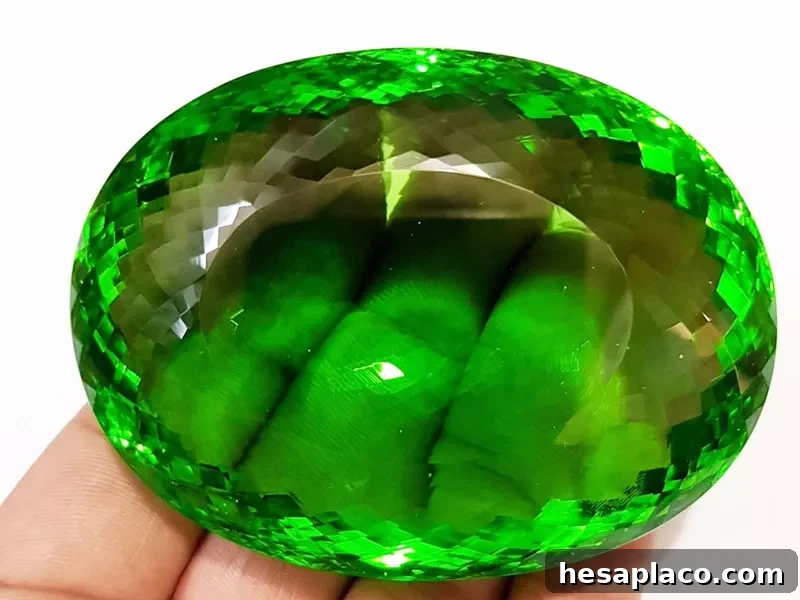
VictoriaFinestgem / Etsy
Price per carat: $10 – $80
Topaz commonly occurs clear to yellow, but green topaz exists and gains color from trace chromium or vanadium. Most green topaz displays a light yellow-green hue rather than deep emerald tones, which keeps it more affordable while still offering attractive green color and good durability for jewelry.
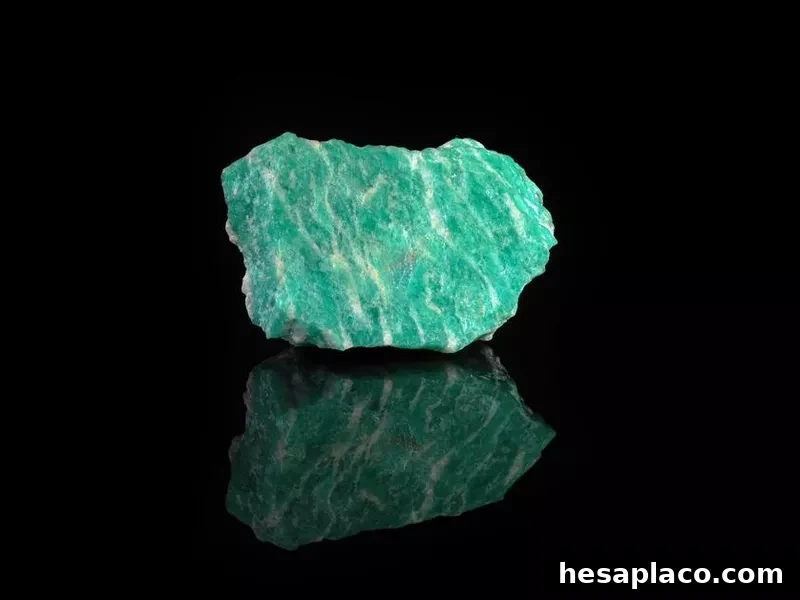
27. Amazonite
Getty Images
Price per carat: $10 – $100
Amazonite ranges from translucent to opaque milky green with white veining. Despite its name, it’s not sourced from the Amazon River. It is relatively affordable and prone to cleavage, so it’s commonly fashioned as beads or cabochons instead of faceted gems.
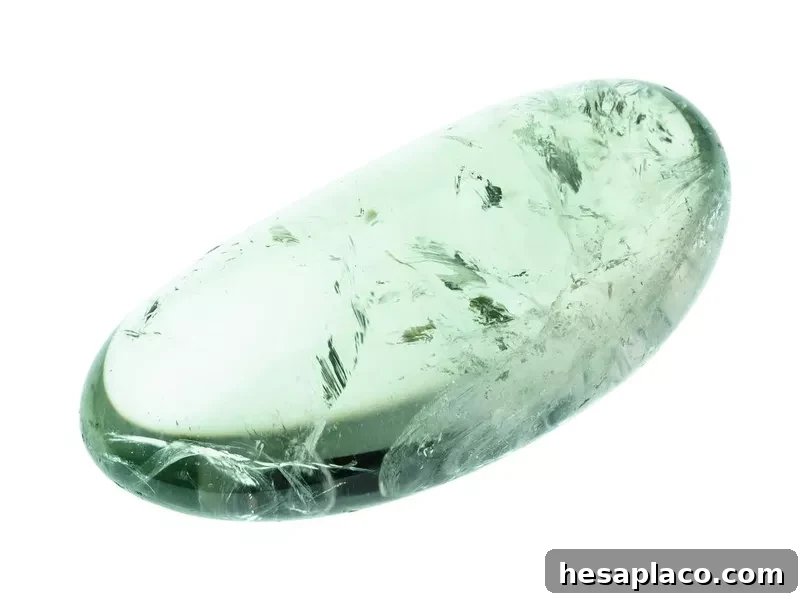
26. Prasiolite
Getty Images
Price per carat: $16 – $100
Prasiolite is the pale-green variety of quartz. While it occurs naturally, much prasiolite is produced by heat-treating light purple amethyst to achieve a delicate green often marketed as “green amethyst.” It offers an affordable, attractive option for light-green jewelry stones.
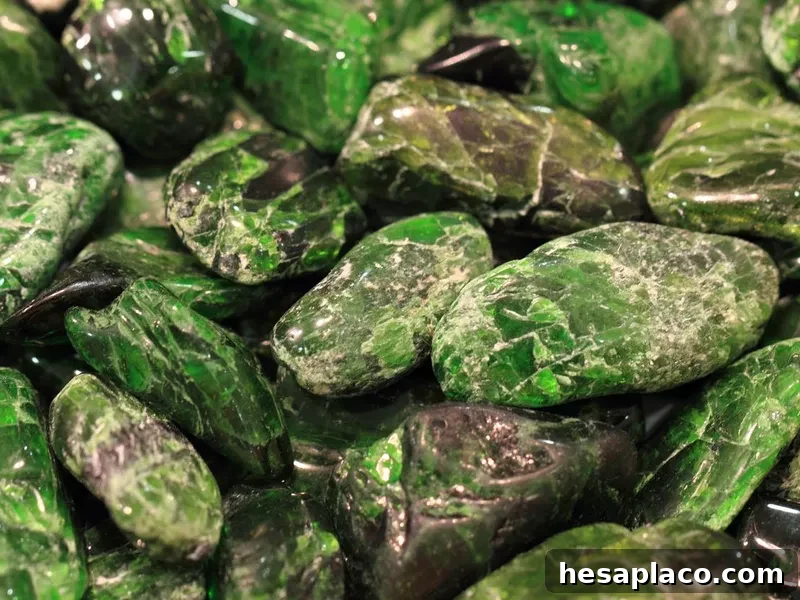
25. Chrome Diopside
Getty Images
Price per carat: Around $100
Chrome diopside shows rich grass-green colors from chromium content and can resemble emerald or tsavorite garnet. Most notable deposits are in Russia, and the finest stones are often small—larger pieces tend to darken and appear almost black.
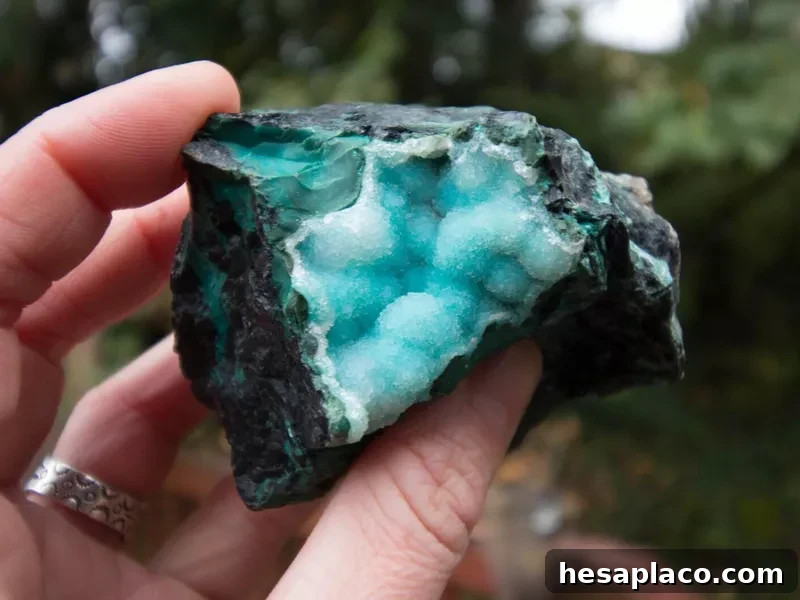
24. Gem Silica
Afeatheredbear / Etsy
Price per carat: $100+
Gem silica is a rare chalcedony colored by copper, ranging from apple-green to blue-green. Supply is limited, making it a prized material for one-of-a-kind jewelry or collector pieces.
23. Actinolite
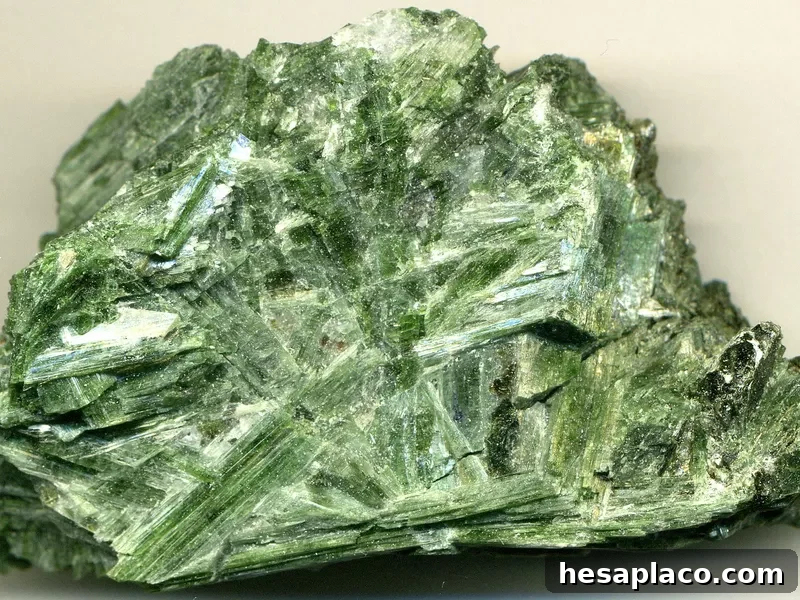
James St. John / Wikimedia Commons
Price per carat: Around $135
Actinolite contains iron and magnesium and appears in pale to dark green, sometimes nearly black. It is difficult to cut cleanly and usually occurs in smaller sizes; rare specimens can reach up to 10 carats. Cat’s-eye actinolite—showing a reflective band of light—commands higher value.
22. Amblygonite
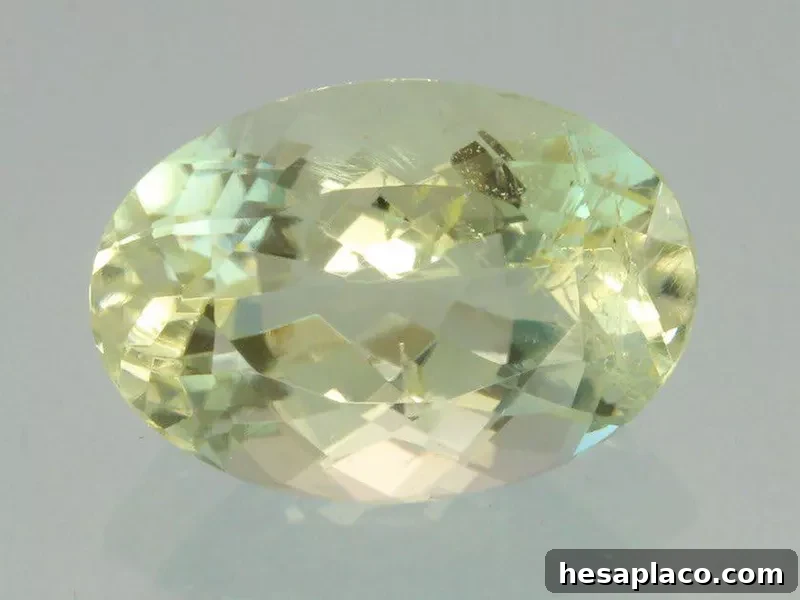
Gem Society
Price per carat: $80 – $160
Amblygonite is a fluorophosphate mineral found in white, cream, yellow and green tones; lime and mint greens are most desirable. It’s relatively soft, so it is mainly collected by gem and mineral enthusiasts rather than used in everyday jewelry.
21. Apatite
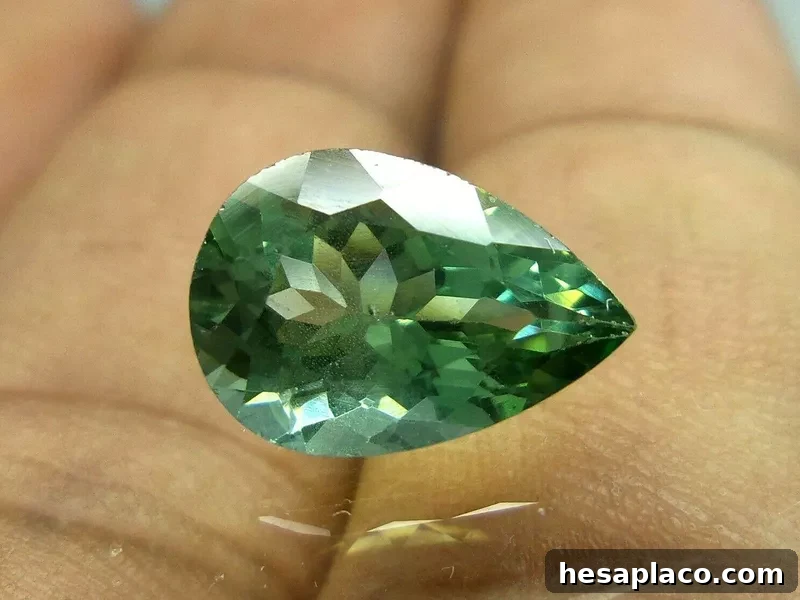
Gemstone Pioneer / eBay
Price per carat: $75 – $200
Apatite—phosphate-based—occurs in several colors; the bright bluish-green variety resembles Paraíba tourmaline. Gem-quality apatite is scarce and often small. Its relative softness limits its use in jewelry to pieces that won’t endure heavy wear.
20. Brazilianite
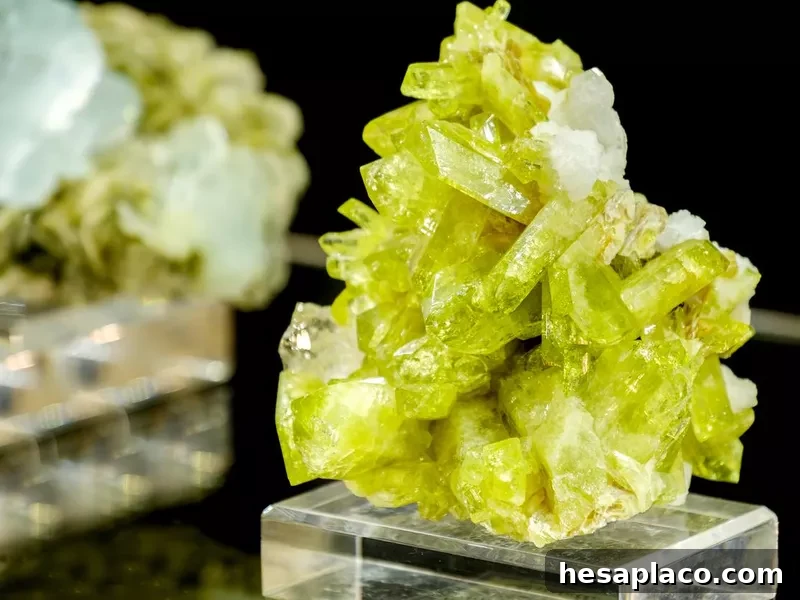
Getty Images
Price per carat: Around $225
Brazilianite is a rare phosphate mineral ranging from pale yellow to lime green. Named for its main source, it is often more attractive in smaller sizes, while larger gem-quality examples are uncommon and typically flawed, appealing mainly to collectors.
19. Green Zircon
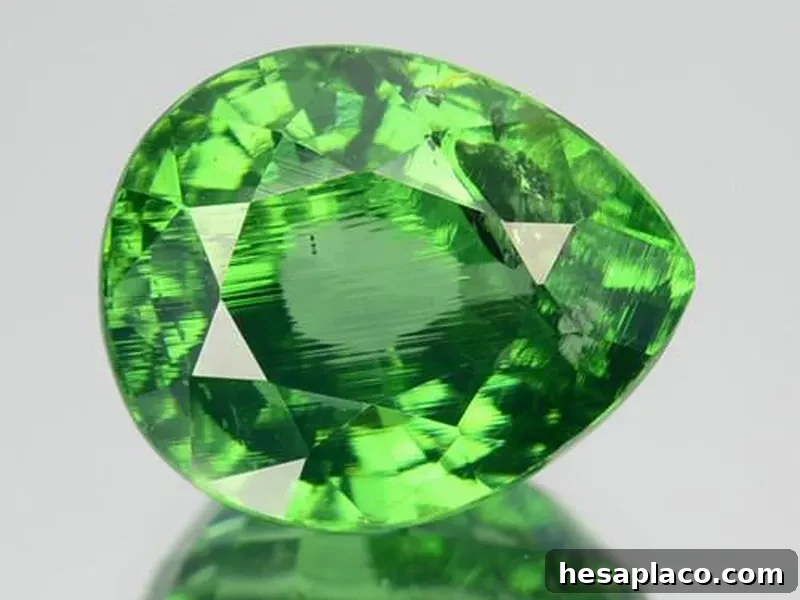
Gem Rock Auctions
Price per carat: $250 – $300
Zircon (not to be confused with synthetic cubic zirconia) occurs naturally in several colors, including green. Green zircons are rare and often produced by natural radiation exposure; their scarcity makes them prized by collectors and specialty gem dealers.
18. Oregon Sunstone
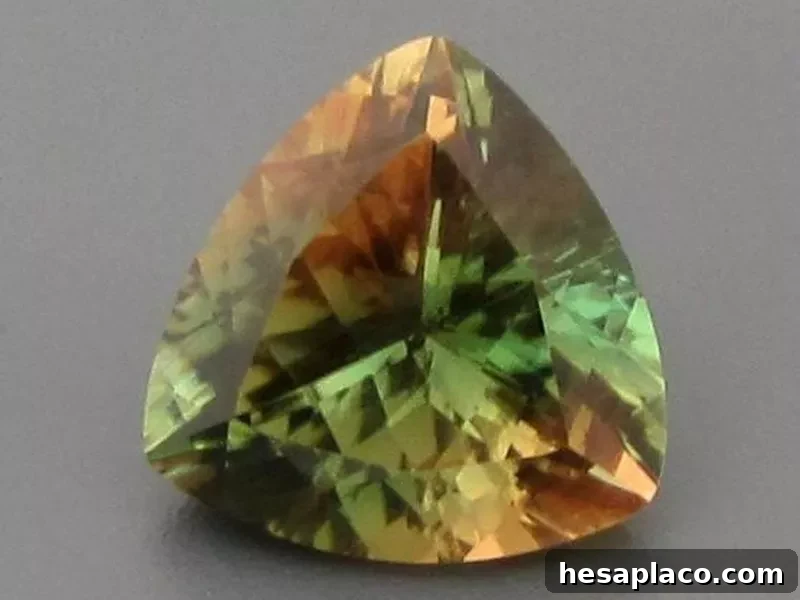
Gem Rock Auctions
Price per carat: $48 – $405
Sunstone is a feldspar that appears in many colors, including green. Oregon sunstone is notable for being facetable and sometimes displays a shimmering aventurescence or multicolor effect. Colors range from pale to deep green, and high-quality faceted pieces are increasingly sought after.
17. Peridot
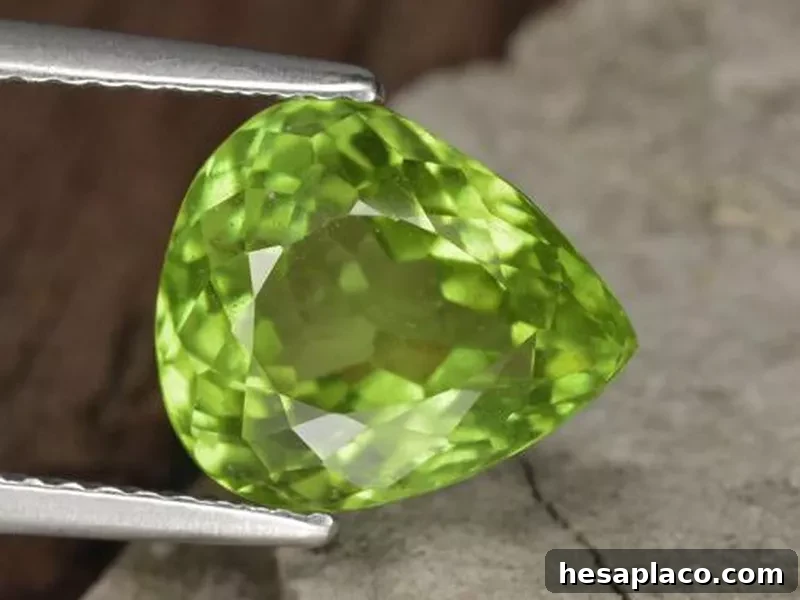
Gem Select
Price per carat: $5 – $560
Peridot (gem-quality olivine) has olive-green tones and has been prized since antiquity. Found near volcanic deposits, it shines well under artificial light and has been dubbed an “evening emerald.” Deeper green peridots command higher prices; larger gem-quality stones are rare.
16. Green Tourmaline
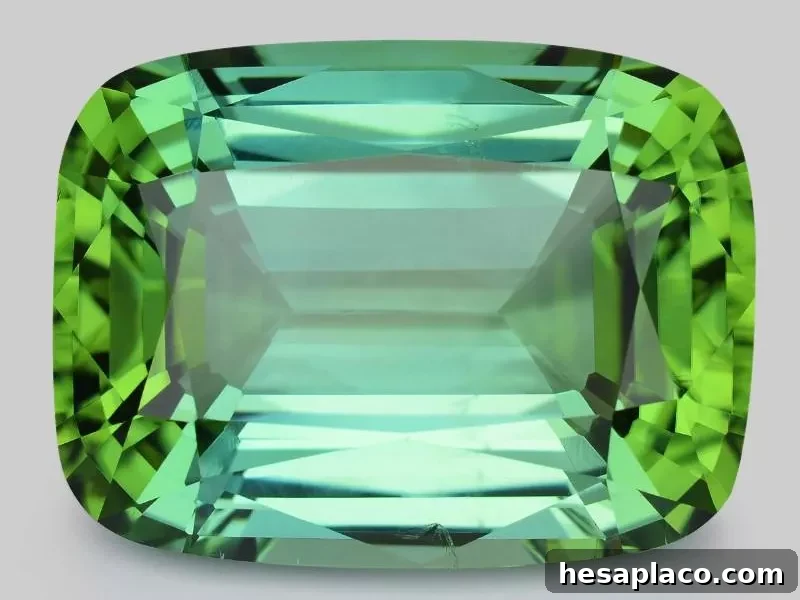
Gem Rock Auctions
Price per carat: $50 – $750
Tourmaline is highly variable in color; green tourmaline gets its hue from iron or titanium. Color depth strongly influences price—olive, mint and sea-green varieties are popular. Green tourmaline is appreciated for both its beauty and its versatility in jewelry.
15. Sphene
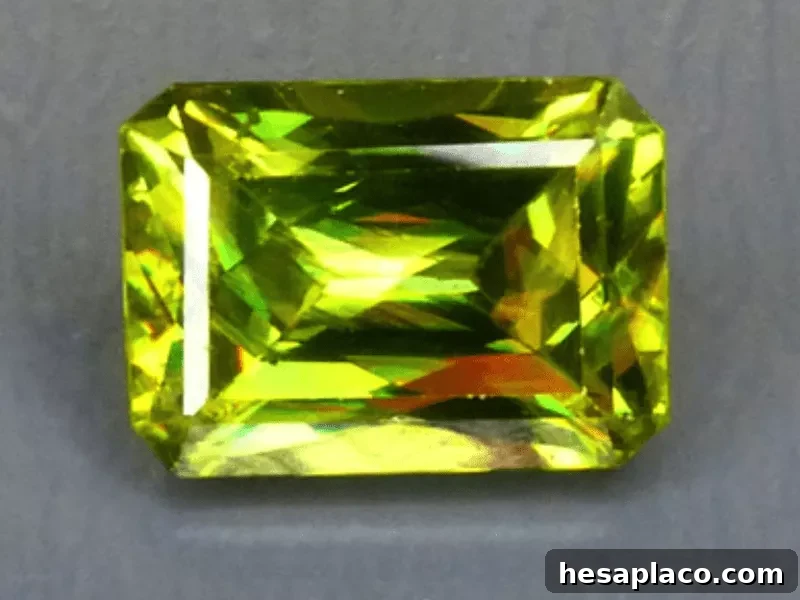
Gem Society
Price per carat: $200 – $800+
Sphene (titanite) offers exceptional dispersion and brilliance and occurs in yellow, brown, orange and green. Chrome-colored sphene is rare. Because it is relatively soft and fragile, sphene is often purchased as collector stones rather than used in everyday jewelry.
14. Turquoise
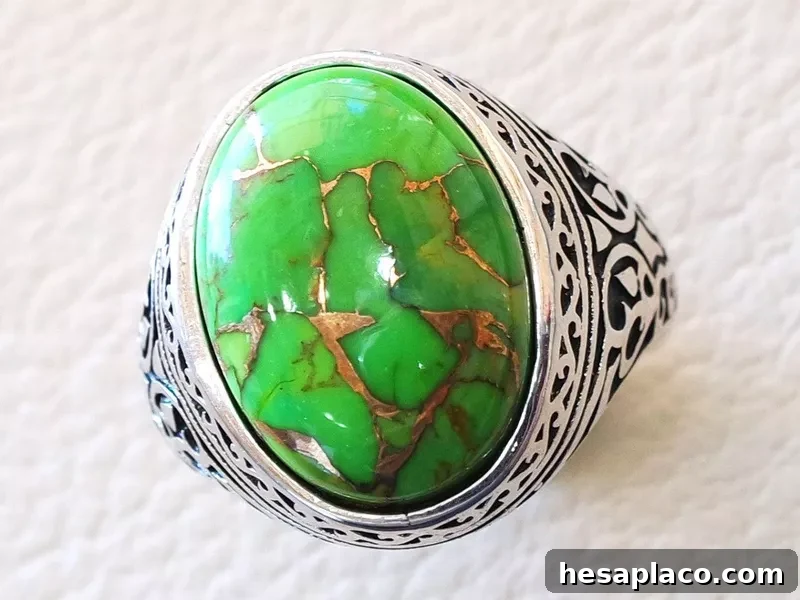
Abumariam Jewels
Price per carat: $50 – $1,000
Turquoise forms when copper-rich water reacts with aluminum and phosphorus, producing colors from bright blue to various green shades (often from iron). Valuation depends on color, texture and the presence or absence of a spiderweb matrix; premium pieces can command high prices.
13. Chrysoberyl
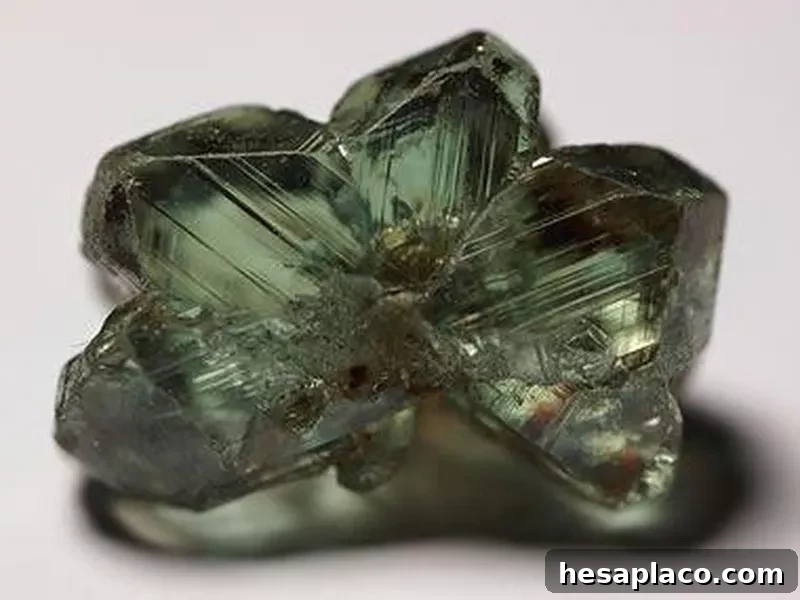
Yaiba Sakaguchi / Geology
Price per carat: $100 – $1,000
Chrysoberyl typically shows yellowish-green tones and also appears as cat’s-eye chrysoberyl, prized for its sharp light band and golden background. When well cut, chrysoberyl can exhibit brilliance comparable to sapphire and has long been valued for use in fine jewelry.
12. Chrome Tourmaline
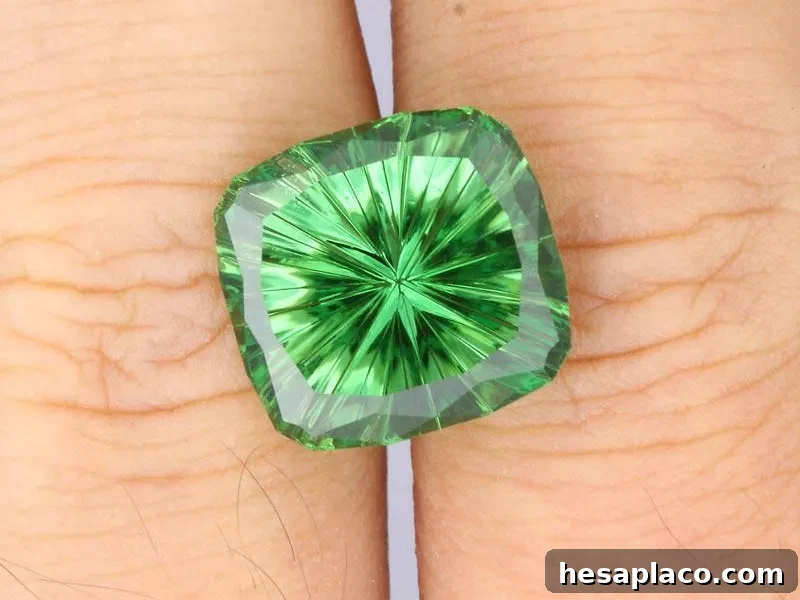
John Dyer & Co
Price per carat: $400 – $1,000
Chrome tourmaline contains chromium, producing an intense, saturated green that can closely resemble emerald. Deep forest-green stones are most valued; as with several green gems, smaller pieces often retain the most desirable color intensity.
11. Fire Opal
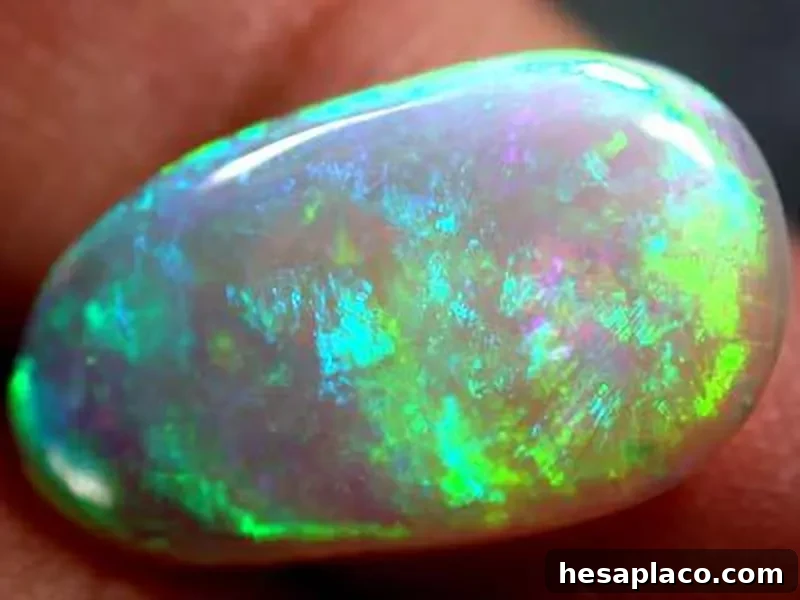
Opal Auctions
Price per carat: Around $2,300
Fire opals are translucent and can display shifting colors—including blue and green—when viewed in different light angles, a phenomenon called play-of-color. Gem-quality examples are uncommon and prized for their unique optical effects.
10. Demantoid Garnet
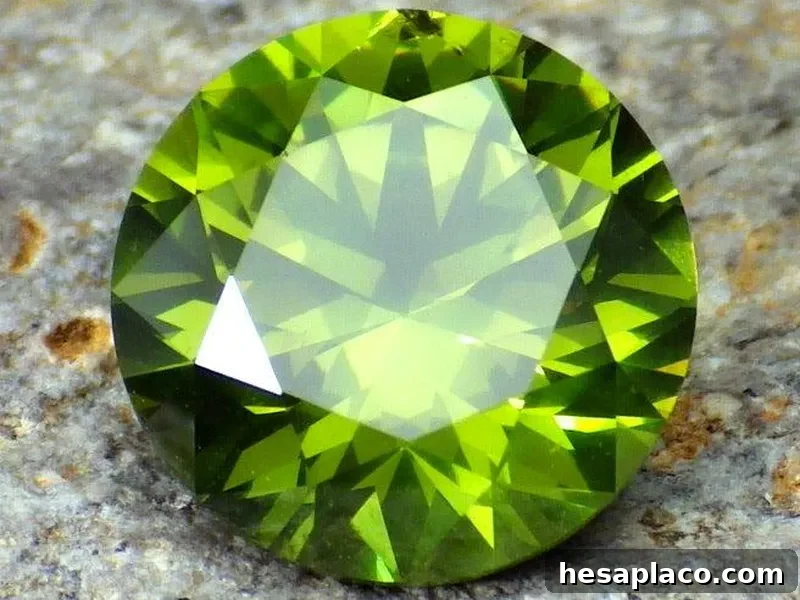
Old Virginia Gem Co
Price per carat: Around $3,300
Demantoid garnet ranges from yellow-green to deep green and is celebrated for a “diamond-like” luster and exceptional brilliance. Most demantoids are small and rare, often seen in antique jewelry; their rarity and fire command premium prices.
9. Green Sapphire
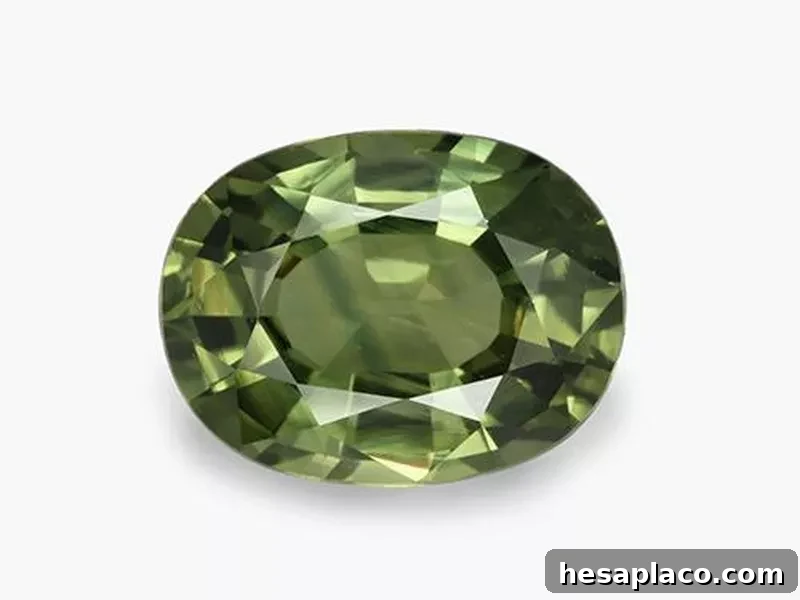
Gem Select
Price per carat: $800 – $7,000
Green sapphires receive their color from iron and can range from subtle green-blue to distinct green. They symbolize calm and tranquility and are increasingly chosen as emerald alternatives. Lighter greens that reflect light well are typically more valuable than very dark hues.
8. Tsavorite Garnet
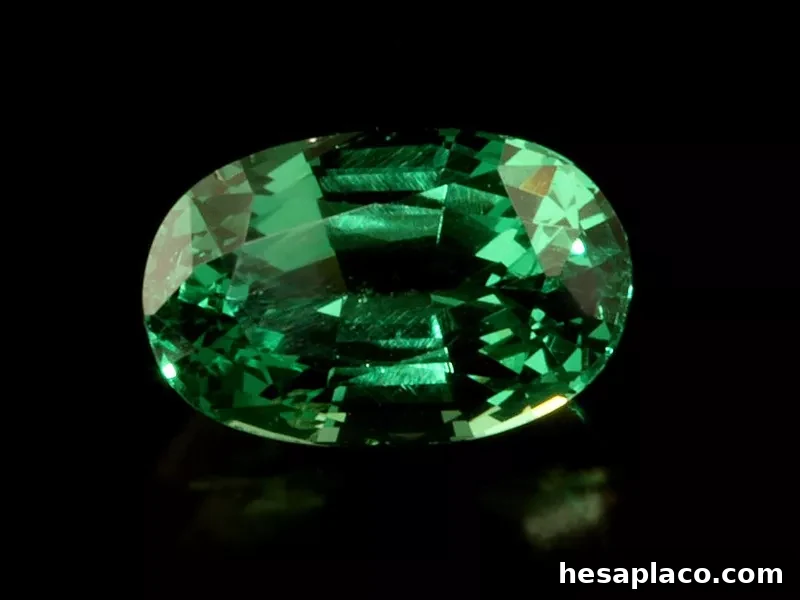
Getty Images
Price per carat: $1,550 – $8,500
Tsavorite is a vivid green garnet colored by chromium or vanadium and prized for its clear, intense hue. Tsavorites are typically small, and one-carat fine specimens are rare. As demand grows, tsavorite continues to be an increasingly sought-after emerald alternative.
7. Alexandrite
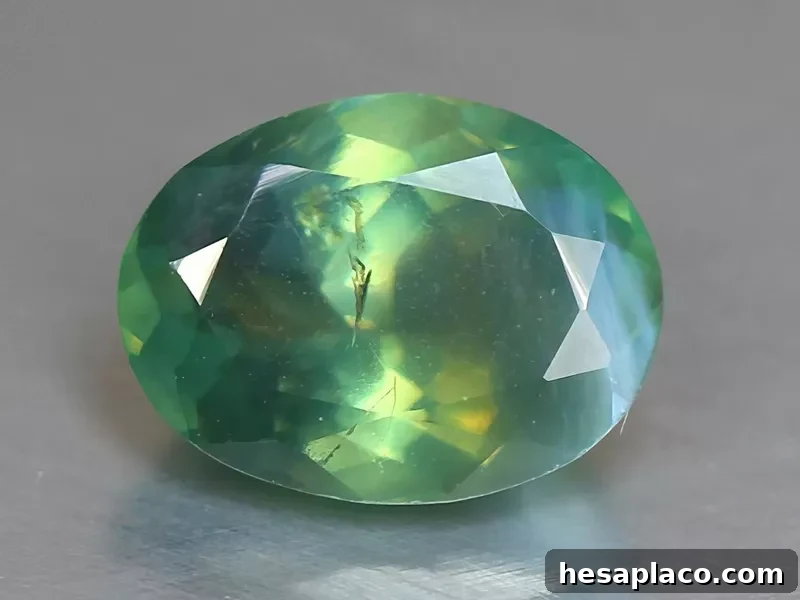
Getty Images
Price per carat: Around $12,000
Alexandrite, first discovered in Russia, is famous for dramatic color change—from vivid green in daylight to red under artificial light—earning nicknames like “emerald by day, ruby by night.” This rare optical phenomenon, driven by trace elements and light absorption, makes alexandrite one of the world’s most valuable gems.
5. Serendibite (Tie)
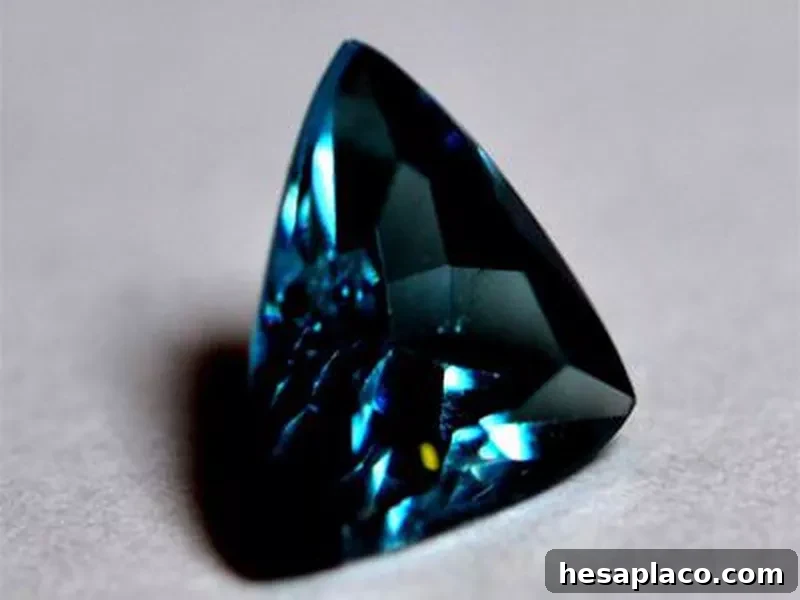
National Gem Lab
Price per carat: Around $18,000
Serendibite is an extremely rare boron-silicate mineral with dark blue-green to blue-gray tones. Named after Serendib (old Arabic for Sri Lanka), it is seldom found in large gem-quality sizes, so most specimens used in jewelry are small and highly valued by collectors.
5. Emerald (Tie)
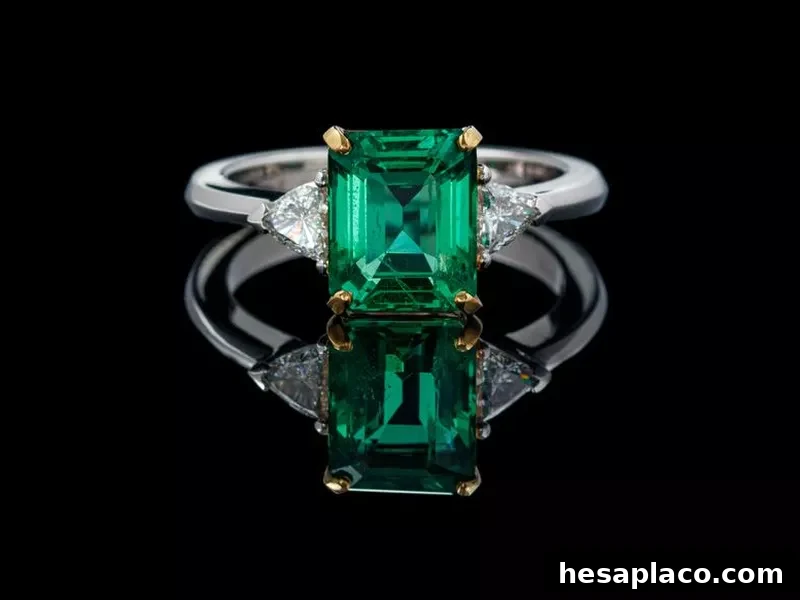
Getty Images
Price per carat: Around $18,000
Emeralds, a green variety of beryl colored by chromium or vanadium, remain the most iconic green gemstone. Darker color and larger size generally increase value. Historically prized by royalty, emeralds symbolize paradise and immortality; exceptional pieces have fetched record prices at auction.
3. Grandidierite (Tie)
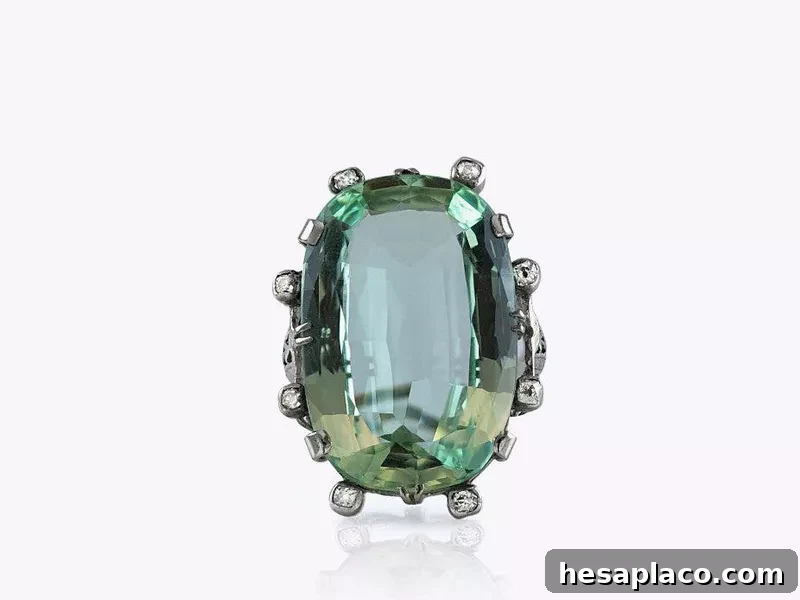
Roman Malakov
Price per carat: Around $20,000
Grandidierite is a rare bluish-green mineral first found in Madagascar. Translucent and transparent grandidierite that qualifies as gem quality is extremely uncommon—only about one in a thousand rough pieces reach that standard—so quality stones are highly prized and often fashioned as cabochons due to cutting challenges.
3. Jadeite (Tie)
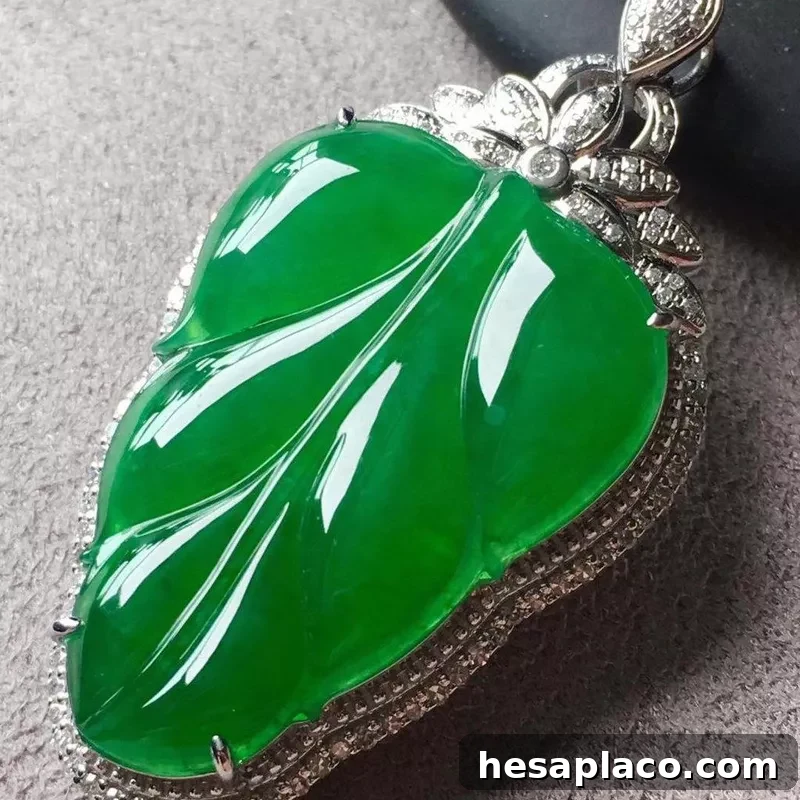
Water Crystal Jade
Price per carat: Around $20,000
Jadeite is one of the two minerals classified as jade. The most valuable variety—imperial jade—is a vivid, translucent green and commands exceptional prices. Jadeite has been revered across many cultures for carvings, ceremonial objects and jewelry, often valued above precious metals in traditional societies.
2. Paraíba Tourmaline
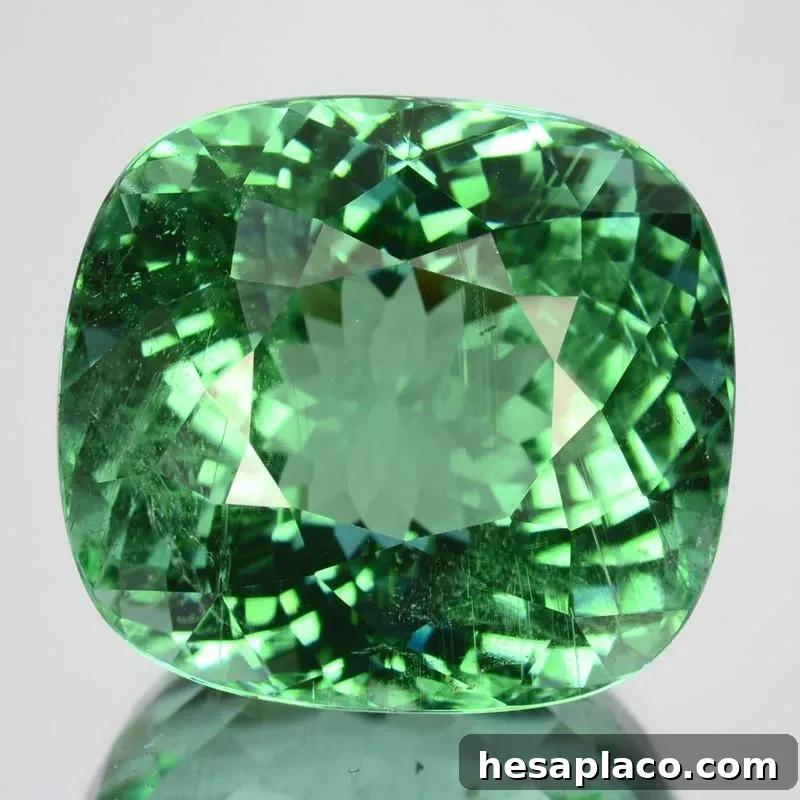
Gem Rock Auctions
Price per carat: $600 – $30,000
Discovered in 1989 in Paraíba, Brazil, Paraíba tourmalines are prized for their electric, neon-like color saturation—mint greens and vivid blues—produced by copper and trace elements. Darker, more saturated Paraíba stones are the most valuable. Because demand exceeds supply, Paraíba tourmalines remain among the most expensive colored gems.
1. Green Diamond
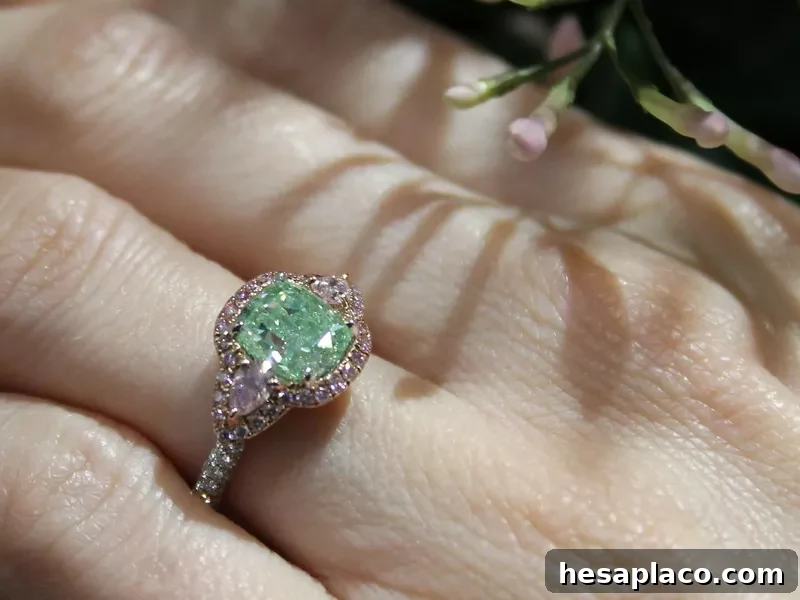
The Jewelry Editor
Price per carat: $50,000 – $300,000
Green diamonds are among the rarest colored diamonds. Natural green coloration typically results from exposure to natural radiation while the diamond formed deep within the Earth. Only a few hundred gem-quality green diamonds over one carat are known, and very few exceed three carats. Museum-quality large stones are extremely scarce; high-profile auction sales have reached millions of dollars, illustrating the exceptional value of fine green diamonds.