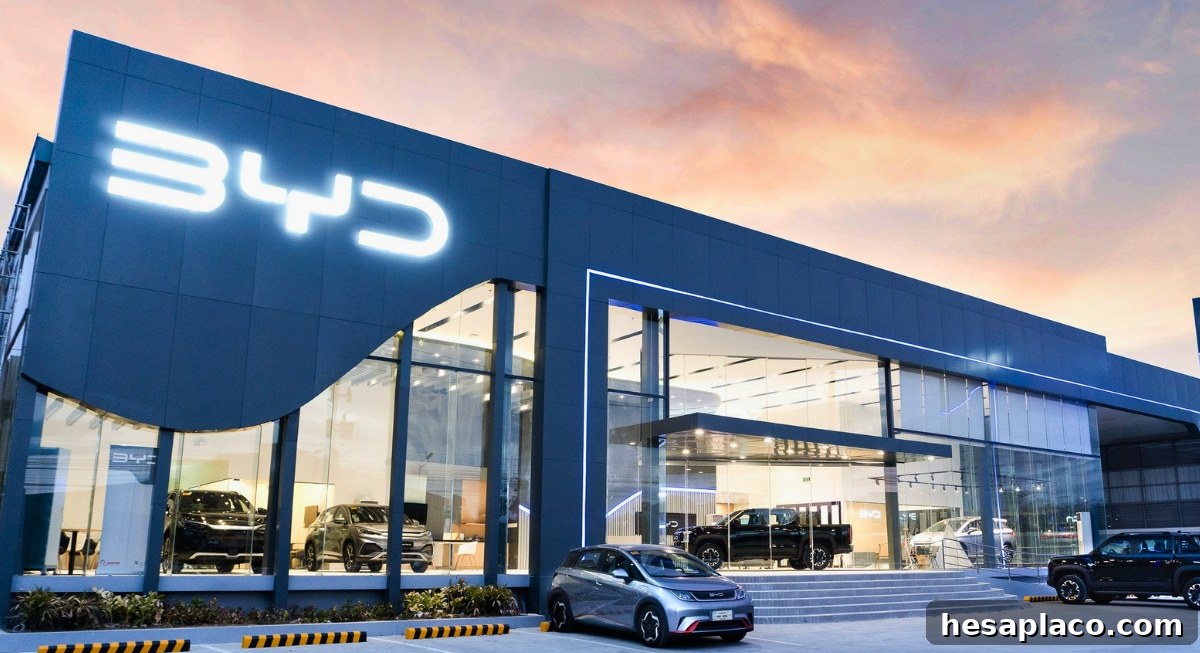
BYD is already the world’s largest seller of electric vehicles, and the company appears intent on further expansion. Recent reports indicate BYD is considering acquiring underused auto plants across Europe — a move that could accelerate the industry’s transformation. Such deals would affect manufacturing footprints, pricing strategies, competitive dynamics, and the variety of vehicles available to consumers. If these transactions proceed, their influence could extend far beyond BYD itself.
A Faster Route Into European Manufacturing
Credit: Getty Images
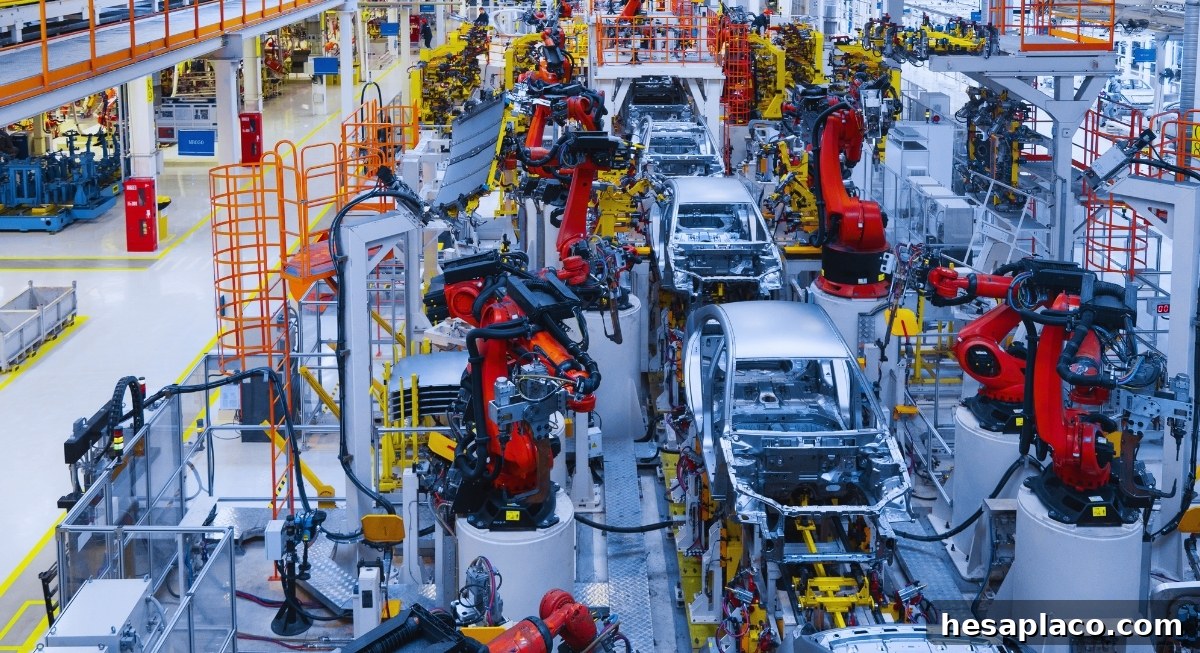
Building a factory from scratch can take several years. Acquiring an operational plant shortens that timeline considerably. Many European facilities already have production lines, experienced personnel, established supplier networks, and logistics links. By stepping into these existing ecosystems, BYD could start local production much sooner than by greenfield development, enabling faster market response and lower initial capital outlays.
Pressure on Established European Brands

Credit: pexels
European automakers have long competed with one another on design, performance and price. A concerted manufacturing push by BYD — backed by aggressive product launches and competitive pricing — would introduce a new type of pressure. Local production could allow BYD to cut costs and improve delivery times, forcing traditional manufacturers to pursue greater efficiency and rethink product and pricing strategies.
A New Use for Idle Factories
Credit: Getty Images
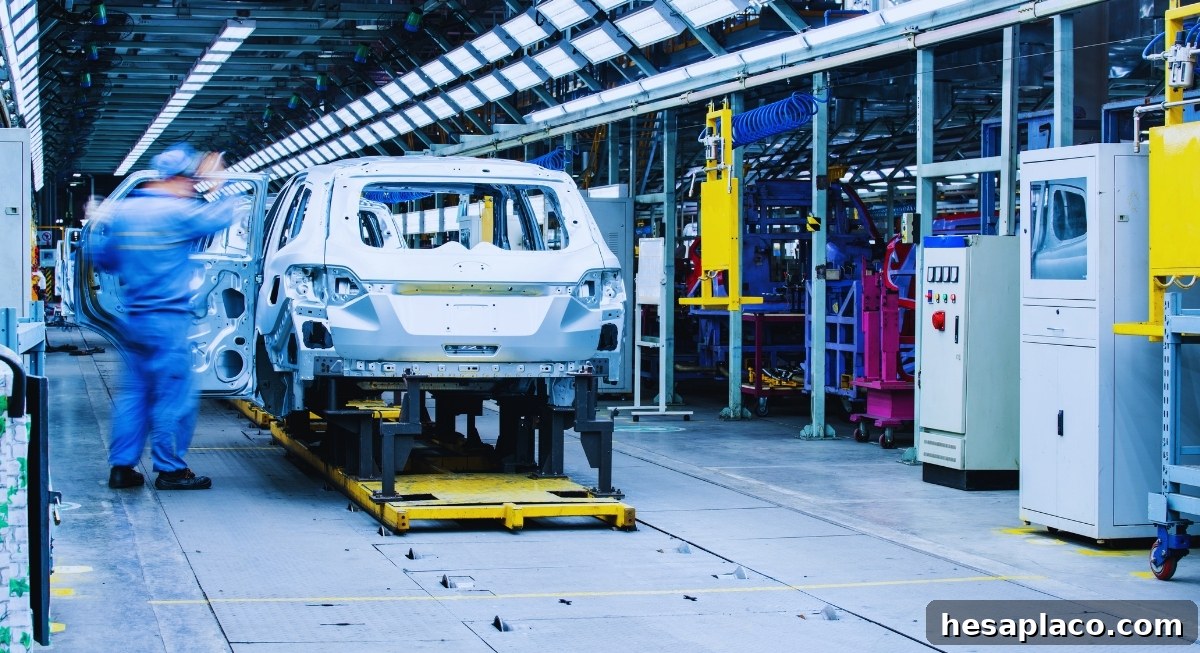
Many European plants currently run below capacity. Shifts in consumer demand and the transition to electric drivetrains have left some production lines underused. Instead of remaining idle, these facilities could be revitalized through new investment, restoring higher output levels and supporting local employment. Communities often welcome such activity because it preserves industrial infrastructure and sustains jobs across the supply chain.
A Different Approach to Partnerships

Credit: pexels
BYD executives have indicated a preference for running facilities independently rather than relying on joint ventures. Operating wholly owned plants gives BYD direct control over production schedules, quality standards, and long-term planning. This contrasts with the partnership-heavy model many foreign automakers use when entering new regions and allows BYD to align manufacturing tightly with its corporate strategies.
More Cars Designed Around European Habits
Credit: Facebook
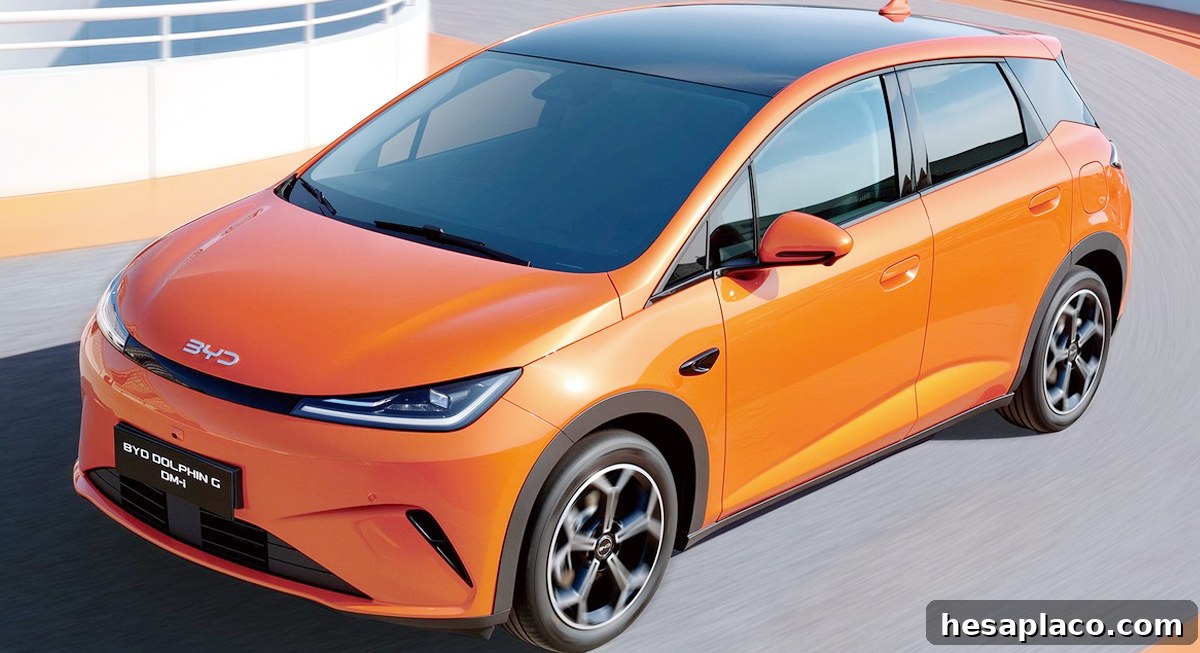
Executives at BYD have emphasized differences in preferences between Chinese and European buyers — factors such as vehicle size, cargo capacity, highway usage and road conditions shape design priorities. Local production would encourage models tailored to European tastes from the outset rather than adapted after launch. The upcoming Dolphin G, developed specifically with European customers in mind, already points toward that strategy.
The Tariff Equation Could Change

Credit: Getty Images
European regulators have imposed tariffs on electric vehicles manufactured in China. Producing vehicles within Europe would change that calculus: cars assembled locally may avoid or reduce import-related costs and restrictions. Local assembly could therefore strengthen BYD’s competitiveness on price and give the company greater flexibility when setting regional pricing and distribution strategies.
Competition Beyond Fully Electric Cars
Credit: Canva
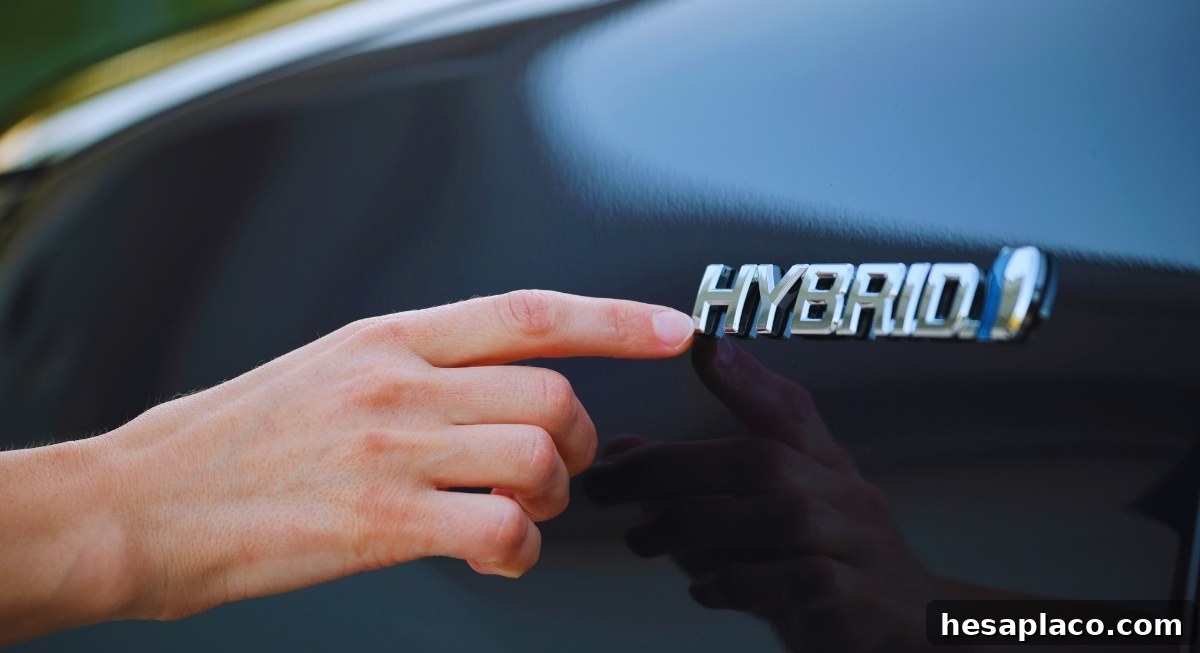
BYD’s European ambitions are not limited to battery-electric vehicles. The company is also expanding its plug-in hybrid range. Local production of hybrids and plug-in models would broaden availability across more segments, offering alternatives for buyers who are not yet ready to commit to fully electric vehicles and helping BYD compete more broadly across consumer preferences.
Luxury Brands Could Enter the Conversation
Credit: pexels
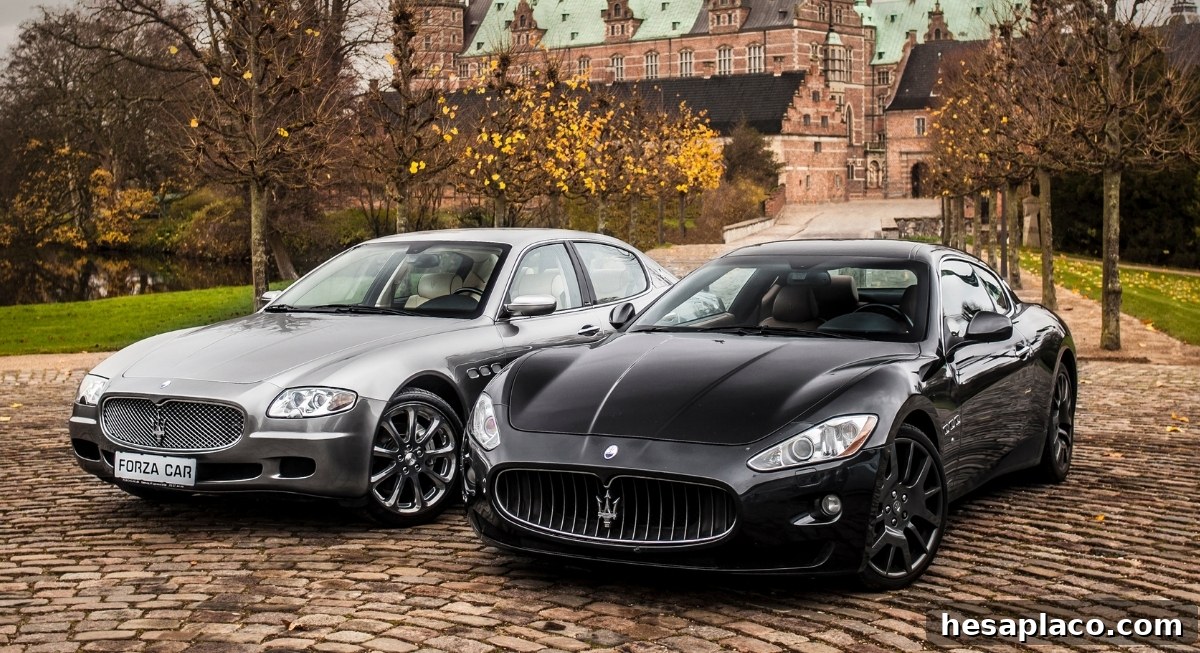
Speculation has circulated about BYD’s interest in premium names such as Maserati. While acquiring manufacturing capacity is one matter, obtaining a recognized luxury marque would be a far more consequential step. Such a move could alter perceptions of Chinese automakers, create new pathways into premium segments and reshape competitive dynamics at the high end of the market.
Suppliers May See New Opportunities
Credit: Canva
Automakers influence extensive supply chains that include components, materials, software and logistics. BYD’s expansion into European manufacturing could open new business for thousands of suppliers. New contracts often trigger investment, capacity adjustments and fresh collaborations across tiers of the supply chain, creating economic ripple effects in regions where plants are active.
The EV Race Could Accelerate Again
Credit: iStockphoto
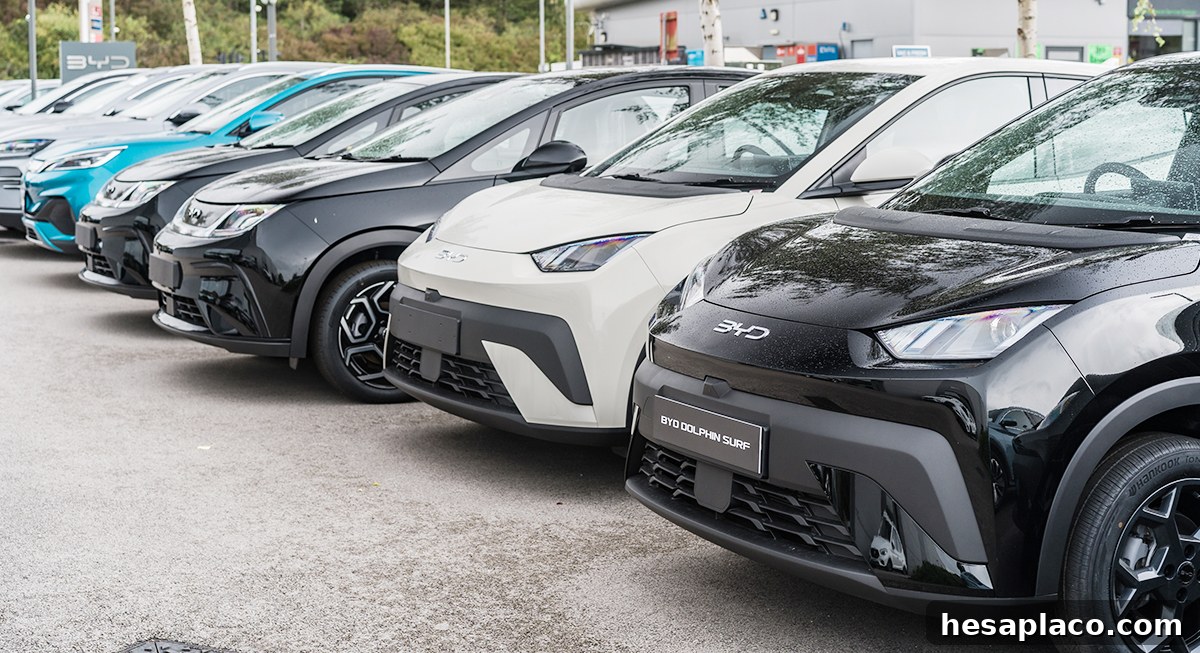
Debate around electric vehicles has often focused on battery chemistry and driving range. BYD’s strategy of securing manufacturing capacity highlights another front in the competition: production scale. Automakers that secure local production can respond faster to changing demand and bring models to market more quickly. That dynamic could prompt rivals to accelerate their own expansion plans and inject renewed momentum into an already intense EV market.