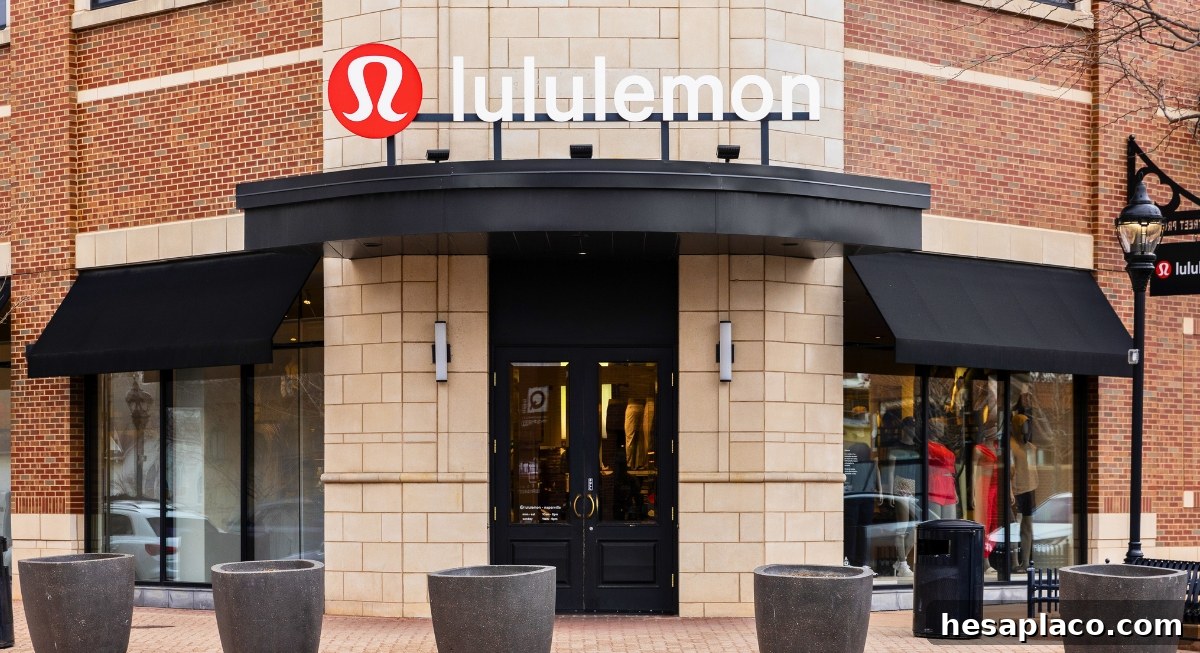
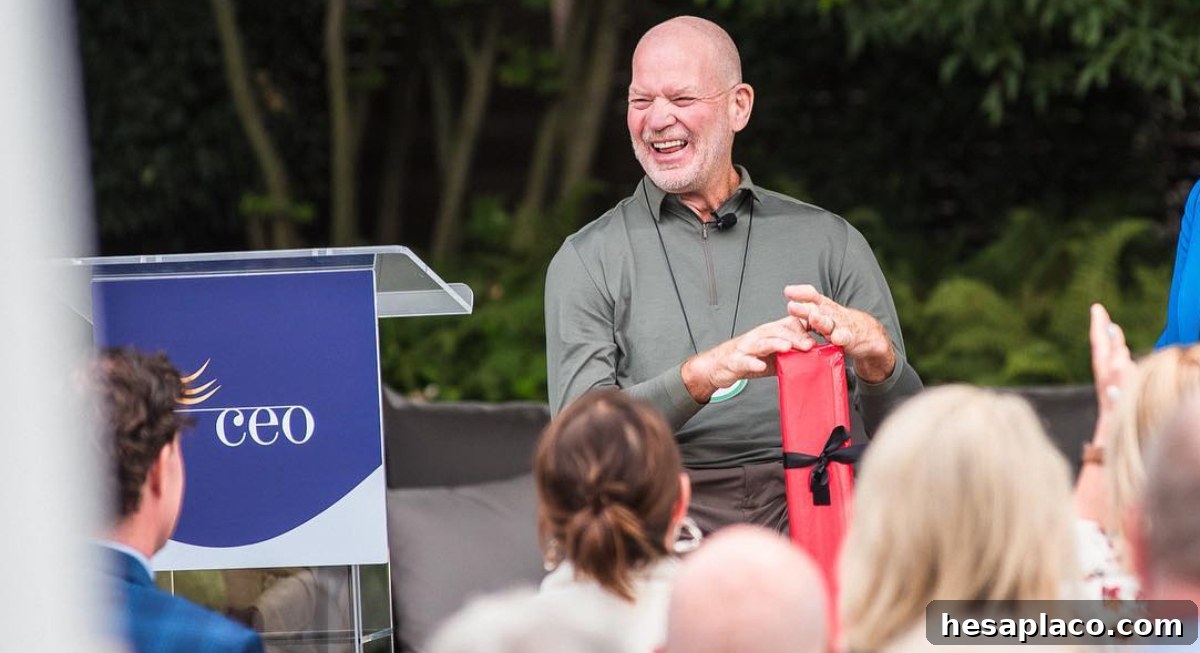
Lululemon’s founder has been outspoken about his concerns for the company he helped build. Although Chip Wilson stepped down from the board years ago, he remains a major shareholder and a persistent critic. As sales growth has cooled and rivals have gained traction, Wilson has launched a campaign aimed at steering Lululemon back toward what he believes made it successful.
A Return to the Core Customer
Credit: Instagram
Wilson argues that Lululemon has drifted away from the shoppers who originally built the brand. He contends management spent too much time chasing broader audiences and expanding into new categories. In his view, the company gained its reputation by serving fitness-focused customers who sought premium, performance-driven apparel. He wants future strategy and decisions to prioritize those core customers once more.
Refocusing on Technical Athletic Apparel

Credit: Instagram
A frequent point of criticism is the product assortment. Wilson believes Lululemon overextended into casual and lifestyle categories at the expense of its performance credentials. He calls for renewed emphasis on fabrics, fit and functionality—areas he says define technical athletic apparel and distinguish the brand from more mainstream competitors.
Adding More Product Creativity

Credit: Instagram
Wilson often laments a perceived decline in product creativity. He says the brand is producing fewer standout ideas and that new releases have lost their cultural momentum. In Lululemon’s early years, product launches generated buzz and felt like events; Wilson wants the company to take bolder creative risks and develop items that capture customers’ attention in a crowded market.
Restoring Excitement Around New Releases
Credit: Wikimedia Commons
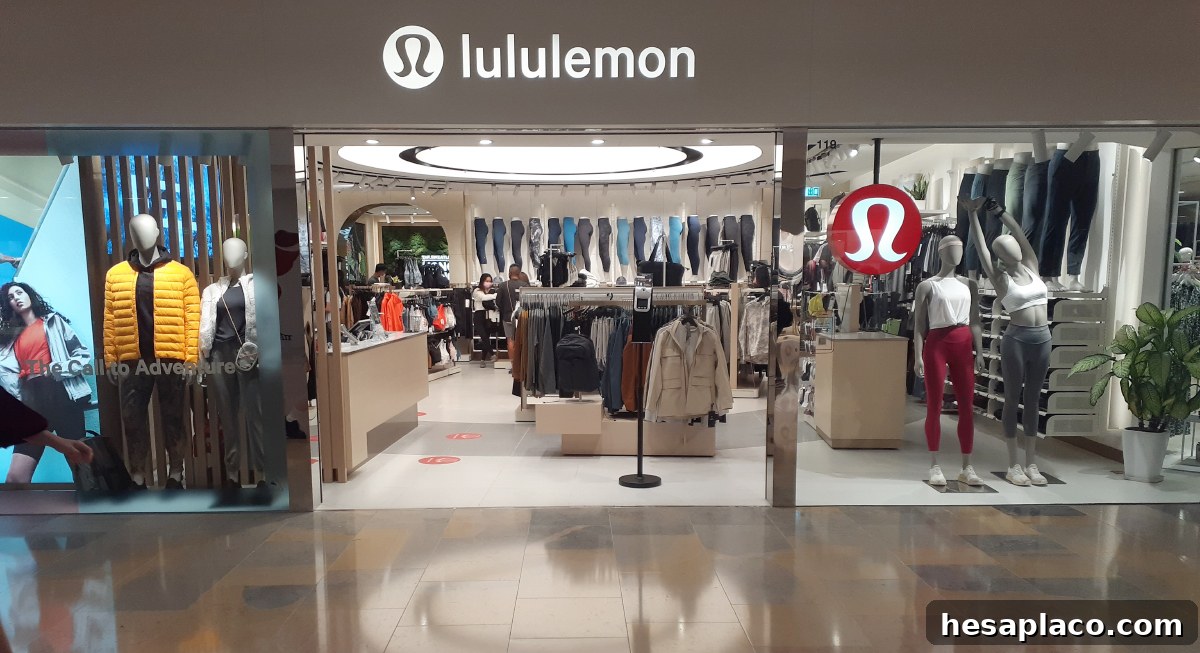
Wilson says Lululemon once generated consistent excitement around product drops, sparking conversation among loyal customers and creating demand before items hit stores. His goal is to restore that momentum so new collections again feel essential to the brand’s followers.
Rebuilding a Sense of Exclusivity

Credit: Instagram
Premium pricing and a devoted customer base helped Lululemon stand out. Wilson believes some of that exclusivity has eroded as the brand broadened its appeal. He maintains the company was strongest when customers felt they were buying something distinctive—an item with a clear identity and purpose—rather than simply another general athletic label.
Bringing an Entrepreneurial Mindset Back
Credit: Instagram
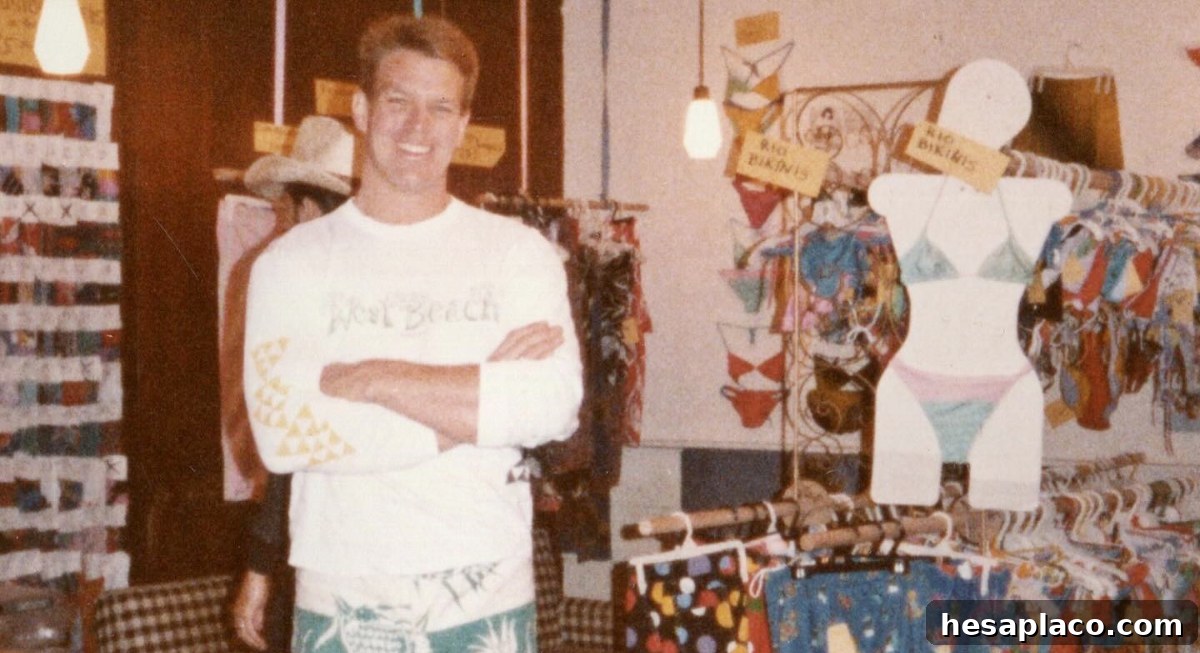
Wilson points to the company’s early culture of experimentation, speed and adaptability as key drivers of growth. He argues Lululemon should recapture that entrepreneurial spirit—making faster decisions, testing ideas quickly and staying nimble—qualities he believes allowed the brand to carve out a leadership position in a competitive market.
Addressing Domestic Challenges First

Credit: Instagram
While international markets have continued to expand, Wilson has raised concerns about slowing momentum in Lululemon’s North American business—the brand’s core market. He believes the company should address product and brand weaknesses domestically first to protect its leadership position and provide a foundation for sustainable growth overseas.
Reshaping the Board of Directors

Credit: Instagram
Wilson’s most visible effort has been pushing for changes at the board level. He nominated candidates with expertise in sportswear, branding and consumer products, arguing that stronger product knowledge is needed among directors. Instead of seeking a board seat for himself, he focused on bringing in people who could challenge the status quo and influence strategy from within.
Protecting the Brand’s Original Identity
Credit: Wikimedia Commons
Underlying much of Wilson’s argument is a broader concern about identity. He emphasizes preserving the qualities that made Lululemon distinct: product innovation, customer loyalty, premium positioning and strong creative leadership. His proposed changes are less about a single policy than about guiding the company back toward the principles he credits for its rise.
Treating the Current Moment as a Turning Point
Credit: Wikimedia Commons
Wilson has framed his campaign as a response to a critical stage in Lululemon’s evolution. The company is now a global business facing intensified competition and shifting consumer expectations. His push reflects urgency to correct course and reinvigorate the brand’s distinct strengths rather than a purely nostalgic impulse.