
You want to earn more money. Simply asking your boss for a raise won’t get you one. Successful salary negotiations require preparation, a clear strategy, and the ability to show the value you bring. This guide explains what to avoid, what to emphasize, and how to prepare so you can make a credible case for a pay increase.
Your Boss Isn’t Eager to Give Raises

Getty Images
Most managers are under pressure to control costs, and payroll is often the largest expense. That means your boss may be reluctant to approve raises. The upside is that most managers also want to keep good employees. Your leverage comes from demonstrating that keeping you — and compensating you fairly — benefits the company. Focus on the value you create rather than framing the conversation as a personal demand.
Never Mention a Colleague’s Salary

Getty Images
Discussing what others earn is counterproductive and can be dangerous for your case. Salary comparisons can be inaccurate, sensitive, or forbidden. Bringing up coworkers’ pay is likely to undermine trust and can even harm your standing with management.
Don’t Argue You Do Multiple People’s Work

Getty Images
Saying you’re doing the work of several people usually signals a staffing issue, not a compensation one. If you’re covering additional responsibilities, frame that as evidence of your broader capability and the extra value you deliver—not merely as an excuse for more pay. The correct response from management might be to hire, reassign tasks, or promote — all of which you can position as opportunities to formalize greater responsibility and compensation.
How Long It’s Been Since Your Last Raise Isn’t a Strong Argument

Getty Images
Pointing out that you haven’t had a raise in a long time can come across as whining. What matters to your boss is current and demonstrable contribution. Base your request on evidence of performance and impact rather than on elapsed time since the last salary adjustment.
Longevity Alone Isn’t Enough

Getty Images
Length of service shows loyalty, but loyalty by itself rarely justifies a raise. Employers reward measurable contributions, problem-solving, revenue generation, efficiency gains, or leadership. Use tenure as context for experience, not as the primary rationale for higher pay.
Your Personal Financial Needs Are Not the Employer’s Concern

Getty Images
While personal financial strain is real and understandable, it’s not persuasive in a negotiation. Managers make compensation decisions based on performance, market rates, budgets, and business needs. Lead with business-focused arguments: the results you produce and the return on investment the company gets from you.
Perform at the Level You Want to Be Paid

Getty Images
If you only meet basic expectations, you’ll typically receive routine, budgeted raises — not standout increases. To earn a meaningful raise, consistently exceed expectations, take on higher-impact responsibilities, and drive measurable results. Treat your work as if you’re being evaluated for a promotion: document achievements, lead initiatives, solve problems, and quantify outcomes.
Make Sure Your Boss Knows About Your Contributions

Getty Images
Outstanding work counts only if decision-makers are aware of it. Communicate accomplishments clearly, objectively, and at appropriate times — without boasting. Share concise updates during one-on-ones or in status reports: what you did, the measurable result, and why it mattered. Regular, factual communication builds a record that supports your request.
Create Your Own Personnel File
Getty Images
Keep a personal file of achievements, performance reviews, metrics, client testimonials, project summaries, awards, and relevant extracurricular activities. This “super resume” helps you assemble a focused, evidence-based case when you ask for a raise. It also clarifies your narrative and can be repurposed for future opportunities.
Research the Company and the Market

Getty Images
Timing matters. Before you ask, learn about the company’s financial health, recent performance, budget cycles, and industry trends. If the company is struggling, it may not be the right moment for a significant raise. Market research also helps you benchmark salaries for comparable roles and support a reasonable request with external data.
Know the Amount You’ll Ask For

Getty Images
Be ready to answer, “How much were you looking for?” Use market data for similar roles and adjust for experience, location, and your demonstrated impact. Present a clear, realistic range and justify it with your accomplishments and industry benchmarks so you don’t freeze or undersell yourself when asked.
Prepare and Practice Your Pitch

Getty Images
Treat the conversation like a major presentation. Rehearse your talking points with a trusted colleague or mentor who can offer objective feedback. Anticipate objections and prepare responses that steer the discussion back to value and outcomes. Don’t spring the topic in an unplanned moment: schedule a meeting and say you want to discuss your performance so your boss knows the conversation is important.
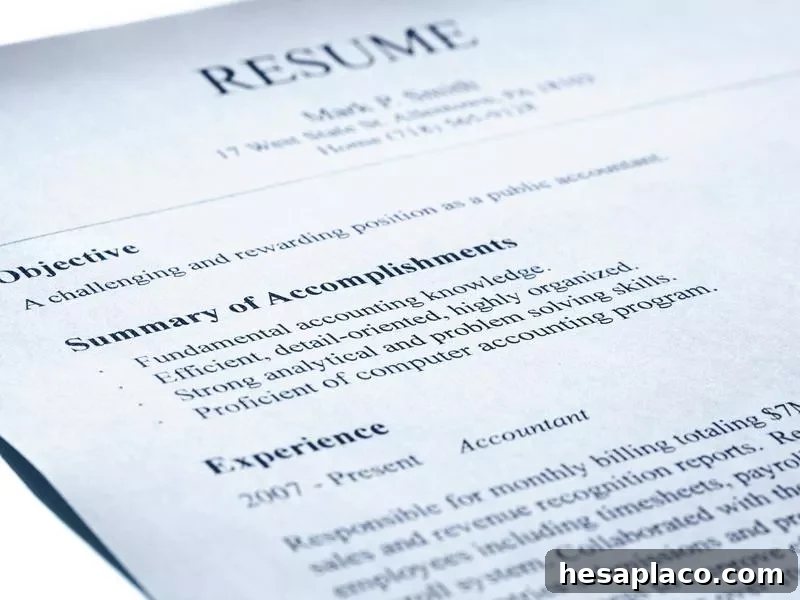
Keep Your Resume Current
Getty Images
Asking for a raise carries some risk. While it doesn’t usually lead to termination, you should be prepared for any outcome. Maintain an up-to-date resume and stay engaged with your professional network so you have options. If you build a strong, evidence-based case and consistently deliver value, you’ll significantly increase your chances of a successful raise while demonstrating professionalism and initiative.
Following these guidelines — focusing on measurable value, communicating effectively, researching the market, and preparing a practiced pitch — will improve your odds of getting the raise you want. Even if you don’t receive an immediate pay increase, this approach positions you as a serious, strategic contributor who’s prepared for growth.