
Journalism is a dynamic and rewarding professional field with many possible career paths. Whether you are drawn to breaking news, long-form storytelling, visual reporting, digital publishing, audio production, or public communication, journalism offers opportunities to inform audiences and explain the world in a clear, accurate, and engaging way.
The industry has changed significantly as news consumption has shifted from traditional print publications to digital platforms, podcasts, newsletters, video, and social media. Even so, the core purpose of journalism remains the same: to gather information, verify facts, and present stories that help people understand events, issues, and communities.
For those interested in education and training, many universities offer journalism and related degree programs, including online journalism degrees that can help students build practical skills in reporting, writing, editing, media ethics, research, and multimedia storytelling.
There are several major areas of journalism to consider, including print journalism, broadcast journalism, digital journalism, investigative reporting, photojournalism, and public relations. Each path has its own responsibilities, challenges, and opportunities. The best choice depends on your interests, strengths, communication style, and long-term career goals.
What Are the Different Types of Careers in Journalism?
Ross D. Franklin / AP Photo
Journalism is a broad field with a wide range of career options. Some of the most common roles include print journalist, broadcast journalist, online journalist, investigative reporter, editor, photojournalist, news producer, and multimedia reporter.
Print journalism is one of the oldest forms of the profession. It traditionally involves writing for newspapers, magazines, and other published outlets. Print journalists often cover current events, conduct interviews, research background information, and write news articles, profiles, opinion pieces, and feature stories. Although print media has evolved, strong writing, careful reporting, and clear editing remain essential skills in this area.
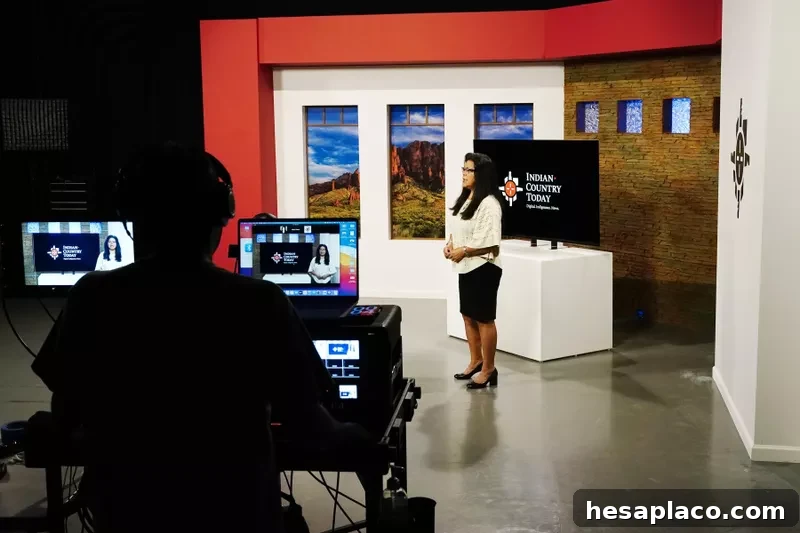
Broadcast journalism focuses on news delivered through television and radio. Broadcast journalists may report live from the scene, present news updates, conduct interviews, write scripts, or help produce longer news segments. This field often requires strong verbal communication, comfort on camera or behind a microphone, and the ability to explain complex topics quickly and clearly.
Digital journalism has grown rapidly as audiences increasingly rely on websites, mobile apps, newsletters, podcasts, and video platforms for news. Online journalists may write articles, create multimedia packages, produce podcasts, record videos, analyze data, or update breaking news in real time. Digital reporting often requires flexibility, speed, and a strong understanding of how audiences find and engage with news online.
Investigative journalism involves deeper reporting on issues that may require extensive research, public records, interviews, data analysis, and fact-checking. Investigative reporters often spend weeks or months developing stories that reveal important information about institutions, policies, public concerns, or social issues. This path requires patience, persistence, strong ethics, and careful attention to accuracy.
Photojournalism combines photography and journalism to tell stories visually. Photojournalists capture images connected to news events, human-interest stories, sports, politics, culture, and community life. Their work may appear in newspapers, magazines, online publications, and multimedia projects. A strong photojournalist understands both visual composition and the journalistic responsibility to represent events truthfully.
How to Break Into Journalism: Tips and Resources

Chuck Zoeller / AP Photo
Breaking into journalism can be competitive, but preparation and persistence can make a significant difference. A strong portfolio is one of the most important tools for aspiring journalists. It gives editors, hiring managers, and potential clients a clear view of your writing, reporting, interviewing, and storytelling abilities.
Start by creating samples that reflect the type of journalism you want to pursue. These may include news articles, feature stories, interviews, photo essays, audio pieces, video packages, or blog-style reporting. Focus on accuracy, clarity, structure, and original reporting. Even student publications, community outlets, personal projects, and internships can provide useful experience and portfolio material.
It is also important to refine your writing style and stay informed about current events. Journalists need to understand the topics they cover and be able to explain them in a way that is accessible to readers, viewers, or listeners. Reading widely, following reputable news sources, and practicing regularly can help you develop stronger editorial judgment.
Joining a professional journalism organization can also be valuable. Groups such as the National Association of Black Journalists (NABJ), the National Association of Hispanic Journalists (NAHJ), the Asian American Journalists Association (AAJA), the Native American Journalists Association (NAJA), the Online News Association (ONA), and the American Society of Journalists and Authors may offer networking opportunities, career resources, training, mentorship, and job listings.
Internships are another effective way to enter the field. Newspapers, magazines, broadcast stations, digital newsrooms, and nonprofit media organizations may offer internships that allow early-career journalists to gain practical experience. Internships can help you learn newsroom standards, build professional relationships, and understand how stories move from idea to publication.
Networking also matters. Attending journalism conferences, workshops, and seminars can help you meet editors, reporters, producers, and other media professionals. Reaching out respectfully to established journalists for advice can also provide useful insight. Many professionals are willing to share guidance about pitching stories, improving reporting skills, and navigating the industry.
Building a Successful Freelance Journalism Career

Kathy Willens / AP Photo
A successful freelance journalism career requires discipline, consistency, and strong professional relationships. Freelancers must not only report and write well but also pitch story ideas, manage deadlines, communicate with editors, track payments, and continue developing their expertise.
To begin freelancing, create a portfolio that highlights your strongest work. If you do not yet have published clips, consider developing well-researched sample articles or contributing to local, student, or community publications. Your portfolio should be easy to access and should clearly show your reporting interests, writing style, and subject knowledge.
An online presence can also help. A professional website or carefully managed social media profile can showcase your work, introduce your areas of expertise, and make it easier for editors to contact you. However, quality matters more than volume. It is better to present a small number of strong clips than a large collection of unfinished or unfocused work.
Pitching is a central part of freelance journalism. A strong pitch should be concise, specific, and clearly connected to the publication’s audience. It should explain the story idea, why it matters now, who you might interview, and why you are the right person to report it. Before pitching, read the publication carefully so your idea fits its tone, format, and coverage priorities.
Freelancers also benefit from staying current on media trends and reporting tools. Understanding digital publishing, search-friendly headlines, audience engagement, newsletters, podcasts, and multimedia storytelling can make your work more useful to editors. At the same time, the fundamentals of journalism—accuracy, fairness, verification, and clear writing—remain essential.
Professional associations such as the National Writers Union or the Society of Professional Journalists may provide additional resources, including job postings, training, ethical guidance, and mentorship opportunities. These networks can be especially useful for freelancers who work independently and want to stay connected to the larger journalism community.
Journalism continues to evolve, creating both challenges and opportunities for people who want to report, write, edit, photograph, produce, or publish meaningful stories. From investigative reporting and broadcast news to digital media and freelance writing, there are many ways to build a career in journalism. With strong skills, persistence, ethical judgment, and a commitment to accurate storytelling, aspiring journalists can find a path that fits their goals.
This article is a partnership with St. Bonaventure University Online.