
When discussions about China’s technology surge arise, attention often centers on chip designers and household-name tech firms. Yet some of the biggest success stories have come from less visible parts of the supply chain. Brothers Zhu Shuangquan and Zhu Shunquan grew Hubei Dinglong into a crucial supplier as China sought to reduce reliance on foreign technologies. Their company’s rise made both brothers billionaires and illustrates how wealth is being created across the broader semiconductor ecosystem.
They Focused on a Less Glamorous Corner of Chipmaking
Credit: pexels
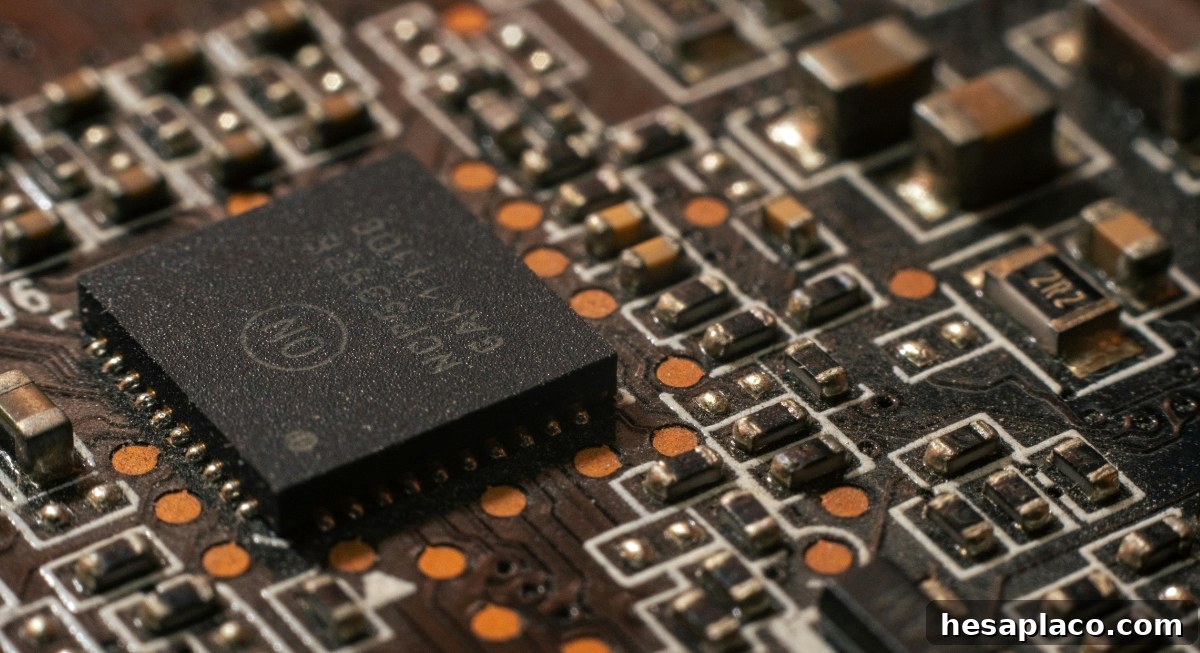
The Zhu brothers did not follow the obvious path into semiconductors by building chips themselves. Instead, they concentrated on the materials required to make chips. Hubei Dinglong emerged as a major supplier of chemical-mechanical polishing products that produce ultra-smooth silicon wafer surfaces—an essential and highly specialized step in wafer fabrication. Though seldom in the spotlight, these materials are indispensable to modern chip production.
They Built a Business Aligned with China’s Self-Reliance Drive
Credit: Wikimedia Commons
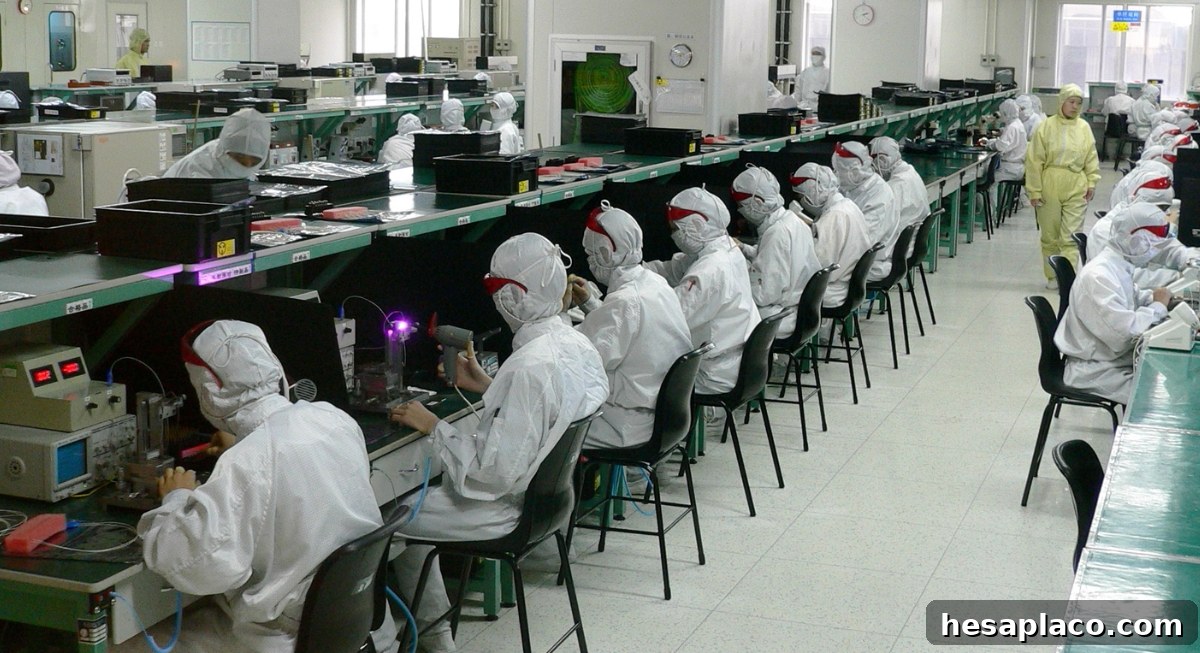
As China pushed to strengthen domestic semiconductor production, demand rose for local suppliers capable of replacing imported materials. Dinglong positioned itself squarely within that trend. When chipmakers turned to domestic options, Dinglong already had commercially viable products and the industry relationships needed to scale quickly.
Their Expansion Extended Beyond a Single Product Line
Credit: Canva
Hubei Dinglong broadened its offerings to include polishing slurries, cleaning fluids, photoresists and packaging materials. This diversified portfolio reduced reliance on any single market segment and made the company more attractive to customers seeking suppliers capable of addressing multiple stages of the manufacturing process.
The Brothers Knew When to Pivot
Credit: Canva
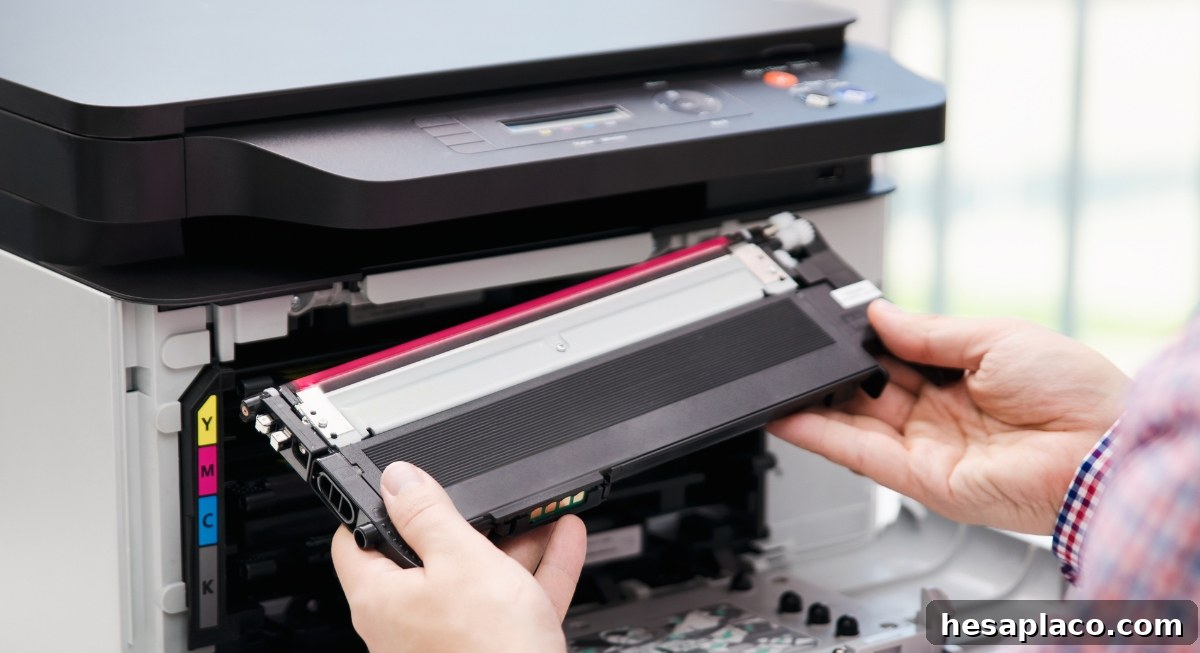
The company originally made chemicals for toner and other printing supplies. Over time, management recognized technical overlaps between toner formulations and the specialty chemistries used in semiconductor polishing. That insight prompted a strategic shift from printing chemicals to semiconductor materials—an intentional move that set the company on a different trajectory.
A Public Listing Created New Opportunities
Credit: Wikipedia
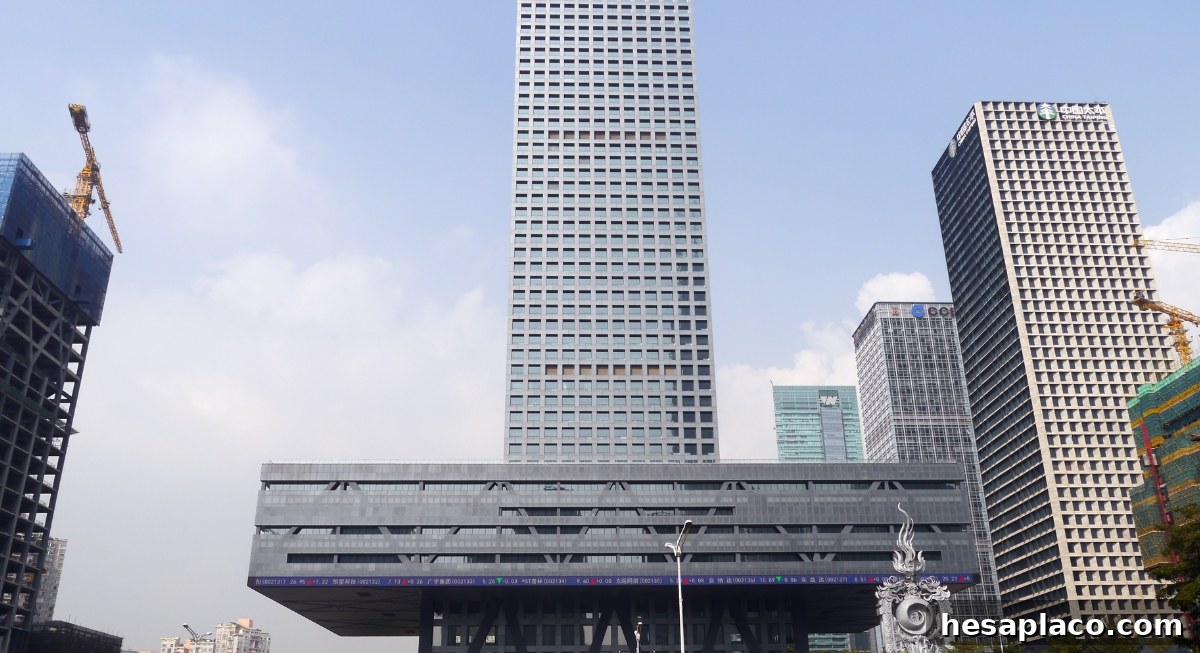
Listing publicly on Shenzhen’s ChiNext market in 2010 provided more than visibility: Dinglong raised 458 million yuan, enabling multi-year research programs that are typical in specialty materials development. That capital helped the company build the R&D capabilities needed to contest established international rivals.
They Chose Long-Term Investment Over Quick Wins
Credit: Canva
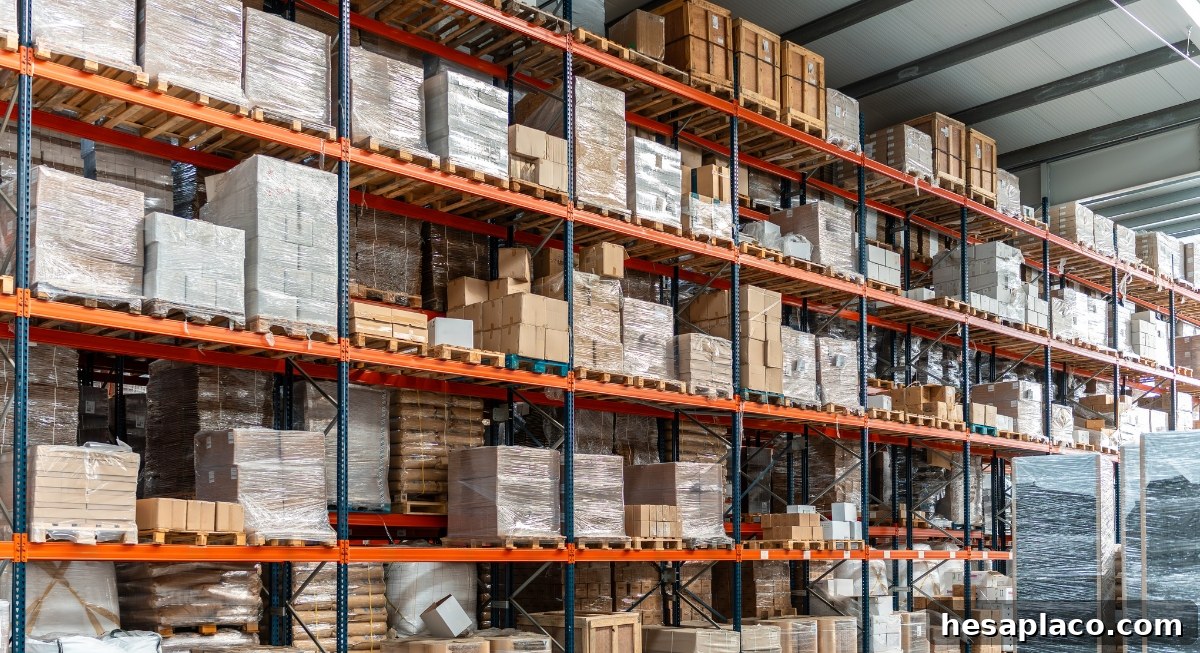
Specialty materials often endure long qualification cycles before being approved for volume production. Dinglong accepted this extended timeline and continued investing in product development. Recent financial results indicate those investments have begun to bear fruit: newer segments such as photoresists and advanced packaging materials have started to enter commercial supply chains.
Advanced Packaging Proved a Timely Bet
Credit: Getty Images
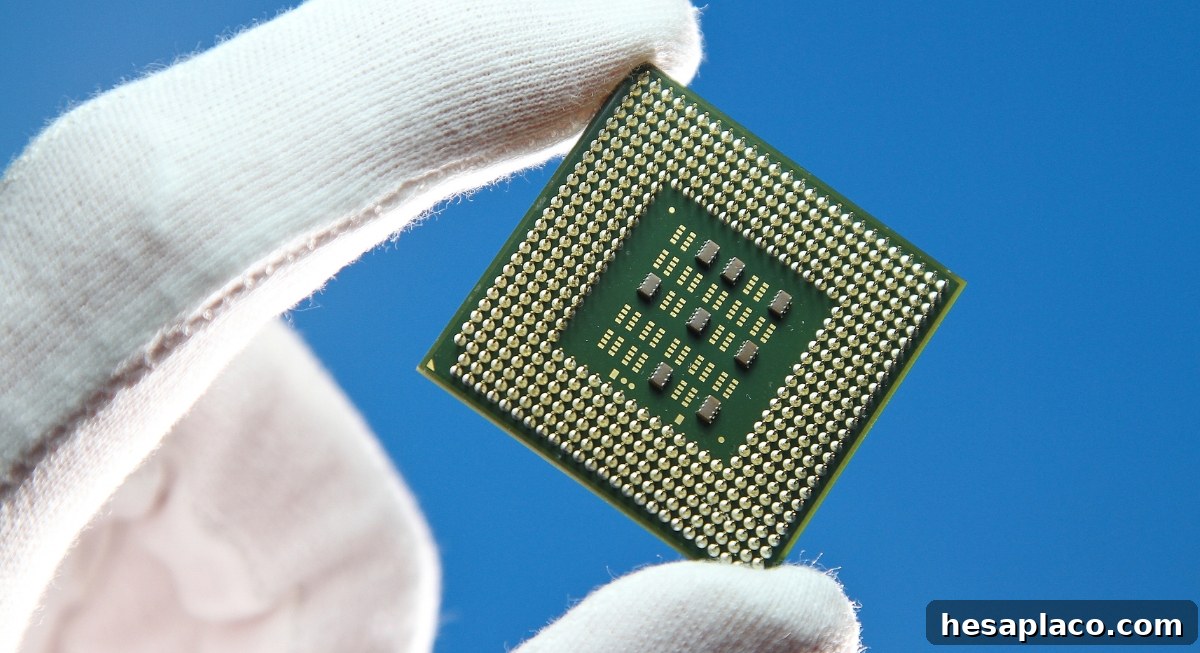
As chip performance increases, packaging technology becomes more critical. Dinglong moved into advanced packaging by developing temporary bonding adhesives used during wafer thinning and stacking. These materials are vital for producing advanced memory and high-performance components, positioning the company in an important area of growing demand.
Domestic Revenue Provided a Stable Base

Credit: pexels
Roughly 70 percent of Dinglong’s revenue comes from Chinese customers. That domestic focus proved advantageous as many local technology firms prioritized domestic suppliers. A large home market gave Dinglong the space to scale production, refine products and develop the credibility needed before expanding more broadly.
Their Backgrounds Equipped Them for the Task
Credit: pexels
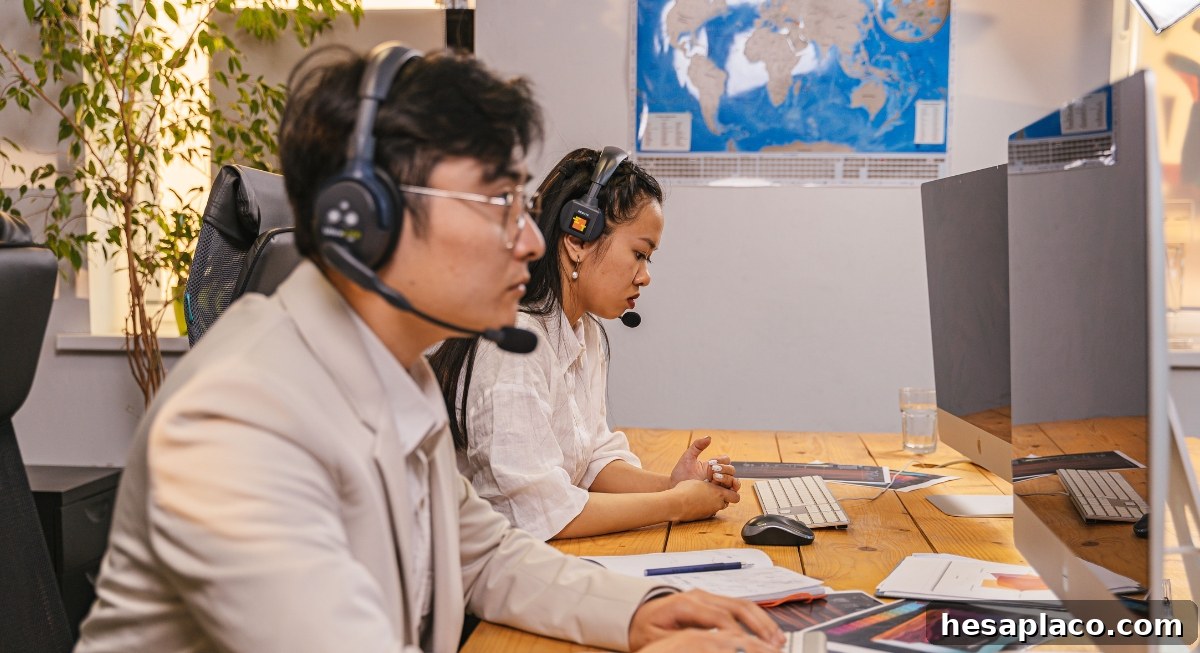
Before founding Dinglong in 2000, both brothers worked in state-owned enterprises focused on international trade and economic cooperation. Those roles exposed them to manufacturing, imports and corporate operations, likely shaping their recognition of areas where China was reliant on foreign suppliers—and where domestic suppliers could make strategic inroads.
Investors Rewarded Years of Preparation

Credit: pexels
The Zhu brothers’ billionaire status was the result of sustained effort rather than a sudden windfall. Shares of Hubei Dinglong more than doubled within a year as investors grew confident in the company’s semiconductor roadmap. Stock market valuations typically reflect expectations about future growth; in Dinglong’s case, investors appear to believe the company can continue expanding alongside China’s broader technology ambitions.