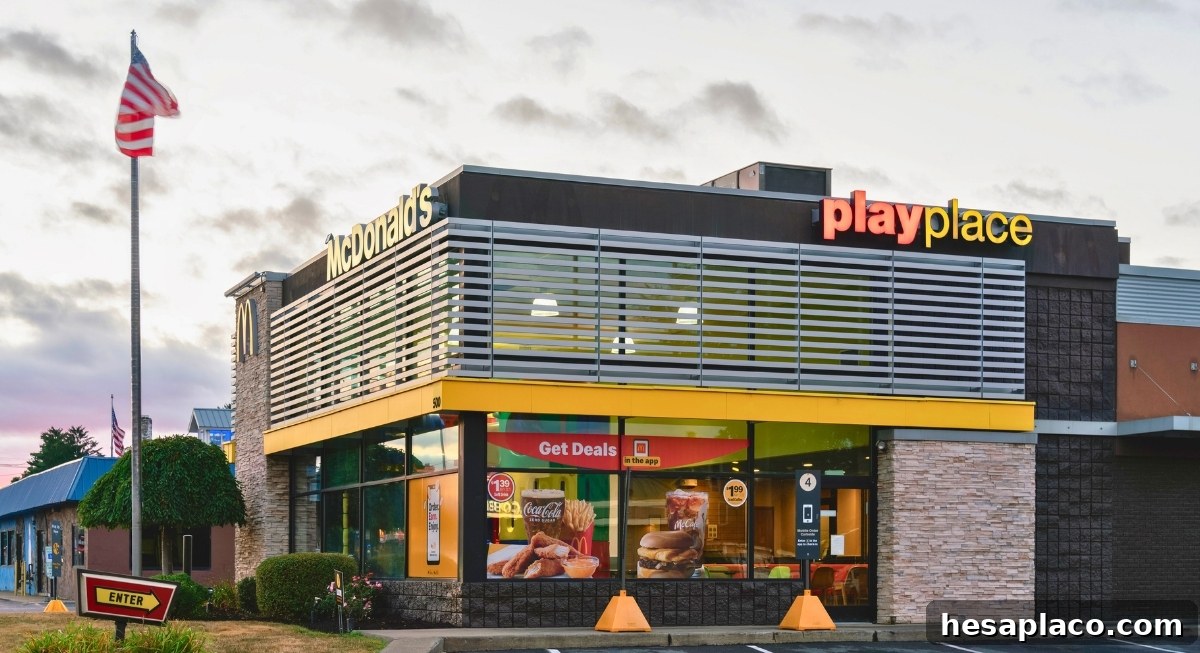
If you’ve visited McDonald’s lately, you’ve probably noticed a shift: the spotlight is moving from burgers to beverages. In the U.S., the chain is expanding its drink menu with specialty, higher-margin options instead of relying solely on standard sodas. It’s a deliberate strategy in a crowded market, and it gives regular customers fresh reasons to stop by the drive-thru.
It Starts With an Updated Menu
Credit: Facebook
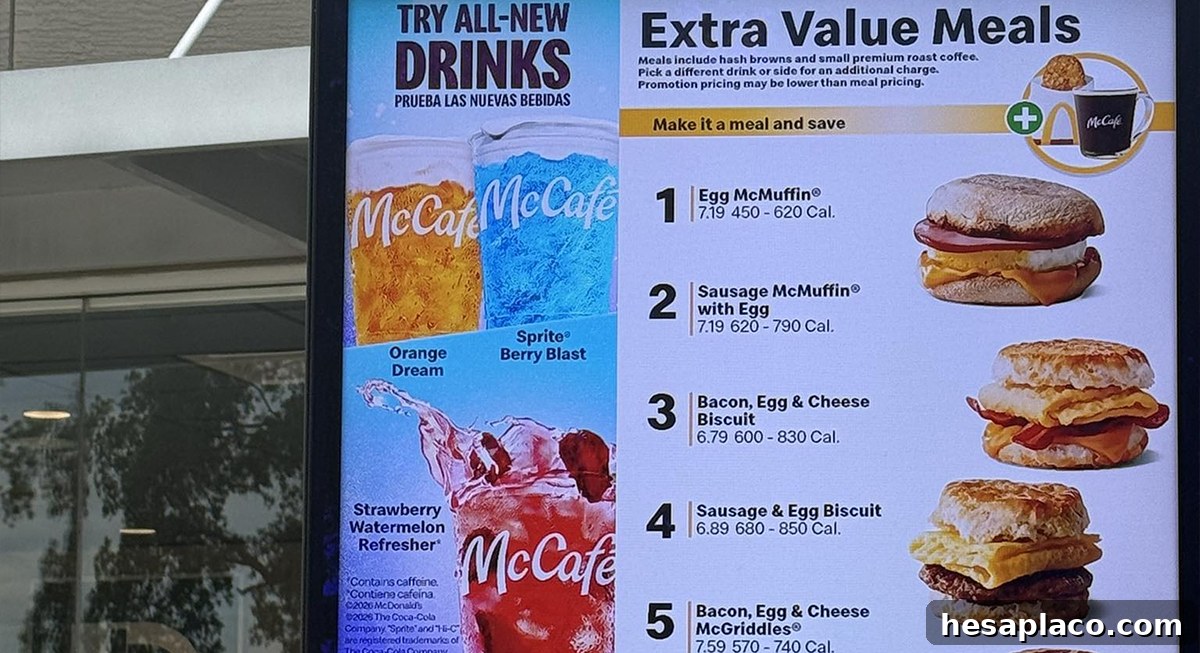
McDonald’s new drink lineup emphasizes café-style flavors—mango, pineapple, passion fruit—and includes foamy, layered options that read more like café offerings than traditional fountain sodas. This move alters how customers scan the menu, nudging many toward beverages that feel more crafted and Instagram-ready.
Finally Addressing That Midday Slump
Credit: Facebook
The lull between lunch and dinner often leaves fast-food seats empty. Specialty drinks slot perfectly into that quiet window: a cold, energizing pick-me-up or a fruity refreshment is often more appealing than a full meal. These options give customers an easy reason to stop in for a quick, low-commitment treat.
A Page Taken From Smaller Chains
Credit: iStockphoto
Local chains like Dutch Bros and 7 Brew have perfected quick service combined with playful, craveable drinks. People return for the energy and novelty; McDonald’s is adopting those ideas on a much larger scale. Translating a local coffee-shop vibe across thousands of locations is a major operational challenge, but it also magnifies the opportunity.
Visuals Matter More Than Ever
Credit: Instagram
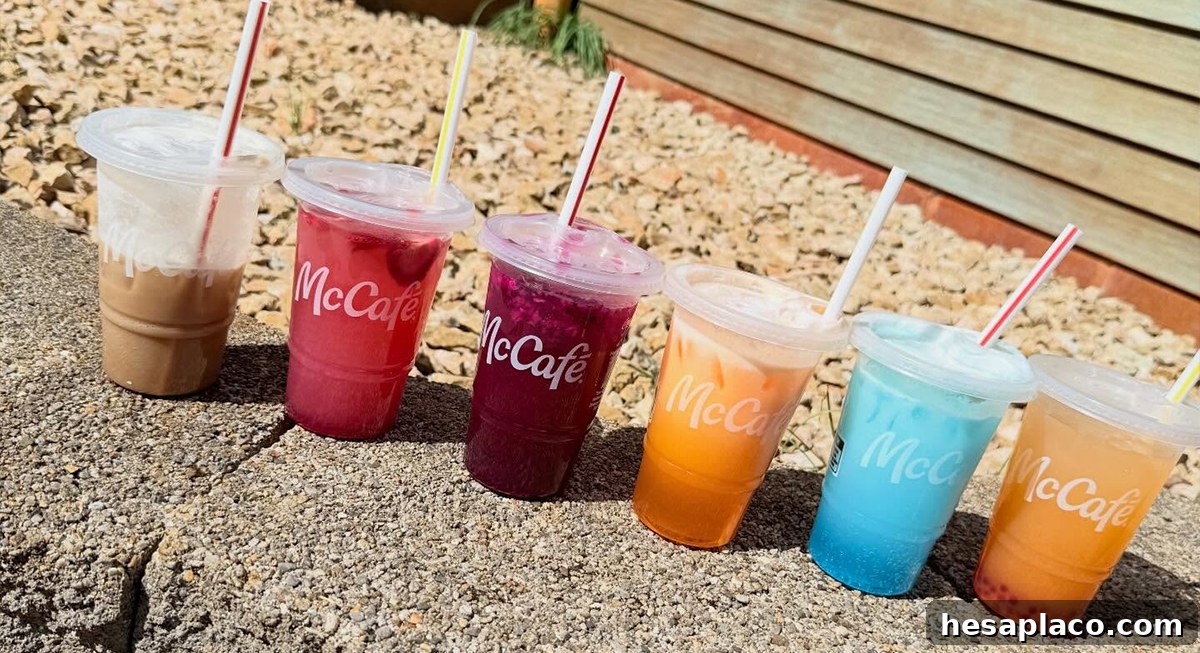
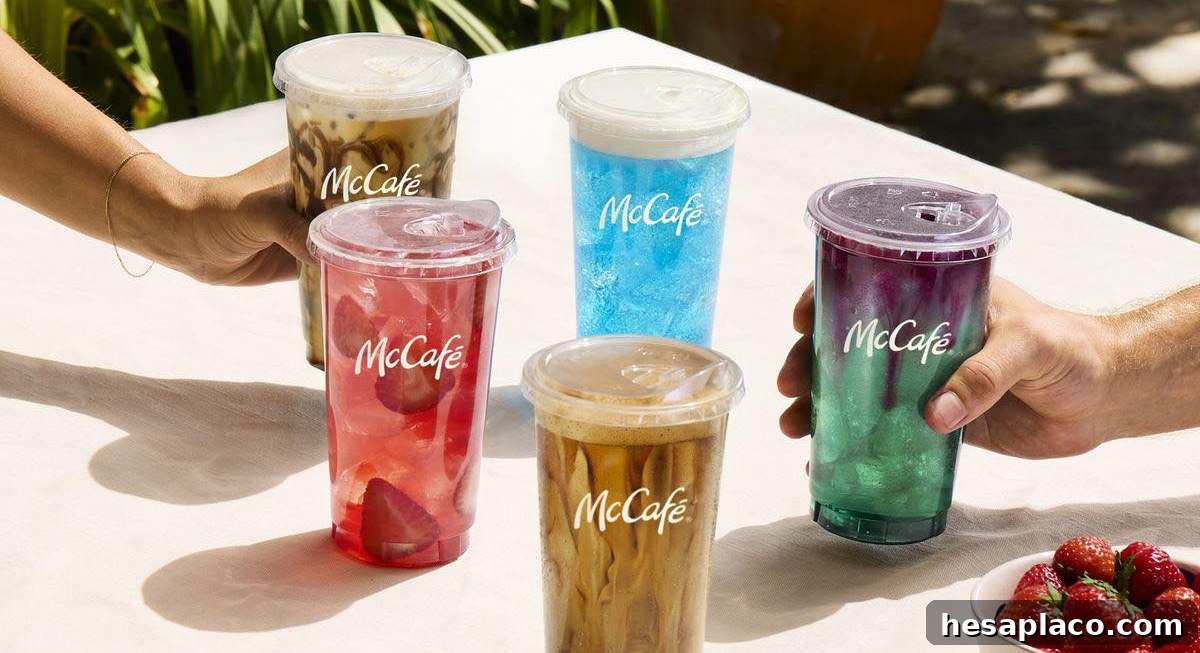
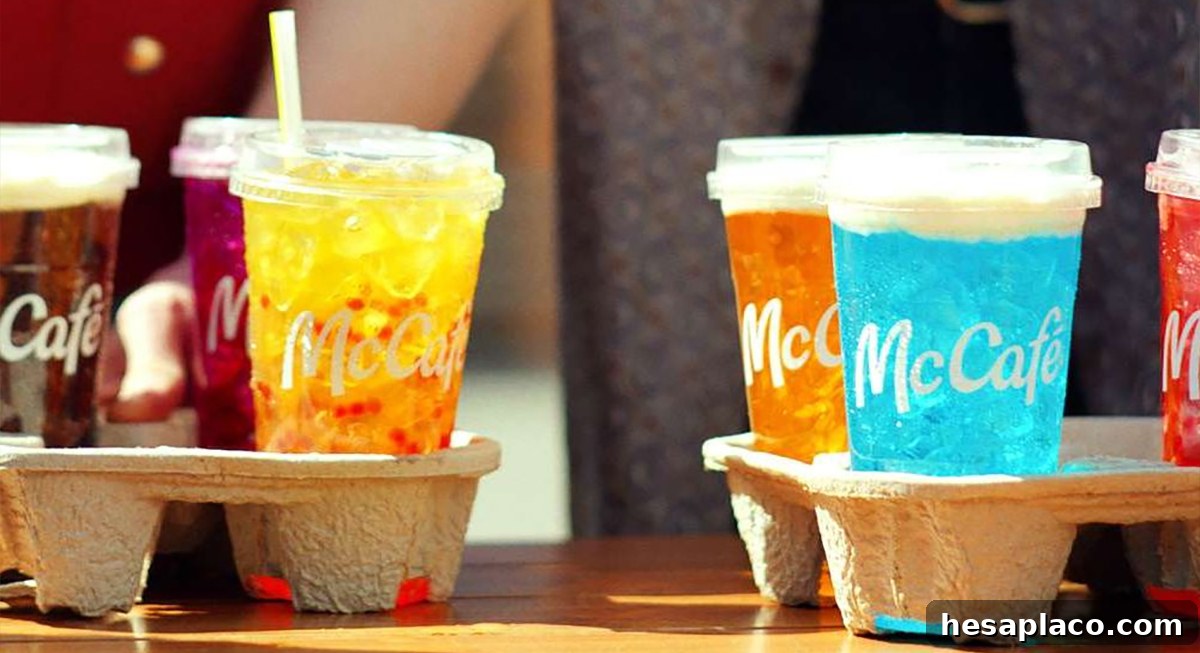
These beverages are designed to look as good as they taste—bright colors, fluffy foam, and visible fruit pieces make each cup highly shareable. Strong visual appeal becomes free advertising: customers post photos and stories, driving interest without a costly ad campaign.
Not Everything Made The Cut
Credit: Wikimedia Commons
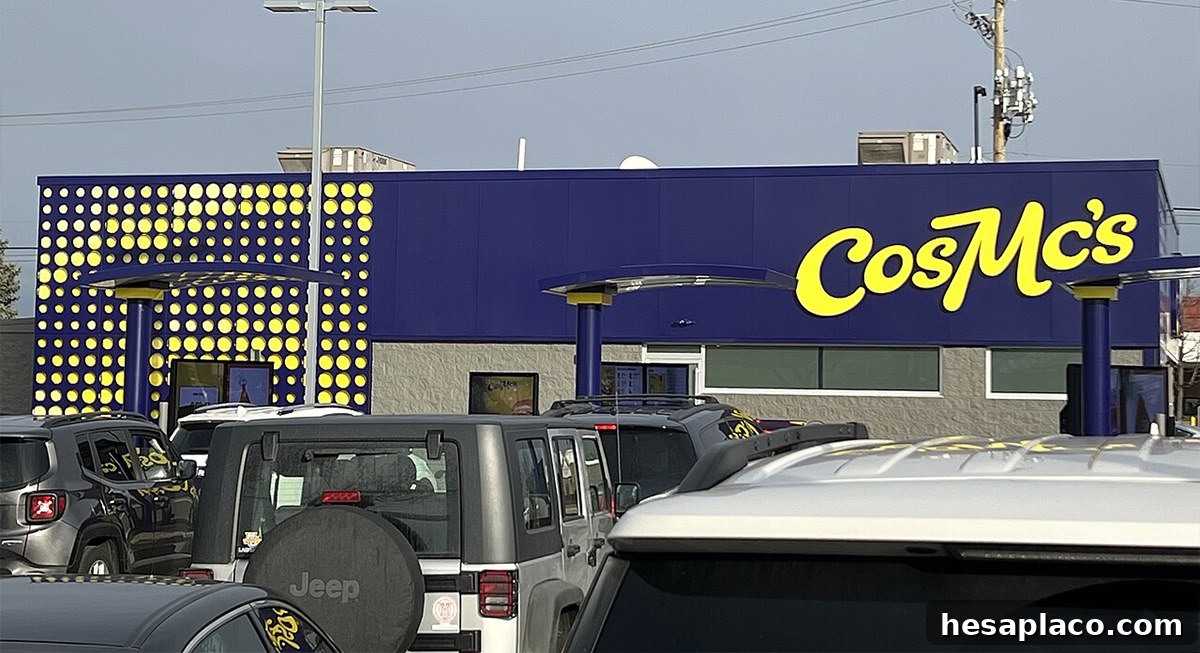
McDonald’s tested many concepts through experimental projects that let the company trial new ideas without endangering its core menu. Drinks that didn’t resonate were dropped; the most popular experiments graduated to a wider rollout. That iterative approach helped refine offerings so that only the most appealing, scalable choices reached customers nationwide.
The Setup Behind The Counter Is Changing
Credit: Tripadvisor
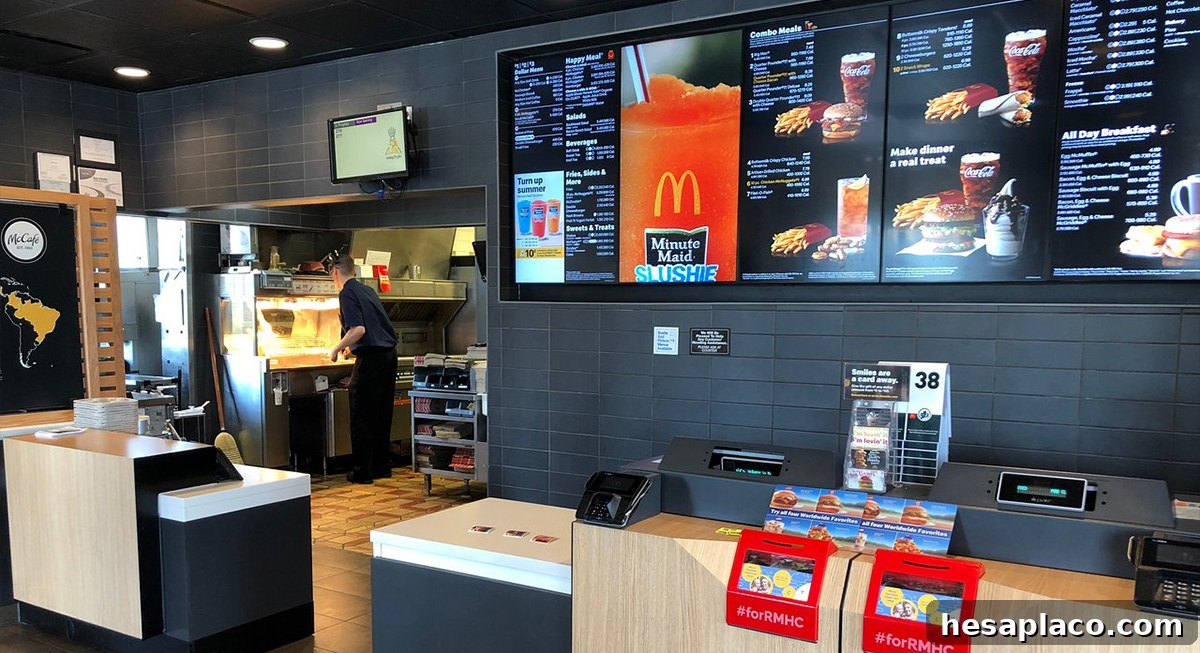
Creating layered, specialty beverages is more complex than pouring soda. Stores require new counters, upgraded machines, and staff trained for precise preparation. These changes streamline service during peak hours and keep order times down, while ensuring each drink matches quality expectations.
Retaining Familiar Brands
Credit: Tripadvisor
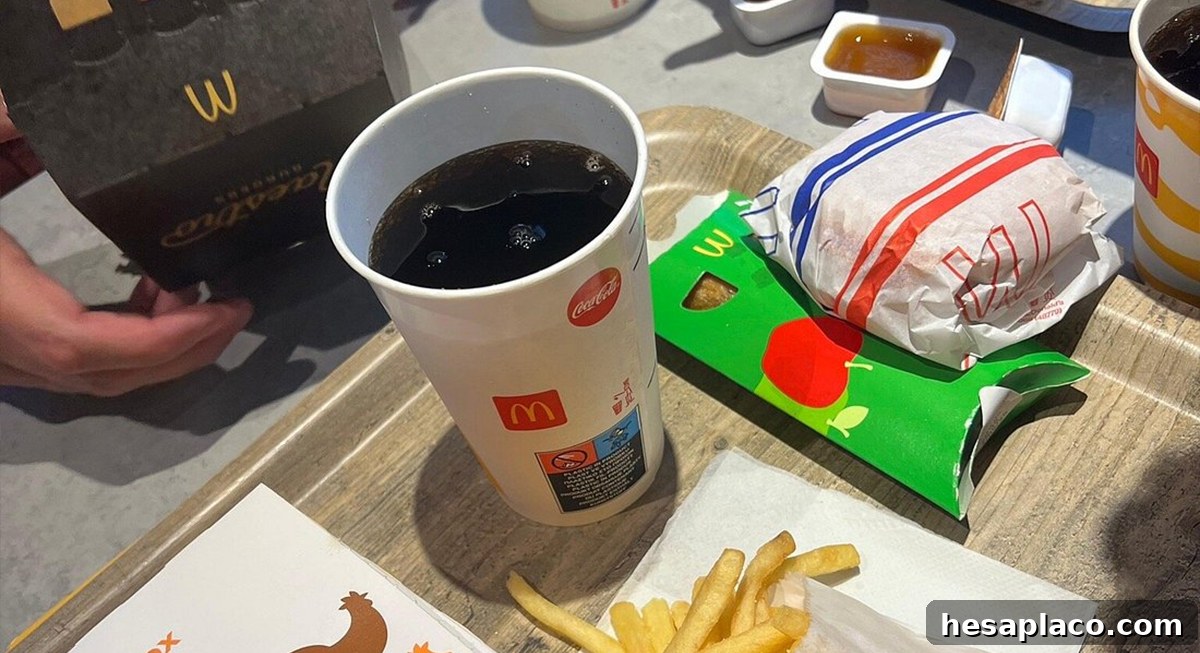
Even as McDonald’s adds new items, staples remain. Classic Coca-Cola options stay on the menu, and co-branded items like a Red Bull Dragonberry Energizer are being introduced. Combining trusted names with novel options reduces uncertainty for customers while encouraging experimentation.
People Just Want A Small Treat
Credit: Facebook
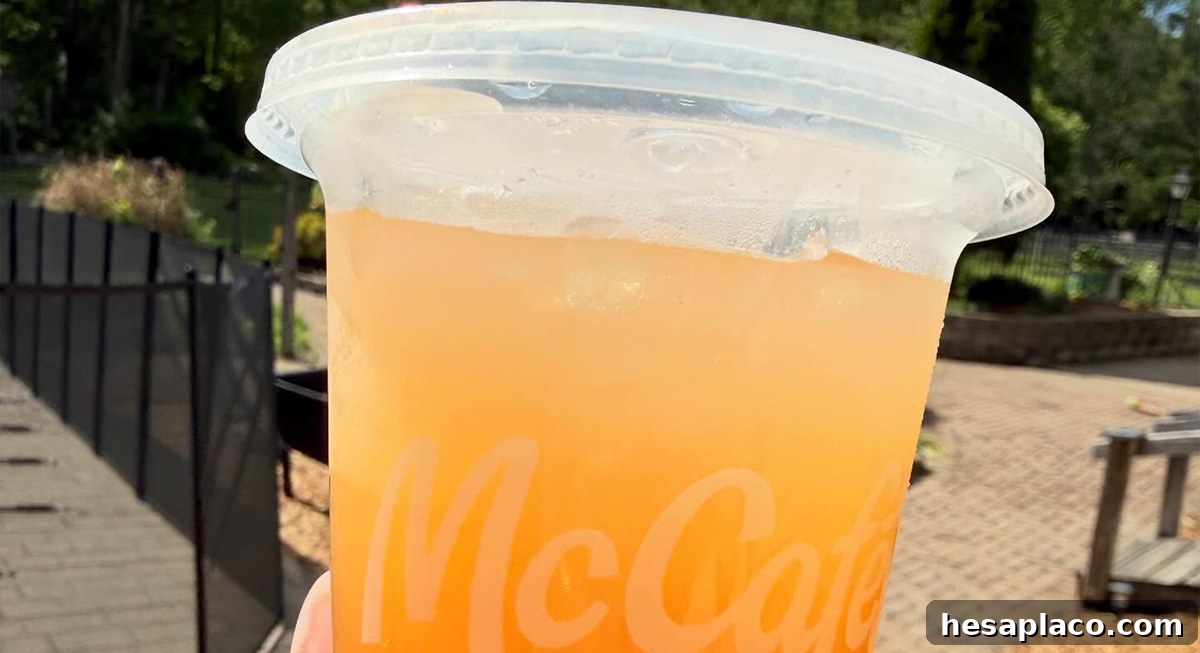
Specialty drinks often offer an affordable indulgence, costing less than a full meal while providing a quick mood boost. That shift toward smaller, feel-good purchases has dampened demand for plain sodas, and McDonald’s is responding by making these easy pleasures more accessible.
Equipment Does The Heavy Lifting
Credit: Youtube
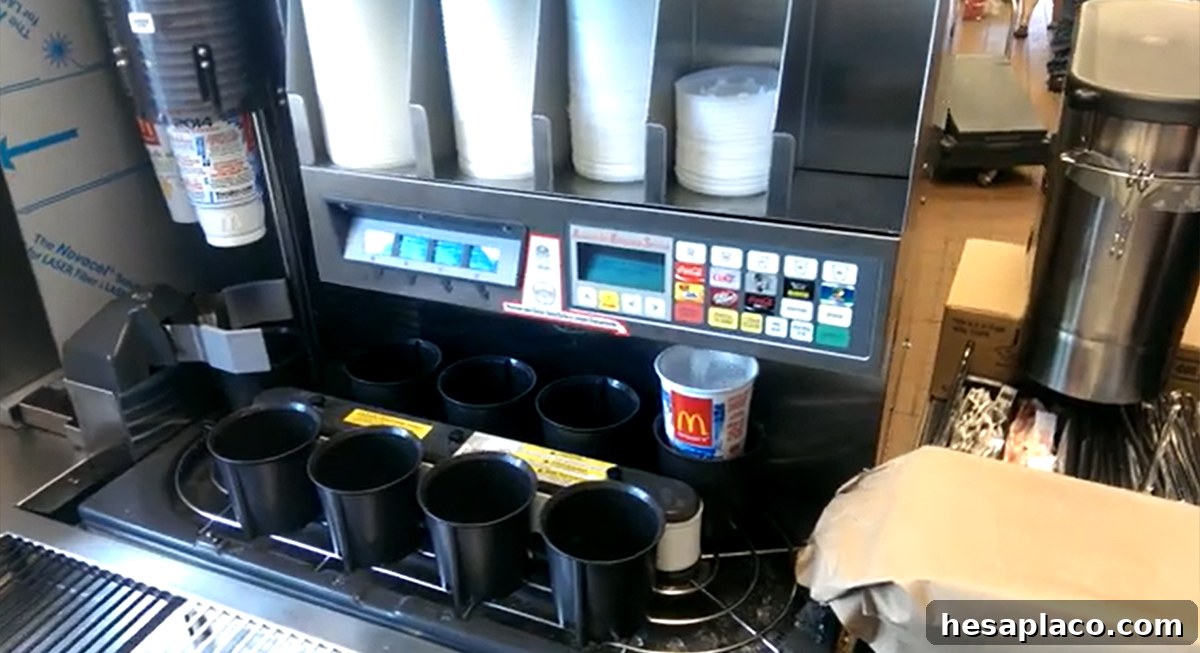
Behind the scenes, franchisees are investing in technology that mixes, chills, and layers ingredients consistently. Reliable equipment ensures each location can recreate the same flavors and presentation, which is crucial when scaling specialty beverages systemwide.
The Price Tag Keeps It Accessible
Credit: Facebook
Crucially, these new drinks are priced well below premium café competitors. The lower price point lets customers enjoy a trendy beverage without overspending, preserving McDonald’s casual, value-oriented appeal while capturing demand for more exciting drink choices.