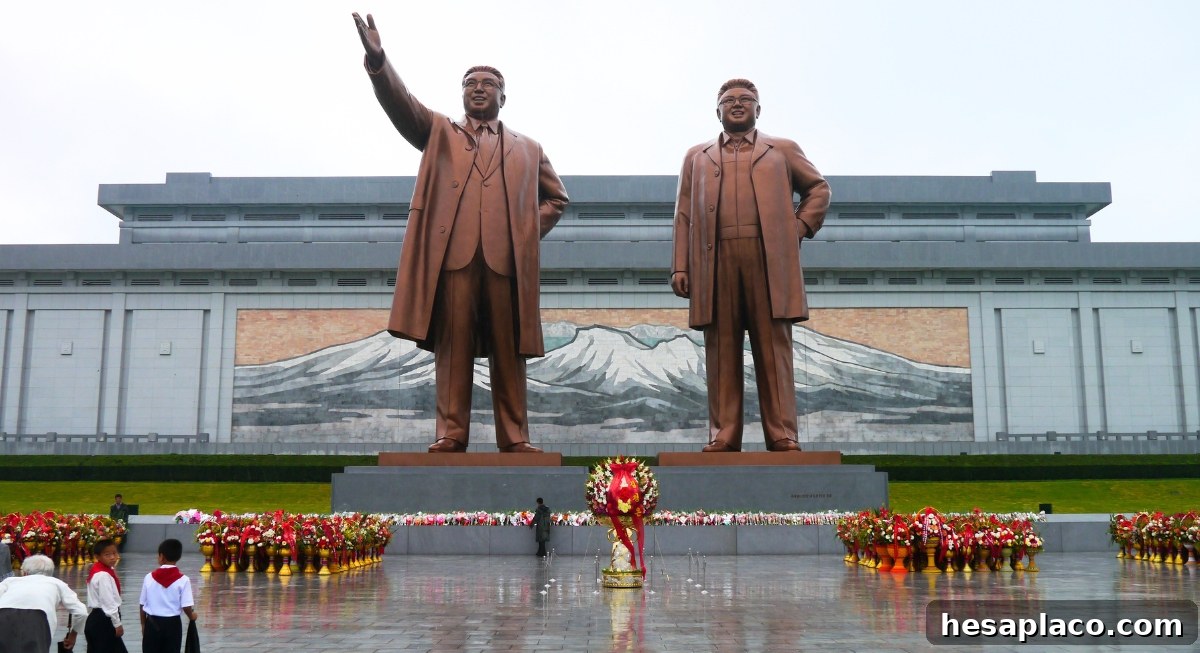
Corruption remains one of the most powerful drivers of global inequality, economic instability, and political unrest. Each year, Transparency International’s Corruption Perceptions Index (CPI) ranks countries by perceived levels of public-sector corruption. The 2025 edition, published in February 2026, evaluated 182 countries using data from 13 independent institutions, including the World Bank and the World Economic Forum.
The CPI does not measure corruption directly; rather, it aggregates expert and business assessments of corruption in public institutions. Scores range from 0 (highly corrupt) to 100 (very clean).
The global average score is 42, and more than two-thirds of countries score below 50, underscoring how widespread corruption continues to be.
North Korea and Syria (Score: 15)
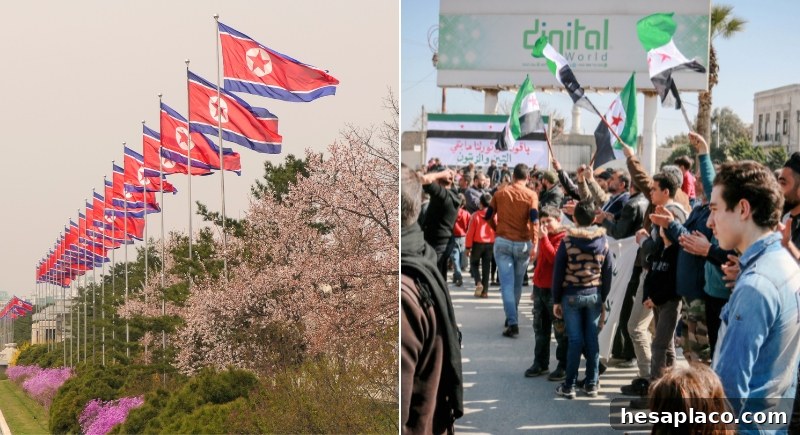
Credit: Getty Images/pexels
Both countries share similar CPI scores but differ in their political and economic structures. North Korea is governed by a tightly controlled political system in which state officials maintain strict authority over trade, movement, and economic activity. Informal markets often operate alongside official channels. Syria’s corruption environment has been profoundly shaped by more than a decade of conflict. A wartime economy has taken root, where checkpoints, reconstruction contracts, and the distribution of humanitarian aid create many opportunities for rent extraction and illicit profiteering.
Equatorial Guinea (Score: 15)
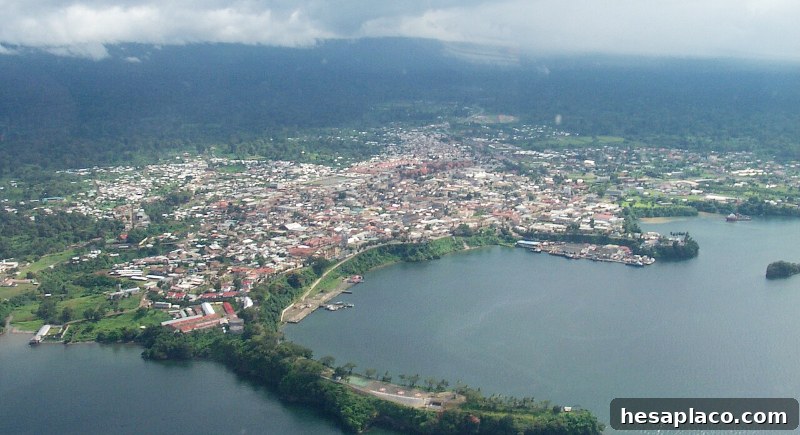
Credit: Wikimedia Commons
Equatorial Guinea combines a high GDP per capita—driven mainly by oil production—with severe income inequality. Political power is highly centralized around the presidency and close family networks. International investigations over the past decade have revealed luxury assets and opaque financial arrangements tied to senior officials, while a substantial portion of the population remains in poverty despite the country’s natural resource wealth.
Sudan (Score: 14)
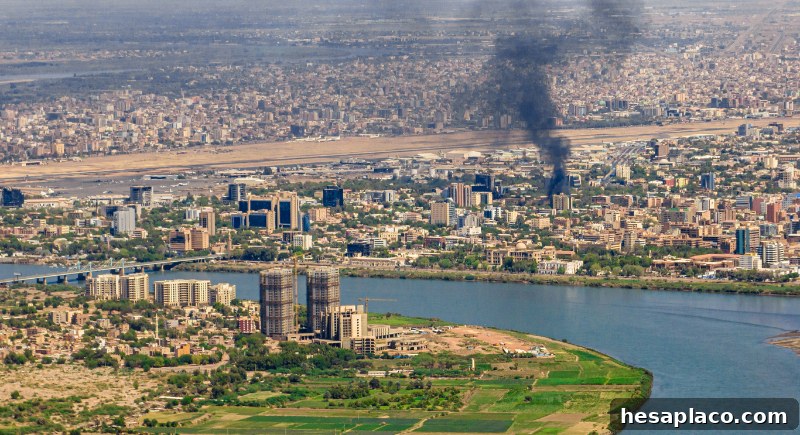
Credit: iStockphoto
Sudan’s score reflects ongoing armed conflict between the Sudanese Armed Forces (SAF) and the Rapid Support Forces (RSF). The country’s gold exports—one of its most valuable resources—often bypass formal banking channels and have been linked to illicit trading networks tied to both factions. Humanitarian operations also face challenges from obstruction, informal taxation, and diversion of aid in conflict zones.
Nicaragua (Score: 14)
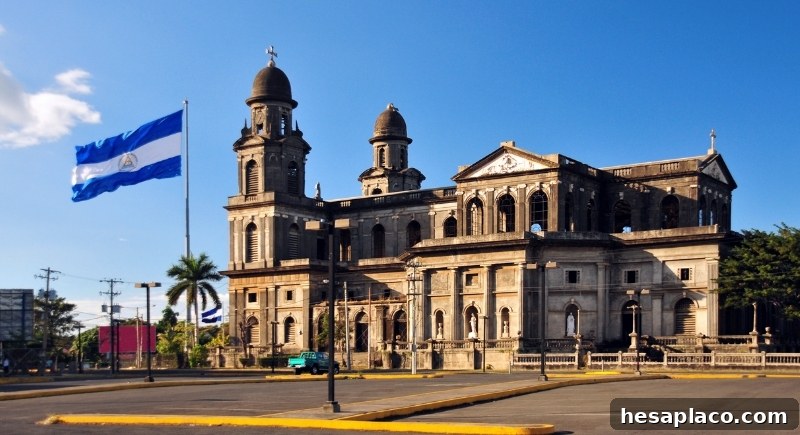
Credit: Getty Images
Nicaragua has experienced one of the sharpest declines in transparency in the Americas in recent years. Power consolidation by the Ortega-Murillo leadership has produced what observers describe as judicial and legislative capture. Independent NGOs and media outlets have been shut down or forced into exile, shrinking the space for oversight. Reports of asset seizures and legal actions against political opponents have heightened international concern about the erosion of institutional checks and balances.
Yemen (Score: 13)
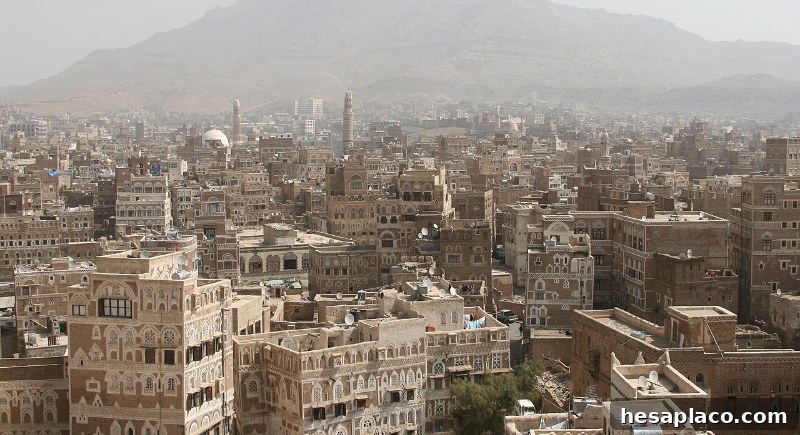
Credit: Wikimedia Commons
Yemen’s prolonged civil war has fragmented state authority, producing competing administrations across the country. Public funds and resources are often diverted to support armed factions. Fuel imports and oil revenues frequently pass through black-market channels, and distribution of humanitarian assistance has been repeatedly obstructed or diverted, worsening the humanitarian crisis and undermining any remaining governance capacity.
Libya (Score: 13)
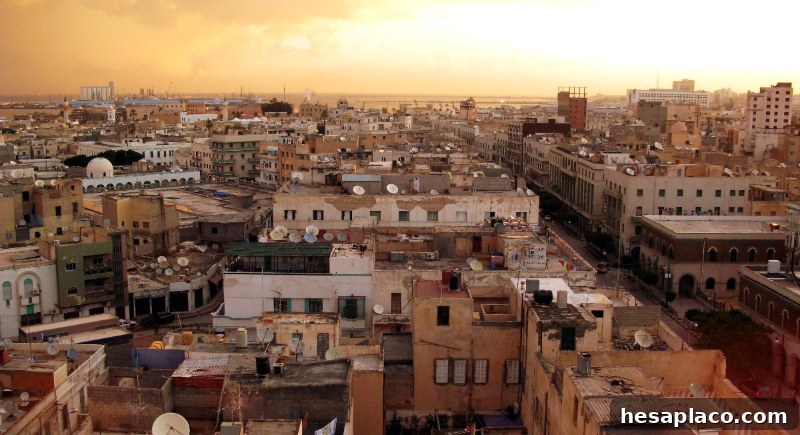
Credit: Wikimedia Commons
Libya faces entrenched corruption driven by institutional fragmentation between rival administrations in the East and West. The country’s oil wealth and fuel subsidies create powerful incentives for smuggling and diversion. Reporting in 2025 described a surge in kleptocratic activity fueled by weak central financial coordination and widespread fuel diversion. Armed groups frequently exert influence over public officials and state institutions, further eroding governance and public trust.
Eritrea (Score: 13)
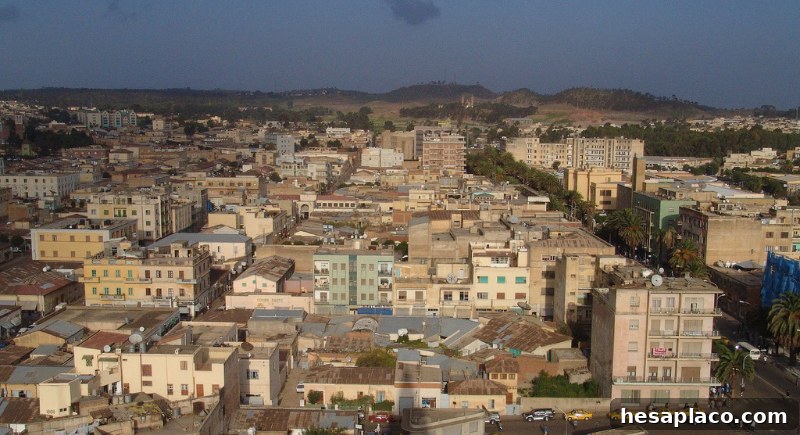
Credit: Wikimedia Commons
Eritrea’s governance is marked by extreme centralization and limited transparency. The government does not publish a national budget, and mining revenues—especially from gold and copper—are controlled by a small political and military elite. With virtually no independent press and minimal judicial independence, domestic accountability mechanisms are almost entirely absent.
Venezuela (Score: 10)
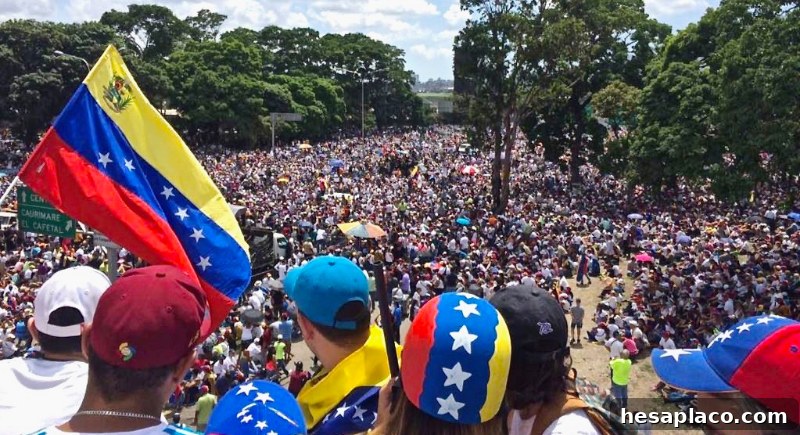
Credit: Wikimedia Commons
Venezuela’s corruption crisis extends far beyond financial opacity and has attracted intense international scrutiny. Years of strict currency controls and tight state control over oil revenues created opaque systems that favored insiders. As sanctions increased and the economy deteriorated, many transactions shifted into the shadow economy, with access to fuel, food, and basic services often dependent on personal connections. Recent high-profile prosecutions in 2026 further amplified global attention to the country’s governance failures.
Somalia (Score: 9)
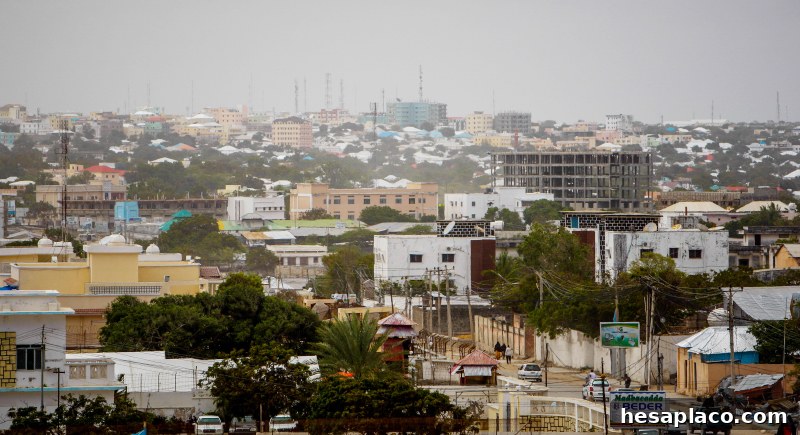
Credit: Wikimedia Commons
Somalia shares one of the lowest CPI scores with South Sudan. Corruption there is tightly linked to fragile institutions and limited capacity for law enforcement. Although Somalia adopted an anti-corruption law in 2019, the Independent Anti-Corruption Commission was dissolved in 2022 and has not been reconstituted. In urban areas such as Mogadishu, reports of public land being illegally transferred to private developers highlight how weak property rights and political patronage shape everyday governance.
South Sudan (Score: 9)
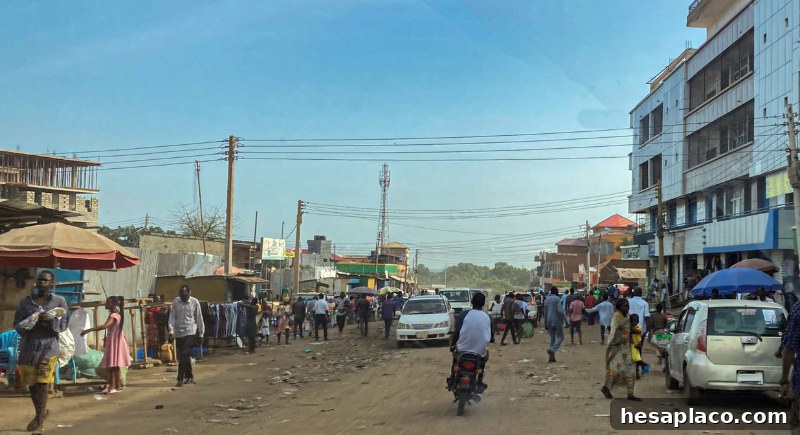
Credit: iStockphoto
South Sudan ranks at the bottom of the index, with corruption deeply tied to oil wealth and weak governance. A 2025 United Nations report found significant gaps in accountability for major infrastructure spending—reporting that $1.7 billion of a $2.2 billion program could not be accounted for and that most promised roads remained unbuilt. Public funds frequently flow through opaque patronage networks while military and security expenditures eclipse investment in social services. With limited fiscal transparency and weak oversight institutions, elite capture of oil revenues continues to be the central governance challenge.