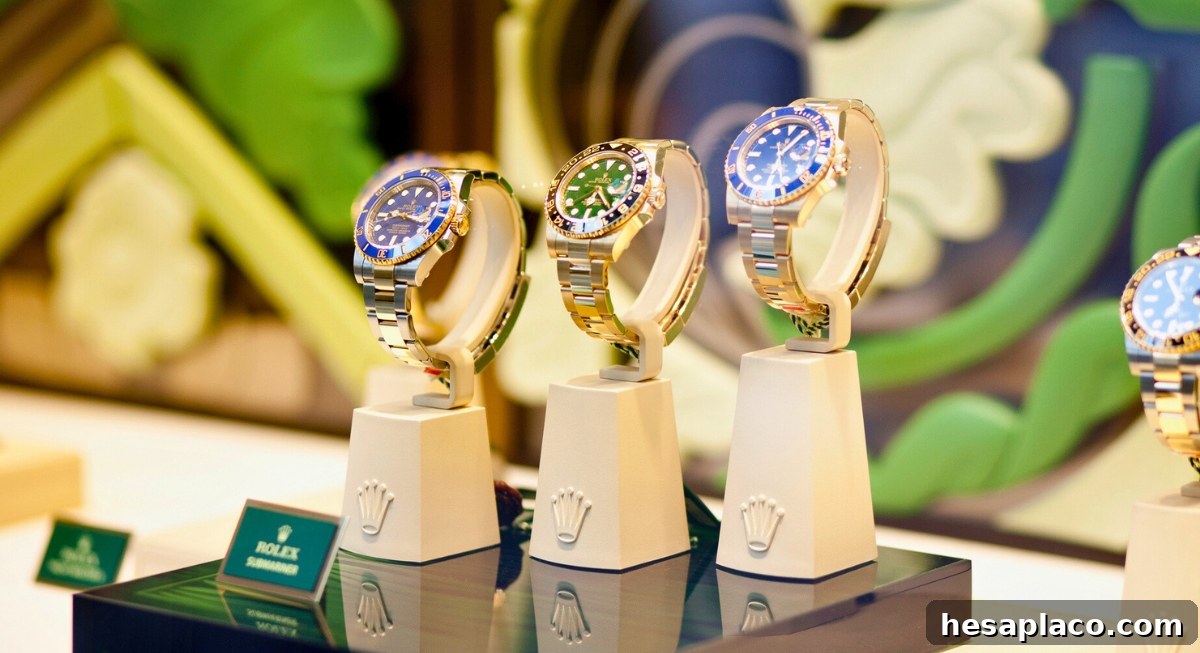
We no longer regard luxury the way we once did. What used to feel like an effortless splurge now often comes with secondhand price tags and a measure of hesitation. If you’ve been considering a Rolex or gravitating toward Lululemon, you’ve likely noticed a broader shift: softer prices, ubiquitous knockoffs, and a culture that increasingly questions whether a logo alone is worth the cost. Below is a clear look at the forces reshaping the luxury market and what they mean for brands and buyers.
Secondhand Prices Are Sliding
Credit: Wikimedia Commons
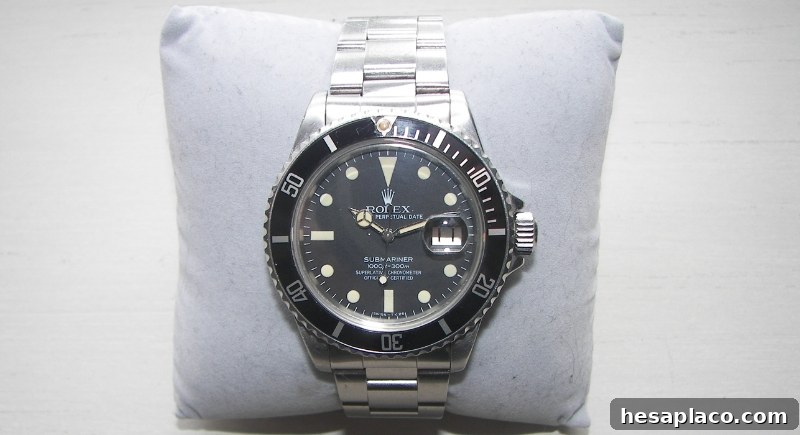
Pre-owned markets that once offered steady returns—particularly for high-profile watches—are cooling. Marketplaces and dealers have reported declines in resale values, signaling weaker demand and a smaller pool of buyers willing to pay premium prices for secondhand status pieces. That shift reflects growing consumer caution and a move away from buying luxury as an investment by default.
Lululemon Faces a Dupe Problem
Credit: Wikimedia Commons
Lululemon’s aesthetic and fit are widely imitated, appearing across social feeds, mass-market sites, and big-box stores. These alternatives are often close enough in look and comfort to satisfy many shoppers at a far lower price. While original brands still hold advantages in construction and fit, the omnipresence of convincing copies has softened Lululemon’s once-unassailable edge.
Luxury Storefronts Are Fading
Credit: Wikimedia Commons
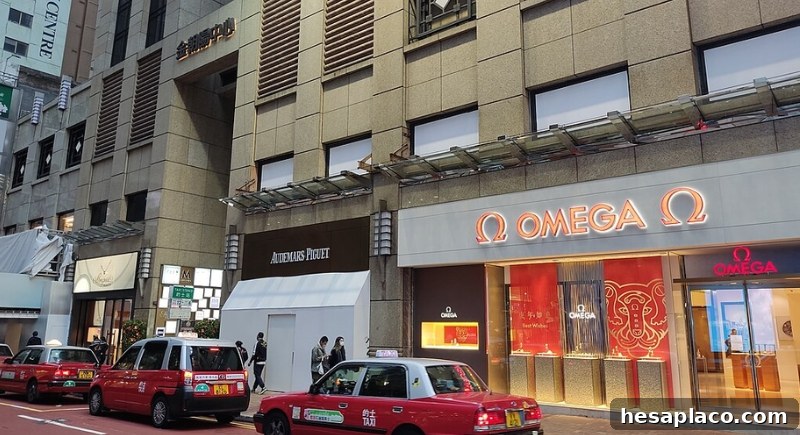
Prime shopping streets that once bustled with window shoppers now tell a different story. Iconic houses are slimming staff headcounts and converting prominent stores into appointment-only showrooms. Casual browsing—stepping in to try on a high-priced jacket for fun—is less common, and fewer footfalls are translating into purchases.
Younger Generations Prefer Alternatives

Credit: Getty Images
Millennials and Gen Z are less driven by big logos than previous cohorts. Many search resale platforms for vintage finds, swap clothing with friends, or simply opt out of high-end purchases. For these consumers, sustainability, authenticity, and personal expression often outweigh the appeal of major luxury brands.
Smartwatches Surpass Status Watches
Credit: pexels
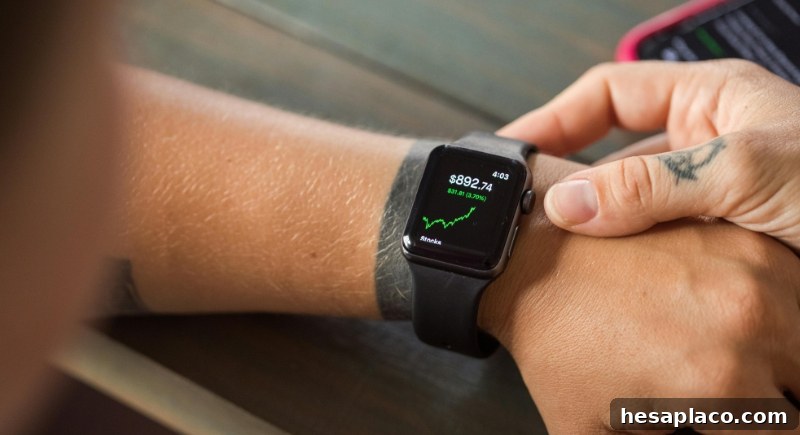
Traditional luxury watch sales are losing ground to smartwatches, which offer practical daily features—health tracking, communication, and convenience—at a fraction of certain luxury price points. For many buyers, function has become as important as symbol, making tech-forward timepieces a preferred choice.
Gourmet Brands See Declining Foot Traffic
Credit: Wikimedia Commons
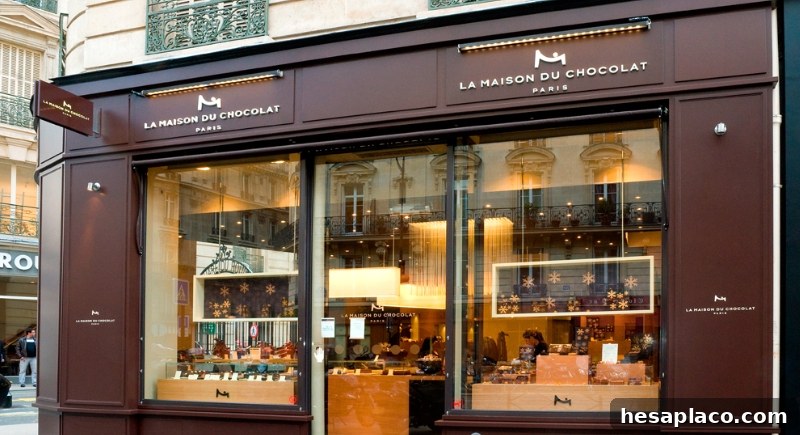
High-end food and hospitality venues are also feeling the squeeze. Upscale chocolatiers, boutique bars, and fine-dining restaurants face softer crowds as consumers redirect spending toward at-home experiences or more casual outings, forcing many specialty food brands to adapt or close.
PR Can’t Hide Financial Weakness

Credit: pexels
Luxury houses continue to run marketing campaigns and high-profile launches, but earnings reports reveal vulnerabilities beneath the polished PR. Several groups have signaled caution in their outlooks, and wholesale channels in particular have shown notable weakness, prompting companies to move from expansionary language to more defensive strategies.
China’s Growth Engine Has Slowed

Credit: Getty Images
Once a crucial growth driver, China’s demand for luxury has cooled. Several quarters of softer spending have reduced the market’s role as a reliable safety net for global luxury brands. With demand weaker in major cities, new collections carry more risk and brands must rethink how they allocate resources and inventory.
Tariff Uncertainty Dampens U.S. Buyers

Credit: Getty Images
Talk of potential new tariffs has left U.S. shoppers hesitant. Many are delaying luxury purchases to see whether cross-border or online buying will become more advantageous, creating a window of paused demand that affects retail and travel retail channels alike.
Cultural Influence Has Shifted
Credit: Wikimedia Commons
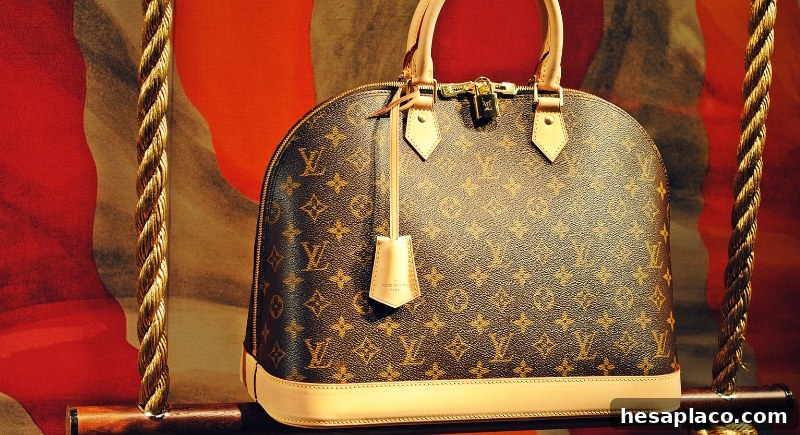
Luxury logos remain visible, but they no longer dominate cultural attention the way they used to. Influence now often springs from social platforms, creative collaborations, and original ideas that spread quickly. Consumers increasingly reward authenticity and creativity over mere brand recognition.
Leadership Changes and Layoffs Signal Trouble

Credit: Canva
Sharp revenue declines have led to executive shakeups and workforce reductions at several houses. When leadership hires shift toward profiles outside traditional fashion backgrounds, it underscores a broader urgency to change strategy and stabilize performance.
Luxury Real Estate Is Uneven

Credit: Getty Images
High-end property markets continue to move, but buyer behavior is increasingly split. A smaller segment of buyers will “pay anything,” while a growing proportion hunts bargains. Even ultra-expensive listings are experiencing more cautious browsing and longer decision cycles.
Design Fatigue Is Taking Its Toll
Credit: Instagram
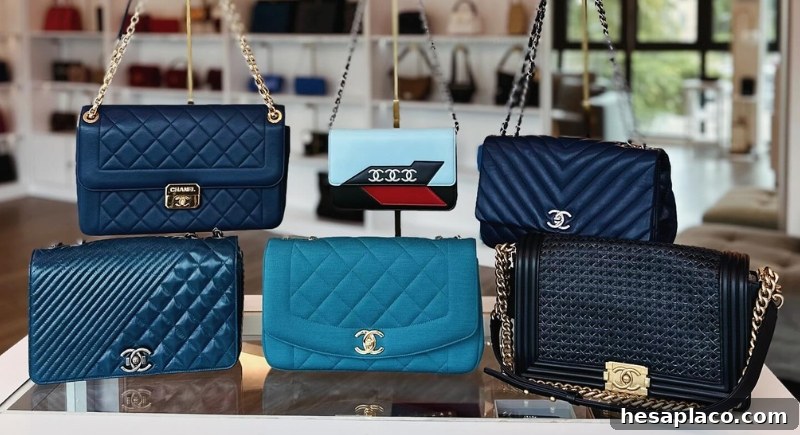
Buyers have noticed when collections recycle familiar motifs and designs. With rising prices but repetitive aesthetics, consumers question whether a brand’s creative output justifies its premium. That fatigue erodes excitement and weakens the argument for paying top prices for a logo alone.
Even the Wealthiest Are Pulling Back

Credit: Canva
Surveys and market studies show declining purchase intent among ultra-wealthy consumers as well, and when the top tier of buyers becomes more cautious, effects ripple across all price segments. This contraction highlights how sensitive luxury demand is to shifts in sentiment even among affluent customers.
Value Retailers Are Winning Share
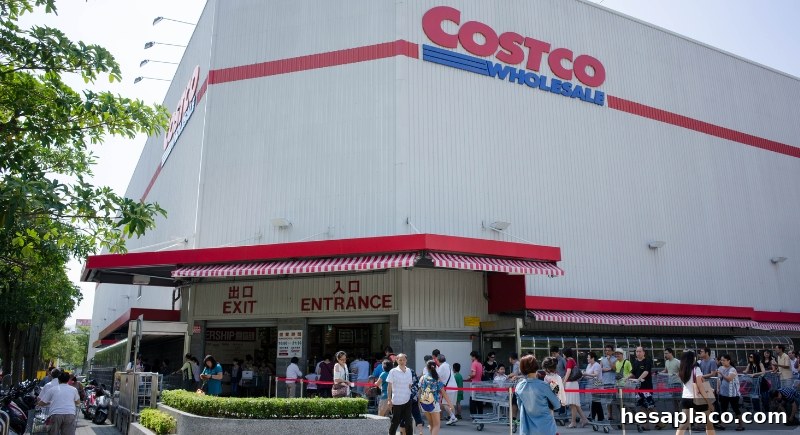
Credit: Wikimedia Commons
Retailers known for value are quietly capturing customers who might previously have bought premium brands. Shoppers prioritizing quality and price are increasingly choosing trusted, lower-cost options for everyday items—activewear, outerwear, and travel gear—diluting the market for big-name labels and reinforcing the idea that visible branding is no longer the sole measure of worth.
In sum, luxury is undergoing a meaningful recalibration. A complex mix of resale softness, younger consumers’ priorities, tech-driven substitutes, geographic slowdowns, pricing uncertainty, and creative stagnation is reshaping demand. For brands, the challenge is to demonstrate genuine value—through innovation, quality, and cultural relevance—rather than relying solely on heritage and logos. For buyers, the result is a more varied marketplace where choice, authenticity, and practicality increasingly matter.