
In shopping malls, class manifests in subtle behaviors. It’s not only about what people buy but how they navigate food courts, stores, and checkout lines. For many middle-class families, the mall doubles as both entertainment and aspiration: a place to stretch a modest budget while experimenting with the appearance of belonging. Small choices there often reveal as much about identity as about money.
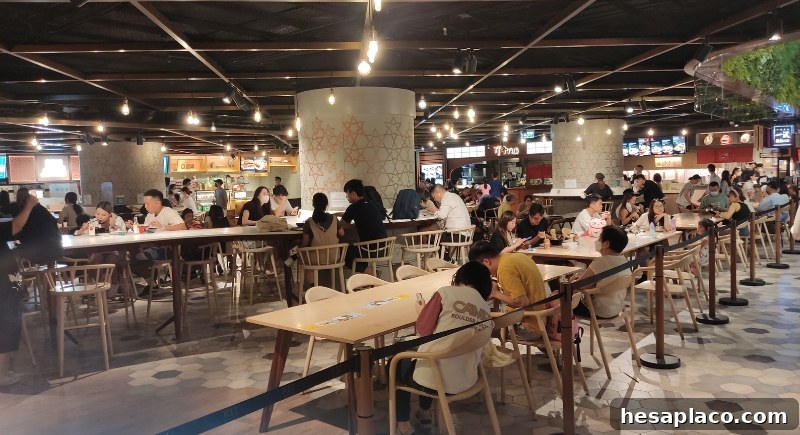
Treating the Food Court Like a Full-Service Restaurant
Credit: Wikimedia Commons
For many families, a visit to the food court becomes the centerpiece of the outing. Tables are claimed like front-row seats, meals are selected thoughtfully, and everyone settles in for a shared dining experience. It satisfies the desire to eat out without stretching the wallet, turning a modest treat into a reliable tradition.
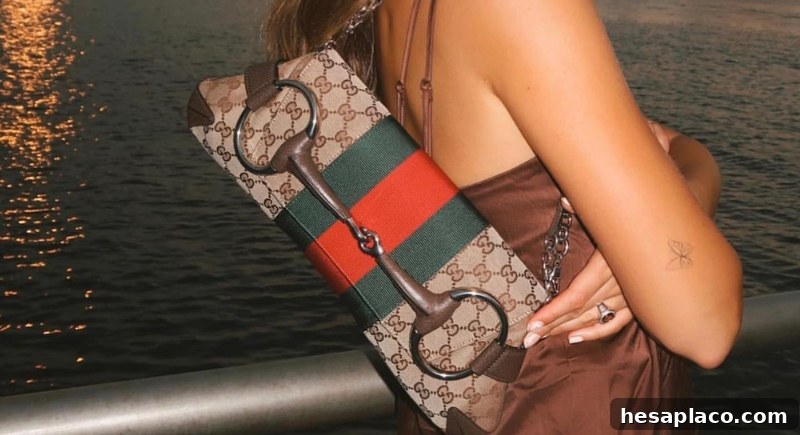
Equating Logos With Luxury
Credit: Instagram
When a logo dominates an item, it often signals a desire to be seen. Bold-brand prints on handbags, sneakers, or shirts attract shoppers who prize recognition over subtlety. For them, a visible label functions as evidence of progress—an outward signal that they have arrived, or at least come closer.
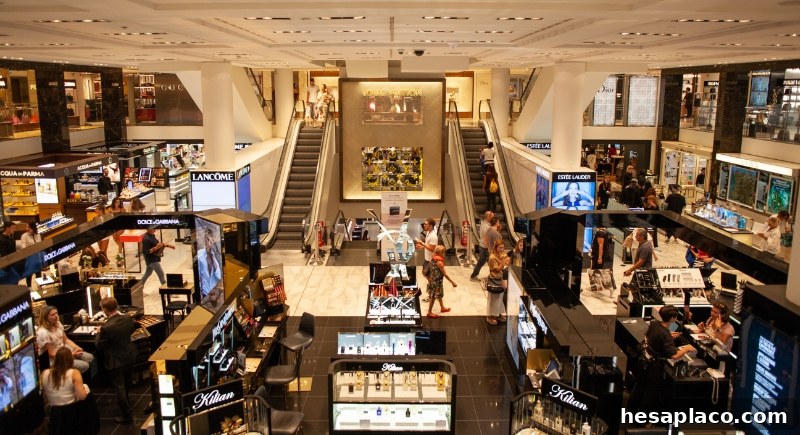
Using the Mall as a Weekend Family Trip
Credit: pexels
Instead of museums, concerts, or specialty attractions, many middle-class families spend Saturdays at the mall. It’s climate-controlled, child-friendly, and relatively affordable. Kids get snacks, parents browse, and the day can be enjoyed with little or no spending. It’s practical—but it also reflects a narrower set of leisure choices.
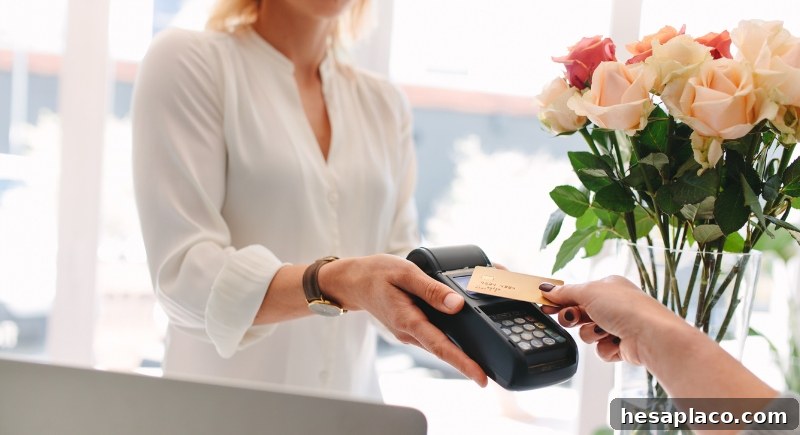
Financing Indulgences Through Store Cards or Installment Plans
Credit: Canva
Big-ticket purchases are often stretched out with installment plans or store financing. The monthly payments feel small and manageable in the moment, until they accumulate. It’s a form of retail therapy with delayed consequences—the immediate gratification frequently outweighs the eventual financial strain.
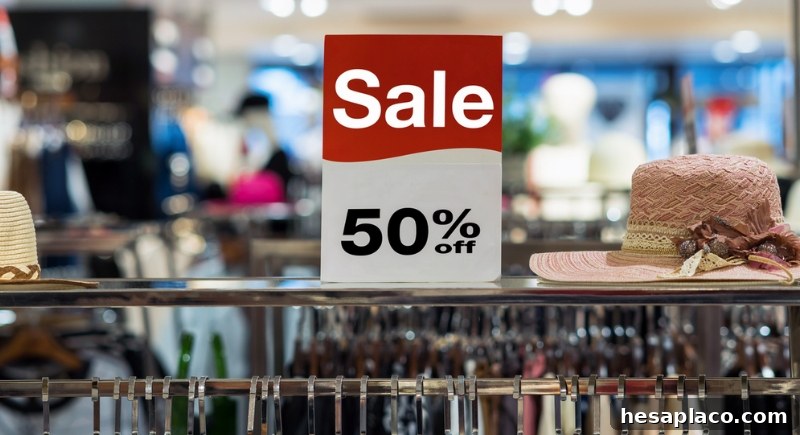
Getting Swept Up in Store Promotions
Credit: iStockphoto
A flashing “50% OFF” sign is hard to ignore. Many middle-class shoppers detour into stores simply for the thrill of a deal, even when they hadn’t planned to buy. Such tactics exploit a fear of missing out: the pressure to act now can make spending feel like saving, though it often results in unnecessary purchases.
Measuring Success in Shopping Bags

Credit: Canva
To many, a day with multiple shopping bags looks like a successful outing. A haul from mid-range stores often serves as visible proof of a shopping victory. It’s less about the contents than the quantity—carrying bags becomes a way to display economic progress, even when every item may have been bought on sale.
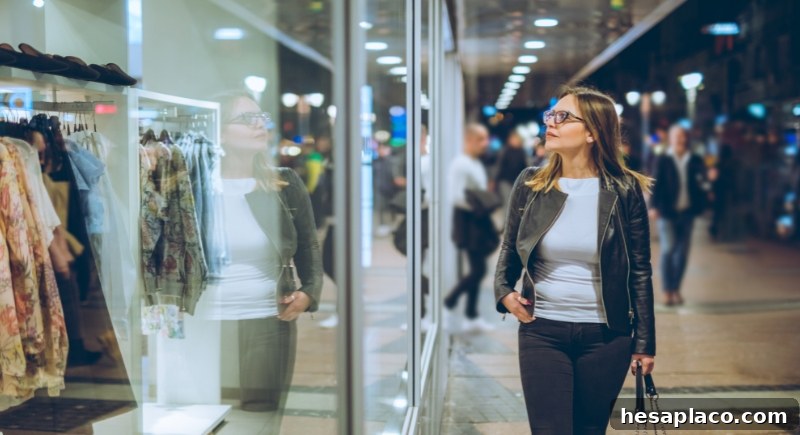
Window Shopping With Intention
Credit: Getty Images
Some mall-goers spend hours admiring merchandise they never intend to purchase. Window shopping in upscale stores offers a taste of a pricier lifestyle—the goal isn’t ownership but proximity. It satisfies an aspirational curiosity without committing to a transaction.
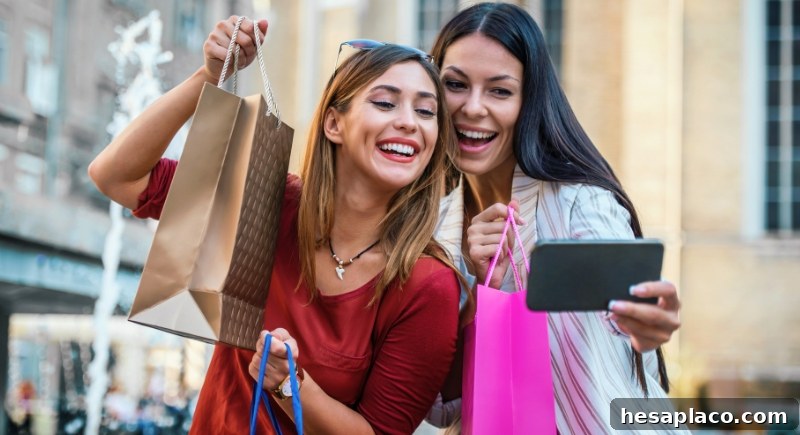
Buying to Post, Not to Use
Credit: Getty Images
Social media has amplified the desire to project wealth. A shopping bag, receipt, or unopened box may be photographed and shared before the item is even used. For some consumers, the social moment matters more than the product itself: being seen with the purchase can be more satisfying than using it.
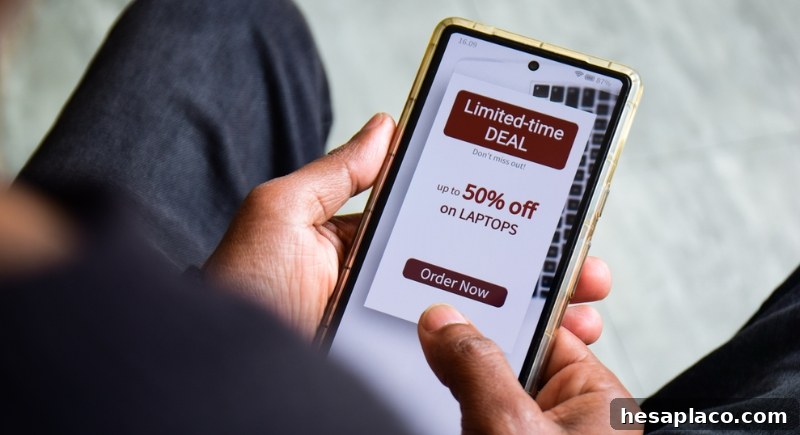
Relying on ‘Exclusive’ Sales for Status Buys
Credit: iStockphoto
“Limited time” tags or members-only promotions can trigger impulse buys—not because the item is necessary, but because the offer feels exclusive. For middle-class shoppers, these moments can seem like shortcuts to exclusivity. The appeal lies more in the idea of getting ahead of others than in the product itself.
Collecting Trends Instead of Building Style
Credit: Getty Images
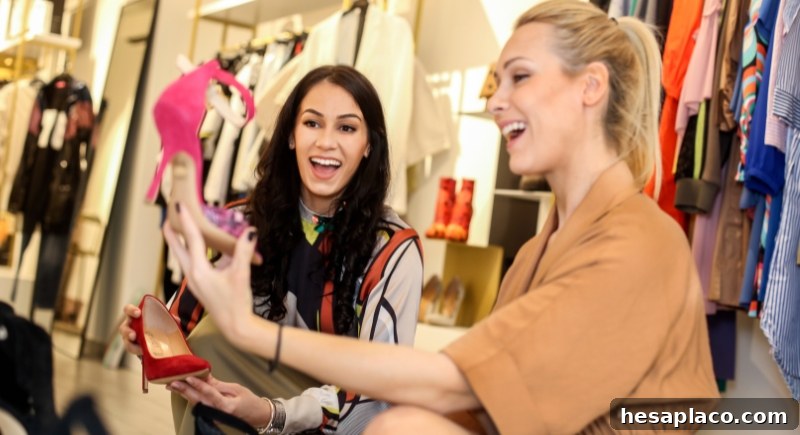
Fashion cycles shift quickly—one moment it’s high-waisted jeans, the next it’s chunky sneakers. Some shoppers chase each trend in turn, equating currency with being current. That approach can lead to constant turnover rather than a curated, consistent wardrobe. Wealthier buyers often invest in cohesive pieces; others may repeatedly replace items to stay up-to-date.
Using Credit Cards Just for the One-Time Discount
Credit: Canva
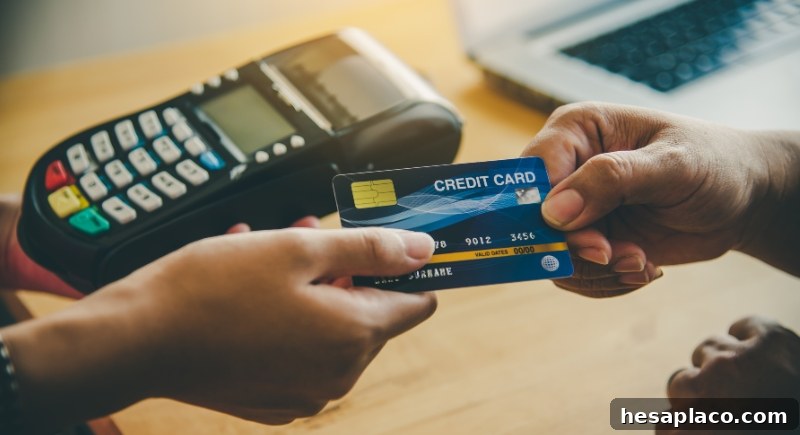
Retailers often entice customers to open a store credit card with an immediate 10–20% discount. Many middle-class shoppers accept that offer repeatedly, enjoying the short-term savings while accumulating long-term interest. What feels like a bargain at checkout can quietly become another ongoing expense on an already tight budget.
Overvaluing Exclusivity for Its Own Sake
Credit: iStockphoto
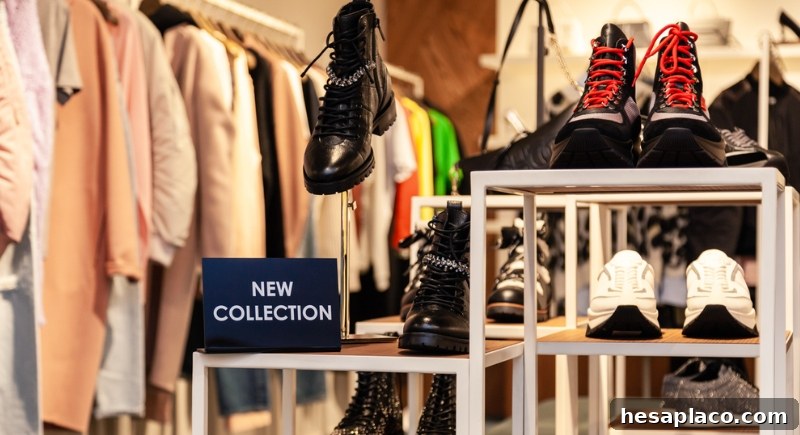
Limited-edition tags give an object the sheen of importance. Middle-class shoppers often equate rarity with status, grabbing items before they vanish. But exclusivity is frequently manufactured—a tactic that offers the temporary thrill of being elevated without delivering meaningful or lasting distinction.
Replacing Experiences With Consumer Rituals

Credit: Getty Images
Where wealthier individuals might spend on travel or cultural events, many middle-class consumers substitute shopping excursions as their primary form of experience. The mall becomes the setting for socializing, celebrations, or casual dates. Purchases stand in for shared memories or self-care—accessible, but ultimately transactional.
Saying ‘It’s an Investment’ When It’s Not

Credit: Syda Productions
Some shoppers label expensive purchases—like a $300 jacket or a statement handbag—as “investments.” Unless an item retains value or offers enduring usefulness, this language simply reduces the guilt of splurging. Calling aspiration purchases investments reframes them as responsible decisions without changing their financial reality.
Filling Carts to Feel in Control
Credit: Getty Images
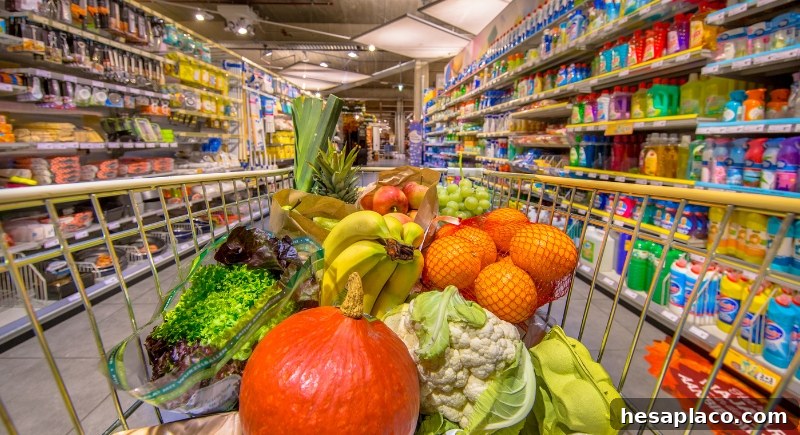
Filling a cart—whether online or in-store—can be an entire ritual. Adding item after item provides a strange comfort: the pleasure of near-possession without the final commitment. For many, the act of imagining a different life where those items are affordable becomes a form of coping, more about aspiration than acquisition.