The International Monetary Fund often serves as a final lifeline for countries facing severe financial strain. When foreign-exchange reserves run low, inflation accelerates, or sovereign defaults loom, governments turn to the IMF for loans designed to restore stability. Those loans typically come with conditions: structural reforms, subsidy reductions, tighter fiscal policies, and measures to improve revenue collection. Below is an updated overview of the countries that currently carry the largest IMF obligations and the circumstances that brought them to seek assistance.
Argentina — $57 Billion Owed
Credit: Getty Images
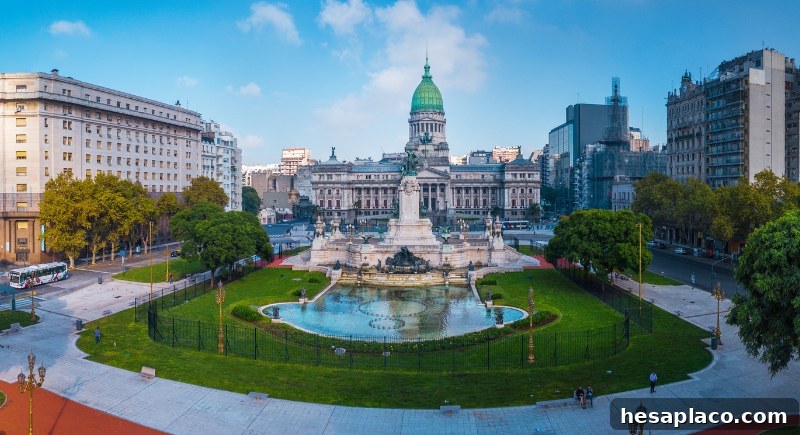
Argentina is the IMF’s largest debtor, owing roughly $57 billion—more than several other major borrowers combined. Recurring high inflation, chronic currency instability and a history of defaults have led Argentina to rely on repeated IMF support. The country arranged the largest loan in IMF history in 2018, and subsequent programs have focused on stabilizing inflation, restoring investor confidence and re-establishing fiscal credibility.
Ukraine — $14 Billion Owed
Credit: Canva
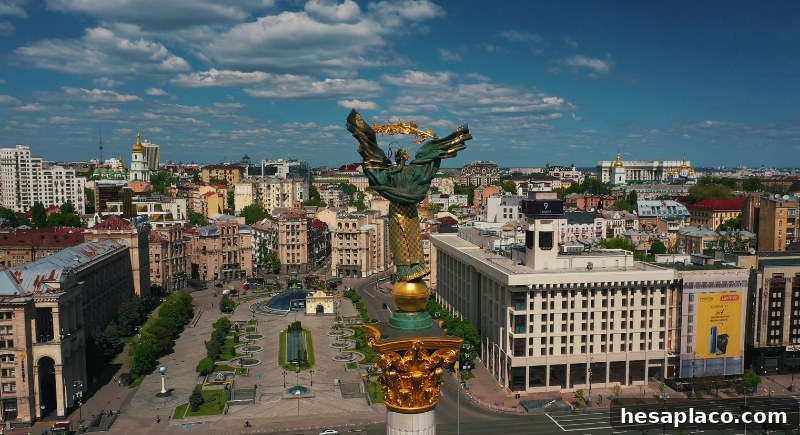
Russia’s 2022 invasion severely disrupted Ukraine’s economy. To maintain essential public services and prevent a deeper economic collapse, Ukraine has relied heavily on IMF financing. As of late 2025, the country’s outstanding IMF balance was around $14 billion. A four-year program approved in 2023—worth $15.5 billion—was aimed at supporting civilian spending, macroeconomic stability and reconstruction efforts.
Egypt — $9 Billion Owed
Credit: Getty Images
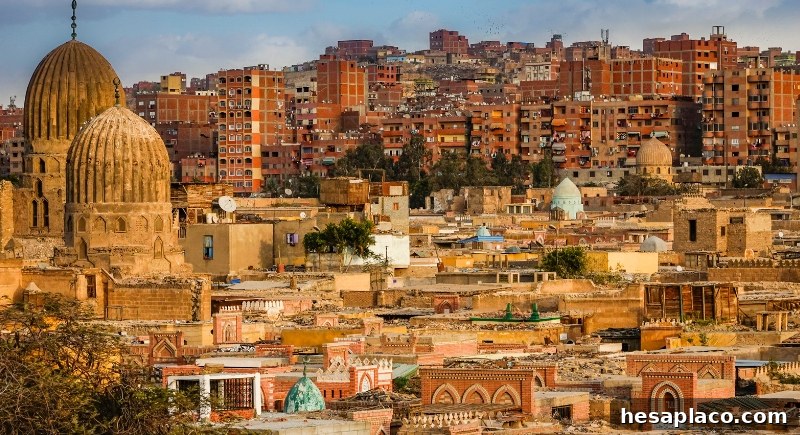
Egypt has become one of the IMF’s notable borrowers after prolonged economic challenges. To secure support, the government agreed to comprehensive reforms that included subsidy reductions, allowing the Egyptian pound to float, and boosting revenues through tax measures. Those reforms helped stabilize the macroeconomic outlook and attracted some investment, but they also led to higher consumer prices and increased financial pressure for many households.
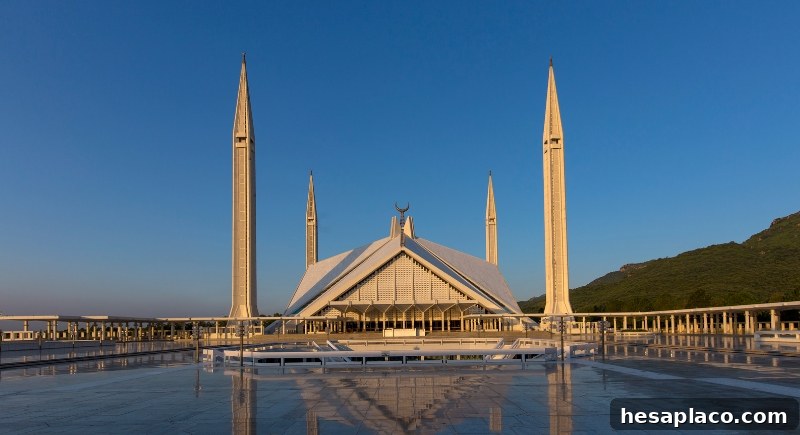
Pakistan — $8.9 Billion Owed
Credit: Getty Images
Pakistan’s economy has faced recurring crises marked by falling reserves, mounting public debt and energy shortages. To avert sovereign default, Islamabad returned to the IMF for support. By 2025, Pakistan’s outstanding IMF credit was about $8.9 billion, with conditions emphasizing subsidy reductions, tax reforms and measures to shore up public finances.
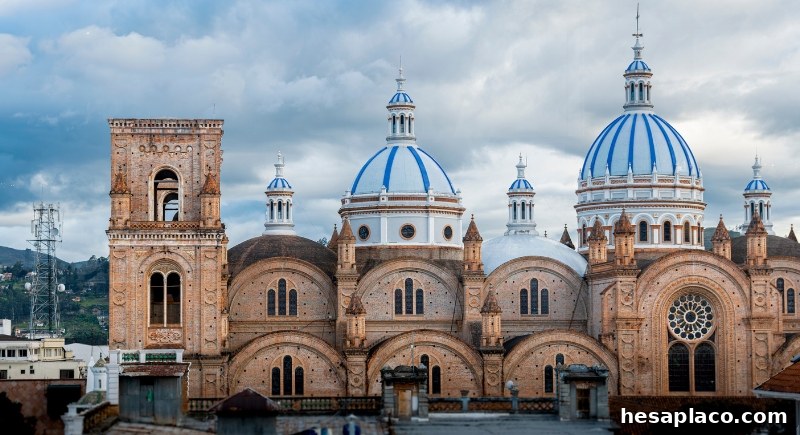
Ecuador — $8.83 Billion Owed
Credit: pixabay
Ecuador’s economy, heavily dependent on oil, suffered large shocks during the COVID-19 pandemic and in the years that followed. The country’s IMF debt of around $8.83 billion stems from programs designed to stabilize public finances, manage debt servicing and support reforms to diversify revenue sources. Political tensions and social protests have complicated reform implementation at times.
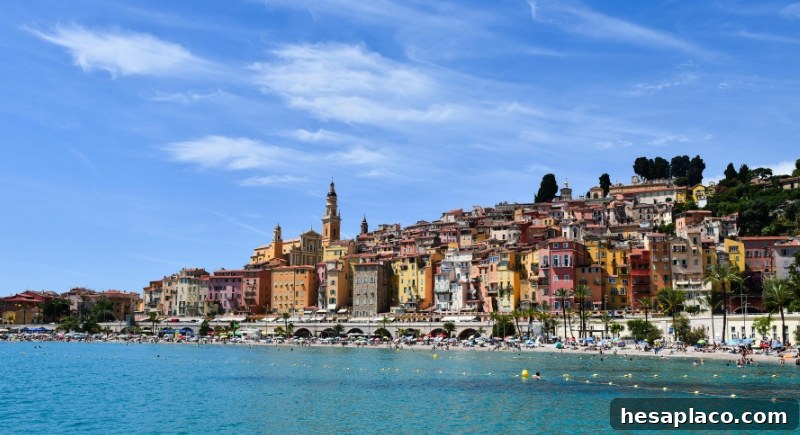
Côte d’Ivoire — $4.22 Billion Owed
Credit: pexels
Côte d’Ivoire has drawn on IMF financing—amounting to roughly $4.22 billion—to address fiscal pressures tied to infrastructure spending and external debt obligations. IMF programs have prioritized strengthening public finances while protecting priority investments in agriculture and energy to sustain growth and reduce poverty.
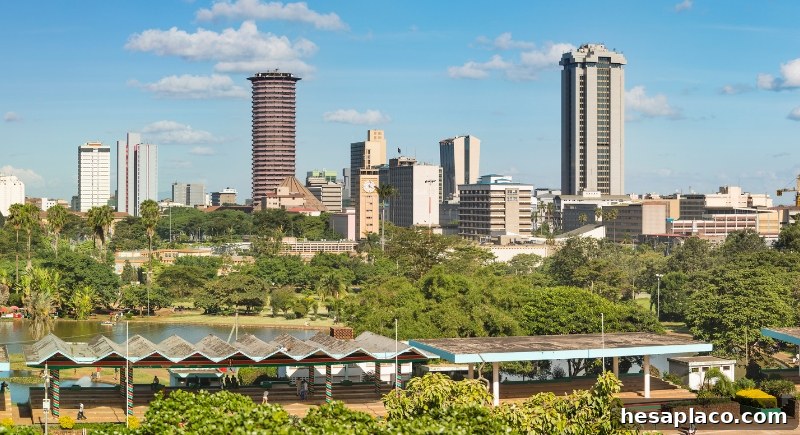
Kenya — $4.09 Billion Owed
Credit: Getty Images
Kenya’s outstanding IMF balance of just over $4 billion has helped the country manage rising public debt and finance pandemic-related needs. The IMF-supported program emphasizes fiscal consolidation and revenue mobilization. Those measures have proved politically sensitive, and some critics argue that austerity has reduced public services and spurred social discontent.
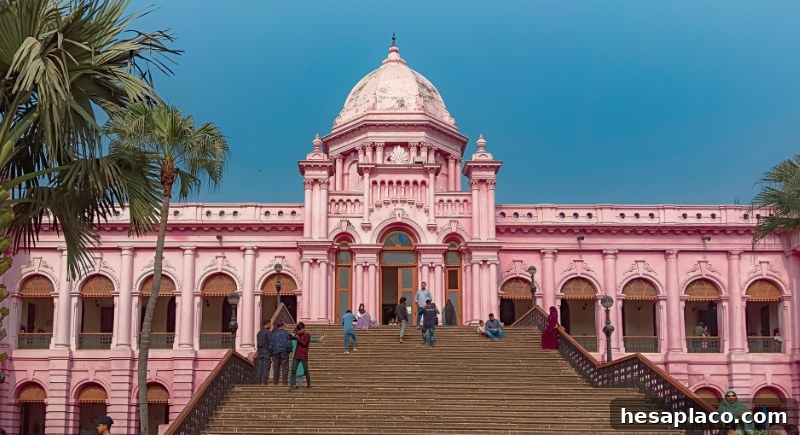
Bangladesh — $3.97 Billion Owed
Credit: pexels
Bangladesh entered an IMF-supported 42-month program in 2023 after pressure from rising energy costs, high inflation and a sharp drop in foreign-exchange reserves. The program—reflected in an outstanding balance nearing $4 billion—aims to restore monetary stability, rebuild buffers and support a gradual recovery while protecting vulnerable populations.
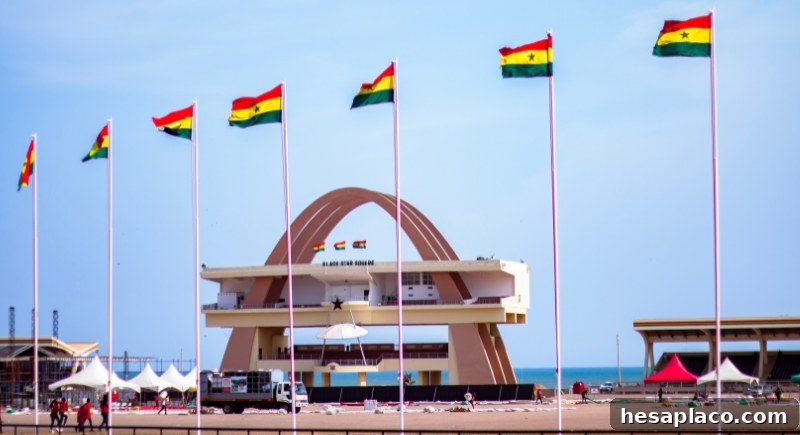
Ghana — $3.63 Billion Owed
Credit: pixabay
Ghana’s IMF debt stands at a little over $3.6 billion following severe currency depreciation, high inflation and a heavy debt burden. After suspending most external debt payments in 2022, Accra secured a three-year IMF program to restore debt sustainability. The arrangement focuses on cutting public spending, restructuring liabilities and improving revenue collection.
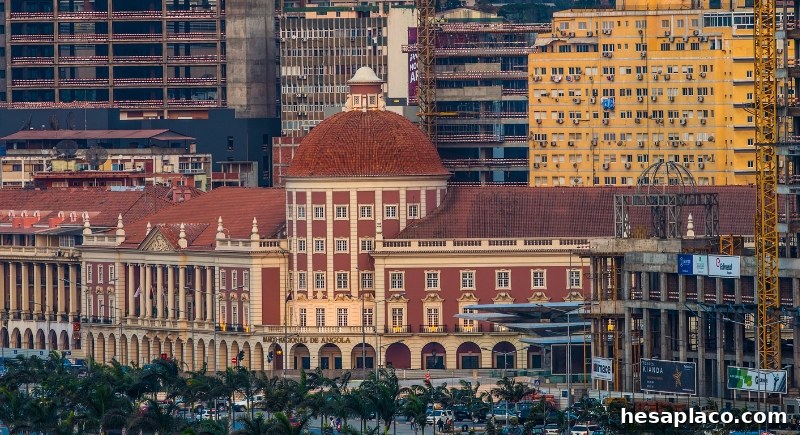
Angola — $3.62 Billion Owed
Credit: Getty Images
Angola is among the largest IMF borrowers in sub-Saharan Africa, owing around $3.62 billion. The state’s heavy reliance on oil revenue left it vulnerable when global oil prices fell. IMF support has been tied to commitments to cut public spending, reform the oil sector and diversify the economy away from an overdependence on petroleum.
Sri Lanka — $1.7 Billion Owed

Credit: Getty Images
Sri Lanka’s financial crisis culminated in a sovereign default in 2022. As of 2025, its IMF obligation was approximately $1.7 billion. The IMF program has required restructuring external debt, tightening public spending and implementing reforms to restore macroeconomic stability. Political upheaval accompanied the economic turmoil, underscoring the social costs of the crisis.
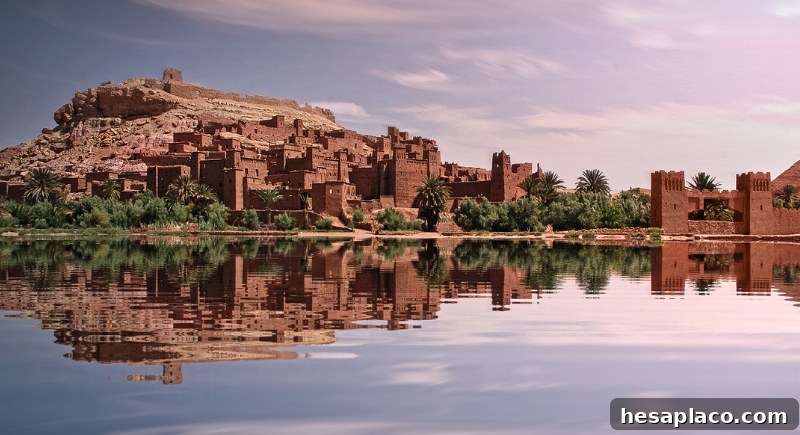
Morocco — $937 Million Owed
Credit: pexels
Morocco’s borrowing—about $937 million—came through the IMF’s Flexible Credit Line, a precautionary facility that provides access to funds if market conditions worsen. The country tapped this support during the COVID-19 shock to help cushion the economy. While such facilities carry less stigma than standard bailout programs, they still involve close IMF monitoring of policies.
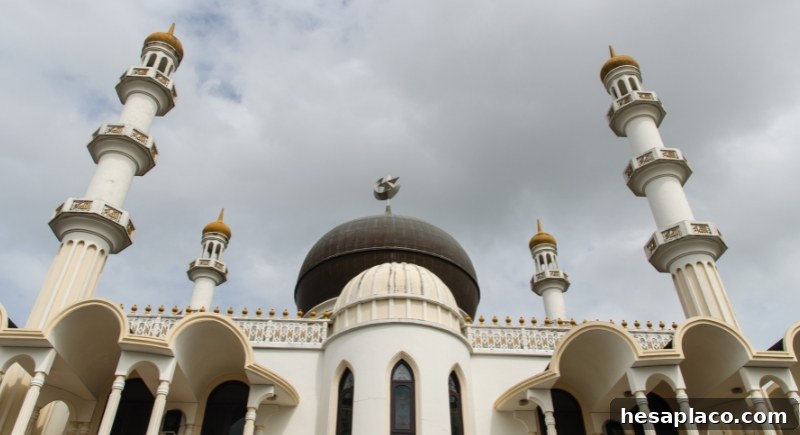
Suriname — $430 Million Owed
Credit: Getty Images
Suriname’s IMF balance—about $430 million—may be modest in absolute terms, but it represents a significant burden relative to the country’s economic size. At roughly 13 percent of GDP, the IMF loan reflects severe fiscal strain caused by declines in gold and oil exports and rapid inflation that eroded living standards.
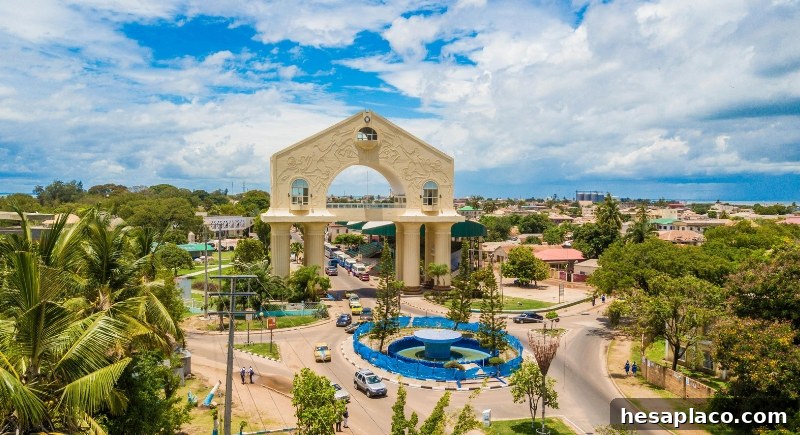
The Gambia — $126 Million Owed
Credit: pexels
The Gambia’s IMF balance is relatively small in absolute dollar terms—about $126 million—but it is large relative to the country’s economy. The government accepted conditions to lower fiscal deficits and strengthen public financial management. Some recovery has followed, though progress remains fragile and dependent on sustained fiscal discipline and governance improvements.
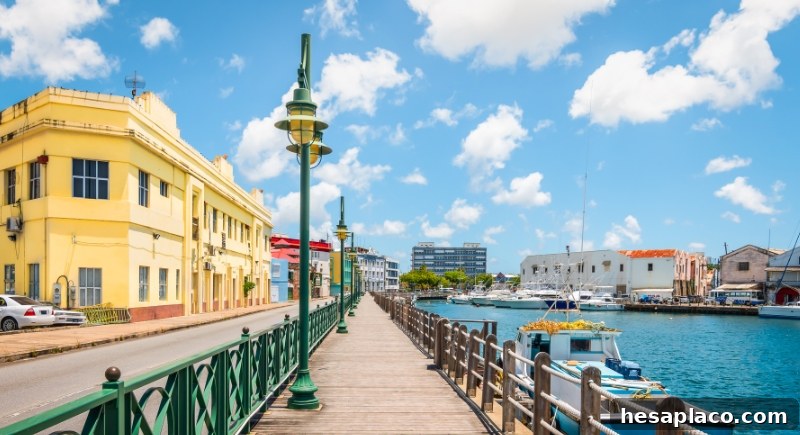
Barbados — $409 Million Owed
Credit: Getty Images
Barbados, a small island economy, owes just over $400 million to the IMF following a comprehensive debt restructuring in 2018 and an Extended Fund Facility arrangement. The program included pension and tax reforms and measures to reduce deficits. Barbados’s experience shows that IMF-supported programs can be coupled with decisive domestic reforms and can lead to sustainable recovery when implemented effectively.