
Robert Herjavec, a cybersecurity entrepreneur who sold his first company to AT&T for $30 million and became a household name as one of the original investors on Shark Tank, built a public image of success that masked deep personal struggle. Born in Croatia and raised in Canada, he went from handing out newspapers to founding Herjavec Group, one of North America’s leading cybersecurity firms. Yet behind the trophies and television appearances, he experienced a painful personal breakdown. His recovery was not the result of a simple motivational slogan or luck; it involved redefining progress and meaning after significant loss.
The lessons from his life and career offer practical guidance for anyone trying to build something sustainable, especially after losing footing. These principles focus less on image and more on disciplined habits, perspective shifts, and intentional relationships.
Public Wins Didn’t Prevent Private Breakdowns

Credit: Wikimedia Commons
By 2014, Herjavec appeared to have stability: financial resources, high visibility, and business credibility. But during a painful divorce he made choices that led to emotional collapse and a loss of direction. His experience highlights a hard truth: prestige and recognition cannot substitute for inner stability when life fractures.
Early Poverty Taught Him Not to Internalize Lack

Credit: freepik
Arriving in Canada as a child refugee and living in a basement apartment with his parents, Herjavec didn’t speak English and wore secondhand clothing. Even in hardship, he refused to let poverty define him; he treated his circumstances as temporary. That mindset—seeing struggle as situational rather than identity-defining—became a durable asset during later setbacks.
Faith Re-Emerged Through Serving Others

Credit: pexels
At his lowest, a friend encouraged him to volunteer at a Seattle homeless mission. He went reluctantly, but the experience helped restore perspective. Serving others allowed him to rebuild faith and purpose from the outside in—by showing up for people when his own life felt unmoored, he discovered meaning that inner reflection alone had not provided.
Setbacks Revealed Hidden Gaps

Credit: Canva
Rejection, firings, and failed bets were frequent in his early career, and each failure exposed a gap that he hadn’t noticed while things were going well. When he was fired from a job selling IBM systems, instead of giving up he started BRAK Systems from his basement. He learned that avoiding failure slows growth, while learning from it accelerates development.
Learning to Say No Protected His Focus

Credit: Canva
Early on he said yes to nearly every opportunity, meeting, and favor, hoping everything would lead somewhere. That approach made him accessible but fragmented his attention. Over time he learned to decline requests that didn’t align with his core goals or values, protecting his time and focus for the work that mattered most.
Joy Became Non-Negotiable After Burnout

Credit: Getty Images
He previously pushed through exhaustion, measuring success by output even when it left him drained. Recovery required prioritizing activities that generated energy and satisfaction. By reshaping his schedule around what brought joy and sustained him, rather than chasing metrics alone, he found a more sustainable rhythm.
Sales Experience Built Long-Term Leverage

Credit: Getty Images
A job at a retailer like Harry Rosen taught him how to read people, ask better questions, and build trust with clients. He took the job initially to afford a discounted suit, but the skills he learned—how to sell to high-net-worth customers and observe buying signals—became foundational assets he could apply later at scale.
Hard Work Without Leverage Stalls Growth

Credit: Getty Images
Watching his father work long factory shifts without accumulating wealth taught Herjavec the limits of effort that lacks leverage. He began to ask not just how hard he was working, but what that work produced. Shifting toward activities that created leverage—systems, teams, and scalable offerings—multiplied his returns on effort.
Redirecting Energy Outward Improved Results
Credit: flickr
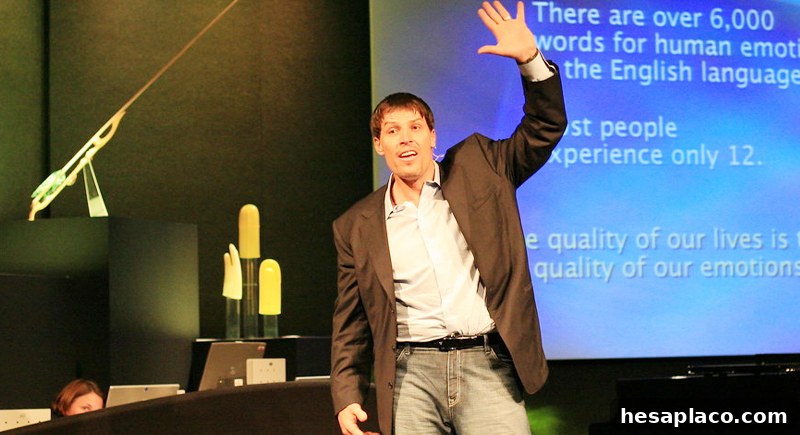
At a Tony Robbins seminar he realized the problem was less about ambition and more about its direction. Much of his energy had been aimed at personal milestones; redirecting that intensity toward developing his team and organization produced better, longer-lasting outcomes.
Curiosity Replaced Pressure as His Motivator

Credit: flickr
After selling his first company, the pressure to prove himself eased and curiosity took over. He began exploring industries and topics outside his immediate expertise, treating learning as an engine that kept his mind engaged and adaptable rather than letting the fear of failure drive every decision.
Possessions Failed to Deliver Lasting Satisfaction

Credit: pexels
Purchasing a Ferrari felt like an achievement until he saw a neighbor’s garage full of Porsches. The symbolic value he had attached to the car evaporated, revealing that material purchases often satisfy expectations that were never realistic. That realization changed how he measured success and reduced the weight he put on possessions.
Mentorship Rewired His Sense of Scale

Credit: Getty Images
Early mentorship shaped his thinking in concrete ways. At 25, working under Warren Avis, he was challenged to rethink sales. Avis pointed to a hot dog vendor and said Herjavec was pushing product like that vendor; if he wanted to build something meaningful, he needed to supply the vendors, not just be one more seller. That lesson reframed how he approached scale and ownership.
Chronic Work Habits Masked Deeper Problems

Credit: Getty Images
Busy-ness had become a defensive mechanism: staying productive to avoid discomfort rather than to advance meaningful goals. Stepping back forced him to confront difficult questions he had been avoiding. In the end, rebuilding required doing less on purpose and addressing the personal issues beneath the activity.
Recognition Gave Way to Results That Last

Credit: Getty Images
Early in his career external validation helped him feel like he was making progress. Over time he shifted focus to outcomes that didn’t generate applause—better hiring decisions, stronger systems, and reliable teams. Those quieter investments produced sustained value and were less dependent on others’ approval.
Action Became the Only Reliable Starting Point

Credit: Getty Images
Herjavec rarely waited to feel ready. He moved because bills needed paying and opportunities were perishable. He made calls, attended meetings, and kept routines—workouts and small daily habits—even when doubt lingered. Those modest actions accumulated into momentum and became the foundation for later ventures.
Don’t Wait Until You’re Ready to Start

Credit: Canva
Robert Herjavec did not wait for perfect readiness to begin building businesses. He started because circumstances demanded it and opportunities were time-sensitive. Each job and each risk led to more confidence. Waiting for an ideal moment would likely have kept him stuck in someone else’s office indefinitely.
Treat Everyone With Respect Because You Never Know Who Is Watching

Credit: pexels
Herjavec emphasizes reputation not as a networking façade but as a record of how people are treated over time. Small daily interactions—how you speak to receptionists, junior staff, and unseen contributors—carry weight. People remember who treated them with dignity before success arrived, and those memories shape long-term relationships and opportunities.
Taken together, these lessons show that building lasting success requires more than ambition and public wins. It requires humility, consistent action, attention to people, and a willingness to learn from failure. Redefining goals away from external validation and toward durable systems and relationships created both resilience and lasting results in Herjavec’s life. For anyone rebuilding after a collapse, the path forward is less about dramatic reinvention and more about steady, intentional adjustments that prioritize meaning, leverage, and the people who help sustain you.