
It may be premature to say that robots are outright replacing human workers. While automation plays a role, many occupations are declining because of shifting industry needs, changing consumer behavior, and technological evolution. Some positions are diminishing as companies pivot to new products and services or as demand drops in specific sectors.
Chemical plant operators and railroad workers are examples of occupations seeing declines as plants change processes and freight patterns shift. Jobs in the postal service, insurance, retail, and other traditional fields have also been shrinking, according to the Bureau of Labor Statistics (BLS). Many of these roles historically paid median wages between roughly $40,000 and $75,000 and required anywhere from a high school diploma to a bachelor’s degree.
At the same time, the labor market is clearly moving toward technology and healthcare. Software, artificial intelligence, renewable energy, and medical occupations are among the fastest-growing areas. Below we outline a dozen declining occupations followed by a dozen that are gaining momentum.
On the Decline: Insurance Underwriters
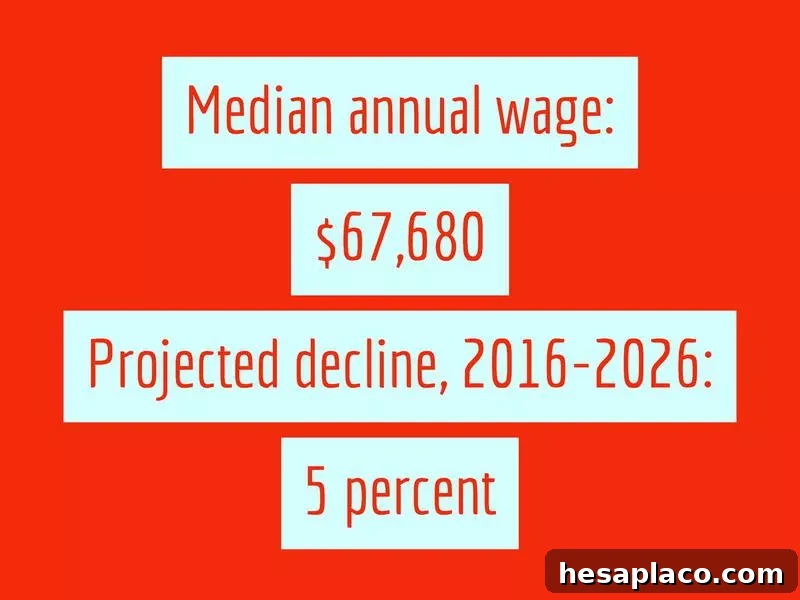
Insurance underwriters assess applications, decide coverage terms, and set premiums. Automated underwriting software has streamlined much of this work, reducing the need for a large human workforce. In 2016 the median annual wage for insurance underwriters was $67,680, and the BLS projected employment to decline about 5 percent from 2016 to 2026.
On the Decline: Labor Relations Specialists
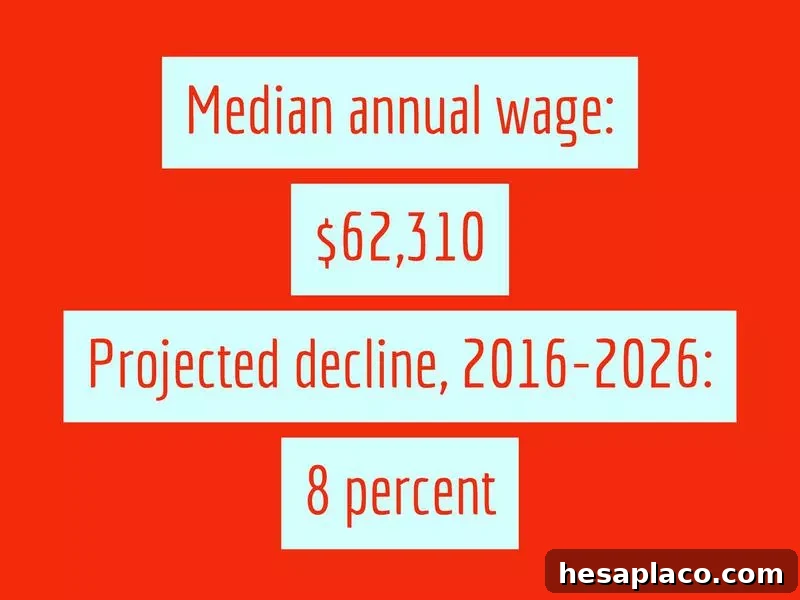
Labor relations specialists administer labor contracts and handle union-related matters. With union membership trending lower in many industries, the BLS projected an 8 percent employment decline through 2026. The median annual wage in May 2016 was $62,310.
On the Decline: Chemical Plant and System Operators
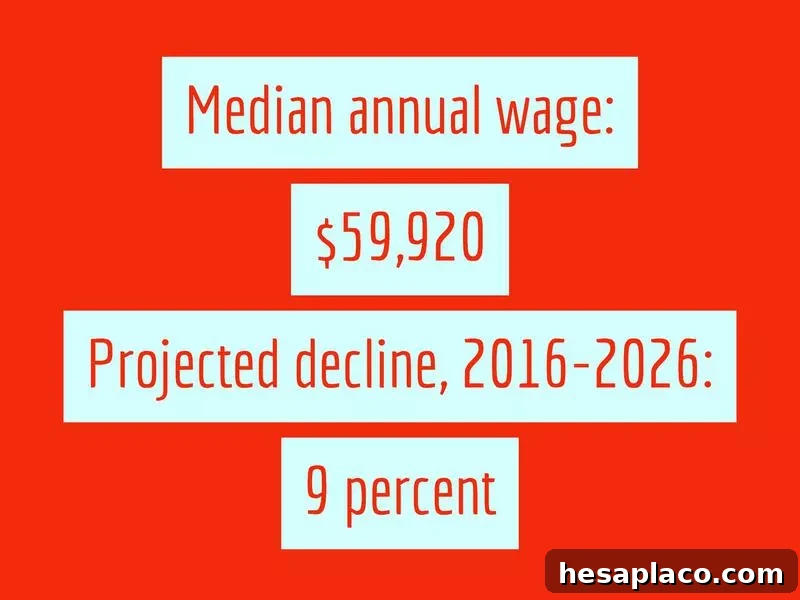
Chemical plant and systems operators control chemical processes and machinery. In 2016 there were about 33,200 jobs in this field with a median wage of $59,920. As firms shift manufacturing priorities and pursue greener processes, employment for these operators was expected to fall by about 9 percent through 2026.
On the Decline: Postal Service Mail Carriers
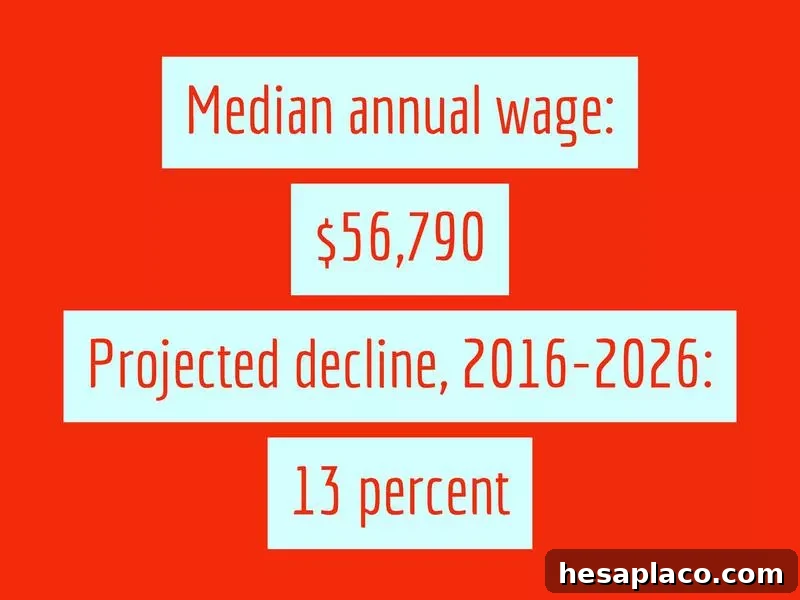
Postal service employment — from delivery drivers to sorters — is declining as automated sorting systems spread and mailing volumes change. The BLS projected an overall 13 percent drop in postal jobs through 2026. The median annual wage for postal workers in May 2016 was $56,790. Some openings will occur as older workers retire, but competition for those roles remains strong.
On the Decline: Railroad Workers
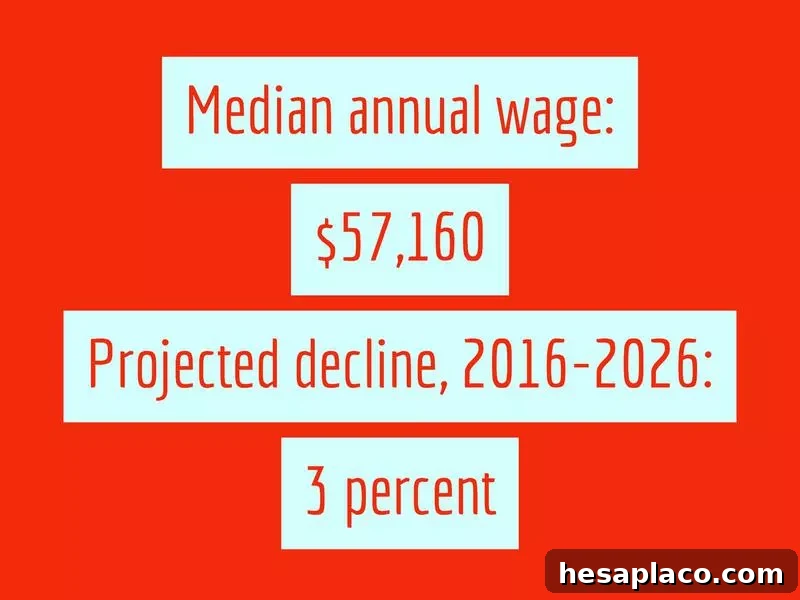
Locomotive engineers, conductors, and rail yard operators ensure the safe, reliable movement of trains. Shifts in freight demand — such as reduced coal shipments as natural gas and renewable energy replace fossil fuels — and broader transportation changes have contributed to a projected 3 percent employment decline through 2026. The median annual wage for railroad workers was $57,160 in May 2016.
On the Decline: Secretaries and Executive Administrative Assistants
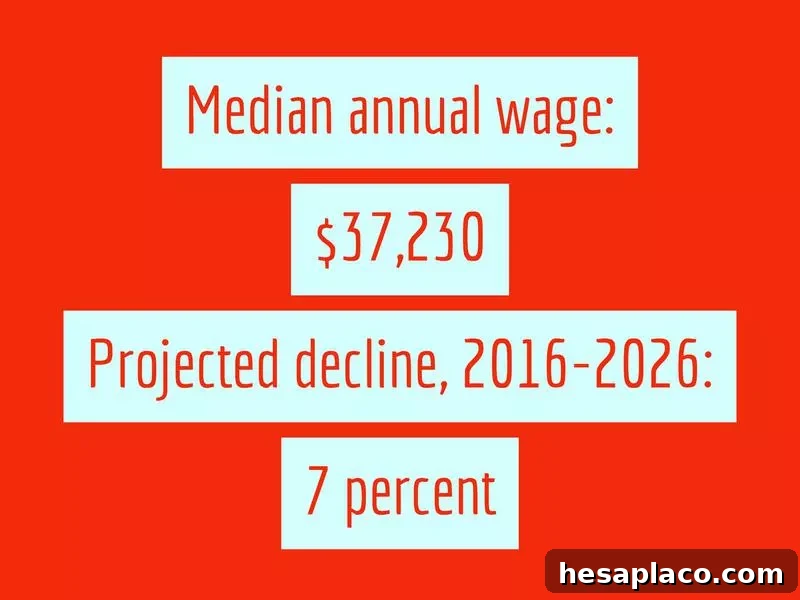
Routine clerical and administrative duties are increasingly automated by software, voice assistants, and scheduling apps. In 2016 the median annual wage for secretaries and assistants was $37,230, and the BLS projected a 7 percent decline by 2026.
On the Decline: Machinists, Tool and Die Makers
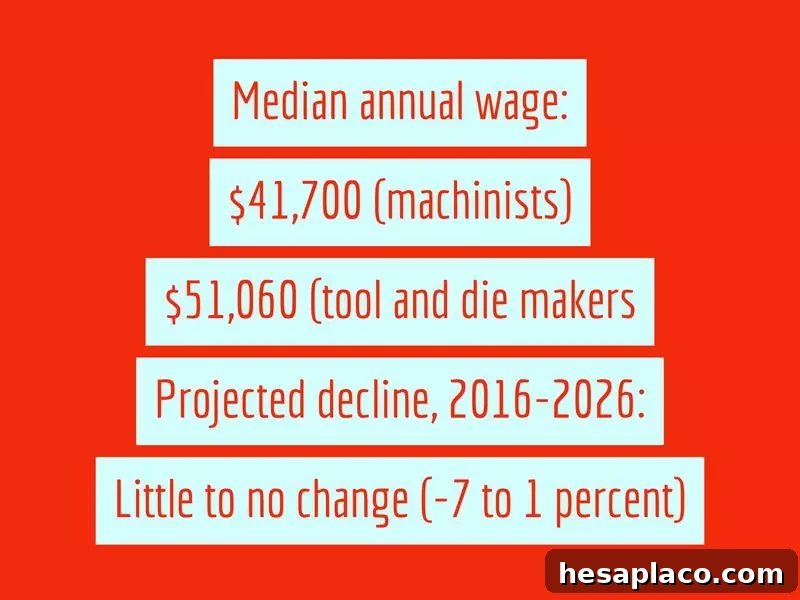
Machinists and tool and die makers create precision metal parts and tools. Wages in May 2016 were about $41,700 for machinists and $51,060 for tool and die makers. The BLS expected little to no growth overall, with a projected 7 percent decline by 2026. However, advanced manufacturing technologies could also create new roles for skilled technicians who operate and maintain automated equipment.
On the Decline: Adult Literacy Teachers
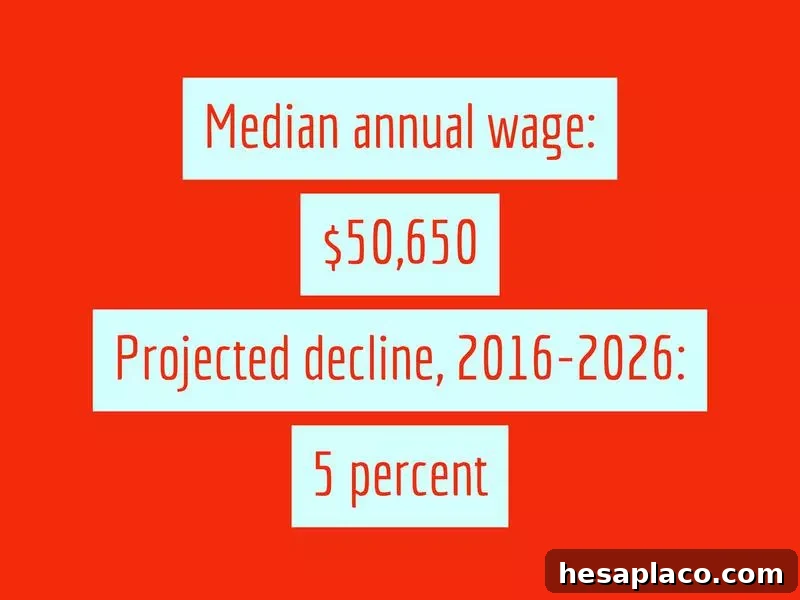
Adult literacy and high school equivalency programs have seen enrollment drops as high school graduation rates rise and funding for adult education fluctuates. In May 2016, the median annual wage for adult literacy and equivalency teachers was $50,650. The BLS projected a 5 percent decline by 2026, influenced by reduced student demand and funding changes.
On the Decline: Advertising Sales Agents
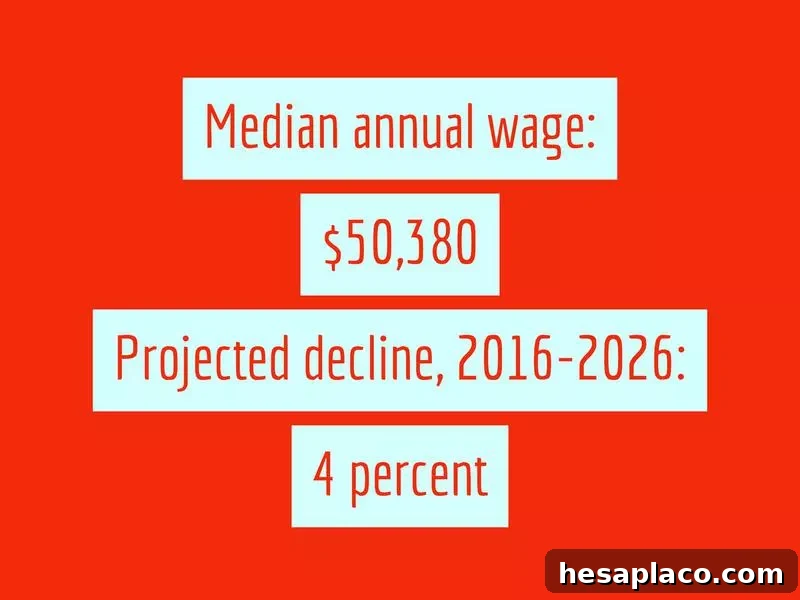
Advertising sales agents sell ad space to businesses and individuals. In 2016 the median annual wage was $50,380. With many media companies moving to digital advertising, the BLS projected a 4 percent decline by 2026, though opportunities may exist for those focusing on internet and digital platforms.
On the Decline: Water and Wastewater Treatment Operators
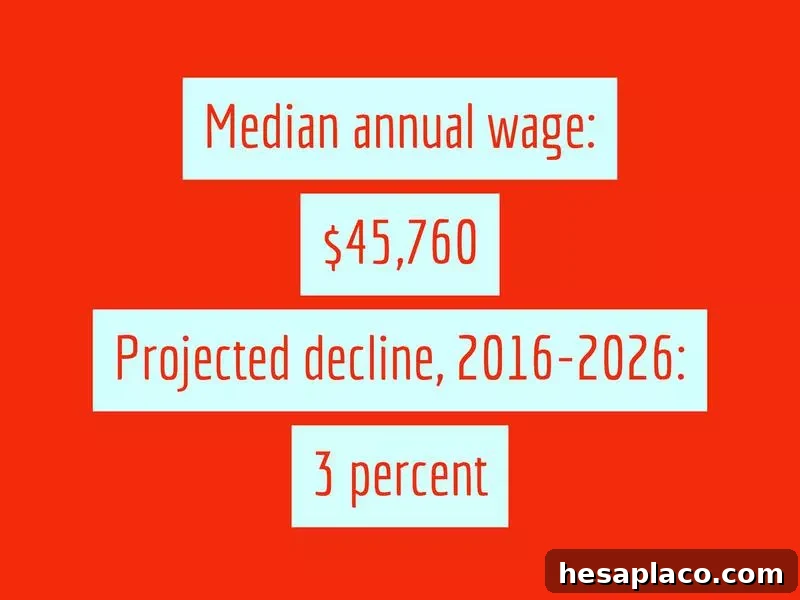
Operators at water and wastewater plants run control systems that treat and transfer wastewater. The median annual wage in May 2016 was $45,760. Automation and advanced control systems are reducing demand for routine operator tasks, and the BLS projected a roughly 3 percent employment dip (about 3,800 jobs) by 2026. Nonetheless, complex systems will still require skilled personnel for oversight and maintenance.
On the Decline: Correctional Officers and Bailiffs
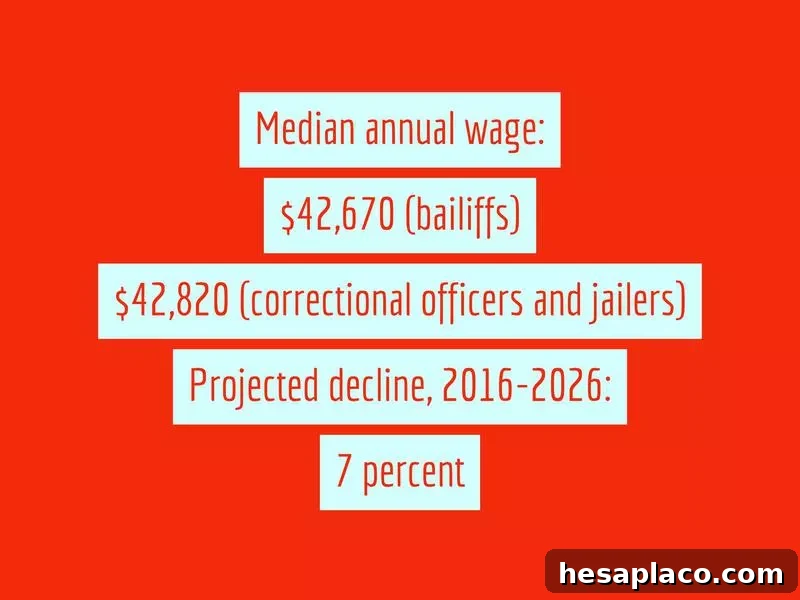
Correctional officer and bailiff roles numbered roughly 468,600 in 2016. Rising incarceration costs and policy shifts toward alternatives to imprisonment have led the BLS to project a 7 percent decline by 2026. Median annual wages in May 2016 were $42,820 for correctional officers and $42,670 for bailiffs. Meanwhile, many law enforcement jobs outside corrections are growing slowly.
On the Decline: Desktop Publishers
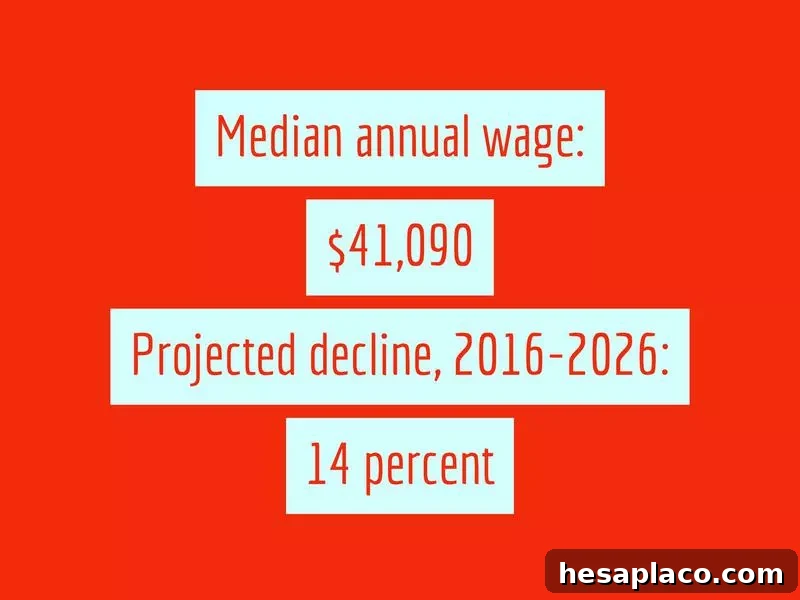
Desktop publishers who design layouts for print publications are seeing declines as organizations move to digital content and hire graphic and web designers instead. The median annual wage in May 2016 was $41,090, and the BLS projected a 14 percent decline by 2026.
On the Decline: Assemblers and Fabricators
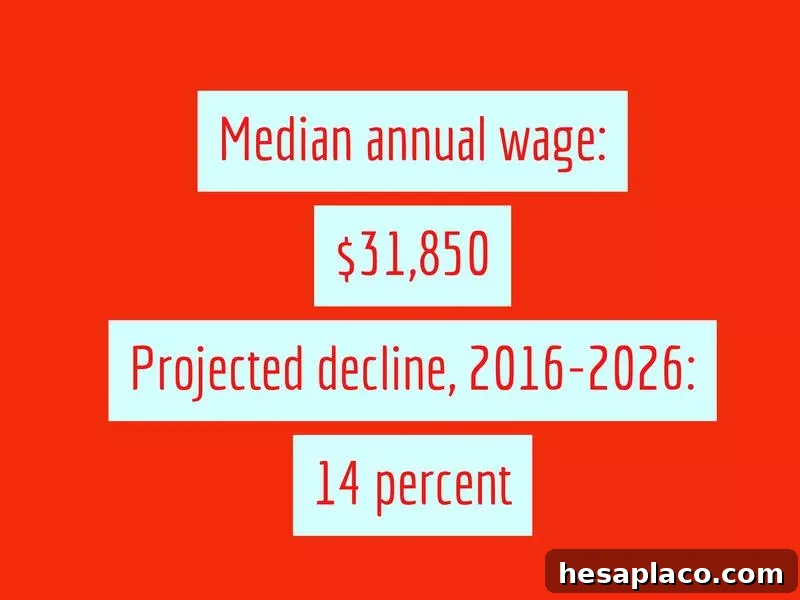
Assemblers and fabricators build parts for machines, electronics, vehicles, and consumer products. The median annual wage was $31,850 in 2017. Productivity gains from automation and collaborative robots are expected to reduce demand, with a projected 14 percent decline over the decade. Many roles require only a high school diploma, though experience and training are needed for advanced assembly tasks.
On the Decline: Bill and Account Collectors
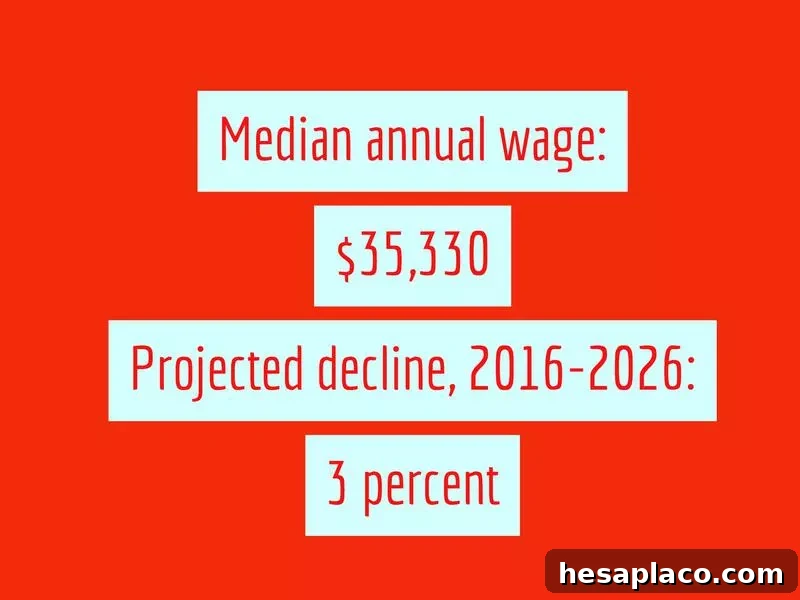
Bill and account collectors negotiate repayment plans and recover overdue payments, often working for third-party agencies. The median annual wage in 2017 was $35,330. With automation and online payment systems handling more of the collection process, the BLS projected a 3 percent decline from 2016 to 2026. Most collectors need a high school diploma and some on-the-job training.
On the Decline: Buyers and Purchasing Agents
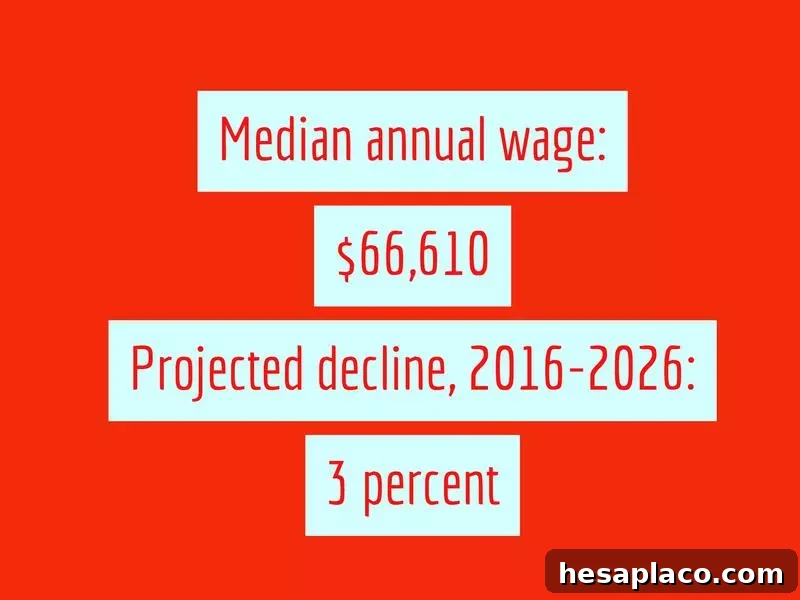
Buyers and purchasing agents procure goods and services for organizations. In 2017, the median annual wage for purchasing-related roles was $66,610. Many buyers hold a bachelor’s degree and purchasing managers usually need several years of experience. Outsourcing and automated procurement systems are expected to contribute to a projected 3 percent employment decline from 2016 to 2026.
On the Decline: Secretaries and Administrative Assistants
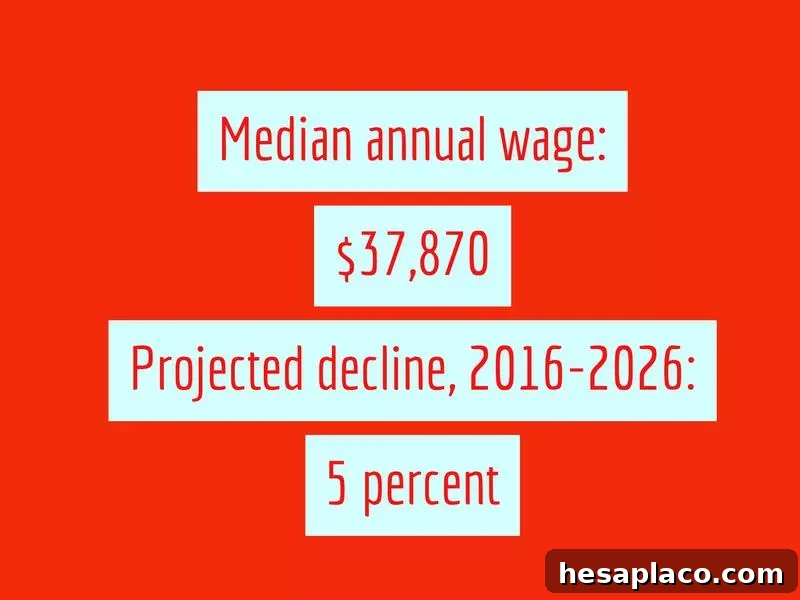
Performing routine office tasks such as filing, scheduling, and document preparation, secretaries and administrative assistants earned a median annual wage of $37,870 in 2017. High school graduates with software skills commonly qualify for entry-level roles. The BLS projected a 5 percent employment decline from 2016 to 2026 as many administrative tasks become automated.
On the Decline: Quality Control Inspectors
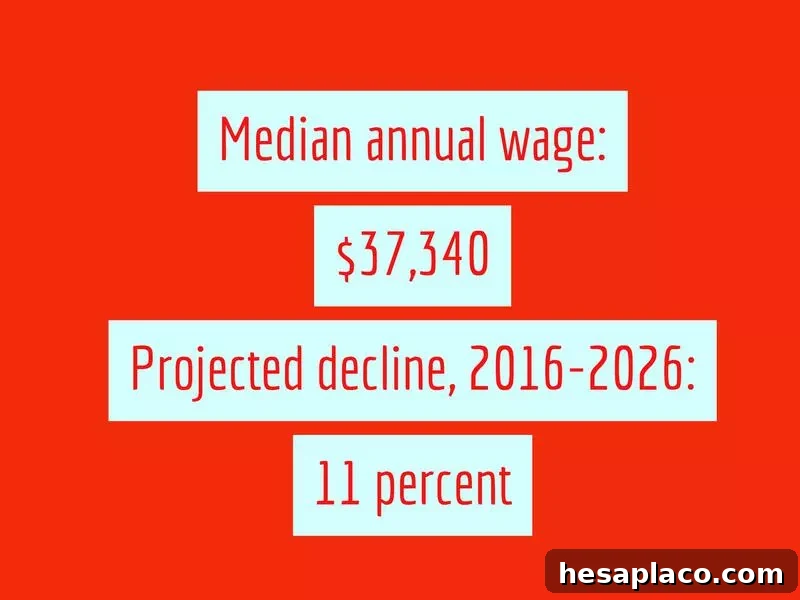
Quality control inspectors check products for defects and ensure specifications are met. The median annual wage in 2017 was $37,340. Advances in automated inspection technologies are expected to reduce demand, with the BLS projecting an 11 percent decline through 2026. Still, inspectors with skills in operating and interpreting automated systems may remain in demand.
On the Decline: Insurance Underwriters (repeated)
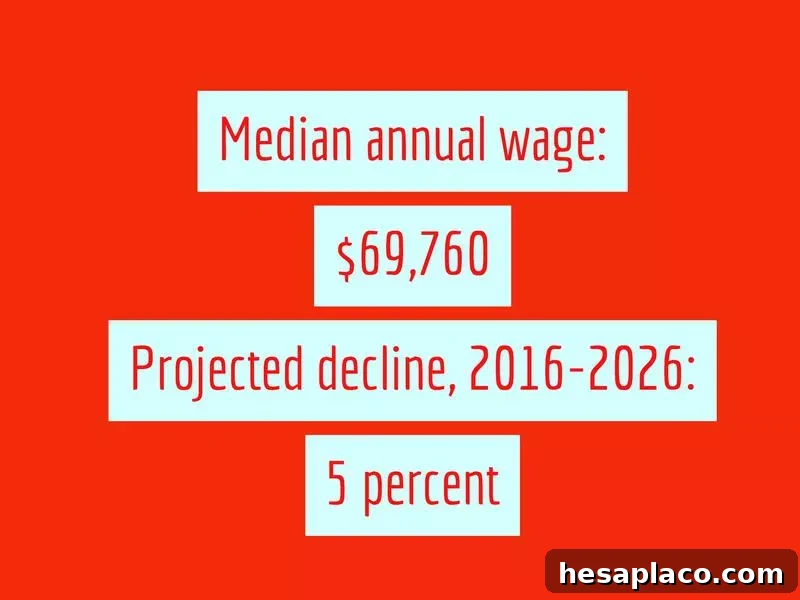
Insurance underwriters, who evaluate risk and set policy terms, had a median annual wage of $69,760 in 2017. Employers often prefer candidates with a bachelor’s degree and certifications for advancement. Automated underwriting continues to reduce demand, with a projected 5 percent decline through 2026.
On the Decline: Jewelers and Metal Workers
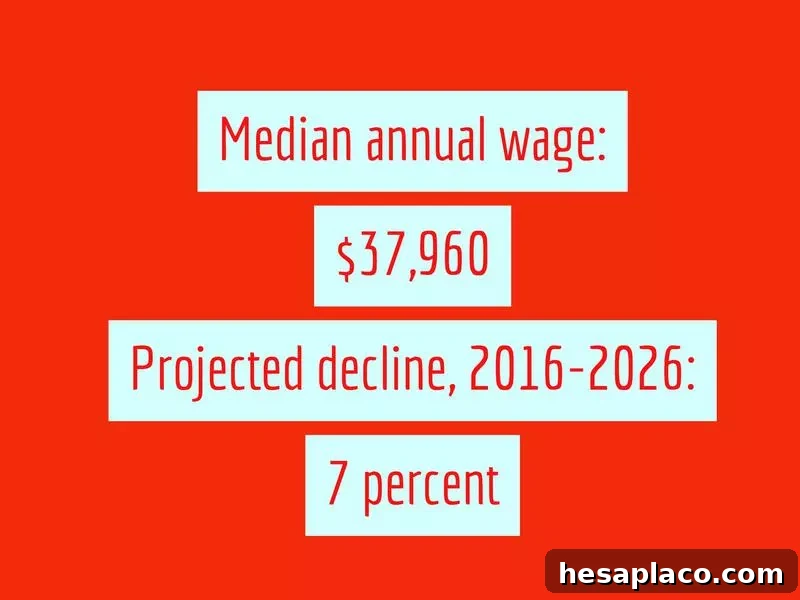
Jewelers and precious metal workers design, repair, and appraise jewelry. The median annual wage in 2017 was $37,960. Most enter the trade with a high school diploma and learn skills through on-the-job training. The BLS projected a 7 percent decline from 2016 to 2026 for this occupation.
Now the Good News: Where the Jobs Are Growing

The panels from Tampa Electric Company’s Big Bend Solar Station in Gibsonton, Fla. power about 3,000 homes in the area. Solar panel installation is among the fastest-growing occupations in the U.S. economy over the next decade.
The BLS projects strong growth in renewable energy, healthcare, data and technology-related occupations over the coming decade. Solar photovoltaic installers, wind turbine service technicians, home health aides, and software developers top the list of fastest-growing jobs. An aging workforce and an expanding population of older adults will also drive demand for healthcare and therapeutic services.
Below are a dozen occupations expected to see significant growth.
On the Rise: Solar Photovoltaic Installers
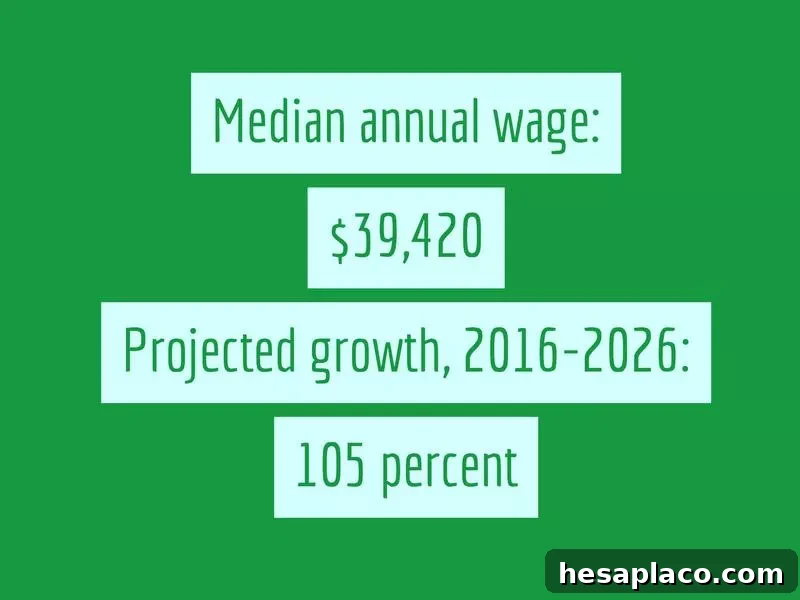
PV installers assemble, install, and maintain solar panel systems on roofs and other structures. Most workers need a high school diploma and receive up to a year of on-the-job training; technical courses can also help. The median annual wage in May 2016 was $39,240. Employment was projected to grow about 105 percent from 2016 to 2026 as solar adoption expands.
On the Rise: Wind Turbine Service Technicians
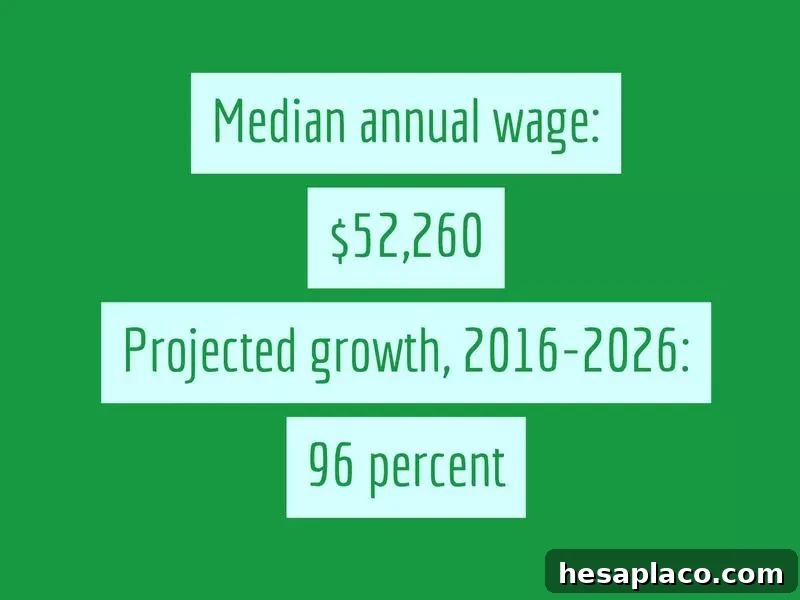
Wind turbine technicians install, maintain, and repair turbines, often working outdoors and at height. Many complete technical school programs and receive on-the-job training. The median annual wage in May 2016 was $52,260. The BLS projected about 96 percent growth from 2016 to 2026 as wind energy capacity increases.
On the Rise: Home Health Aides
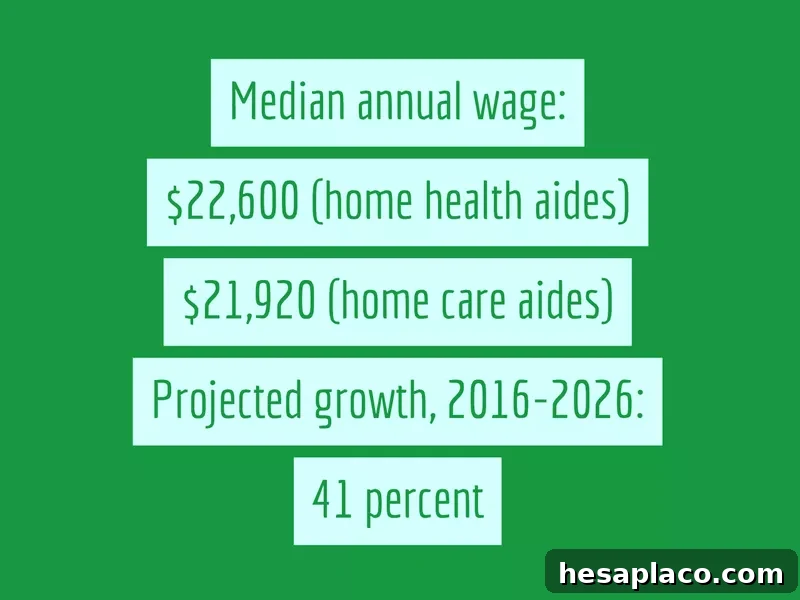
Home health and personal care aides assist people with disabilities, chronic conditions, or age-related needs. Training requirements vary by state; some roles require formal training and testing in certified agencies. Median wages in May 2016 were $22,600 for home health aides and $21,920 for personal care aides. Employment was projected to grow about 41 percent from 2016 to 2026, driven by the aging population.
On the Rise: Mathematicians and Statisticians
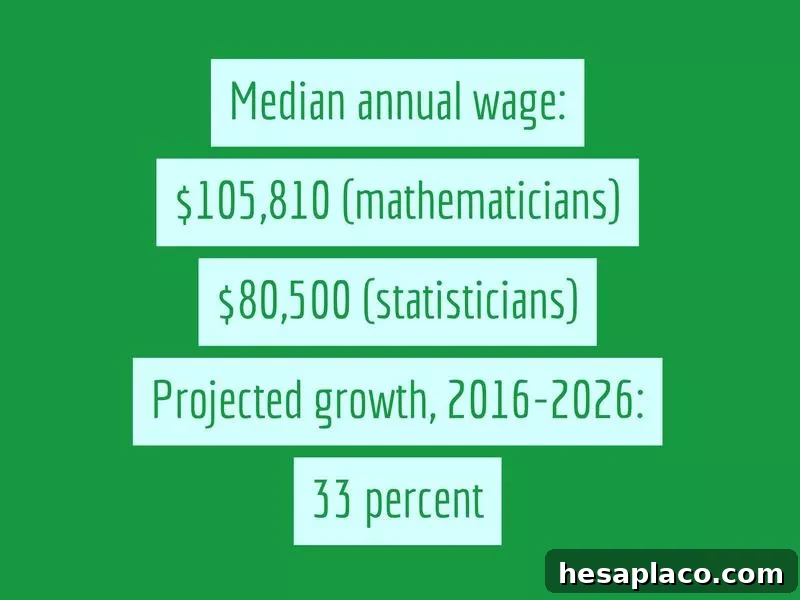
Mathematicians and statisticians analyze data to solve practical problems across business, healthcare, engineering, and government. Many roles require a master’s degree, though some positions accept a bachelor’s degree. Median annual wages in May 2016 were $105,810 for mathematicians and $80,500 for statisticians. Employment was projected to grow about 33 percent from 2016 to 2026 due to increased demand for data analysis.
On the Rise: Nurse Practitioners
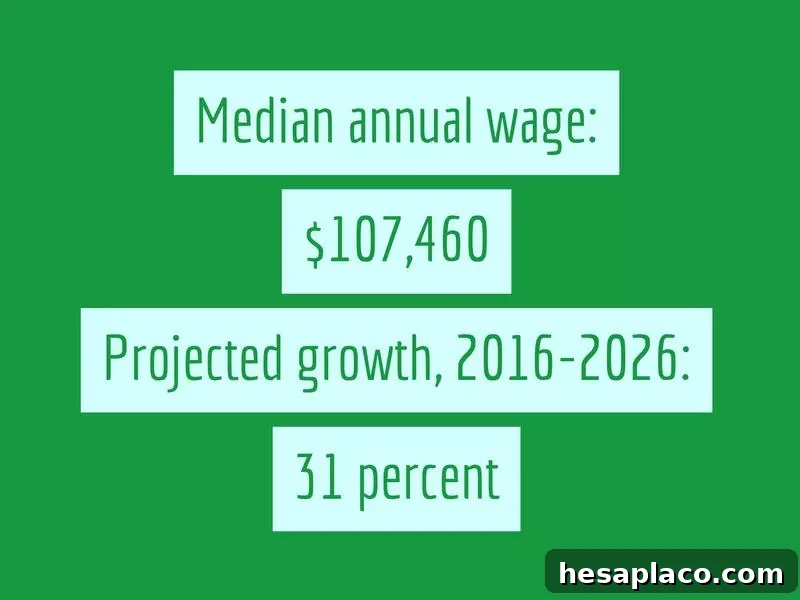
Advanced practice registered nurses (APRNs) — including nurse practitioners, nurse anesthetists, and nurse midwives — provide primary and specialty care in various settings. APRNs need at least a master’s degree, state licensure, and national certification. The median annual wage for these roles in May 2016 was $107,460. The BLS projected about 31 percent growth through 2026 as demand for preventive and primary care rises.
On the Rise: Physical Therapist Assistants
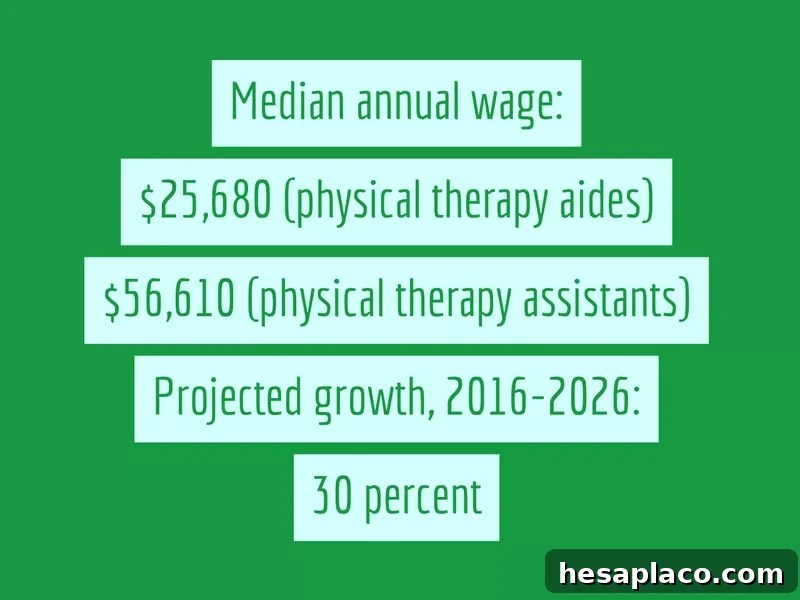
PTAs and aides support physical therapists in helping patients regain mobility and manage pain. PTAs require an accredited associate degree and licensure or certification; aides typically have a high school diploma and on-the-job training. Median wages in May 2016 were $56,610 for assistants and $25,680 for aides. Employment was projected to grow about 30 percent from 2016 to 2026 due to increased demand for rehabilitation services.
On the Rise: Medical Assistants
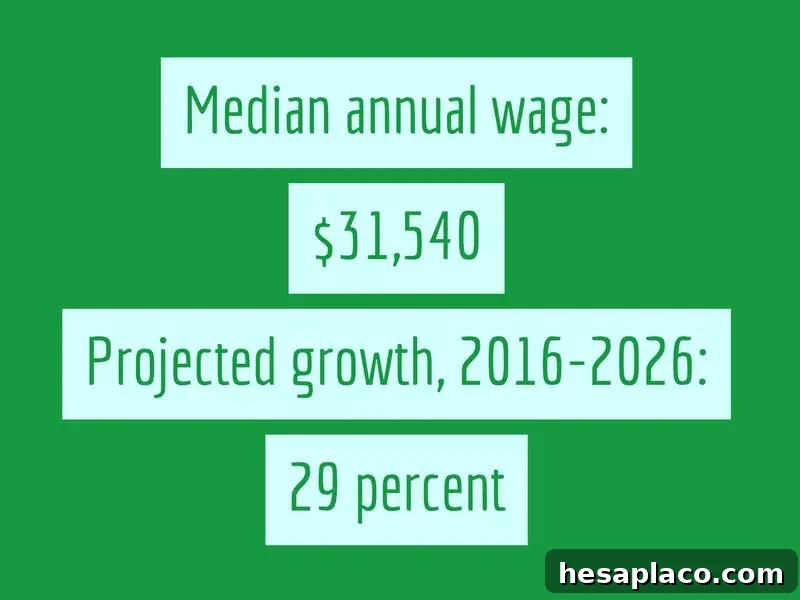
Medical assistants perform administrative and clinical tasks in doctors’ offices, clinics, and hospitals. Many complete postsecondary certificates, while others train on the job. The median annual wage in May 2016 was $31,540. Employment was projected to grow about 29 percent through 2026 as preventive and outpatient services expand.
On the Rise: Genetic Counselors
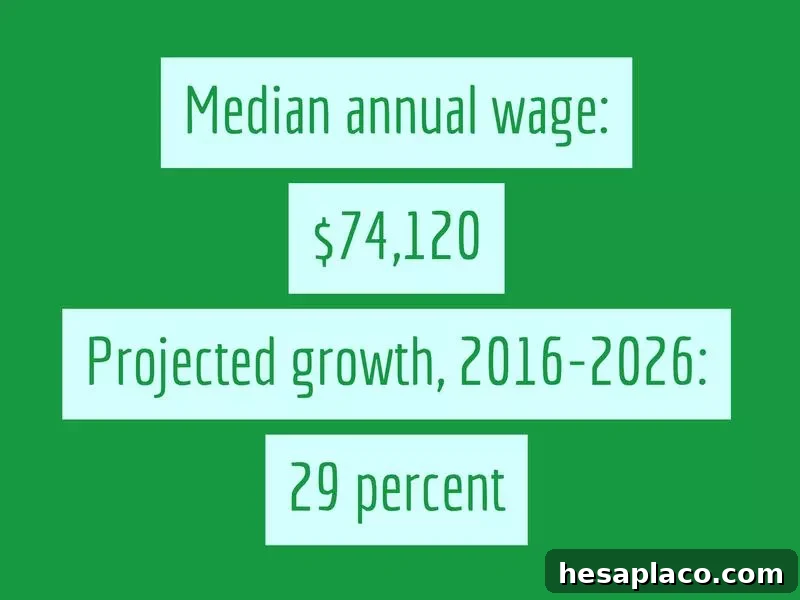
Genetic counselors assess inherited condition risks and support patients and families. Most require a master’s degree and board certification. The median annual wage in May 2016 was $74,120. Employment was projected to grow about 29 percent from 2016 to 2026 as genomics and diagnostic testing expand.
On the Rise: Occupational Therapy Assistants
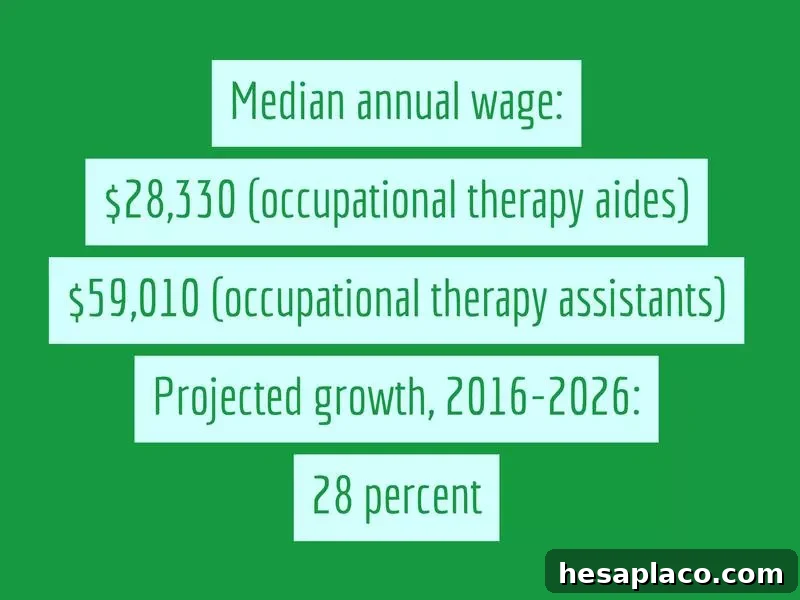
OT assistants and aides help patients develop and maintain daily living and work skills under the supervision of occupational therapists. Assistants typically need an accredited associate degree and state regulation; aides usually need a high school diploma and on-the-job training. Median wages in May 2016 were $59,010 for assistants and $28,330 for aides. Employment was projected to grow about 28 percent through 2026.
On the Rise: Software Developers
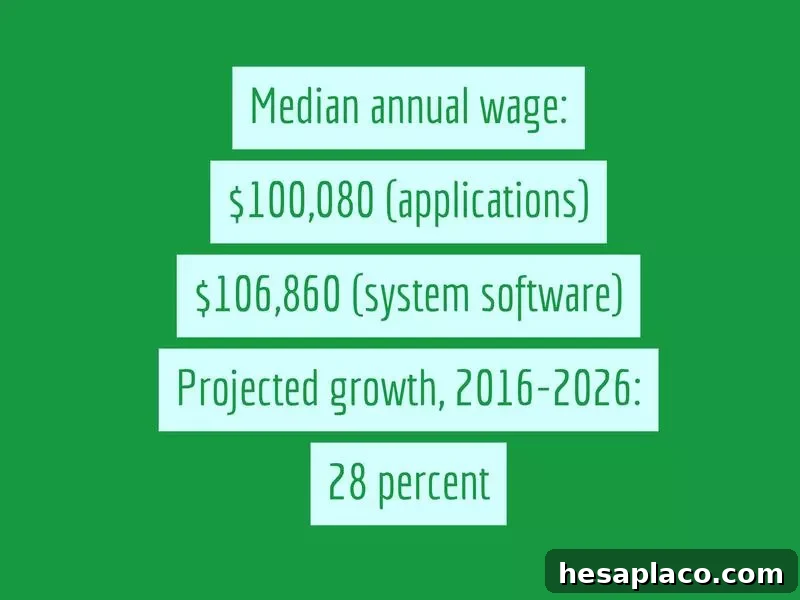
Software developers create applications and systems software that run devices and networks. Most hold bachelor’s degrees in computer science and strong programming skills. Median annual wages in May 2016 were $100,080 for applications developers and $106,860 for systems software developers. The BLS projected about 24 percent growth from 2016 to 2026 to meet increasing software demand.
On the Rise: Mental Health and Substance Abuse Social Workers
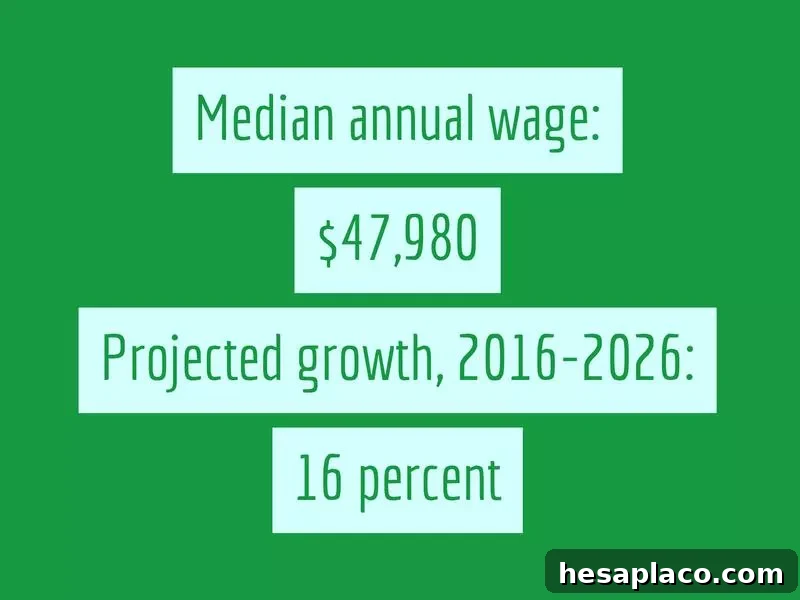
These social workers diagnose and treat mental and behavioral health issues and support clients in coping with life challenges. Median annual wages for social workers were $47,980 in 2017. Clinical social workers require a master’s degree and supervised clinical experience; many positions require licensure. Employment was projected to grow about 16 percent from 2016 to 2026, driven by rising demand for mental health services.
On the Rise: Massage Therapists
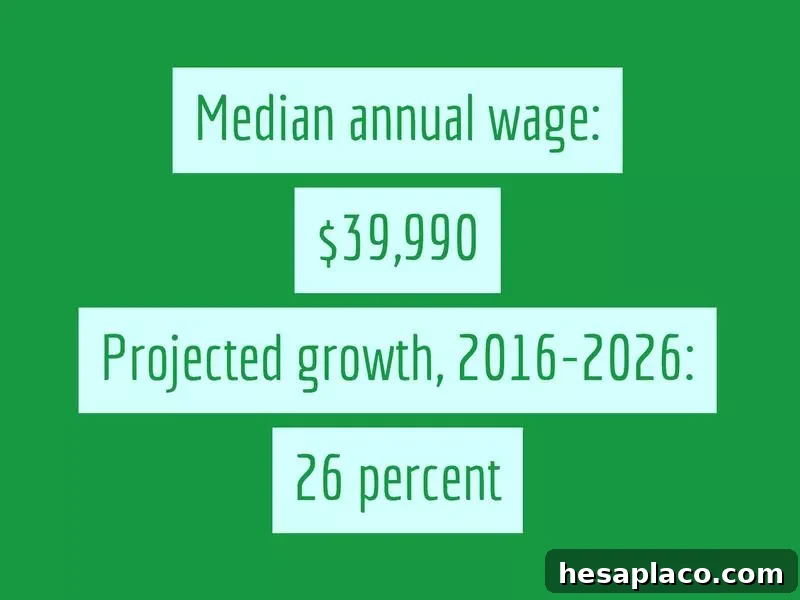
Massage therapists relieve pain, aid recovery, reduce stress, and promote wellness. In 2017 the median annual wage was $39,990. Training typically involves a postsecondary program of 500 or more hours, and many states require licensure or certification. Employment was projected to grow about 26 percent from 2016 to 2026.
On the Rise: Market Research Analysts
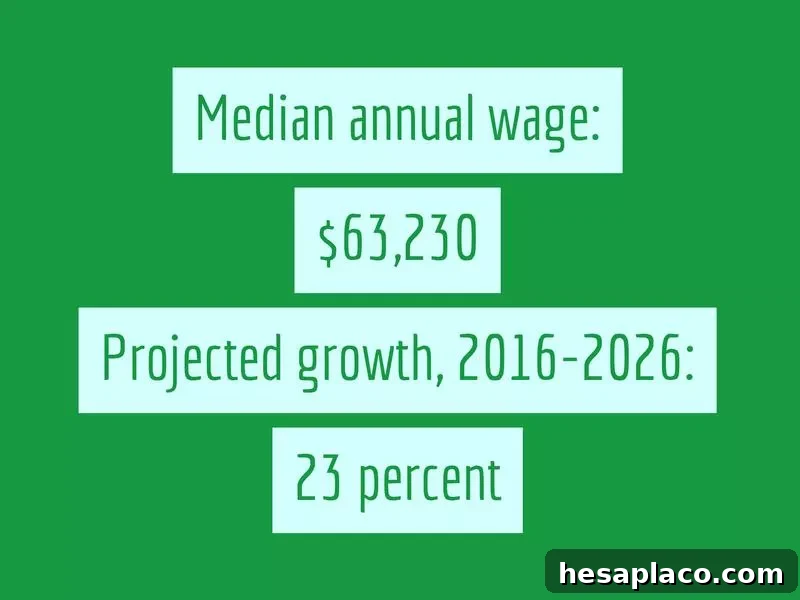
Market research analysts study market conditions to help companies decide what to sell, who will buy it, and at what price. The median annual wage in 2017 was $63,230. Most positions require at least a bachelor’s degree and strong analytical skills. The BLS projected 23 percent growth from 2016 to 2026 as data-driven decision-making spreads across industries.
On the Rise: Interpreters and Translators
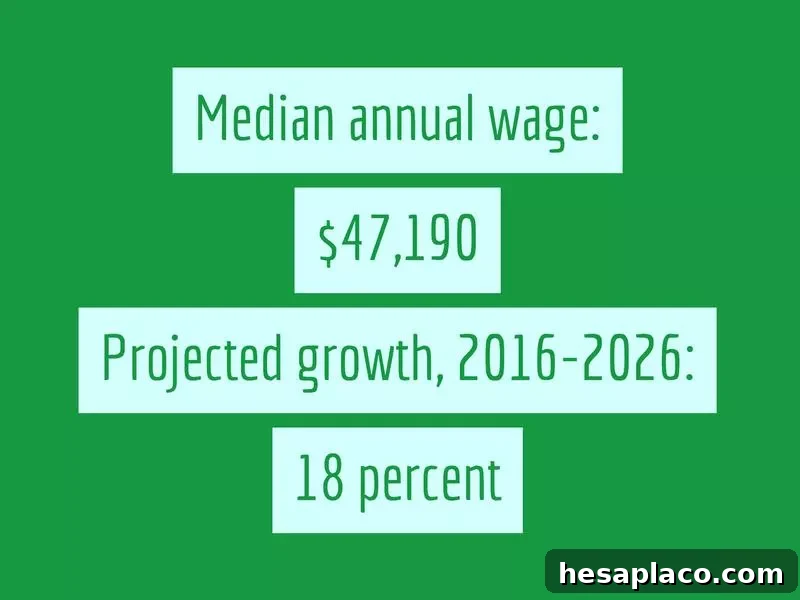
Interpreters and translators convert speech or text between languages. Median annual wages in 2017 were $47,190. They work in schools, hospitals, courts, conference centers, and remote settings. While many roles require a bachelor’s degree, native-level proficiency in English and another language is often the most important qualification. Employment was projected to grow about 18 percent from 2016 to 2026 as the U.S. becomes more linguistically diverse.
On the Rise: Information Security Analysts
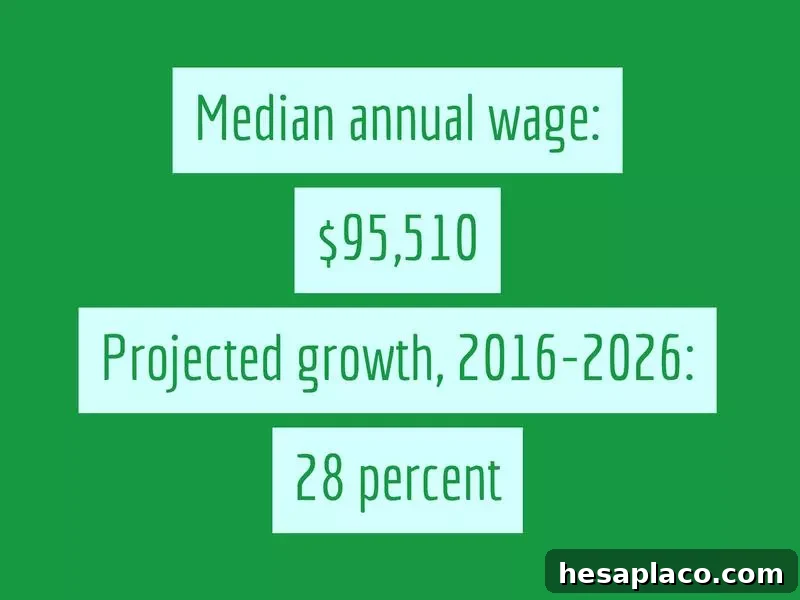
Information security analysts protect networks and systems from cyberattacks. The median annual wage in 2017 was $95,510. Most positions require a bachelor’s degree in a computer-related field and relevant experience. The BLS projected about 28 percent growth from 2016 to 2026 as organizations invest more in cybersecurity.
On the Rise: Fundraisers
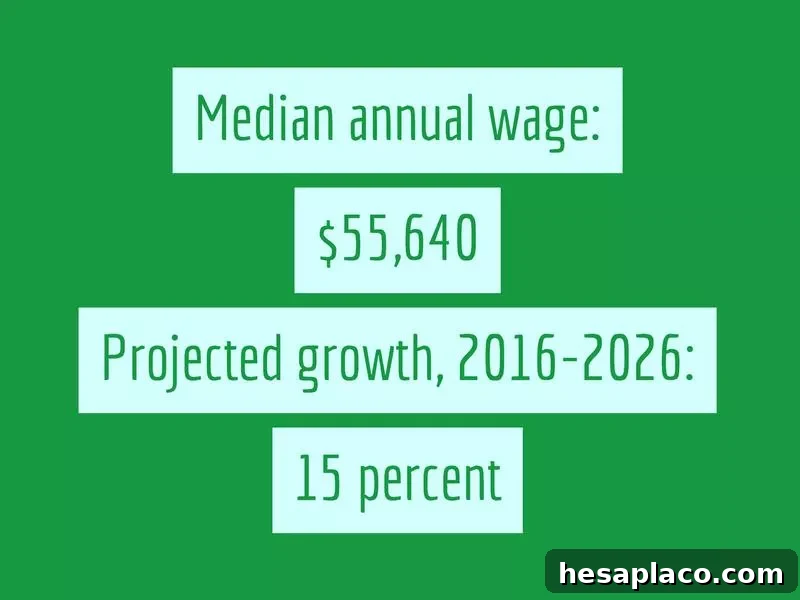
Fundraisers organize campaigns and events to secure donations and support for nonprofit organizations. The median annual wage in 2017 was $55,640. Most fundraisers need a bachelor’s degree and strong communication and organizational skills. Employment was projected to grow about 15 percent from 2016 to 2026, reflecting ongoing fundraising needs across sectors.
On the Rise: Financial Managers
Financial managers oversee an organization’s financial health, prepare reports, direct investments, and plan long-term financial strategies. In 2017 the median annual wage was $125,080. Financial managers typically hold a bachelor’s degree and several years of related experience. The BLS projected about 19 percent growth from 2016 to 2026 as demand rises for expertise in risk and cash management.
On the Rise: Chefs and Head Cooks
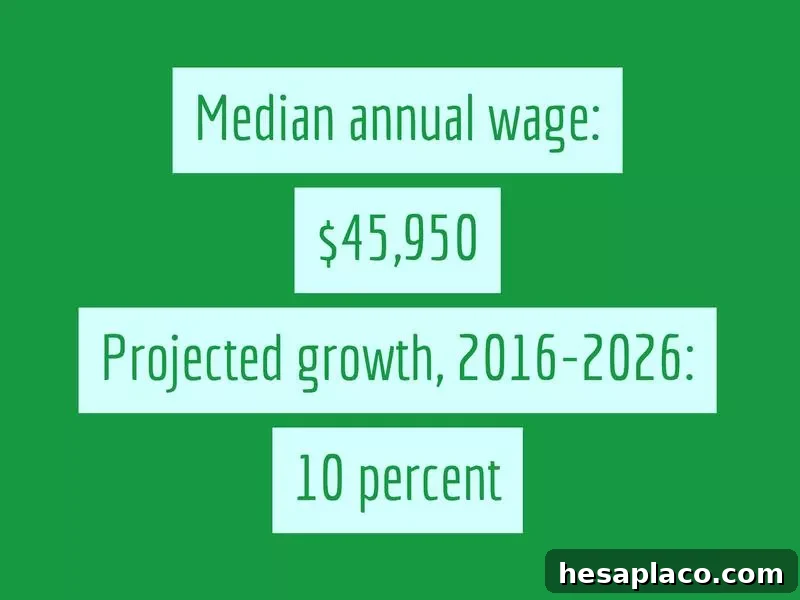
Chefs and head cooks supervise kitchen operations, direct staff, and oversee food preparation. The median annual wage in 2017 was $45,950. Many learn through experience or formal culinary training. Employment was projected to grow about 10 percent from 2016 to 2026, mainly in food services where positions will replace workers who leave.
On the Rise: Dentists
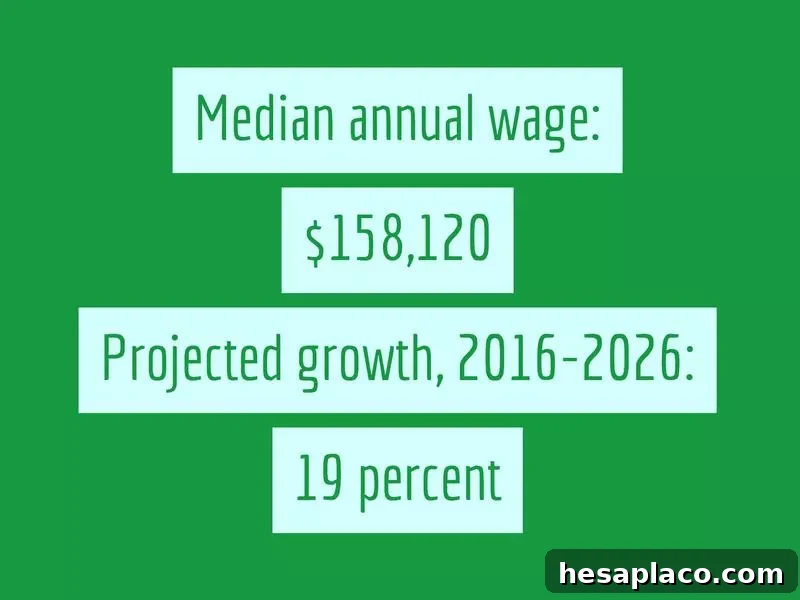
Dentists diagnose and treat oral health issues and advise patients on proper care and diet. The median annual wage in 2017 was $158,120. Dentists must graduate from accredited dental schools, pass licensing exams, and obtain state licensure. Employment was projected to grow about 19 percent from 2016 to 2026, reflecting an aging population and growing recognition of oral health’s role in overall health.
Overall, while many traditional occupations face declines, opportunities are expanding in renewable energy, healthcare, data science, cybersecurity, and technology. Workers and students who align training with these trends—through certificates, technical programs, or advanced degrees—are likely to find strong job prospects in the coming decade.